Mexican tarragon
Tagetes lucida. Family Asteraceae. Perennial.
Also called Mexican mint marigold, Texas tarragon, Sweet mace, Winter tarragon.
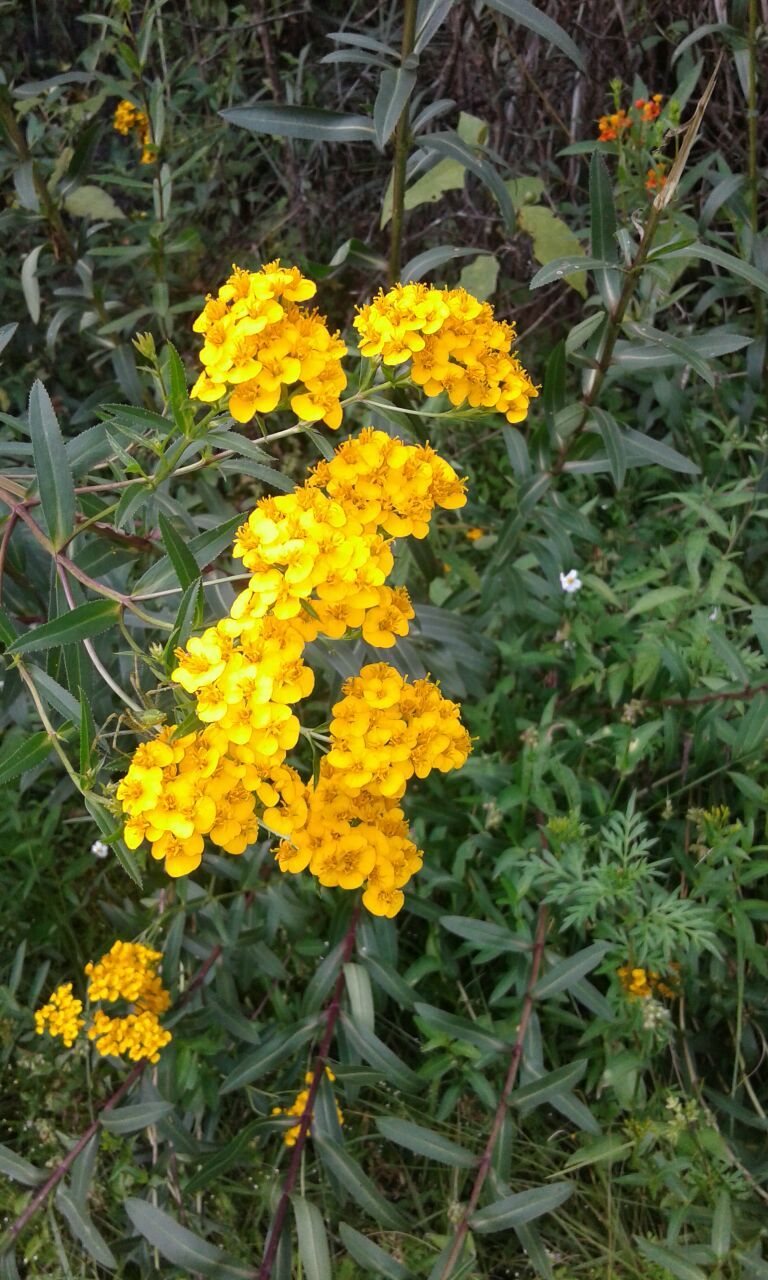
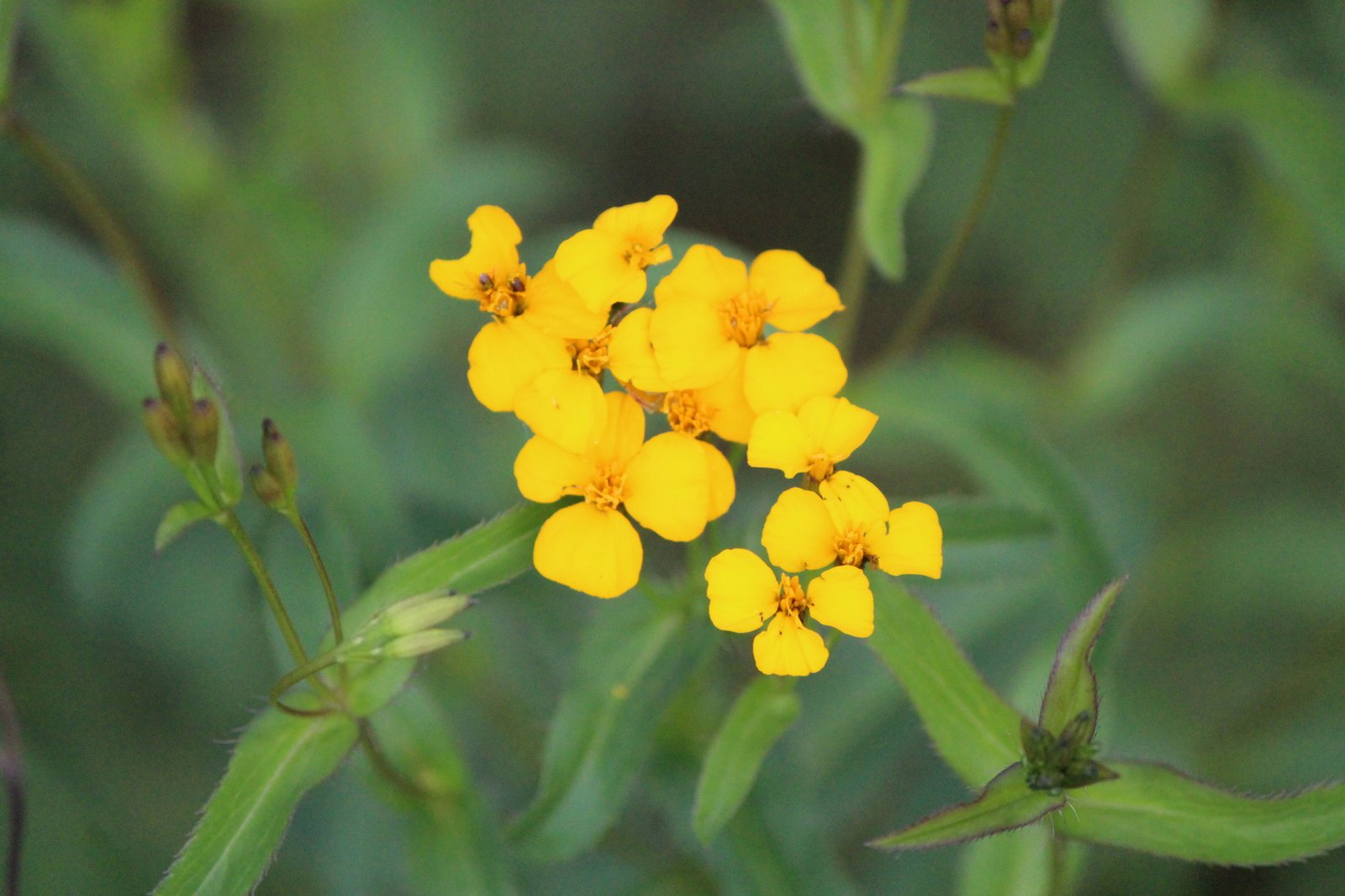
Mexican tarragon is a tender perennial herb with anise-scented leaves and small golden-yellow flowers. Gardeners grow it as a heat-tolerant substitute for French tarragon and for its late-season flowers; in cold climates it is grown as an annual or overwintered indoors.
At a glance
- Sun
- Full sun; light afternoon shade is helpful in very hot climates.
- Water
- Water regularly while establishing, then let the soil surface dry between waterings. Established plants tolerate brief dry spells but produce better leaves with occasional deep watering.
- Soil
- Well-drained sandy or loamy soil of moderate fertility; avoid heavy soil that stays wet, especially in winter.
- Height
- 1.5-3 ft (0.45-0.9 m)
- Spread
- 1-2 ft (0.3-0.6 m)
- Flowers
- Small golden-yellow flower heads in clusters from late summer into autumn, sometimes continuing into winter in frost-free climates.
- Foliage
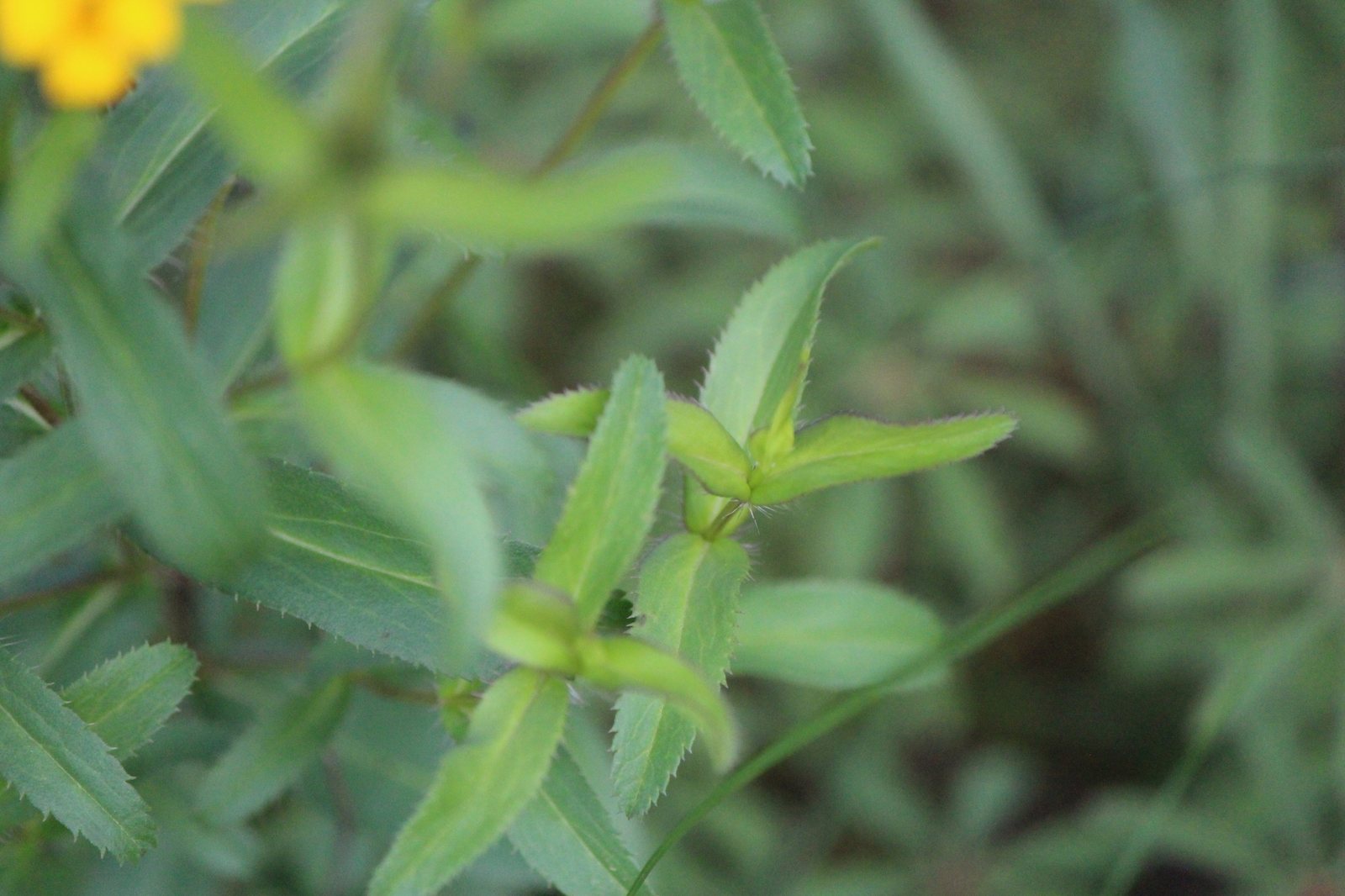
- Narrow, glossy green leaves with lightly toothed edges and a strong anise or liquorice scent when crushed. Foliage may persist in frost-free climates but dies back with frost.
- Growth
- Moderate to fast in warm weather.
- Care needed
- Low
The year at a glance
- Pollinators
- Drought tolerant
- Heat tolerant
- Low allergen
- Fragrant
- Edible
| J | F | M | A | M | J | J | A | S | O | N | D | |
|---|---|---|---|---|---|---|---|---|---|---|---|---|
| Flowers | ||||||||||||
| Fruit | ||||||||||||
| Plant |
Northern hemisphere months. In Australia, shift them by six.
- Difficulty
- Moderate
- Toughness
- Fairly tough
Will it suit your garden?
Pick your zone, country, light and whether you have pets.
Full sun is 6 or more hours of direct sun a day, part shade 3 to 6 hours, shade under 3.
How it grows
Planting day
1 ft (0.3 m)
After 1 year
1.5 ft (0.46 m)
After 2 years
2 ft (0.61 m)
After 3 years
2.2 ft (0.68 m)
full size
About 2 years to full size.
From a typical nursery size, at an average rate for this kind of plant. A rule of thumb, not a forecast.
Good to know
- Cats and dogs
- Mildly toxic: may upset a stomach
- Growth rate
- Fast
Care
Jobs through the year
- WaterMay, Sep–Oct, every 10 days
- Water established plants when surface soil dries; water new transplants more frequently.
- WaterJun–Aug, every 7 days
- Water deeply in dry weather for good leaf production, allowing the surface to dry between waterings.
- MulchMay
- Apply a light compost dressing after planting; avoid rich feeding.
- PruneApr–May
- Cut winter-damaged stems on protected plants back to healthy basal growth.
- PruneMay–Jun
- Pinch young shoot tips for bushiness; stop by midsummer to allow flowers.
- HarvestJun–Oct, every 7 days
- Pick aromatic leaves and tender tips once established; pick edible flowers as they open.
- ProtectSep–Oct
- Before the first frost, move a potted plant to a bright, frost-free place; outdoor plants will not reliably overwinter.
- WaterJan–Mar, Nov–Dec, every 21 days
- For overwintered pots only, check compost and water sparingly to keep it barely moist.
- Plant outdoors after the last frost, once the soil has warmed.
- Water at soil level and avoid leaving containers standing in water.
- Apply a light dressing of compost in spring; avoid heavy nitrogen feeding.
- In zone 8, choose a sheltered, sharply drained position and mulch the crown after the ground cools; winter survival is less reliable in wet soil.
- In colder areas, bring a potted plant into a bright, frost-free place before frost and water sparingly through winter.
Pruning. Pinch young shoot tips in spring and early summer to encourage branching, but stop by midsummer if you want autumn flowers. Cut frost-killed stems back to healthy basal growth in spring.
Harvest
Pick healthy, fully expanded leaves or snip tender shoot tips once the plant is well established, continuing through the growing season. Leaves are ready when strongly aromatic; use fresh or dry small bunches in an airy, shaded place, and pick edible flowers as they open.
Through the year
- Early spring
- Sow seed indoors in warmth and bright light if you need plants for the coming growing season.
- Spring
- Cut back winter-damaged stems on overwintered plants when new growth appears.
- Late spring
- Plant out after frost danger has passed and pinch young tips for bushier growth.
- Summer
- Harvest leaves regularly and water deeply during prolonged dry weather.
- Late summer
- Leave some stems uncut to develop flower buds.
- Autumn
- Enjoy and harvest the flowers; move container plants under cover before frost in cold regions.
- Winter
- Keep protected plants bright and barely moist, and check for aphids and whiteflies.
In the garden
- Plant beside paths in an herb garden where brushing the leaves releases their scent.
- Use in kitchen-door containers for convenient harvesting and autumn colour.
- Repeat through sunny mixed borders with salvias and ornamental grasses for late-season yellow flowers.
- Add to a potager as a flowering culinary herb that also attracts visiting insects.
Garden styles it suits: Potager (kitchen garden), Herb parterre, Edible landscape, Sensory garden, Pollinator garden and Mexican hacienda.
Plant it with: Rosemary, Common sage, Thyme, Purple coneflower, Autumn sage and Little bluestem.
Wildlife: The open flower heads provide nectar and pollen for bees, butterflies and other flower-visiting insects, particularly late in the season.
Problems to watch for
- Root or crown rot in wet soil: improve drainage, reduce watering and avoid waterlogged winter sites.
- Aphids on tender shoots: rinse off small colonies with water; use insecticidal soap if needed, following the label for edible herbs.
- Whiteflies on overwintered plants: inspect leaf undersides, isolate affected pots and use a labelled insecticidal soap where necessary.
- Winter loss: protect the crown in marginal climates or overwinter a container plant in a bright, frost-free place.
Safety
Leaves and flowers are used as food and are not known to be toxic to people in normal culinary amounts; concentrated extracts and medicinal doses are not equivalent to food use. Species-specific safety information for cats, dogs and horses is limited. Marigolds can cause mild digestive upset if eaten and skin irritation from sap, so discourage pets and horses from eating the plant; serious poisoning from casual exposure is not expected.
Easily confused with
French tarragon (Artemisia dracunculus)
French tarragon has alternate, narrower leaves with smooth edges and inconspicuous greenish flowers; Mexican tarragon has opposite, lightly toothed leaves and conspicuous yellow flower heads.
Signet marigold (Tagetes tenuifolia)
Signet marigold has finely divided, fern-like leaves and usually flowers much earlier and more freely through summer; Mexican tarragon has simple, undivided leaves.
The name
Mexican tarragon refers to its Mexican origin and tarragon-like culinary use, while the Latin epithet lucida means shining, referring to its glossy foliage.
Propagation. Grow from seed sown indoors before the last frost, take softwood cuttings during warm weather, or divide established clumps in spring. Root cuttings in a free-draining medium and protect young plants from frost.
Checked against open data
- Accepted botanical name
- Tagetes lucida
- Native range
- El Salvador, Guatemala, Honduras, Mexico Central, Mexico Gulf, Mexico Northeast, Mexico Northwest, Mexico Southeast and Mexico Southwest.
Sources: GBIF (CC BY 4.0) and Trefle (CC BY 4.0). The care and design notes are LandscapeGPT's own.
See it in your own yard.
Upload a photo of your yard and see it redesigned with plants that suit your climate, each checked against your zone.