Millenium ornamental onion
Allium 'Millenium'. Family Amaryllidaceae. Perennial.
Also called Allium 'Millenium', Millenium allium.
A compact, clump-forming ornamental onion with rounded heads of rosy-purple flowers in midsummer to late summer. Its green leaves remain attractive through much of the growing season, making it useful along sunny borders and paths. The flowers attract bees and butterflies, and the plant produces little viable seed.
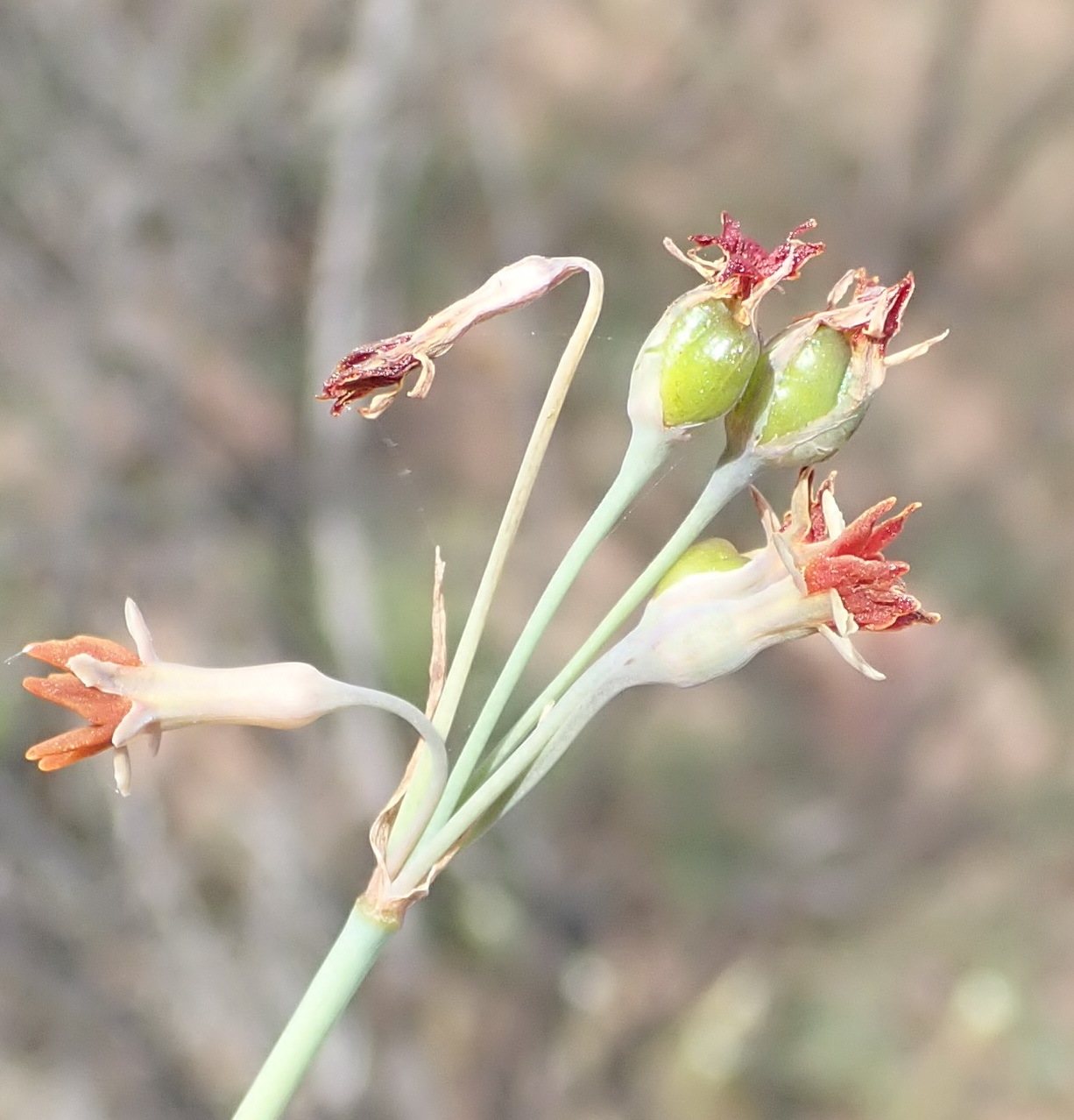
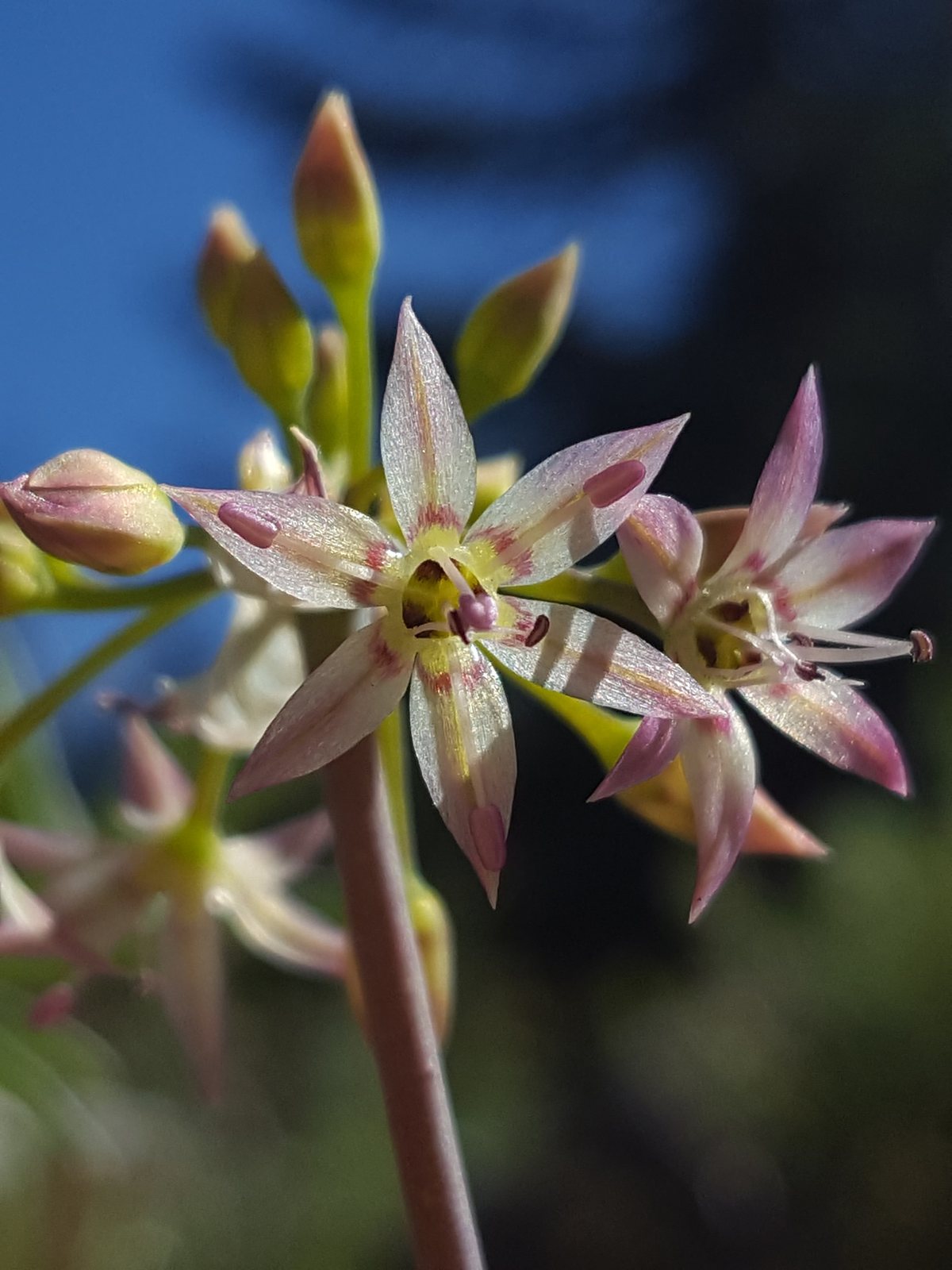
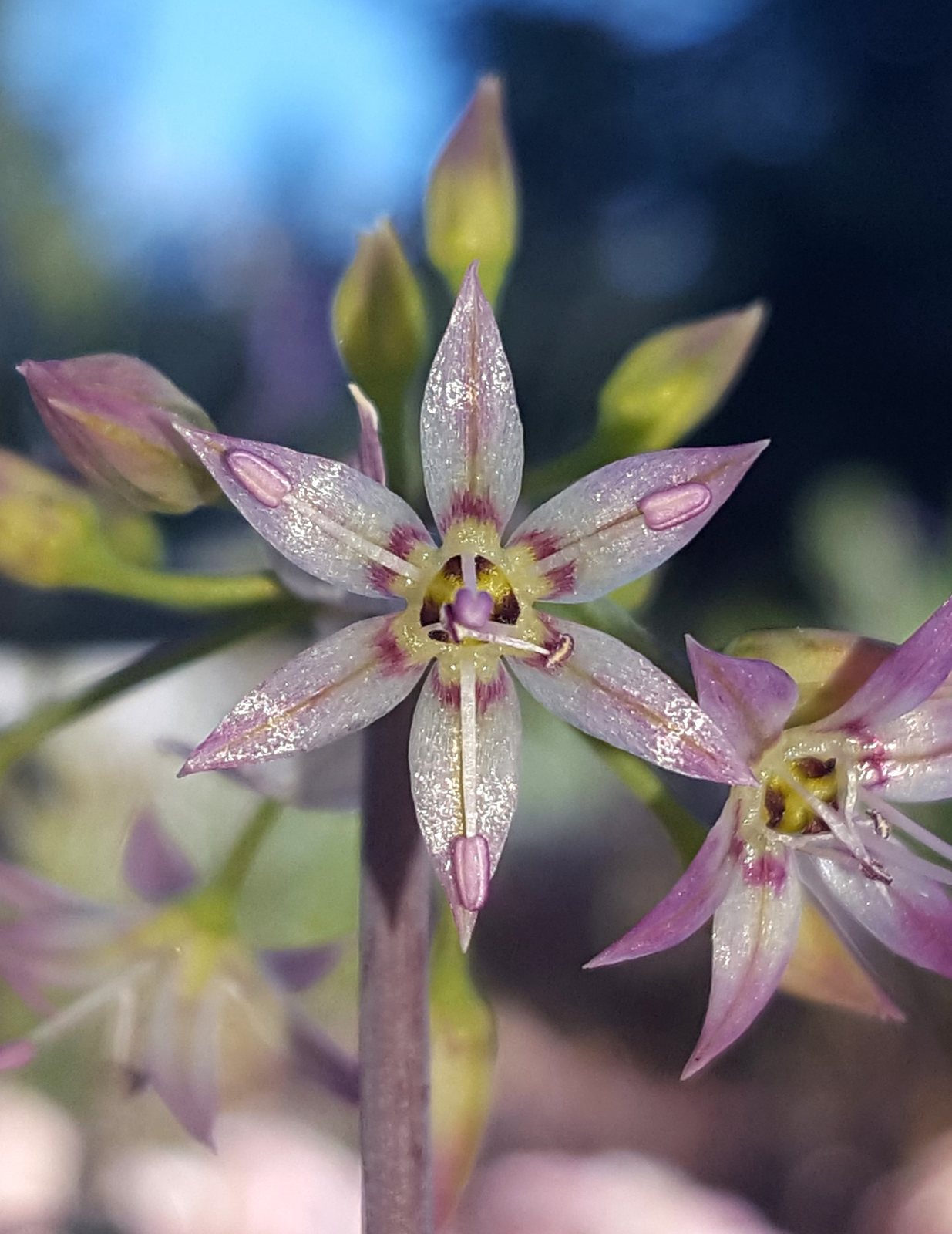
At a glance
- Sun
- Full sun gives the strongest flowering; tolerates light partial shade.
- Water
- Water regularly while establishing. Once established, tolerates short dry spells, but flowers best with occasional deep watering during prolonged drought.
- Soil
- Well-drained sandy, loamy or improved clay soil; average fertility is sufficient. Avoid soil that stays wet in winter.
- Height
- 1-1.5 ft (0.3-0.45 m), including flowers
- Spread
- 1-1.5 ft (0.3-0.45 m)
- Flowers
- Midsummer to late summer; rounded heads of rosy-purple flowers.
- Foliage
- Narrow, upright to arching, glossy green leaves with an onion smell when crushed; usually remains presentable through flowering.
- Growth
- Moderate; forms a steadily widening clump.
- Care needed
- Low
The year at a glance
- Pollinators
- Deer resistant
- Drought tolerant
- Cold hardy
- Low allergen
| J | F | M | A | M | J | J | A | S | O | N | D | |
|---|---|---|---|---|---|---|---|---|---|---|---|---|
| Flowers | ||||||||||||
| Fruit | ||||||||||||
| Plant |
Northern hemisphere months. In Australia, shift them by six.
- Difficulty
- Easy
- Toughness
- Very tough
Will it suit your garden?
Pick your zone, country, light and whether you have pets.
Full sun is 6 or more hours of direct sun a day, part shade 3 to 6 hours, shade under 3.
How it grows
Planting day
1 ft (0.3 m)
After 1 year
1.1 ft (0.32 m)
After 2 years
1.1 ft (0.35 m)
After 3 years
1.2 ft (0.38 m)
full size
About 3 years to full size.
From a typical nursery size, at an average rate for this kind of plant. A rule of thumb, not a forecast.
Good to know
- Cats and dogs
- Toxic
- Growth rate
- Moderate
Care
Jobs through the year
- WaterApr–May, Sep, every 14 days
- Water established clumps only when dry; new plants need more frequent watering.
- WaterJun–Aug, every 7 days
- During prolonged drought, water established clumps deeply; otherwise rely on rainfall.
- PruneMar
- Remove dead foliage before new shoots grow; leave healthy green leaves intact.
- DivideMar–Apr
- Divide only congested clumps with declining flowering and replant healthy sections.
- FeedApr
- Top-dress lightly with compost, keeping the crown clear; avoid heavy nitrogen feeding.
- DeadheadAug–Sep
- Optionally cut faded stems to the base, or retain dry heads for autumn interest.
- Water deeply during the first growing season whenever the root zone begins to dry.
- Plant with the crown at soil level in a sunny position with good drainage.
- Apply a thin layer of compost in spring; avoid heavy nitrogen feeding.
- Keep mulch clear of the crown, especially in wet climates.
- Divide crowded clumps in spring when flowering declines; staking is normally unnecessary.
Pruning. Cut spent flower stems down to the base after flowering, or leave the dry heads for their shape. Remove dead leaves in late autumn or early spring; do not cut back healthy green foliage.
Through the year
- Early spring
- Remove dead foliage before new shoots become difficult to work around.
- Spring
- Plant or divide clumps and water them in thoroughly.
- Mid-spring
- Top-dress lightly with compost, keeping it away from the crown.
- Summer
- Water new plants and established clumps during prolonged dry weather.
- Late summer
- Remove faded flower stems if you prefer a tidy finish, or retain the dry heads.
- Winter
- Check that water drains freely around dormant clumps and containers.
In the garden
- Repeat small groups along a sunny path to create a low, rhythmic edge.
- Plant among ornamental grasses and coneflowers for rounded flowers against fine foliage.
- Use near the front of a perennial border, where its lasting foliage fills gaps left by spring bulbs.
- Grow in a well-drained container for summer colour in a small courtyard.
- Mass in a sunny pollinator border to provide a concentrated summer nectar source.
Garden styles it suits: New perennial (prairie), Cottage garden, Pollinator garden, Low-maintenance, Dry gravel garden and Contemporary minimal.
Plant it with: Coneflower, Catmint, Perennial salvia, Yarrow, Prairie dropseed and Stonecrop.
Wildlife: Flowers provide nectar and pollen for bees and attract butterflies. Deer and rabbits usually leave the onion-scented foliage alone, though no plant is completely browsing-proof.
Problems to watch for
- Crown or bulb rot in wet soil: improve drainage or move the clump to a raised position; discard badly rotted plants.
- Weak flowering in shade: move to a position receiving at least six hours of direct sun.
- Reduced flowering in an old, congested clump: divide in spring and replant healthy outer sections.
- Thrips can cause pale streaks or silvery damage on leaves: keep plants adequately watered, remove badly affected foliage and avoid unnecessary insecticides that harm predators.
Safety
Like other alliums, it is toxic to cats, dogs and horses if eaten; all parts, including the bulbs and leaves, can cause red-blood-cell damage and potentially serious anaemia. Do not treat this ornamental cultivar as food for people; eating it may cause digestive upset, and its specific human toxicity is not well documented. Contact a veterinarian promptly if a pet eats it.
Easily confused with
Summer Beauty ornamental onion (Allium 'Summer Beauty')
Usually has paler lavender flowers in looser heads and a somewhat taller, more open habit; 'Millenium' has denser, deeper rosy-purple heads.
Chives (Allium schoenoprasum)
Chives have hollow, tubular leaves and generally flower in spring to early summer; 'Millenium' has flattened leaves and flowers later.
Globemaster ornamental onion (Allium 'Globemaster')
Has much larger flower globes on taller stems in late spring to early summer, with broad basal leaves that fade around flowering.
The name
Allium is the Latin word for garlic; the cultivar name is correctly spelled 'Millenium', with one n.
Propagation. Divide established clumps in spring, retaining roots and growing shoots on each section. Division preserves the cultivar; seed production is very limited, and seedlings would not reliably match the parent.
Checked against open data
- Accepted botanical name
- Allium
Sources: GBIF (CC BY 4.0). The care and design notes are LandscapeGPT's own.
See it in your own yard.
Upload a photo of your yard and see it redesigned with plants that suit your climate, each checked against your zone.