Mount Airy fothergilla
Fothergilla 'Mount Airy'. Family Hamamelidaceae. Shrub.
Also called Mount Airy witch alder, Fothergilla × intermedia 'Mount Airy'.
A rounded, deciduous shrub grown for fragrant white spring flowers and autumn leaves in shades of yellow, orange and red, often together on the same plant. Usually treated as a hybrid between dwarf and large fothergilla, 'Mount Airy' suits woodland edges and mixed borders with moist, acidic soil.
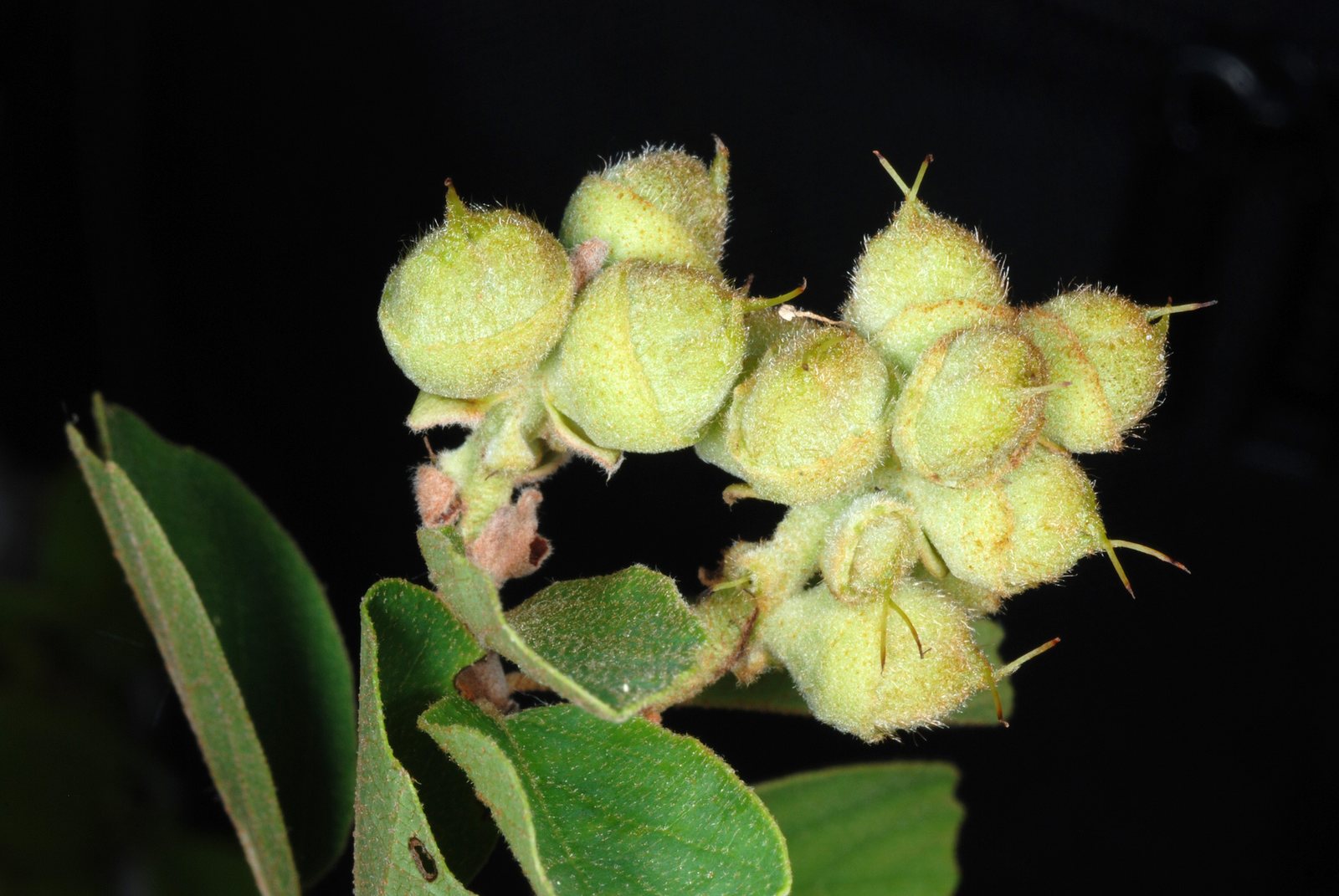
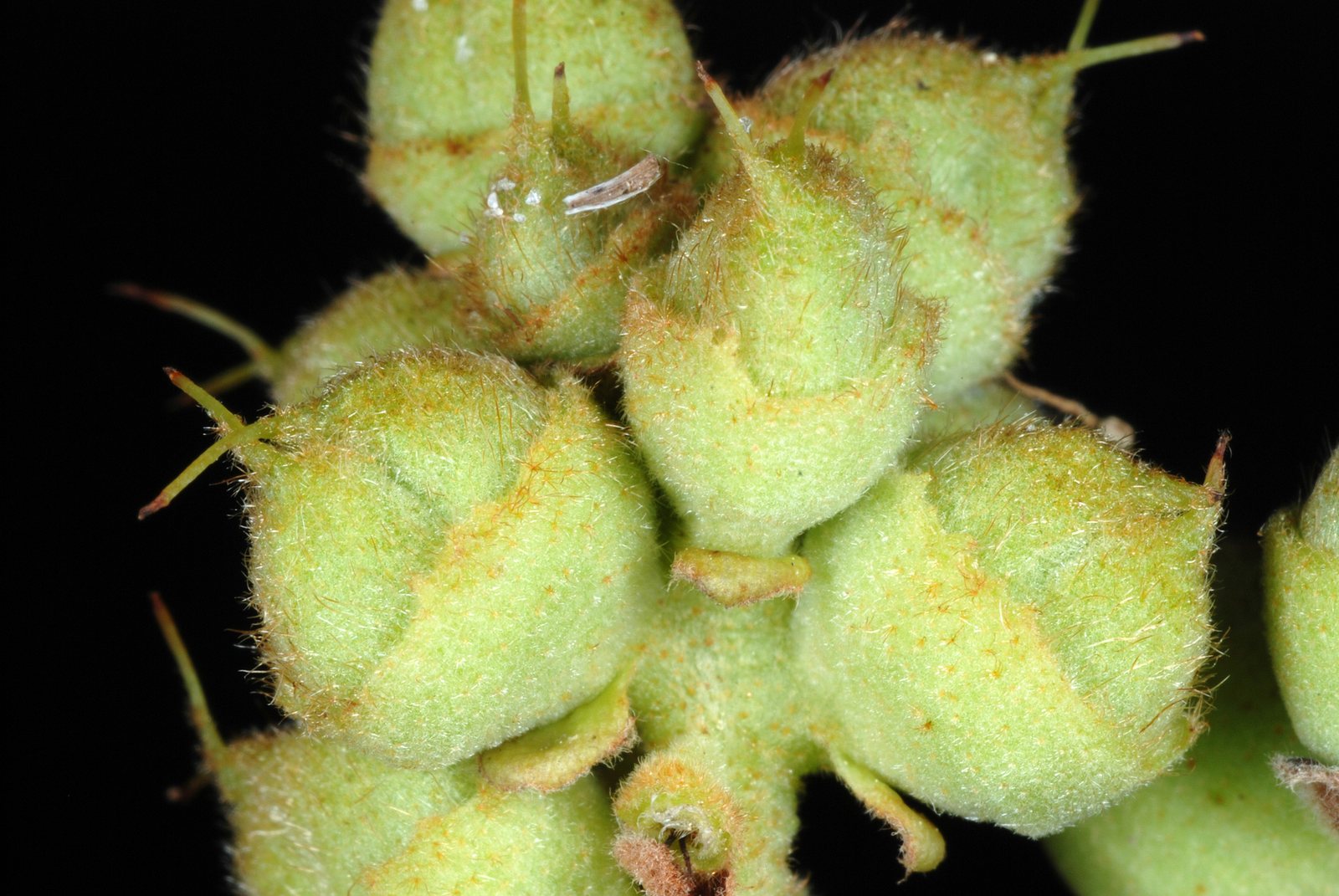
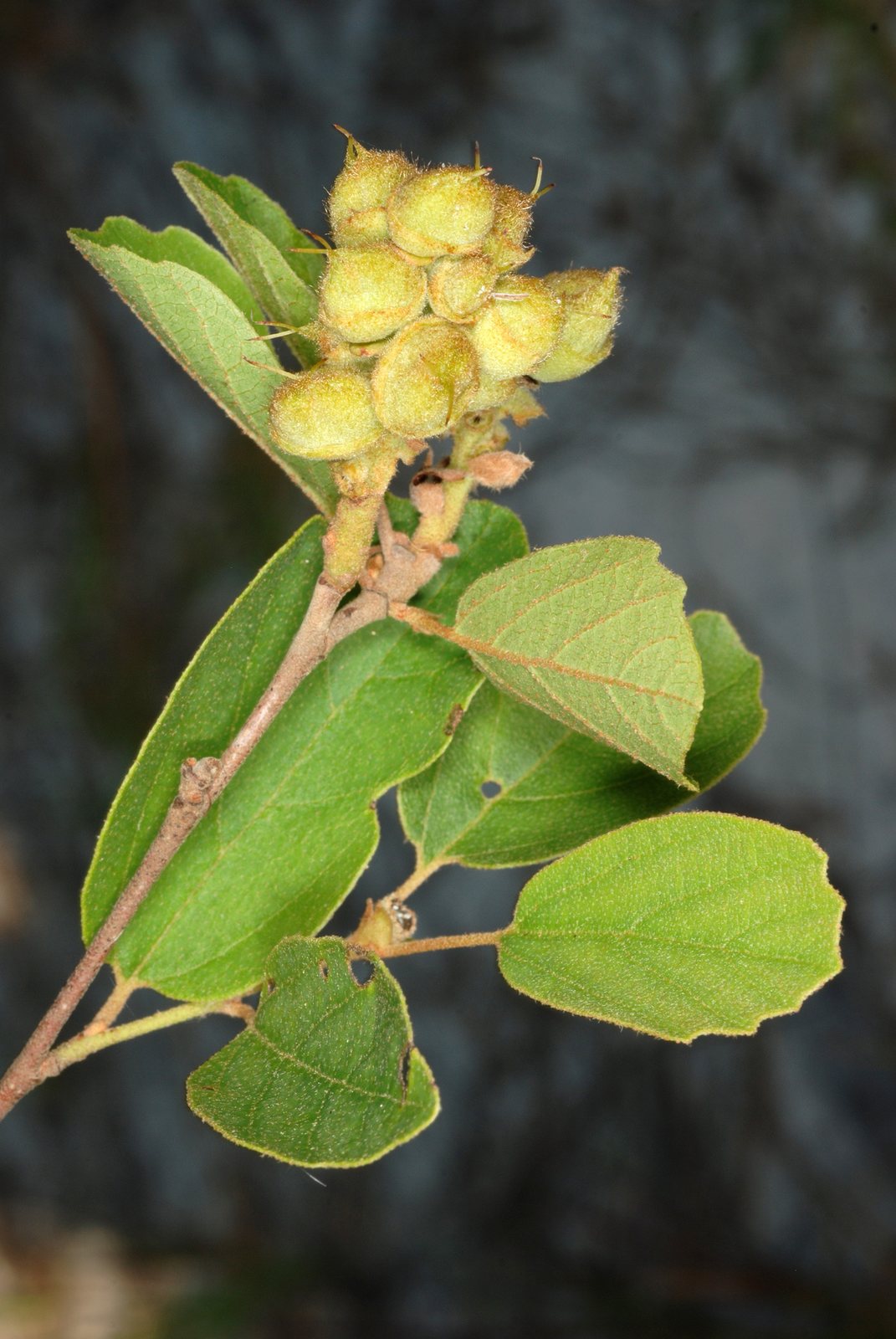
At a glance
- Sun
- Full sun to partial shade; autumn colour is usually strongest with plenty of sun. Give afternoon shade in hot locations.
- Water
- Keep evenly moist, especially during establishment and summer dry spells; avoid waterlogged ground.
- Soil
- Acidic, humus-rich, well-drained soil that retains moisture. Poorly suited to chalky or strongly alkaline soil.
- Height
- 4-6 ft (1.2-1.8 m)
- Spread
- 4-6 ft (1.2-1.8 m), potentially wider over time through suckers
- Flowers
- Spring; fragrant, creamy-white bottlebrush flowers appear before or alongside the emerging leaves.
- Foliage
- Broad, toothed, green to blue-green leaves with paler undersides; yellow, orange, scarlet and purple autumn colour.
- Growth
- Slow to moderate
- Care needed
- Low
The year at a glance
- Pollinators
- Deer resistant
- Disease resistant
- Wildlife
- Low allergen
- Fragrant
| J | F | M | A | M | J | J | A | S | O | N | D | |
|---|---|---|---|---|---|---|---|---|---|---|---|---|
| Flowers | ||||||||||||
| Plant |
Northern hemisphere months. In Australia, shift them by six.
- Difficulty
- Easy
- Toughness
- Fairly tough
Will it suit your garden?
Pick your zone, country, light and whether you have pets.
Full sun is 6 or more hours of direct sun a day, part shade 3 to 6 hours, shade under 3.
How it grows
Planting day
1.6 ft (0.5 m)
After 1 year
2.1 ft (0.65 m)
After 2 years
2.7 ft (0.81 m)
After 3 years
3 ft (0.96 m)
After 5 years
4 ft (1.3 m)
About 7 years to full size.
From a typical nursery size, at an average rate for this kind of plant. A rule of thumb, not a forecast.
Good to know
- Cats and dogs
- Safe
- Growth rate
- Slow
Care
Jobs through the year
- WaterApr–May, Sep–Oct, every 14 days
- Water established shrubs if soil is drying; young shrubs need more frequent watering for two years.
- WaterJun–Aug, every 7 days
- During dry weather, soak the shallow root zone to maintain even moisture without waterlogging.
- MulchMar–Apr
- Apply 5–8 cm of leaf mould or composted bark, keeping stems clear.
- PruneMay–Jun
- Immediately after flowering, remove damaged or crossing stems and lightly shape only if necessary.
- PruneOct
- Remove unwanted suckers at their origin if the clump is spreading too far.
- Water deeply during dry spells for the first two growing seasons; continue watering established plants during prolonged drought.
- Apply 2-3 in (5-8 cm) of leaf mould or composted bark over the root area, keeping it clear of the stems.
- If growth is weak, apply a light feeding of fertiliser for acid-loving shrubs in spring; avoid routine heavy feeding.
- Remove unwanted suckers at their point of origin if you want to keep a single, compact clump.
- Avoid cultivating deeply around the shallow roots.
Pruning. Little pruning is needed. Immediately after flowering, remove damaged or crossing stems and, if necessary, shorten selected branches lightly; winter pruning removes flower buds.
Through the year
- Early spring
- Check soil moisture, refresh mulch and feed lightly only if growth has been weak.
- Spring
- Plant container-grown shrubs while the soil is workable, and water thoroughly.
- Late spring
- After flowering, remove damaged or crossing branches and make any light shaping cuts.
- Summer
- Water during dry spells and check for leaf scorch or yellowing foliage.
- Early summer
- Take softwood cuttings if you want to propagate the cultivar.
- Autumn
- Plant in mild areas while the soil is still warm, and remove unwanted suckers if the clump is spreading too far.
In the garden
- Plant at a woodland edge with rhododendrons and ferns for spring flowers and strong autumn colour.
- Use as a specimen beside a path or seating area where its honey-scented flowers can be enjoyed.
- Group several in a broad mixed border for a continuous band of autumn colour.
- Combine with oakleaf hydrangeas and Virginia sweetspire in an informal shrub border with moist, acidic soil.
Garden styles it suits: Woodland, Autumn colour, Sensory garden, Wildlife garden, English country and Low-maintenance.
Plant it with: Rhododendrons, Deciduous azaleas, Oakleaf hydrangea, Virginia sweetspire, Christmas fern and Foamflower.
Wildlife: The spring flowers provide pollen and nectar for bees and other insects. Its branching growth also offers cover for small birds.
Problems to watch for
- Yellow leaves with green veins can indicate iron chlorosis in alkaline soil; test the soil and, on chalky sites, move the shrub to suitable acidic ground rather than relying on repeated supplements.
- Brown leaf edges and premature leaf fall can follow drought or hot, exposed conditions; water deeply, mulch and provide afternoon shade in hot climates.
- Persistently wet soil can cause root decline or rot; improve drainage or relocate the shrub before planting a replacement.
- Sparse flowers and weak autumn colour can result from deep shade; move to a brighter position, and avoid pruning off flower buds in winter.
Safety
Not known to be toxic to people, cats, dogs or horses. No particular poisonous part is established, but safety information is limited and it should not be treated as an edible plant.
Easily confused with
Dwarf fothergilla (Fothergilla gardenii)
Usually a lower, more spreading shrub, often about 2-3 ft (0.6-0.9 m) tall. Flowers and leaves are very similar, so size alone cannot confirm the identity of a young plant.
Large fothergilla (Fothergilla major)
Usually grows taller, often 6-10 ft (1.8-3 m), with larger leaves. It overlaps strongly with 'Mount Airy' in appearance, so a reliable nursery label is useful.
Virginia sweetspire (Itea virginica)
Has narrower leaves and long, drooping white flower clusters in late spring or early summer, rather than upright bottlebrush flowers around leaf emergence.
The name
Fothergilla honours John Fothergill, an eighteenth-century English physician and plant collector.
Propagation. Take softwood cuttings in early summer and root them under humid conditions in a free-draining medium. Rooted suckers may also be separated while dormant; seed will not reliably reproduce 'Mount Airy'.
Checked against open data
- Accepted botanical name
- Fothergilla
Sources: GBIF (CC BY 4.0). The care and design notes are LandscapeGPT's own.
See it in your own yard.
Upload a photo of your yard and see it redesigned with plants that suit your climate, each checked against your zone.