Mountain sandwort
Arenaria montana. Family Caryophyllaceae. Groundcover.
Also called Mountain arenaria.
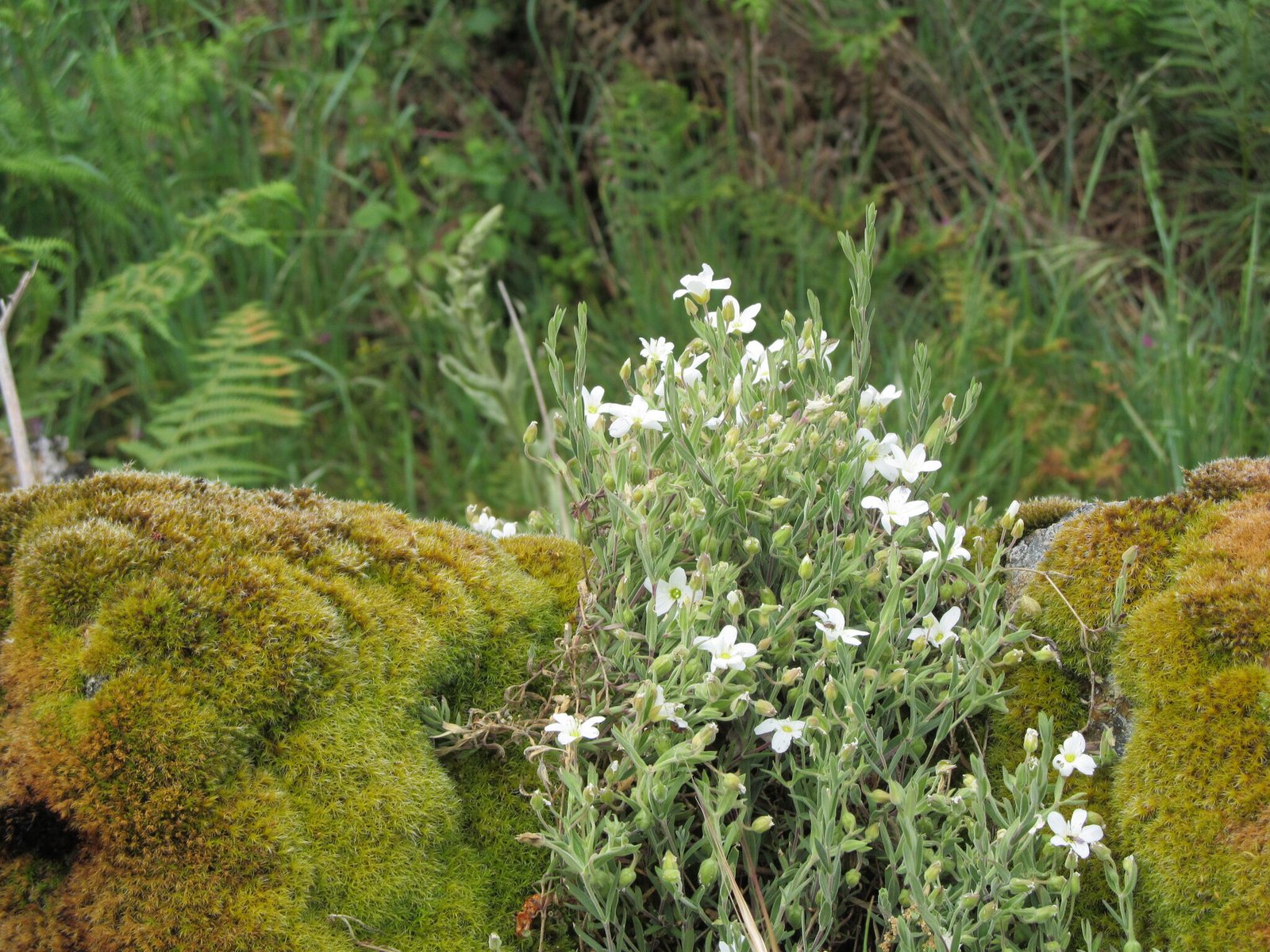
Mountain sandwort is a low, mat-forming perennial grown for its small evergreen leaves and masses of white flowers in late spring. It suits rock gardens, raised beds and sunny edges with excellent drainage, especially in climates with cool summers.
At a glance
- Sun
- Full sun in cool climates; light afternoon shade where summers are hot.
- Water
- Moderate; keep lightly moist while establishing, then water during prolonged dry spells. Avoid waterlogged soil, especially in winter.
- Soil
- Well-drained, gritty or sandy soil with modest fertility; tolerates acidic, neutral and alkaline conditions.
- Height
- 0.25-0.5 ft (0.08-0.15 m)
- Spread
- 1-1.5 ft (0.3-0.45 m)
- Flowers
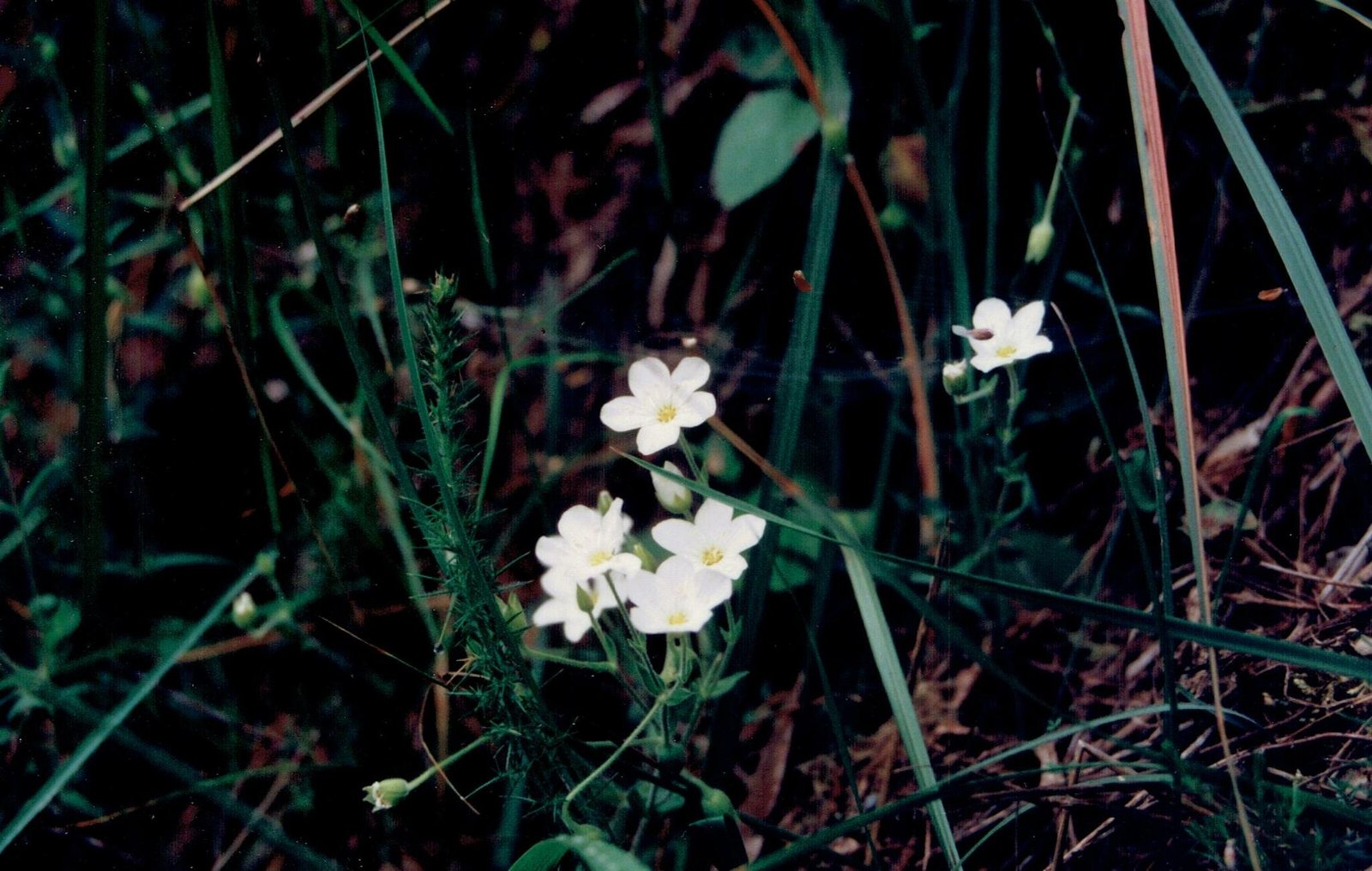
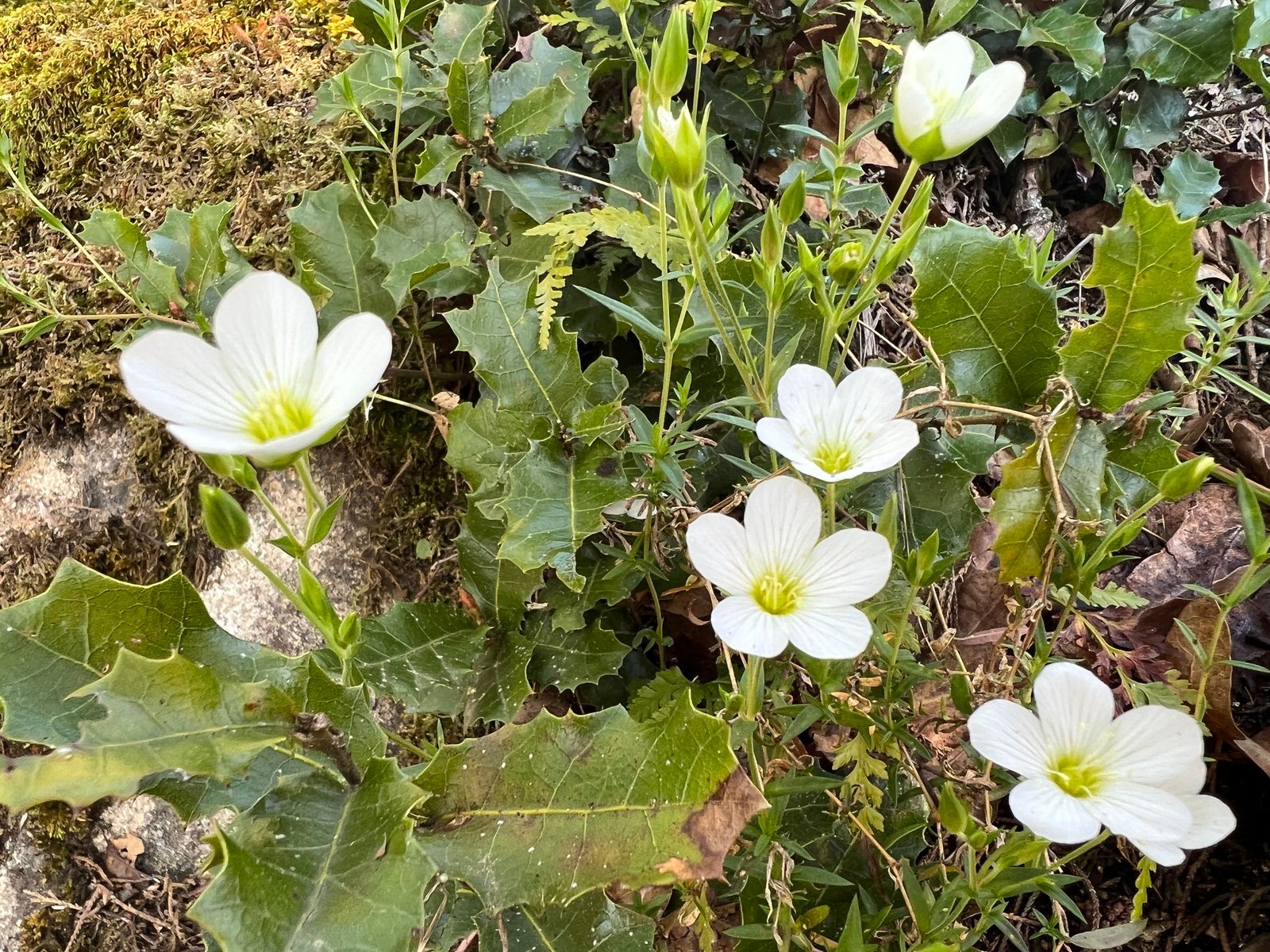
- Late spring to early summer; white, five-petalled flowers with small yellow-green centres.
- Foliage
- Small, narrow, dark green leaves form a dense, low cushion. Usually evergreen, though foliage may suffer in severe winters.
- Growth
- Moderate
- Care needed
- Low
The year at a glance
- Pollinators
- Deer resistant
- Cold hardy
- Low allergen
| J | F | M | A | M | J | J | A | S | O | N | D | |
|---|---|---|---|---|---|---|---|---|---|---|---|---|
| Flowers | ||||||||||||
| Plant |
Northern hemisphere months. In Australia, shift them by six.
- Difficulty
- Easy
- Toughness
- Fairly tough
Will it suit your garden?
Pick your zone, country, light and whether you have pets.
Full sun is 6 or more hours of direct sun a day, part shade 3 to 6 hours, shade under 3.
How it grows
Planting day
0.1 ft (0.03 m)
After 1 year
0.2 ft (0.06 m)
After 2 years
0.3 ft (0.1 m)
After 3 years
0.4 ft (0.12 m)
full size
About 3 years to full size.
From a typical nursery size, at an average rate for this kind of plant. A rule of thumb, not a forecast.
Good to know
- Cats and dogs
- Safe
- Growth rate
- Moderate
Care
Jobs through the year
- WaterApr–May, Sep, every 14 days
- Water established ground plants during extended dry spells; water new plants more often as needed.
- WaterJun–Aug, every 7 days
- During drought, water established ground plants without saturating roots; let the surface dry slightly.
- MulchMar–Apr
- Use a thin gravel mulch around crowns rather than moisture-holding organic material.
- FeedApr
- Apply a light balanced feed only if growth is weak; avoid rich feeding.
- PruneMar–Apr
- Trim winter-damaged shoots without cutting deeply into bare woody growth.
- PruneJun–Jul
- Lightly shear after flowering to remove spent blooms and maintain a compact cushion.
- ProtectOct–Nov
- Clear debris from the cushion and check drainage before wet winter weather.
- Plant with the crown at soil level in a freely draining position.
- Water regularly through the first growing season, allowing the surface to dry slightly between waterings.
- Water established plants during extended drought, without leaving the root zone saturated.
- Avoid rich feeding; use a light spring application of balanced fertiliser only if growth is weak.
- Use a thin gravel mulch around the crown rather than moisture-holding organic mulch.
Pruning. Lightly shear after flowering to remove spent blooms and keep the cushion compact. In spring, trim away dead or winter-damaged shoots without cutting deeply into bare, woody growth.
Through the year
- Spring
- Plant in gritty, well-drained soil and water thoroughly.
- Spring
- Remove winter-damaged shoots and clear fallen leaves from the cushion.
- Late spring
- Check soil moisture during flowering, particularly in pots and raised beds.
- Early summer
- Lightly shear after the main flowering flush.
- Summer
- Take non-flowering shoot cuttings and water established plants during prolonged drought.
- Autumn
- Check drainage and remove debris that could trap moisture around the crown.
In the garden
- Plant between rocks in a rock garden, where the white flowers soften stone edges.
- Let cushions spill over the front of a raised bed or low retaining wall.
- Use along sunny path edges where plants will not be stepped on.
- Combine with compact pinks and creeping phlox for a low spring-flowering display.
- Grow in alpine troughs with other small plants that need sharp drainage.
Garden styles it suits: Alpine rock garden, Mountain lodge, Dry gravel garden, Cottage garden, White garden and Small-space.
Plant it with: Creeping phlox, Alpine pinks, Purple rock cress, Candytuft, Creeping thyme and Dwarf bearded iris.
Wildlife: The open flowers provide pollen and nectar for small bees and other visiting insects.
Problems to watch for
- Crown and root rot in wet soil: improve drainage, keep the crown clear of organic mulch and replace badly affected plants.
- Summer dieback in hot, humid conditions: provide afternoon shade and good airflow; avoid persistently wet soil.
- Slugs and snails damaging young growth: remove hiding places, hand-pick at dusk or use labelled iron-phosphate bait.
- Thin or bare centres in older cushions: take cuttings to raise replacement plants rather than cutting hard into old growth.
Safety
Not known to be toxic to people, cats, dogs or horses. Species-specific toxicity information is limited, and it is not an edible plant; discourage pets and children from eating it.
Easily confused with
Snow-in-summer (Cerastium tomentosum)
Has conspicuously silvery, woolly foliage and deeply notched white petals; mountain sandwort has green foliage and petals that are not deeply split.
Irish moss (Sagina subulata)
Forms a much finer, moss-like carpet with tiny needle-like leaves and much smaller white flowers.
The name
Arenaria comes from the Latin arena, meaning sand, referring to the sandy habitats of many members of the genus; montana means mountain-dwelling.
Propagation. Take short, non-flowering shoot cuttings in summer and root them in a gritty propagation mix. Sow seed in spring; seedlings may vary if seed comes from a named cultivar.
Checked against open data
- Accepted botanical name
- Arenaria montana
- Native range
- France, Morocco, Portugal and Spain.
- Measured
- Average height 20 cm.
Sources: GBIF (CC BY 4.0) and Trefle (CC BY 4.0). The care and design notes are LandscapeGPT's own.
See it in your own yard.
Upload a photo of your yard and see it redesigned with plants that suit your climate, each checked against your zone.