Mrs J. Bradshaw avens
Geum 'Mrs J. Bradshaw'. Family Rosaceae. Perennial.
Also called Geum 'Mrs J. Bradshaw', Geum chiloense 'Mrs J. Bradshaw', Chilean avens 'Mrs J. Bradshaw'.
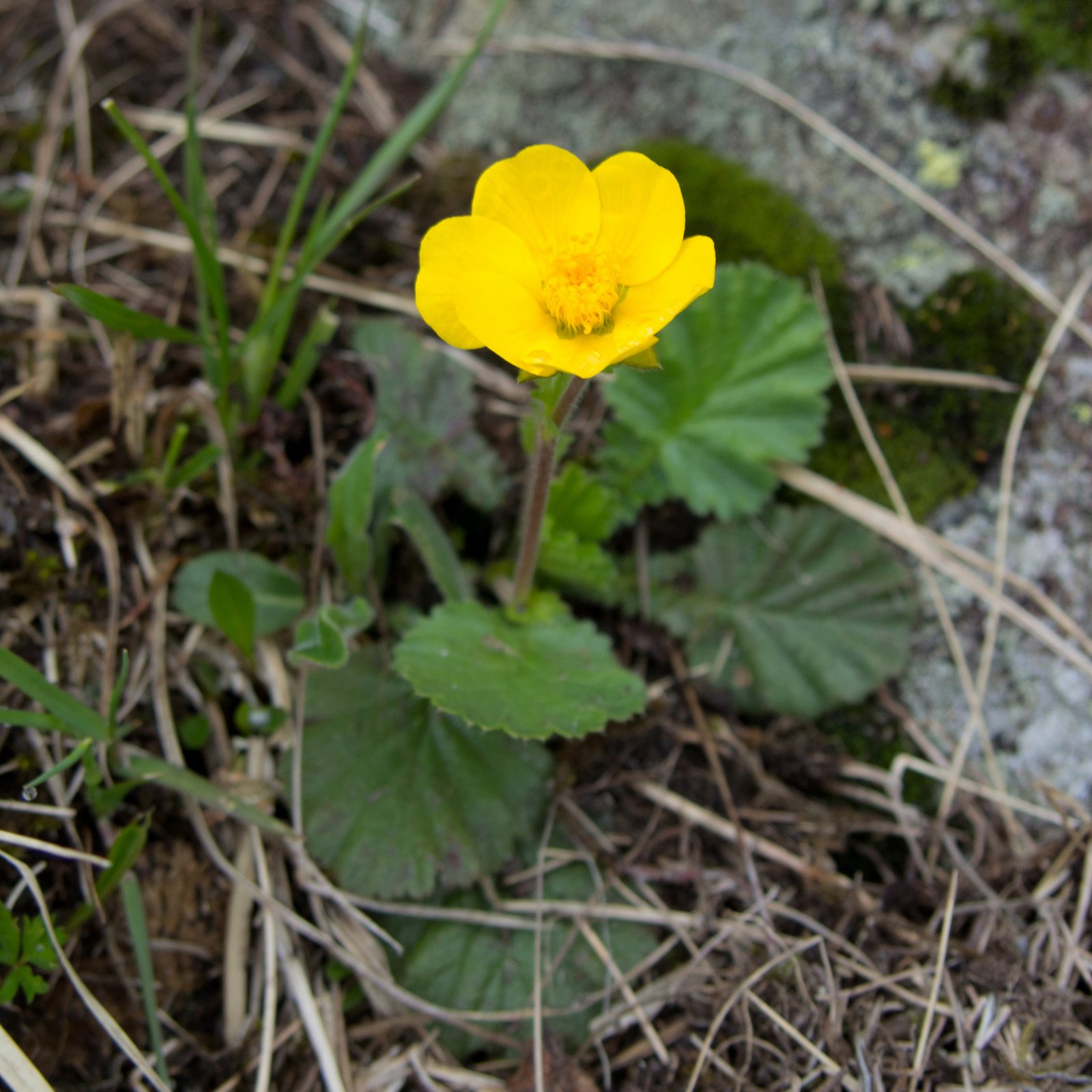
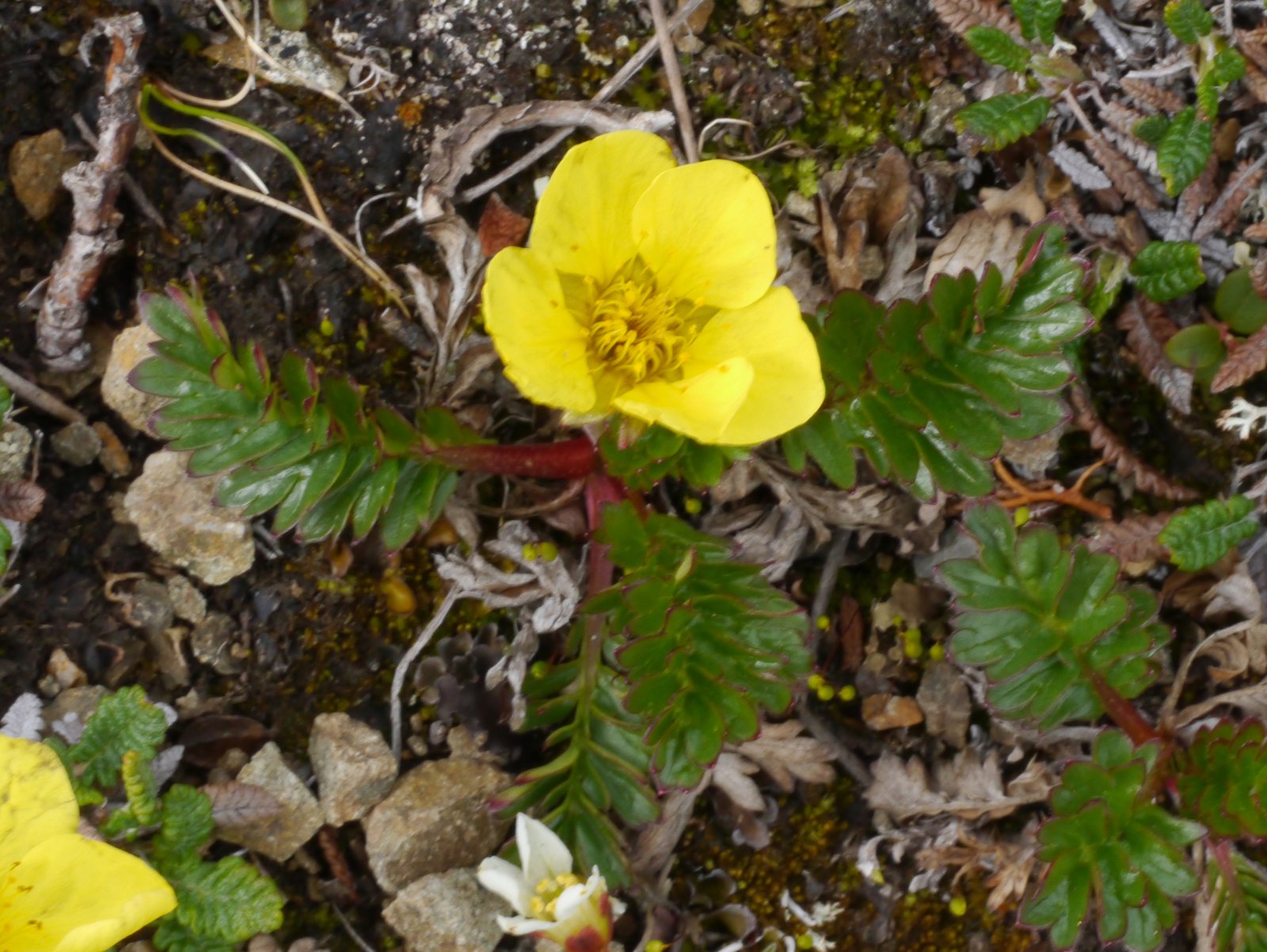
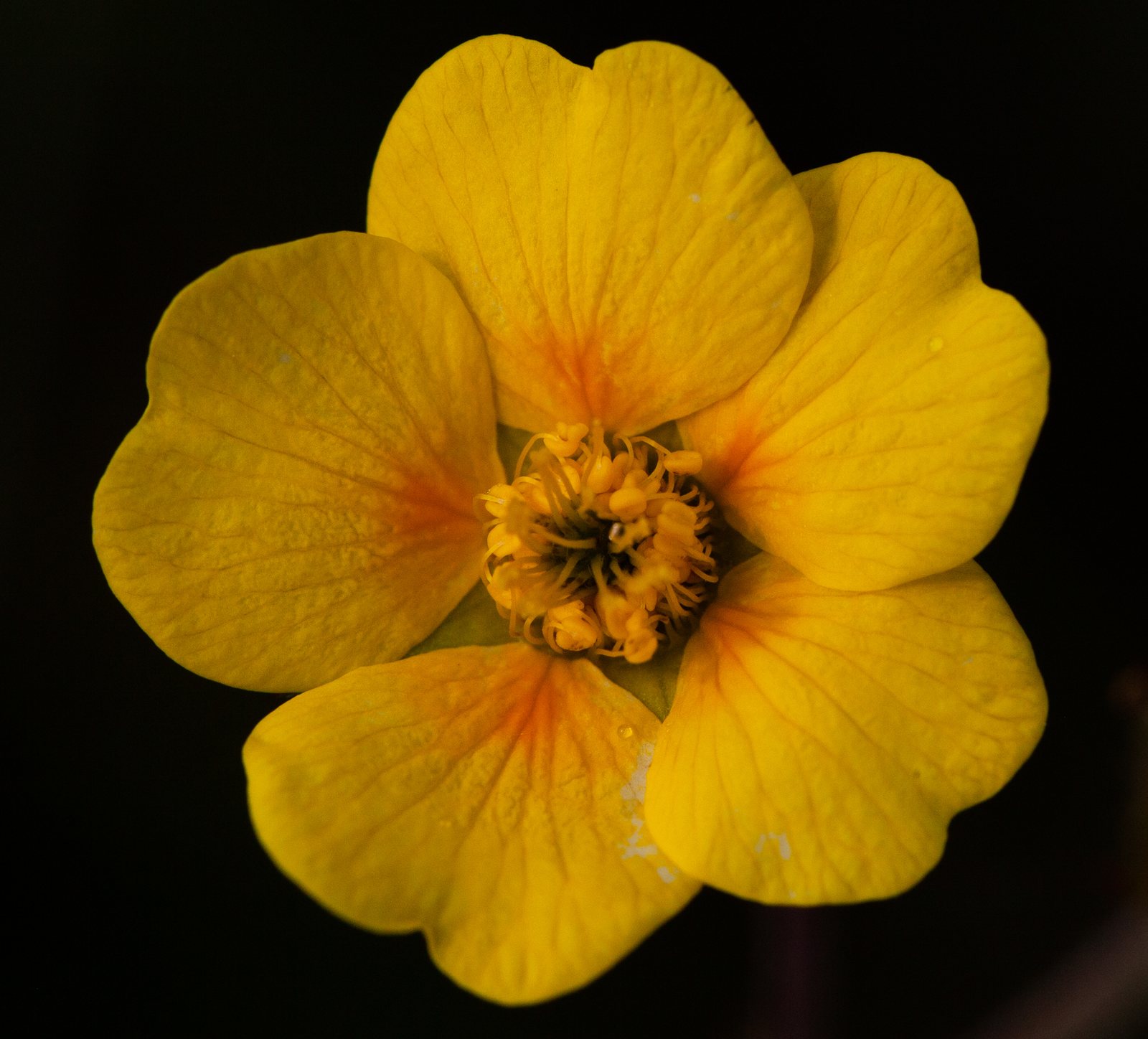
A clump-forming perennial with scarlet, semi-double flowers carried on wiry stems above low mounds of green leaves. It brings strong colour to cottage gardens and mixed borders from late spring into summer, especially where summers are not excessively hot or humid.
At a glance
- Sun
- Full sun in cool climates; light afternoon shade where summers are hot.
- Water
- Moderate; keep the root zone evenly moist during growth, without leaving it waterlogged.
- Soil
- Fertile, moisture-retentive but well-drained soil; tolerates acidic, neutral and mildly alkaline conditions.
- Height
- 1.5-2 ft (0.45-0.6 m)
- Spread
- 1-2 ft (0.3-0.6 m)
- Flowers
- Scarlet-red, semi-double flowers from late spring through midsummer; deadheading can encourage scattered later flowers.
- Foliage
- Low rosettes of hairy, lobed green leaves; semi-evergreen in mild winters, but often dies back in colder climates.
- Growth
- Moderate
- Care needed
- Medium
The year at a glance
- Pollinators
- Deer resistant
- Low allergen
| J | F | M | A | M | J | J | A | S | O | N | D | |
|---|---|---|---|---|---|---|---|---|---|---|---|---|
| Flowers | ||||||||||||
| Plant |
Northern hemisphere months. In Australia, shift them by six.
- Difficulty
- Moderate
- Toughness
- Fairly tough
Will it suit your garden?
Pick your zone, country, light and whether you have pets.
Full sun is 6 or more hours of direct sun a day, part shade 3 to 6 hours, shade under 3.
How it grows
Planting day
1 ft (0.3 m)
After 1 year
1.2 ft (0.37 m)
After 2 years
1.5 ft (0.45 m)
After 3 years
1.7 ft (0.53 m)
full size
About 3 years to full size.
From a typical nursery size, at an average rate for this kind of plant. A rule of thumb, not a forecast.
Good to know
- Cats and dogs
- Safe
- Growth rate
- Moderate
Care
Jobs through the year
- WaterApr–May, Sep–Oct, every 7 days
- Water if rain is insufficient to keep soil evenly moist; new plants need closer attention.
- WaterJun–Aug, every 5 days
- Water deeply in dry weather, keeping the root zone moist but not waterlogged.
- FeedMar–Apr
- Top-dress lightly with compost.
- MulchApr
- Apply a thin organic mulch, leaving the crown uncovered.
- PruneFeb–Mar
- Remove dead or damaged leaves without cutting into the crown.
- DeadheadMay–Sep, every 7 days
- Remove faded flowers; cut finished stems back to the leafy base.
- DivideMar–Apr, Sep
- Divide crowded clumps every three to four years; use autumn only where winters are mild.
- ProtectMay–Jun
- Add discreet twig supports if stems lean in exposed positions.
- ProtectOct–Nov
- Clear collapsed stems and wet debris from the crown to discourage rot.
- Water deeply during dry spells, particularly in the first growing season.
- Work compost into poor soil before planting and top-dress lightly each spring.
- Keep mulch clear of the crown to reduce winter rot.
- Divide crowded clumps every three or four years to maintain vigour.
- Use discreet twig supports if flower stems lean in exposed sites.
Pruning. Remove faded flowers and their stems regularly, cutting back to the leafy base when each stem finishes. In late winter or early spring, remove dead or damaged leaves without cutting into the crown.
Through the year
- Early spring
- Remove winter-damaged leaves and top-dress with compost.
- Spring
- Plant new specimens or divide established clumps as growth begins.
- Late spring
- Add light support if needed before flowering stems become tall.
- Summer
- Deadhead regularly and water during prolonged dry weather.
- Early autumn
- In mild climates, plant or divide while the soil is still warm and moist.
- Late autumn
- Remove collapsed flower stems and clear wet debris away from the crown.
In the garden
- Plant near the front of mixed borders, where the flowers rise above neighbouring low foliage.
- Repeat small groups through a cottage border for linked patches of scarlet.
- Combine with blue salvias or catmint for a strong red-and-blue contrast.
- Mix with yellow yarrow and bronze grasses in a hot-colour border.
Garden styles it suits: Cottage garden, English country, Traditional, Arts and Crafts, Hot border and New perennial (prairie).
Plant it with: Catmint, Hardy geranium, Perennial salvia, Lady's mantle, Yarrow and Tufted hair grass.
Wildlife: Bees and other flower-visiting insects may visit the accessible centres, although the semi-double flowers generally offer less access than single-flowered avens.
Problems to watch for
- Crown or root rot in wet soil: improve drainage, keep the crown at soil level and avoid burying it beneath mulch.
- Poor flowering or summer decline in hot, dry conditions: provide afternoon shade and water deeply; avoid reflected heat.
- Slugs and snails on young growth: inspect during damp evenings and use barriers or labelled iron-phosphate bait where needed.
- Sparse flowering as clumps age: divide congested plants and replant vigorous outer sections.
Safety
Not known to be toxic to people, cats, dogs or horses. No part is recognised as a significant poisoning hazard, but it is not a food plant and eating garden material may cause stomach upset.
Easily confused with
Lady Stratheden avens (Geum 'Lady Stratheden')
Similar clumps and flowering stems, but the semi-double flowers are yellow rather than scarlet.
Scarlet avens (Geum coccineum)
Typical plants have single, five-petalled orange-red flowers rather than the extra petals of 'Mrs J. Bradshaw'; cultivated forms can be harder to distinguish.
Propagation
Propagation. Divide in spring, or in early autumn where winters are mild, to retain the parent's characteristics. Seed is also sold under this name, but seedlings can vary in flower form and colour.
Checked against open data
- Accepted botanical name
- Geum
Sources: GBIF (CC BY 4.0). The care and design notes are LandscapeGPT's own.
See it in your own yard.
Upload a photo of your yard and see it redesigned with plants that suit your climate, each checked against your zone.