Navel orange
Citrus × sinensis 'Washington Navel'. Family Rutaceae. Tree.
Also called Washington navel orange, Bahia orange.
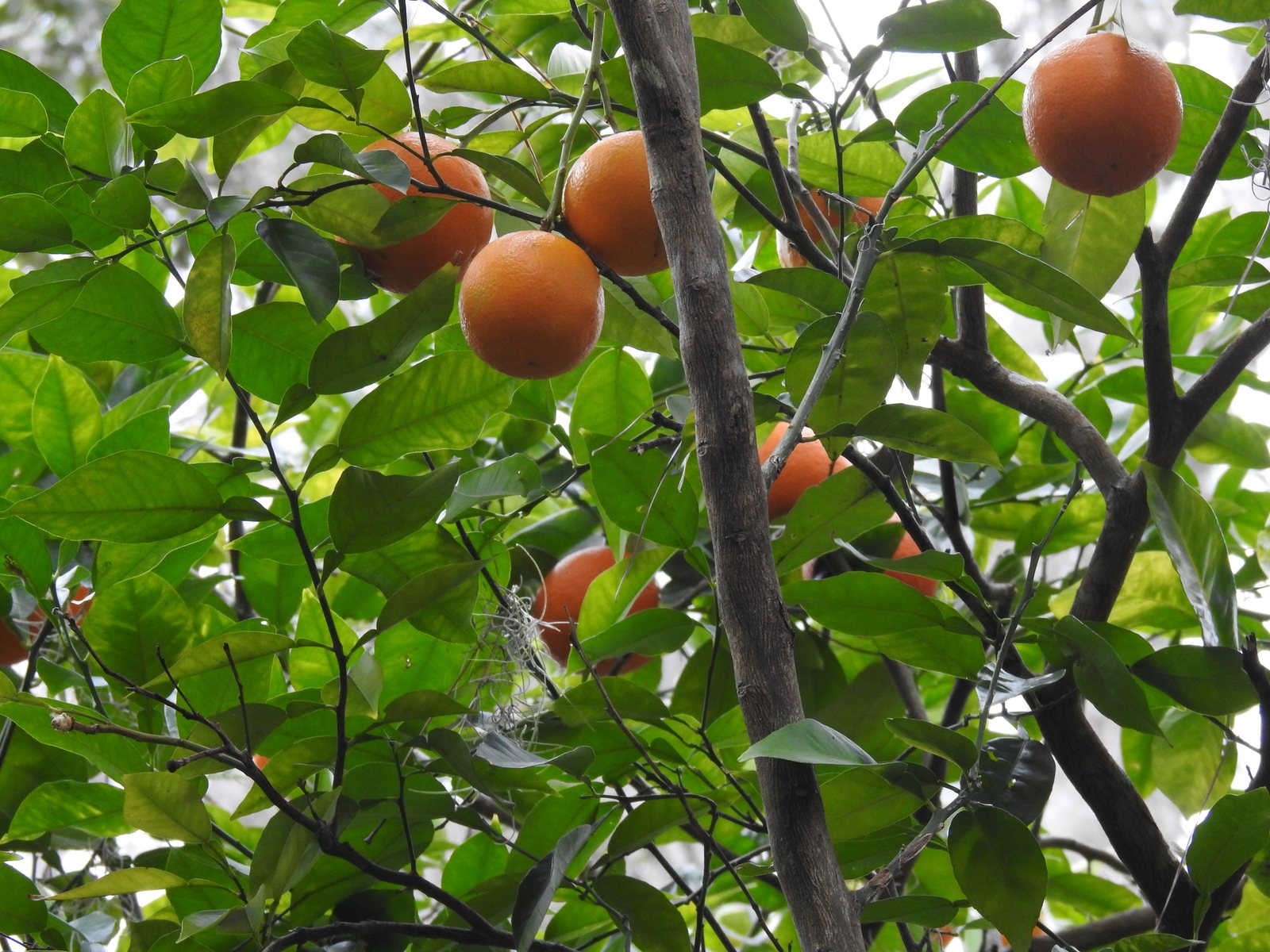
An evergreen citrus tree grown for large, usually seedless oranges with sweet flesh, easily removed peel and a small secondary fruit forming the distinctive navel. It needs warm summers and mild winters; in colder areas, grow a dwarf-rootstock tree in a large container and overwinter it in a bright, frost-free space. One tree can fruit without a pollination partner.
At a glance
- Sun
- Full sun; choose a warm position sheltered from strong winds.
- Water
- Water deeply when the upper soil begins to dry, keeping moisture reasonably even during flowering and fruit development. Reduce watering in winter, especially for plants under cover.
- Soil
- Well-drained loam or sandy loam, preferably slightly acidic. Avoid waterlogged ground, saline soil and planting sites where water collects.
- Height
- 15-25 ft (4.6-7.6 m); commonly 6-10 ft (1.8-3 m) on dwarfing rootstock
- Spread
- 12-20 ft (3.7-6.1 m); commonly 5-8 ft (1.5-2.4 m) on dwarfing rootstock
- Flowers
- Spring; fragrant white flowers, sometimes flushed pink in bud.
- Foliage
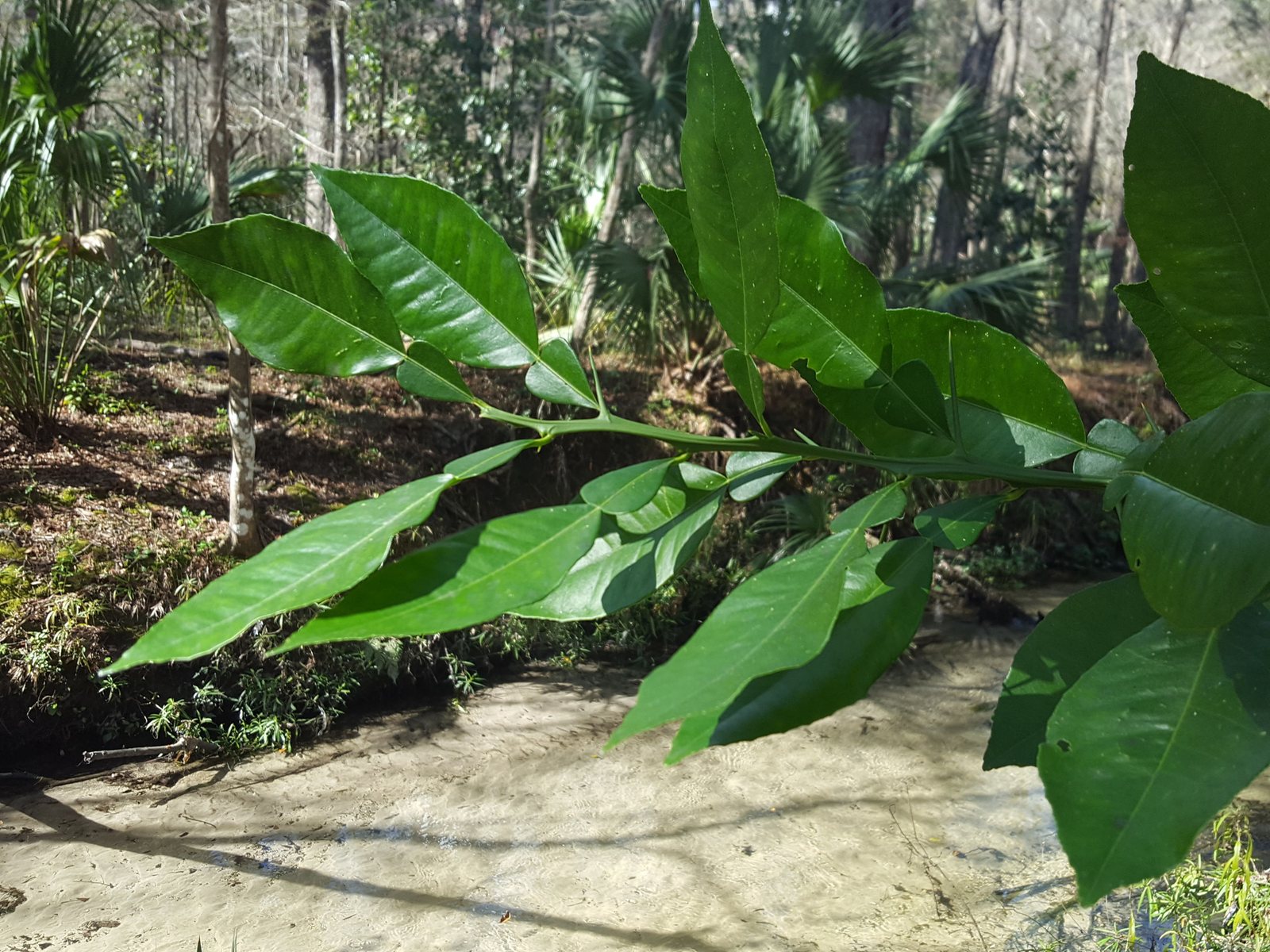
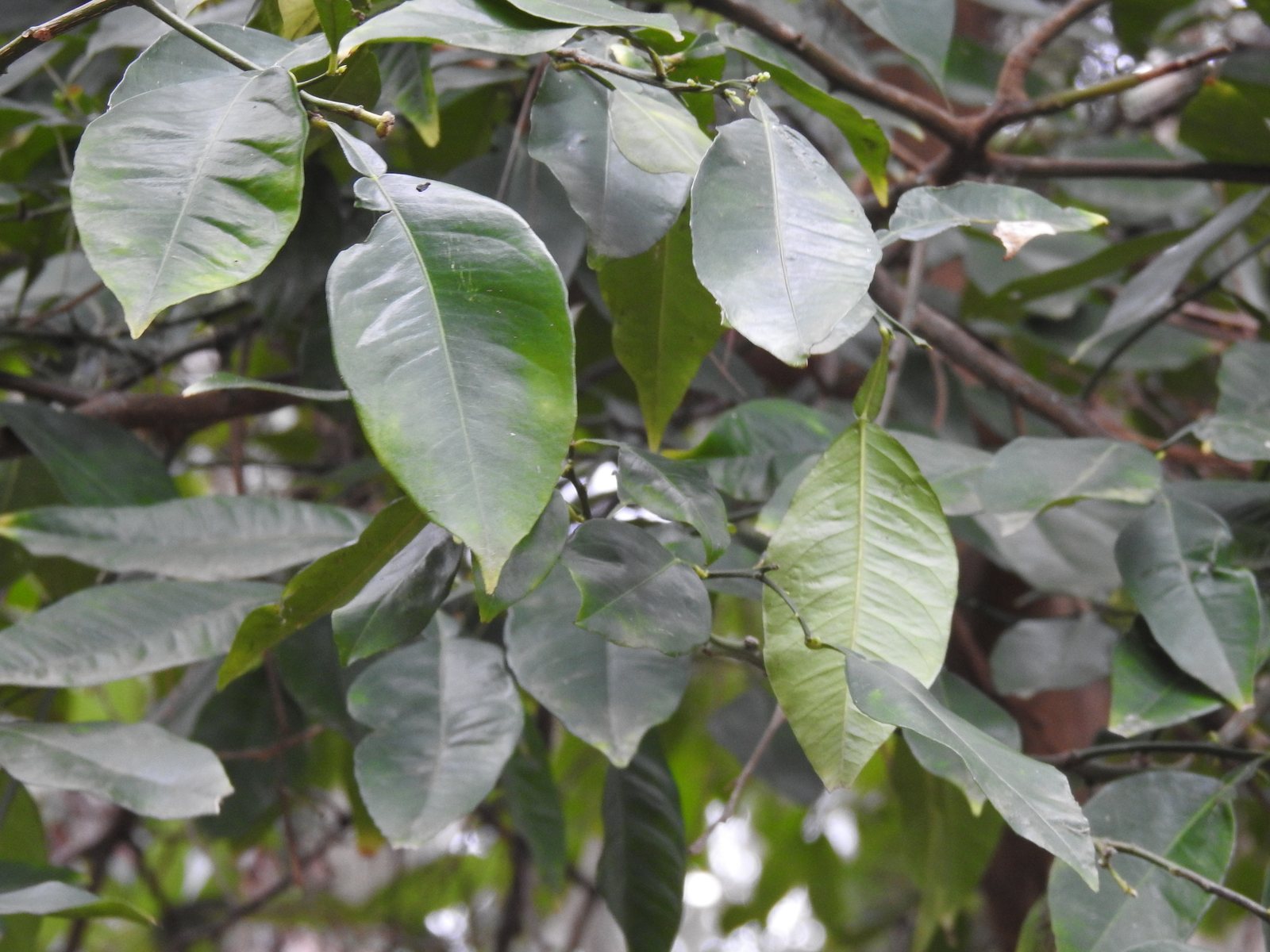
- Evergreen. Glossy, dark green, oval leaves with a citrus scent when crushed.
- Growth
- Moderate; strongly influenced by rootstock, warmth and growing conditions.
- Care needed
- Medium
The year at a glance
- Pollinators
- Heat tolerant
- Low allergen
- Fragrant
- Edible
| J | F | M | A | M | J | J | A | S | O | N | D | |
|---|---|---|---|---|---|---|---|---|---|---|---|---|
| Flowers | ||||||||||||
| Fruit | ||||||||||||
| Plant |
Northern hemisphere months. In Australia, shift them by six.
- Difficulty
- Hard
- Toughness
- Needs looking after
Will it suit your garden?
Pick your zone, country, light and whether you have pets.
Full sun is 6 or more hours of direct sun a day, part shade 3 to 6 hours, shade under 3.
How it grows
Planting day
7 ft (2 m)
After 1 year
7 ft (2.2 m)
After 2 years
8 ft (2.4 m)
After 3 years
9 ft (2.6 m)
After 5 years
10 ft (3 m)
About 20 years to full size.
From a typical nursery size, at an average rate for this kind of plant. A rule of thumb, not a forecast.
Good to know
- Cats and dogs
- Toxic
- Growth rate
- Moderate
Care
Jobs through the year
- WaterMar–May, Sep–Oct, every 7 days
- In zones 6–7 grow in a movable pot; water when the upper mix dries, then drain.
- WaterJun–Aug, every 3 days
- Check container moisture daily in heat; water thoroughly when the upper mix dries.
- WaterJan–Feb, Nov–Dec, every 14 days
- Under cool frost-free shelter, water only as the upper mix dries; never dry out completely.
- FeedApr–Aug, every 14 days
- Use liquid citrus fertilizer at its label rate and interval; stop as autumn approaches.
- PruneApr–May
- Prune lightly after frost danger, removing damaged or crossing branches and rootstock shoots.
- ProtectJan–Apr, Oct–Dec
- Keep in bright, frost-free shelter; outdoor winter survival is not possible in zones 6–7.
- HarvestJan–Apr, Dec, every 14 days
- Taste-test for sweetness and clip ripe oranges; peel colour alone does not indicate ripeness.
- Plant with the root flare at soil level and the graft union well above the soil; use a freely draining citrus potting mix for containers.
- Water the root zone thoroughly rather than giving frequent shallow sprinklings; never leave a container standing in water.
- Apply citrus fertilizer according to its label during spring and summer; avoid late feeding that encourages tender growth before winter.
- Spread organic mulch over the root zone, keeping it at least 6 in (15 cm) away from the trunk.
- Protect young trees during frost; move containers into bright, frost-free shelter before freezing weather.
- Remove shoots growing from below the graft union as soon as they appear.
Pruning. Prune lightly in spring after frost danger has passed, removing dead, damaged and crossing branches while retaining a leafy canopy. Avoid hard pruning and exposing previously shaded bark to strong sun.
Harvest
Pick oranges in winter to early spring, with exact timing varying by climate; taste a sample because peel colour alone does not prove ripeness. Clip ripe fruit from the tree rather than pulling it, and remember that oranges do not sweeten after picking. A healthy grafted tree commonly gives its first worthwhile crop about 3-5 years after planting, although rootstock, tree size and climate affect timing.
Through the year
- Late winter
- Taste developing fruit and harvest those that are sweet; maintain frost protection where needed.
- Spring
- Plant after frost danger has passed, begin feeding and lightly prune established trees.
- Late spring
- Check new growth for pests and maintain even moisture during flowering and fruit set.
- Summer
- Water deeply during dry spells, refresh mulch and check container plants frequently for drying.
- Autumn
- Stop feeding as growth slows and prepare frost protection or indoor shelter.
- Winter
- Keep sheltered container trees in strong light and water sparingly without allowing the root ball to dry completely.
In the garden
- Use as an evergreen focal tree in a sunny courtyard, with enough space for its mature canopy.
- Grow a dwarf-rootstock tree in a large container beside a sheltered terrace or conservatory.
- Include in a small home orchard or edible garden for winter fruit and spring fragrance.
- Pair with lavender or rosemary in nearby, separately watered beds for a Mediterranean planting.
Garden styles it suits: Mediterranean, Modern Mediterranean, Modern courtyard, Backyard orchard, Edible landscape and Potager (kitchen garden).
Plant it with: Lavender, Rosemary, Thyme, Sweet alyssum and Calendula.
Wildlife: Fragrant flowers attract honeybees and other pollinating insects. A pollination partner is not needed for fruit production, and fallen fruit may attract rodents.
Problems to watch for
- Scale insects: inspect stems and leaf undersides for bumps, sticky honeydew and black sooty mould; control ants and use a citrus-labelled horticultural oil as directed, avoiding hot weather.
- Citrus leafminer: winding trails distort young leaves; avoid excessive nitrogen, retain affected leaves that still function and protect young trees using locally approved controls if damage is severe.
- Root and collar rot: poor drainage and wet bark encourage decline; improve drainage, keep mulch off the trunk and avoid overwatering.
- Citrus greening, or huanglongbing: uneven blotchy leaf yellowing and small, misshapen, bitter fruit require advice from your local plant-health authority where the disease occurs; there is no cure, so use certified nursery trees and follow movement restrictions.
Safety
The ripe flesh is edible and is not known to be toxic to people. Peel, leaves and concentrated citrus oils contain compounds toxic to cats, dogs and horses; chewing them may cause vomiting, diarrhoea or skin irritation, and concentrated oils pose a greater risk. Small amounts of ripe flesh are not generally considered toxic to cats or dogs, but avoid offering peel or access to the plant.
Easily confused with
Valencia orange (Citrus × sinensis 'Valencia')
Fruit usually lacks the conspicuous navel, is particularly juicy and generally ripens later than Washington Navel.
Cara Cara navel orange (Citrus × sinensis 'Cara Cara')
The tree and fruit exterior look very similar, but ripe flesh is pink to reddish rather than orange.
Satsuma (Citrus unshiu)
Fruit is smaller and flatter, with a looser peel and no prominent navel; the tree is also more cold tolerant.
The name
Navel refers to the small secondary fruit at the blossom end, sinensis means 'Chinese', and Washington recalls the cultivar's introduction through the United States Department of Agriculture in Washington, D.C.
Propagation. Usually propagated by budding onto a suitable citrus rootstock; buy a certified, disease-free grafted tree with a rootstock suited to your soil, climate and available space. Washington Navel is usually seedless, and seed is not a reliable way to reproduce the cultivar.
Checked against open data
- Accepted botanical name
- Citrus aurantium Citrus × sinensis 'Washington Navel' is an older name for Citrus aurantium.
Sources: GBIF (CC BY 4.0). The care and design notes are LandscapeGPT's own.
See it in your own yard.
Upload a photo of your yard and see it redesigned with plants that suit your climate, each checked against your zone.