Navelwort
Omphalodes cappadocica. Family Boraginaceae. Perennial.
Also called Blue-eyed Mary, Cappadocian navelwort.
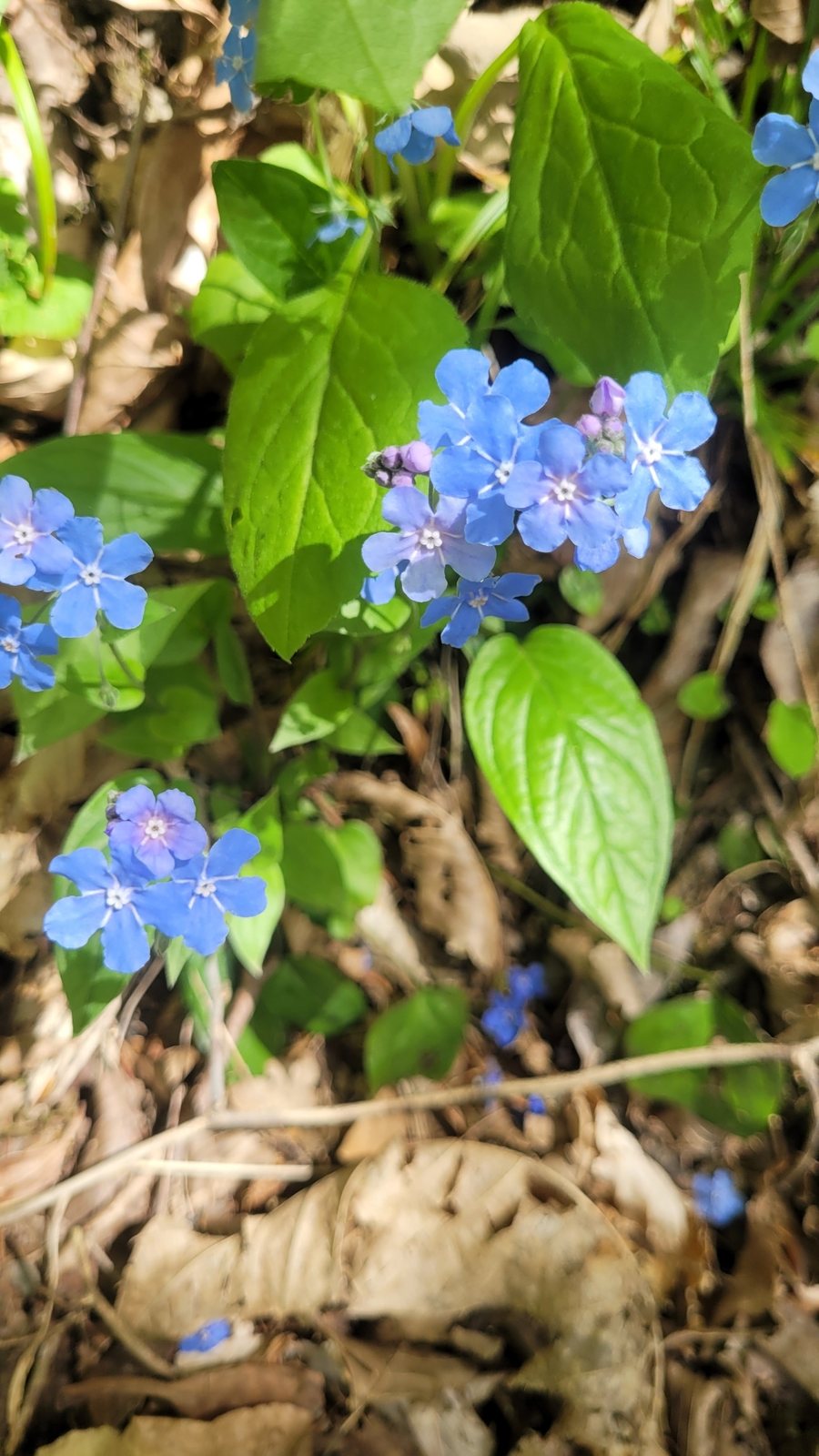
Navelwort is a low, clump-forming woodland perennial grown for its bright blue spring flowers and leafy ground cover. It suits cool, shaded borders with humus-rich soil, but struggles in hot, dry sites.
At a glance
- Sun
- Partial shade or dappled shade; tolerates deeper shade but flowers less freely. Avoid hot afternoon sun.
- Water
- Keep the soil evenly moist but not waterlogged, especially during establishment and summer dry spells.
- Soil
- Humus-rich, well-drained soil that retains moisture; tolerates acidic, neutral or mildly alkaline conditions.
- Height
- 0.5-0.75 ft (0.15-0.23 m)
- Spread
- 1-1.5 ft (0.3-0.45 m)
- Flowers
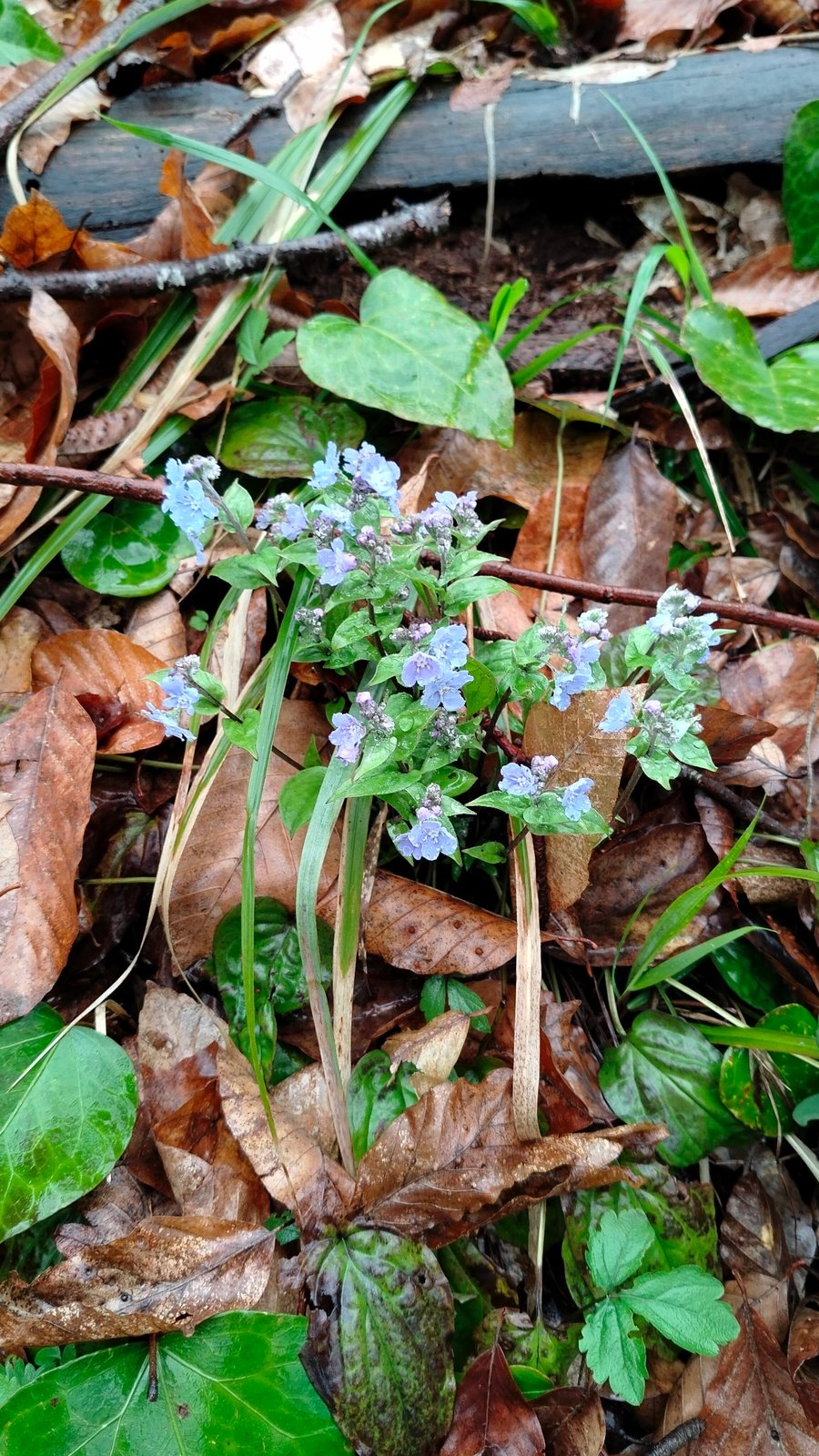
- Spring; loose sprays of small, vivid blue flowers with white eyes.
- Foliage
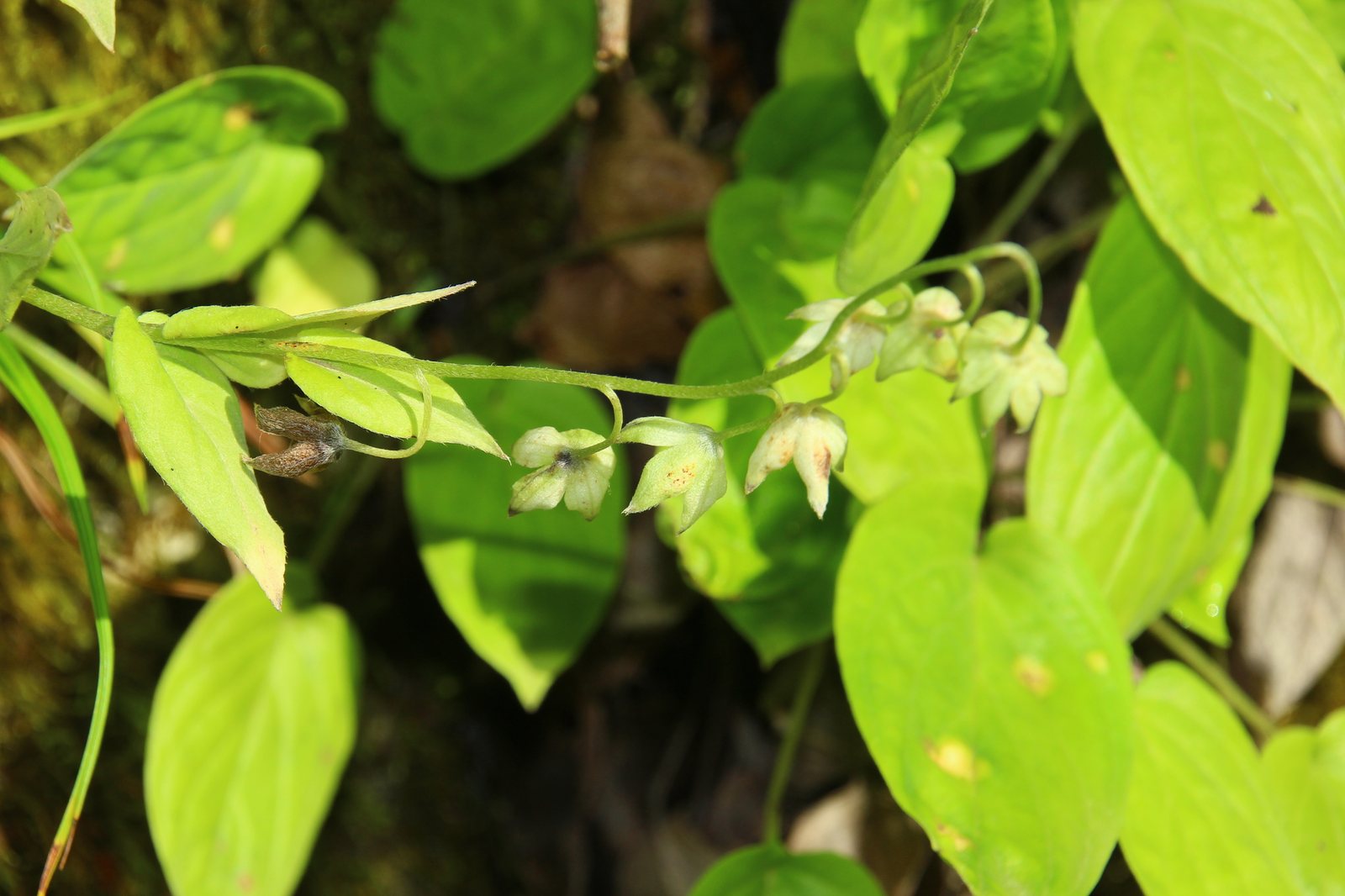
- Green, pointed oval to heart-shaped leaves. Usually evergreen in mild climates, but may lose foliage in cold winters.
- Growth
- Slow to moderate; gradually forms leafy clumps rather than rapidly running ground cover.
- Care needed
- Low
The year at a glance
- Pollinators
- Deer resistant
- Low allergen
| J | F | M | A | M | J | J | A | S | O | N | D | |
|---|---|---|---|---|---|---|---|---|---|---|---|---|
| Flowers | ||||||||||||
| Plant |
Northern hemisphere months. In Australia, shift them by six.
- Difficulty
- Easy
- Toughness
- Fairly tough
Will it suit your garden?
Pick your zone, country, light and whether you have pets.
Full sun is 6 or more hours of direct sun a day, part shade 3 to 6 hours, shade under 3.
How it grows
Planting day
0.6 ft (0.19 m)
full size
About 3 years to full size.
From a typical nursery size, at an average rate for this kind of plant. A rule of thumb, not a forecast.
Good to know
- Cats and dogs
- Safe
- Growth rate
- Moderate
Care
Jobs through the year
- WaterApr–May, Sep–Oct, every 14 days
- Water established plants if rain is insufficient to keep soil evenly moist; water young plants more often.
- WaterJun–Aug, every 7 days
- Water deeply during dry weather before roots dry out; avoid waterlogging.
- MulchMar–Apr
- Spread a thin layer of leaf mould or well-rotted compost, keeping crowns clear.
- PruneFeb–Mar
- Trim dead or winter-damaged leaves without cutting fresh growth.
- DeadheadMay–Jun
- Remove faded flower stems after flowering if they look untidy.
- DivideApr, Sep
- Divide established clumps only if crowded or more plants are wanted; keep divisions moist.
- ProtectMar–May
- Inspect young foliage for slugs and snails and hand-pick pests.
- Water regularly through the first growing season and during prolonged dry spells.
- Spread leaf mould or well-rotted compost around the plants each spring, keeping it clear of the crowns.
- Avoid heavy feeding; an annual compost mulch is usually sufficient.
- Keep the root zone cool and protect plants from drying winds and strong afternoon sun.
- Divide established clumps in spring or early autumn if you need more plants.
Pruning. Remove faded flower stems after flowering if they look untidy. Trim winter-damaged leaves in late winter or early spring without cutting into fresh growth.
Through the year
- Late winter
- Remove dead or weather-damaged leaves as new growth begins.
- Spring
- Plant in moist, humus-rich soil and water thoroughly.
- Spring
- Apply a thin mulch of leaf mould or well-rotted compost around established clumps.
- Late spring
- Remove faded flower stems after the main flowering period.
- Summer
- Water during dry spells before the soil dries out completely.
- Early autumn
- Divide crowded clumps while the soil is moist, and water divisions until established.
In the garden
- Plant in small groups beneath deciduous shrubs for blue flowers before the canopy fills out.
- Edge shaded paths with low clumps that soften the boundary without hiding the path.
- Combine with ferns, hostas and hellebores for contrasting leaf shapes in a woodland border.
- Grow among spring bulbs to provide leafy cover as the bulb foliage fades.
Garden styles it suits: Woodland, Cottage garden, English country, Secret garden, Blues and silvers and Pacific Northwest woodland.
Plant it with: Hellebores, Hostas, Epimediums, Japanese painted ferns, Snowdrops and Primroses.
Wildlife: Spring flowers provide nectar and pollen for visiting bees and other insects.
Problems to watch for
- Slugs and snails can damage young leaves; check new growth and use hand-picking, traps or labelled iron-phosphate bait where needed.
- Dry soil causes wilting and scorched leaf edges; water deeply and mulch to conserve moisture.
- Waterlogged soil can cause crown or root rot; improve drainage and keep mulch away from the crown.
- Strong sun can scorch foliage, especially in warm climates; move affected plants to dappled shade.
Safety
Not known to be toxic to people, cats, dogs or horses. Species-specific toxicity information is limited, and no part should be treated as edible.
Easily confused with
Creeping navelwort (Omphalodes verna)
Has similar blue spring flowers but spreads readily by creeping, rooting stems; O. cappadocica generally forms more contained clumps.
Siberian bugloss (Brunnera macrophylla)
Usually has much larger, rough, heart-shaped leaves and taller, more branched sprays of smaller blue flowers.
Wood forget-me-not (Myosotis sylvatica)
Usually a biennial or short-lived perennial with smaller, typically yellow-eyed flowers and narrower, hairy leaves.
The name
Omphalodes comes from the Greek for navel, referring to the depression in the nutlets, while cappadocica refers to Cappadocia in present-day Turkey.
Propagation. Divide established clumps in spring or early autumn, keeping roots and growing shoots on each division. The species can also be raised from seed, but named cultivars should be divided to retain their characteristics.
Checked against open data
- Accepted botanical name
- Omphalodes cappadocica
- Native range
- North Caucasus, Transcaucasus and Turkey.
Sources: GBIF (CC BY 4.0) and Trefle (CC BY 4.0). The care and design notes are LandscapeGPT's own.
See it in your own yard.
Upload a photo of your yard and see it redesigned with plants that suit your climate, each checked against your zone.