Nemesia
Nemesia strumosa. Family Scrophulariaceae. Annual.
Also called Cape jewels, Pouch nemesia.
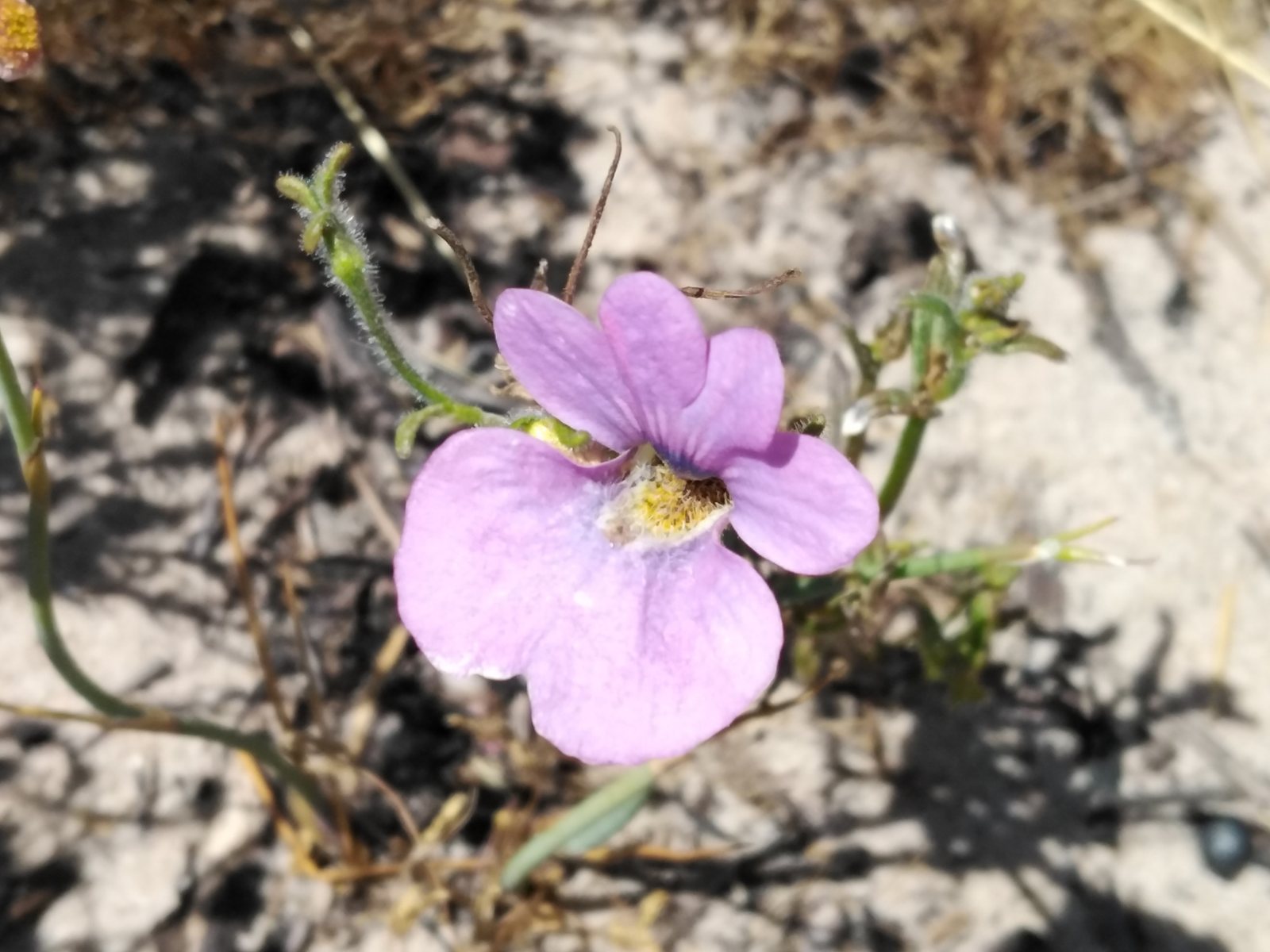
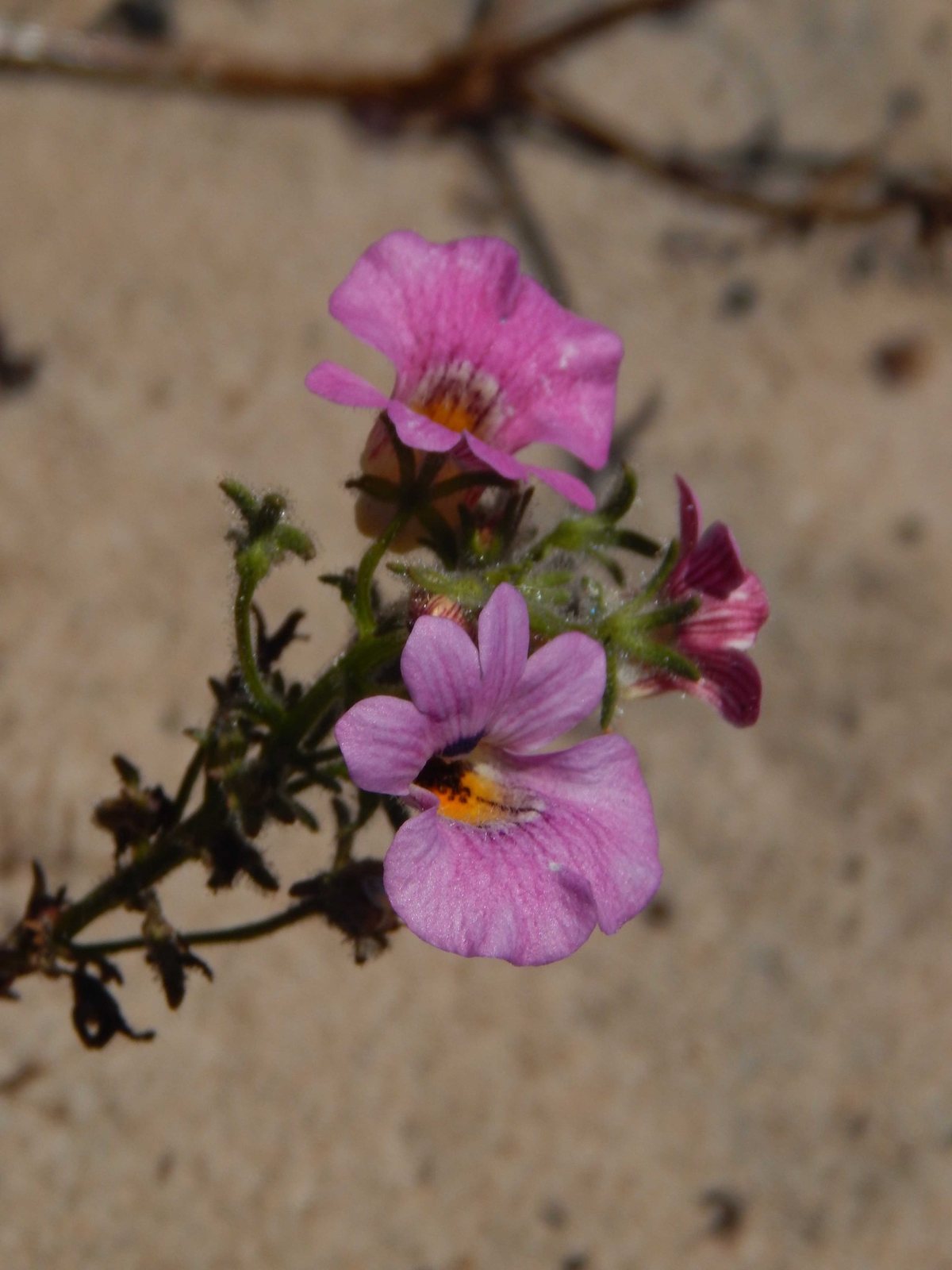
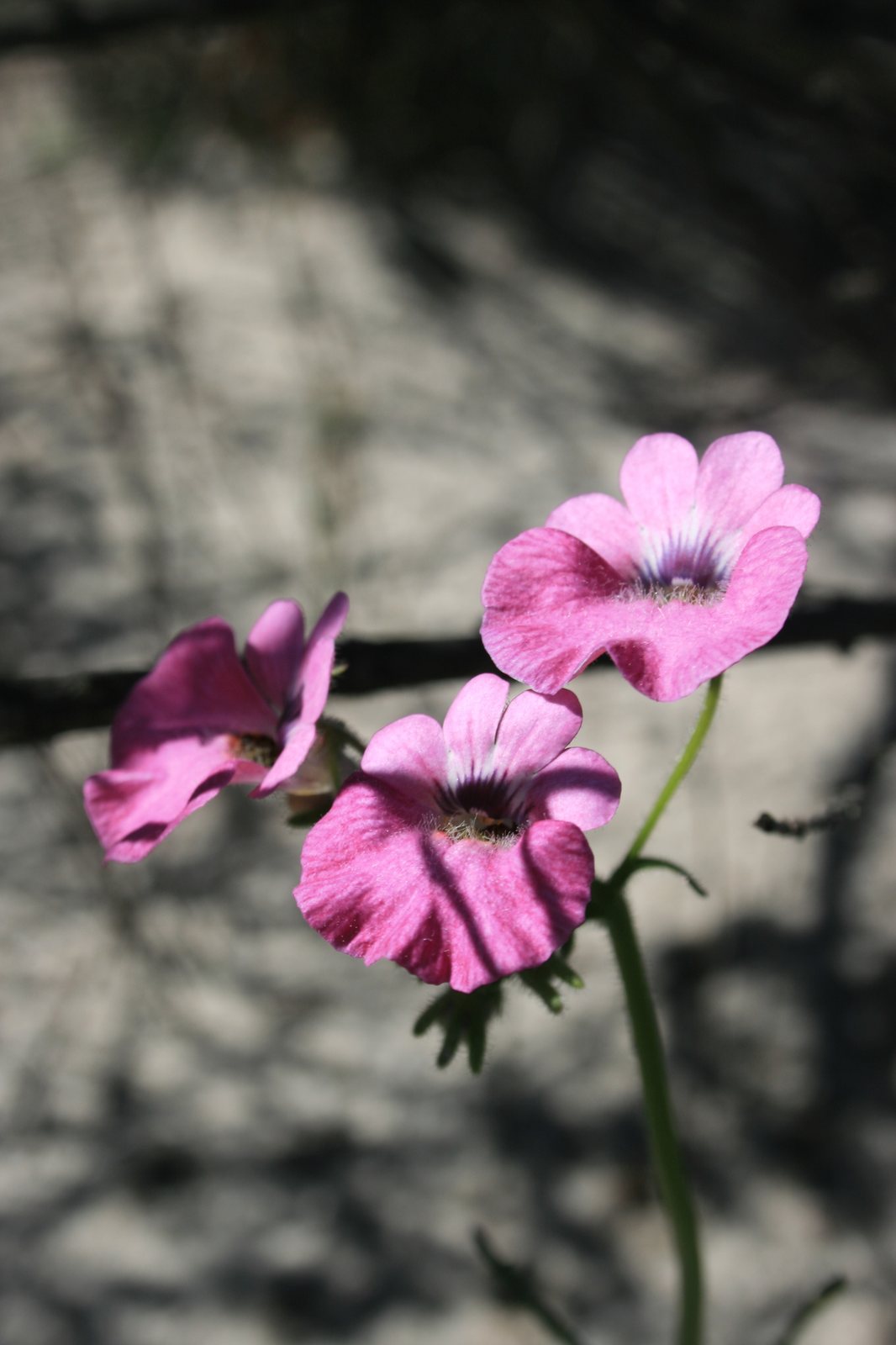
Nemesia strumosa is a compact South African plant grown as an annual for its clusters of brightly coloured, two-lipped flowers. It flowers best in cool weather and suits containers, edging and gaps at the front of borders; flowering often slows during hot summers.
At a glance
- Sun
- Full sun in cool climates; afternoon shade where summers are hot.
- Water
- Keep evenly moist but not waterlogged. Containers may need daily watering in warm, windy weather.
- Soil
- Fertile, well-drained soil that retains some moisture; use a free-draining potting mix in containers.
- Height
- 0.5-1.5 ft (0.15-0.45 m)
- Spread
- 0.5-1 ft (0.15-0.3 m)
- Flowers
- Spring to early summer, often continuing or flowering again in autumn where temperatures are mild. Seed strains include white, yellow, orange, red, pink and purple, often with contrasting markings.
- Foliage
- Small, green, lance-shaped leaves with toothed edges, carried in opposite pairs on branching stems.
- Growth
- Fast; flowers in its first growing season.
- Care needed
- Medium
The year at a glance
- Pollinators
- Low allergen
| J | F | M | A | M | J | J | A | S | O | N | D | |
|---|---|---|---|---|---|---|---|---|---|---|---|---|
| Flowers | ||||||||||||
| Plant |
Northern hemisphere months. In Australia, shift them by six.
- Difficulty
- Moderate
- Toughness
- Needs looking after
Will it suit your garden?
Pick your zone, country, light and whether you have pets.
Full sun is 6 or more hours of direct sun a day, part shade 3 to 6 hours, shade under 3.
How it grows
Planting day
0.5 ft (0.15 m)
After 1 year
1 ft (0.3 m)
full size
Full size in one season.
From a typical nursery size, at an average rate for this kind of plant. A rule of thumb, not a forecast.
Good to know
- Cats and dogs
- Safe
- Growth rate
- Fast
Care
Jobs through the year
- WaterMay, Sep–Oct, every 7 days
- Keep established ground plants evenly moist, adjusting for rain; water seedlings more often.
- WaterJun–Aug, every 3 days
- Water established ground plants before the root zone dries completely; avoid waterlogging.
- MulchMay–Jun
- Apply a thin mulch to conserve moisture, leaving stems clear.
- DeadheadMay–Jul, Sep–Oct, every 7 days
- Remove faded flower clusters while plants are flowering.
- PruneMay
- Pinch established young shoot tips to encourage branching.
- PruneJul–Aug
- After the main flush, lightly shear leggy stems back to leafy growth.
- ProtectMay–Jun
- Protect seedlings from slugs and snails.
- ProtectJul–Aug
- Provide afternoon shade during hot spells; flowering may resume in cooler weather.
- Plant out after the risk of frost has passed, spacing plants about 0.5-0.75 ft (0.15-0.23 m) apart.
- Water at soil level before the root zone dries out completely; do not leave pots standing in water.
- Feed container plants every two to four weeks with a balanced liquid fertiliser at the labelled rate.
- Apply a thin mulch around border plants to conserve moisture, keeping it clear of the stems.
- Provide afternoon shade during hot weather rather than trying to revive heat-stressed plants with extra fertiliser.
Pruning. Pinch young shoot tips to encourage branching and remove faded flower clusters regularly. After the first flush, lightly shear leggy stems back to leafy growth, then water and feed to encourage another flush in cooler weather.
Through the year
- Early spring
- Sow seed indoors about six to eight weeks before your usual last frost; cover very lightly and keep moist.
- Spring
- Pot on crowded seedlings and pinch the growing tips once plants are established.
- Late spring
- Harden plants off gradually and plant outside after frost risk has passed.
- Early summer
- Remove faded flowers, check container moisture frequently and begin regular feeding.
- Midsummer
- Trim plants after their main flush and give afternoon shade if heat is stopping flowering.
- Autumn
- Remove plants after frost. In frost-free areas with mild winters, sow or plant a fresh batch for cool-season flowers.
In the garden
- Edge paths and small beds with compact plants for a low ribbon of seasonal colour.
- Combine with sweet alyssum and lobelia in pots or window boxes for a soft, flower-filled display.
- Fill temporary gaps at the front of mixed borders while later perennials develop.
- Plant among pansies and violas for cool-season colour in mild-winter gardens.
Garden styles it suits: Cottage garden, English country, Modern courtyard, Small-space, Pastel border and Pollinator garden.
Plant it with: Sweet alyssum, Lobelia, Pansies, Violas, Calendula and Dianthus.
Wildlife: Flowers provide nectar and pollen for visiting insects, including bees. Avoid spraying open flowers with insecticides.
Problems to watch for
- Heat-related flowering failure: provide afternoon shade, maintain even moisture and trim lightly; flowering may resume when temperatures fall.
- Root or stem rot in wet soil: improve drainage, empty saucers and remove badly affected plants.
- Aphids on young shoots: wash off small colonies with water; use insecticidal soap if needed, following the label.
- Slugs and snails eating seedlings: inspect after dark, remove hiding places and protect young plants with an appropriate labelled control.
Safety
Nemesia strumosa is not known to be toxic to people, cats, dogs or horses. Species-specific information is limited, particularly for horses; no part should be treated as food.
Easily confused with
Perennial nemesia (Nemesia fruticans)
Usually has narrower leaves, smaller flowers and a persistent, somewhat woody base in frost-free conditions. Many nursery nemesias are hybrids, so a label is more dependable than flower colour alone.
Twinspur (Diascia barberae)
Its flowers have two backward-pointing spurs, unlike the single pouch-like swelling at the base of a Nemesia strumosa flower.
Moroccan toadflax (Linaria maroccana)
Has much narrower leaves and flowers with a conspicuous long, slender spur rather than a short basal pouch.
The name
The species name strumosa means swollen, referring to the pouch-like swelling at the base of the flower.
Propagation. Grow from seed, sown indoors before the last frost or directly outdoors after frost in a fine, moist seedbed. In frost-free climates, autumn sowing can provide cool-season flowers. Seed saved from mixed strains may produce different flower colours from the parent plants.
Checked against open data
- Accepted botanical name
- Nemesia strumosa
- In the US and Canada
- Introduced in Canada.
- Native range
- Cape Provinces.
Sources: GBIF (CC BY 4.0), USDA PLANTS and Trefle (CC BY 4.0). The care and design notes are LandscapeGPT's own.
See it in your own yard.
Upload a photo of your yard and see it redesigned with plants that suit your climate, each checked against your zone.