Neon sedum
Hylotelephium spectabile 'Neon'. Family Crassulaceae. Perennial.
Also called Sedum spectabile 'Neon', Neon stonecrop, Neon ice plant.
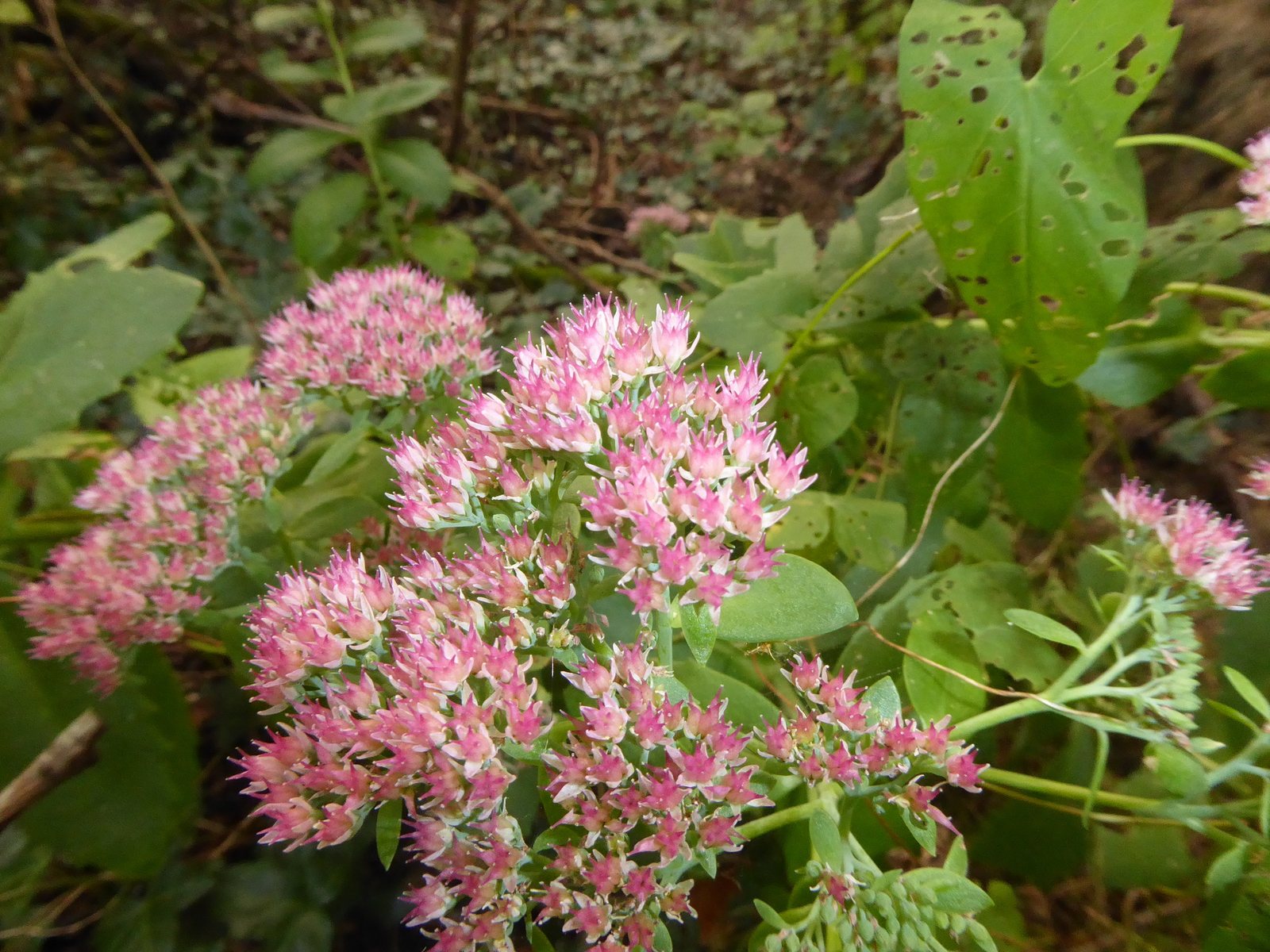
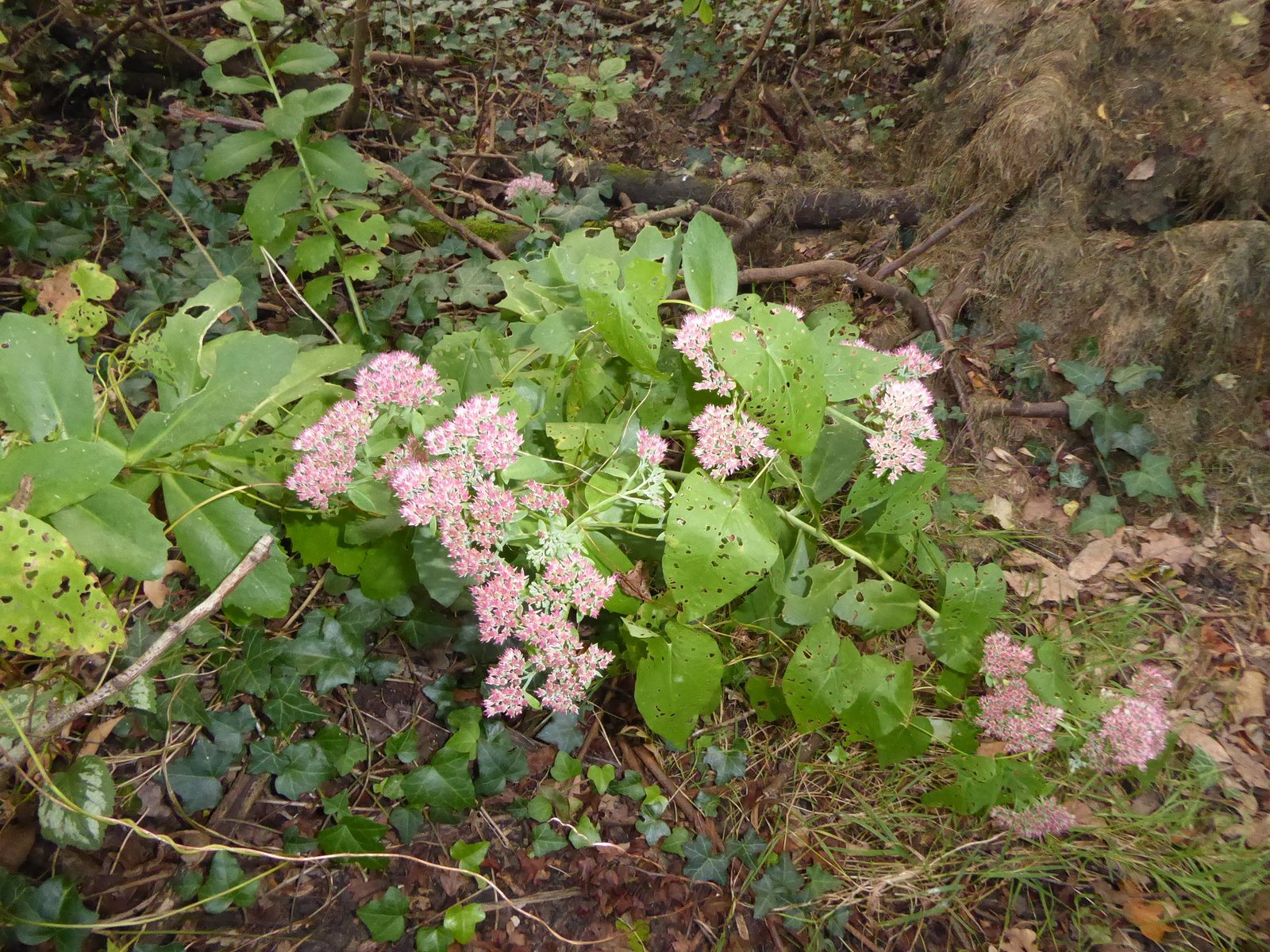
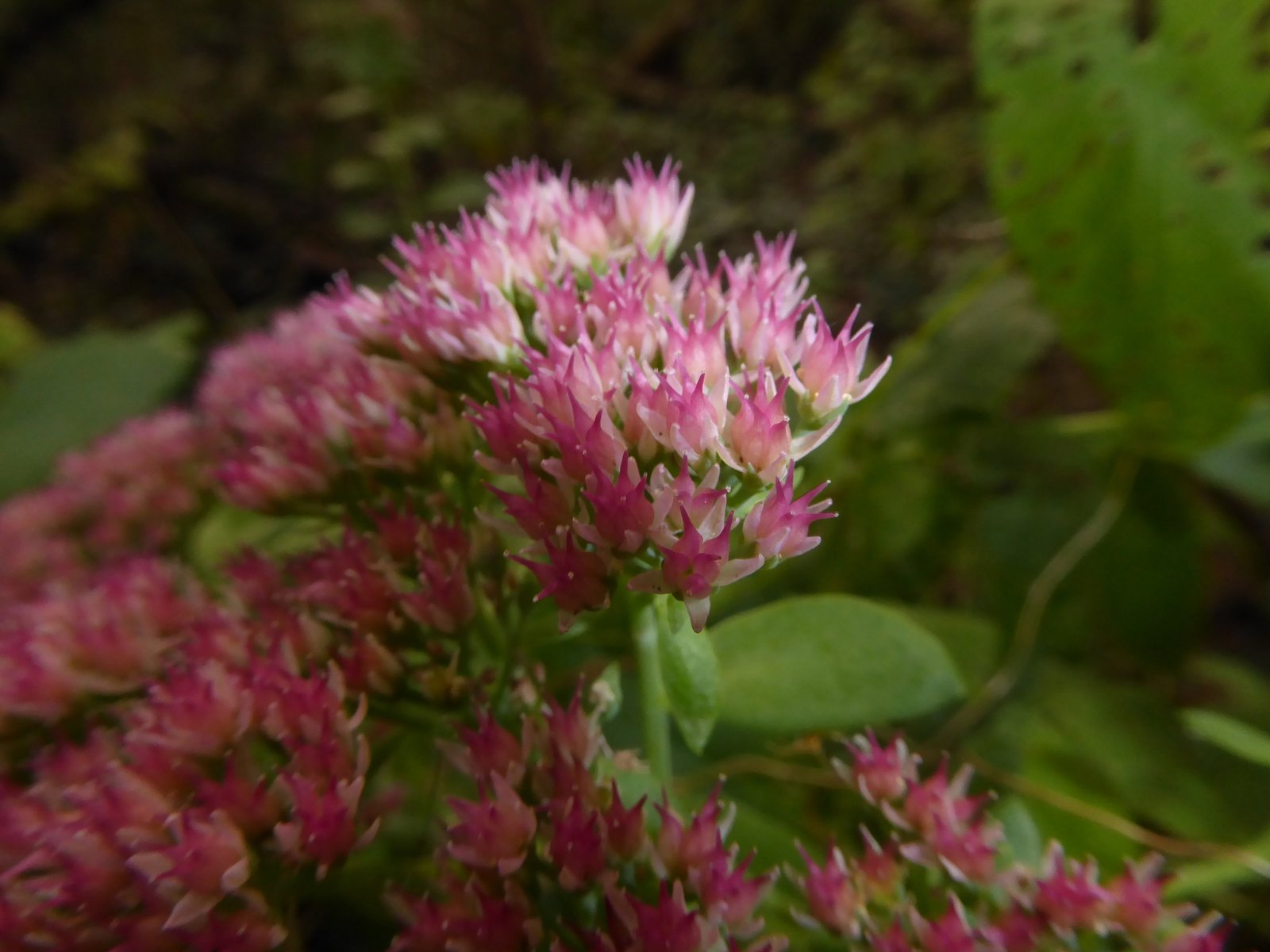
Neon sedum is a clump-forming, deciduous perennial with fleshy green leaves and broad heads of vivid pink flowers. It gives sunny borders late-season colour, attracts bees and butterflies, and leaves attractive seed heads through winter.
At a glance
- Sun
- Full sun; tolerates light shade, but stems may lean and flowering may be reduced.
- Water
- Water regularly while establishing, allowing the soil to dry between waterings. Established plants tolerate dry spells; avoid persistently wet soil.
- Soil
- Well-drained soil, preferably sandy or gravelly and of low to moderate fertility. Heavy clay needs improved drainage, especially in wet winters.
- Height
- 1.5-2 ft (0.45-0.6 m)
- Spread
- 1.5-2 ft (0.45-0.6 m)
- Flowers
- Late summer to autumn; broad, flat clusters of bright rosy-pink flowers, ageing to muted brown seed heads.
- Foliage
- Thick, oval, toothed, light to grey-green leaves on upright, fleshy stems; dies back in winter.
- Growth
- Moderate
- Care needed
- Low
The year at a glance
- Pollinators
- Drought tolerant
- Cold hardy
- Heat tolerant
- Wildlife
- Low allergen
| J | F | M | A | M | J | J | A | S | O | N | D | |
|---|---|---|---|---|---|---|---|---|---|---|---|---|
| Flowers | ||||||||||||
| Fruit | ||||||||||||
| Plant |
Northern hemisphere months. In Australia, shift them by six.
- Difficulty
- Easy
- Toughness
- Very tough
Will it suit your garden?
Pick your zone, country, light and whether you have pets.
Full sun is 6 or more hours of direct sun a day, part shade 3 to 6 hours, shade under 3.
How it grows
Planting day
1 ft (0.3 m)
After 1 year
1.2 ft (0.37 m)
After 2 years
1.5 ft (0.45 m)
After 3 years
1.7 ft (0.53 m)
full size
About 3 years to full size.
From a typical nursery size, at an average rate for this kind of plant. A rule of thumb, not a forecast.
Good to know
- Cats and dogs
- Safe
- Growth rate
- Moderate
Care
Jobs through the year
- WaterApr–May, Sep–Oct, every 28 days
- Established plants usually need no water; water only during prolonged drought when soil is dry.
- WaterJun–Aug, every 21 days
- Water established plants only during prolonged drought; water new plants more often, letting soil dry between.
- PruneFeb–Mar
- Cut old stems close to the ground before new shoots lengthen.
- PruneMay
- Optionally shorten stems by one-third for compact growth and later flowering.
- DivideMar–Apr
- Divide only when clumps become congested, develop bare centres or flower poorly.
- ProtectMar–Apr
- Inspect emerging shoots for slugs and snails and remove pests.
- ProtectJan–Feb, Oct–Dec
- Retain sound seed heads but remove rotting stems and keep the crown freely drained.
- Water new plants during dry weather in their first growing season; reduce watering once established.
- Avoid routine feeding and rich manure, which encourage weak, floppy growth.
- Keep mulch away from the crown; gravel is useful where the surface stays damp.
- Divide congested clumps in spring when the centre becomes bare or flowering declines.
- If stems repeatedly flop, improve sunlight and drainage rather than relying on permanent staking.
Pruning. Leave dry flower heads standing through winter, then cut old stems close to the ground in late winter or early spring before new shoots lengthen. For shorter plants, optionally shorten stems by about one-third in late spring; flowering will be later.
Through the year
- Late winter
- Enjoy standing seed heads, then remove old stems before new growth develops.
- Spring
- Plant or divide clumps in well-drained soil and water them in.
- Late spring
- Optionally shorten stems by one-third to encourage a more compact plant.
- Summer
- Water establishing plants during dry spells; check that pots drain freely.
- Late summer
- Leave flowers available to pollinators and check for leaning stems.
- Autumn
- Retain seed heads for winter structure and remove any rotting stems.
In the garden
- Plant in repeated groups through sunny borders for a strong band of late-season pink.
- Combine with ornamental grasses and asters for contrasting textures and autumn colour.
- Use beside paths in gravel gardens, where its rounded clumps provide structure.
- Grow in a generously sized container with drainage holes and a free-draining potting mix.
Garden styles it suits: New perennial (prairie), Cottage garden, Pollinator garden, Low-maintenance, Dry gravel garden and Winter interest.
Plant it with: Feather reed grass, Little bluestem, New England aster, Purple coneflower, Catmint and Russian sage.
Wildlife: The open flower clusters provide late-season nectar for bees, butterflies and other visiting insects. Standing stems offer some shelter for overwintering invertebrates.
Problems to watch for
- Crown or root rot in wet soil: improve drainage, reduce watering and discard badly rotted plants.
- Flopping stems in shade or rich soil: move into fuller sun, stop feeding and shorten growth in late spring if needed.
- Slugs and snails damaging young shoots: inspect emerging growth and remove pests; use labelled controls if necessary.
- Vine weevil larvae damaging roots, especially in pots: inspect failing plants and use an appropriate biological control where available.
Safety
Not known to be toxic to people, cats, dogs or horses. No part is recognised as poisonous, but it is an ornamental rather than a food plant; eating plant material may cause mild stomach upset.
Easily confused with
Brilliant sedum (Hylotelephium spectabile 'Brilliant')
Very similar in leaf and habit. 'Neon' generally has more intense rosy-pink flowers, but colour overlaps and a reliable label is the safest distinction.
Autumn Joy sedum (Hylotelephium 'Herbstfreude')
Its flowers deepen from pink to coppery or rusty red as they age, rather than providing the vivid pink display typical of 'Neon'.
The name
The species name spectabile means showy, while the cultivar name 'Neon' refers to its vivid pink flowers.
Propagation. Divide clumps in spring or take stem cuttings in late spring or early summer. These methods preserve 'Neon'; seedlings may differ from the parent.
Checked against open data
- Accepted botanical name
- Hylotelephium spectabile
- In the US and Canada
- Introduced in the lower 48 states.
- Native range
- China North-Central, China Southeast, Korea, Manchuria and Primorye.
Sources: GBIF (CC BY 4.0), USDA PLANTS and Trefle (CC BY 4.0). The care and design notes are LandscapeGPT's own.
See it in your own yard.
Upload a photo of your yard and see it redesigned with plants that suit your climate, each checked against your zone.