Nikko Blue hydrangea
Hydrangea macrophylla 'Nikko Blue'. Family Hydrangeaceae. Shrub.
Also called Hydrangea macrophylla 'Nikko Blue', Nikko Blue mophead hydrangea, Bigleaf hydrangea.
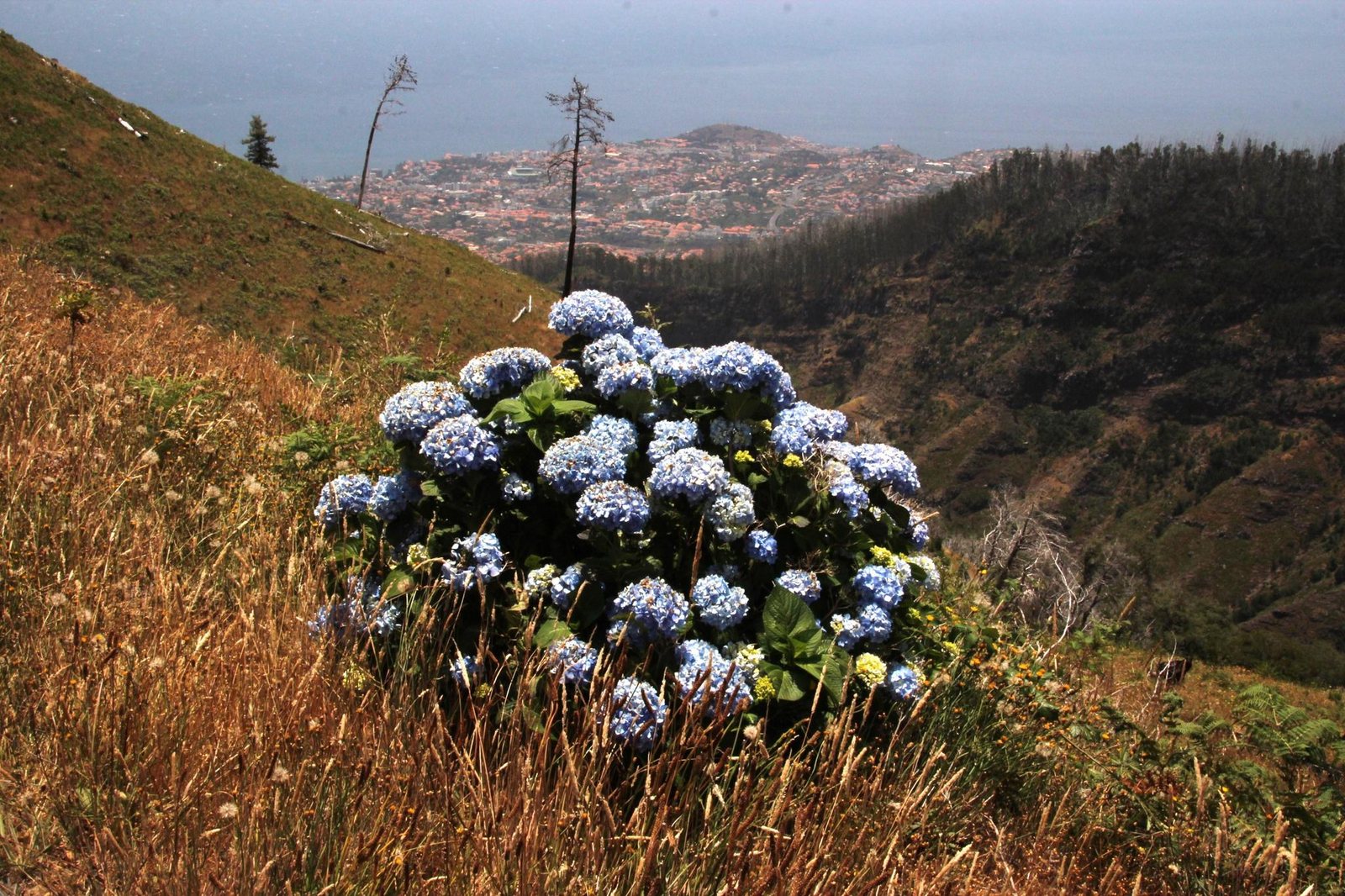
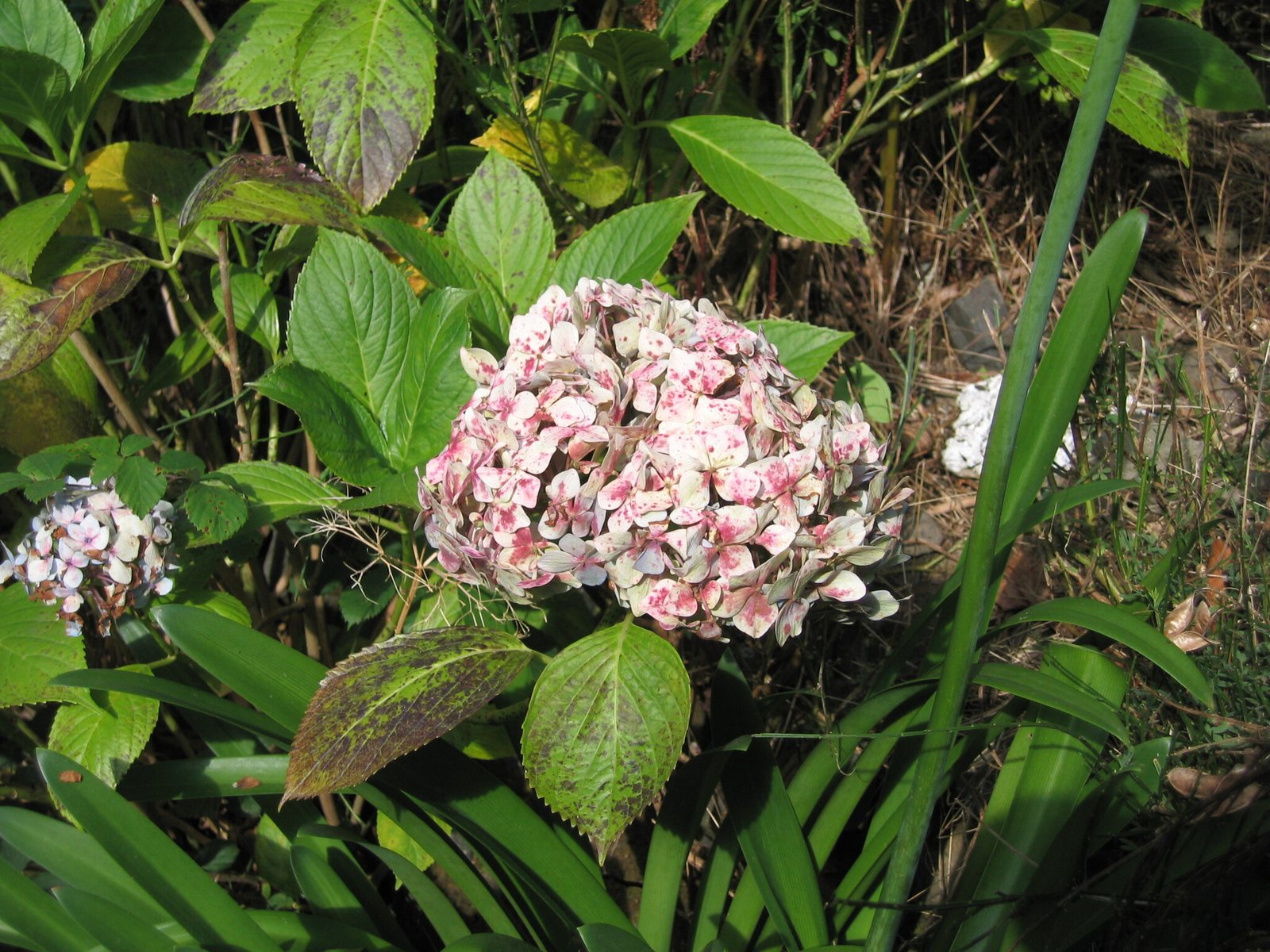
A deciduous shrub grown for large, rounded flower heads above broad green leaves. Its flowers are blue in acidic soil with available aluminium, but can turn mauve or pink in other soils. It flowers mainly on the previous year's stems, so winter damage or heavy pruning can leave it without blooms.
At a glance
- Sun
- Morning sun and afternoon shade; tolerates more sun in cool climates if the soil stays moist. Avoid hot afternoon sun and exposed, windy sites.
- Water
- Keep the root zone evenly moist, especially during establishment and summer heat. Water deeply when the upper soil starts to dry; do not leave roots waterlogged.
- Soil
- Moist, well-drained soil enriched with organic matter. Acidic soil, roughly pH 5.0-5.5, favours blue flowers where aluminium is available; neutral to alkaline soil usually produces mauve or pink flowers.
- Height
- 4-6 ft (1.2-1.8 m)
- Spread
- 4-6 ft (1.2-1.8 m)
- Flowers
- Early to late summer; large mophead clusters, usually blue in suitable acidic soil and mauve to pink in less acidic soil.
- Foliage
- Broad, toothed, medium to dark green leaves; deciduous, with usually modest autumn colour.
- Growth
- Moderate
- Care needed
- Medium
The year at a glance
- Heat tolerant
- Wildlife
- Low allergen
| J | F | M | A | M | J | J | A | S | O | N | D | |
|---|---|---|---|---|---|---|---|---|---|---|---|---|
| Flowers | ||||||||||||
| Plant |
Northern hemisphere months. In Australia, shift them by six.
- Difficulty
- Moderate
- Toughness
- Fairly tough
Will it suit your garden?
Pick your zone, country, light and whether you have pets.
Full sun is 6 or more hours of direct sun a day, part shade 3 to 6 hours, shade under 3.
How it grows
Planting day
1.6 ft (0.5 m)
After 1 year
2.3 ft (0.7 m)
After 2 years
3 ft (0.9 m)
After 3 years
4 ft (1.1 m)
After 5 years
5 ft (1.5 m)
full size
About 5 years to full size.
From a typical nursery size, at an average rate for this kind of plant. A rule of thumb, not a forecast.
Good to know
- Cats and dogs
- Toxic
- Growth rate
- Moderate
Care
Jobs through the year
- WaterJun–Aug, every 7 days
- Deeply water established plants as the upper soil dries; check young plants and hot sites more often.
- WaterApr–May, Sep–Oct, every 14 days
- Check established roots and soak dry soil; avoid watering already-wet ground.
- FeedMar–Apr
- Apply one light spring dressing of balanced shrub fertiliser.
- MulchApr
- Apply 5-8 cm of leaf mould or composted bark, clear of stems.
- PruneApr–May
- Remove old heads above healthy buds and cut out confirmed dead wood once growth appears.
- PruneJul–Aug
- If necessary, lightly shape immediately after flowering; retain healthy older wood.
- ProtectApr–May
- Cover emerging shoots with fleece when late frost is forecast.
- ProtectJan–Feb, Nov–Dec
- Maintain crown mulch and shelter older stems and flower buds from severe cold and drying winds.
- Water at soil level during dry spells, soaking the root zone rather than sprinkling the leaves.
- Apply 2-3 in (5-8 cm) of leaf mould or composted bark in spring, keeping it clear of the stems.
- Feed lightly in spring with a balanced shrub fertiliser; avoid heavy nitrogen feeding.
- Test soil pH before trying to change flower colour; use any aluminium sulphate treatment strictly according to its label.
- Protect emerging shoots from late frost with horticultural fleece, and shelter the shrub from drying winds.
Pruning. Avoid routine hard pruning: flower buds form on older stems, so make any necessary shaping cuts immediately after flowering and keep them light. In spring, remove old flower heads just above the first healthy pair of buds and cut genuinely dead stems back to living wood once growth makes them easy to identify.
Through the year
- Spring
- Remove old flower heads above healthy buds and check stems for winter damage.
- Spring
- Apply mulch and a light feed as growth begins.
- Late spring
- Cover tender new growth when late frost is forecast.
- Summer
- Check soil moisture regularly and water deeply during dry weather.
- After flowering
- Lightly shorten awkward stems only if necessary; avoid cutting back the whole shrub.
- Autumn
- Plant in mild climates while soil is moist, and leave dried flower heads in place over winter.
- Winter
- Check that mulch remains in place and avoid pruning stems carrying next season's flower buds.
In the garden
- Plant beneath high, open tree canopies with ferns and hostas for a layered, leafy border.
- Group several shrubs along a partly shaded boundary for a broad summer display.
- Use beside a sheltered entrance or terrace where the flower heads can be seen at close range.
- Combine blue-flowered plants with white astilbes and green foliage for a cool-coloured border.
Garden styles it suits: Cottage garden, Traditional, Woodland, Japanese, Blues and silvers and Hamptons.
Plant it with: Hostas, Japanese painted ferns, Astilbes, Japanese forest grass, Camellias and Rhododendrons.
Wildlife: The large showy florets are sterile, and this mophead offers relatively little accessible pollen or nectar compared with lacecap hydrangeas. Dense branches provide some shelter for small garden animals.
Problems to watch for
- Few or no flowers: winter-killed buds, late frost or pruning old stems are common causes; choose a sheltered position and prune lightly after flowering.
- Wilting and scorched leaf edges: check soil moisture and water deeply if dry; provide afternoon shade rather than repeatedly watering already-wet soil.
- Leaf spots or powdery mildew: improve airflow, water at ground level and clear fallen infected leaves.
- Yellow leaves with green veins: alkaline soil can cause iron deficiency; test the soil and consider growing in a large container of acidic potting mix if the ground is strongly alkaline.
Safety
Toxic if eaten by cats, dogs, horses or people. All parts contain cyanogenic compounds, especially leaves and flower buds; ingestion commonly causes digestive upset, while large amounts can cause more serious poisoning. Keep clippings away from livestock and seek medical or veterinary advice after ingestion.
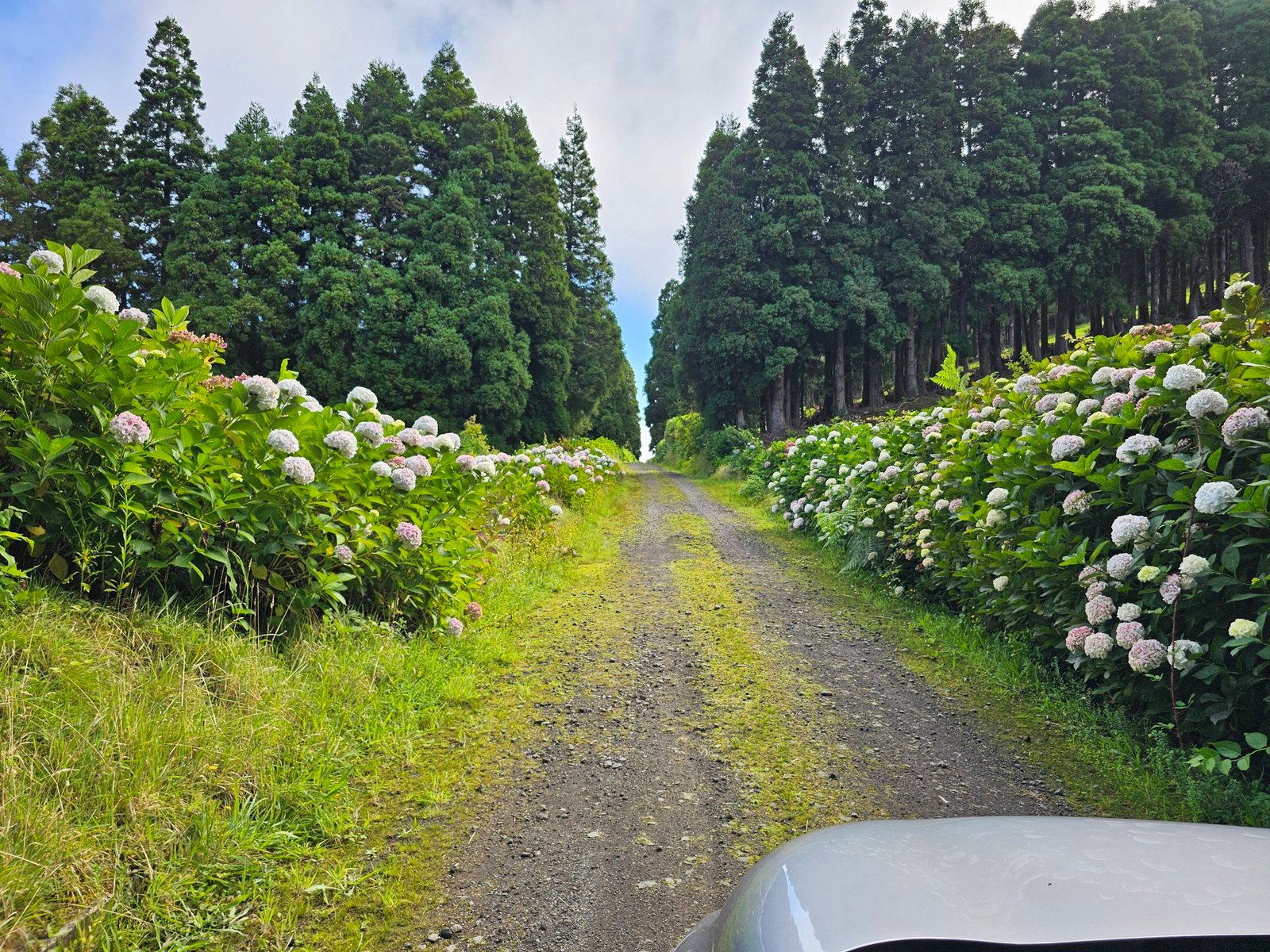
Where it spreads. Hydrangea macrophylla is invasive in the Azores, Portugal, where it can spread into moist habitats. This is a species-level concern, not a claim specific to 'Nikko Blue'; it is not generally regarded as invasive across the United States, United Kingdom, Canada or Australia.
Easily confused with
Endless Summer hydrangea (Hydrangea macrophylla 'Bailmer')
Its mophead flowers and leaves can look very similar, but it can flower on both old and new growth. Appearance alone is not a reliable way to distinguish it from 'Nikko Blue'; a trustworthy label is best.
Mountain hydrangea (Hydrangea serrata)
Usually has smaller, narrower leaves and more delicate stems, often with flat lacecap flower heads rather than large rounded mopheads.
Annabelle hydrangea (Hydrangea arborescens 'Annabelle')
Has white flower heads that do not turn blue with soil treatment, thinner leaves and flowers produced on the current season's growth.
The name
Hydrangea comes from Greek words meaning water vessel, referring to the seed capsules, while macrophylla means large-leaved.
Propagation. Take softwood cuttings in late spring or early summer, or semi-ripe cuttings later in summer, and root them in a moist, free-draining medium out of direct sun. Layering a low branch also works; seed will not reliably reproduce the cultivar.
Checked against open data
- Accepted botanical name
- Hydrangea macrophylla
- Native range
- Japan and Kazan-retto.
- Measured
- Soil pH 4.5 to 8. Average height 150 cm.
Sources: GBIF (CC BY 4.0) and Trefle (CC BY 4.0). The care and design notes are LandscapeGPT's own.
See it in your own yard.
Upload a photo of your yard and see it redesigned with plants that suit your climate, each checked against your zone.