Oca
Oxalis tuberosa. Family Oxalidaceae. Perennial.
Also called New Zealand yam, Uqa.
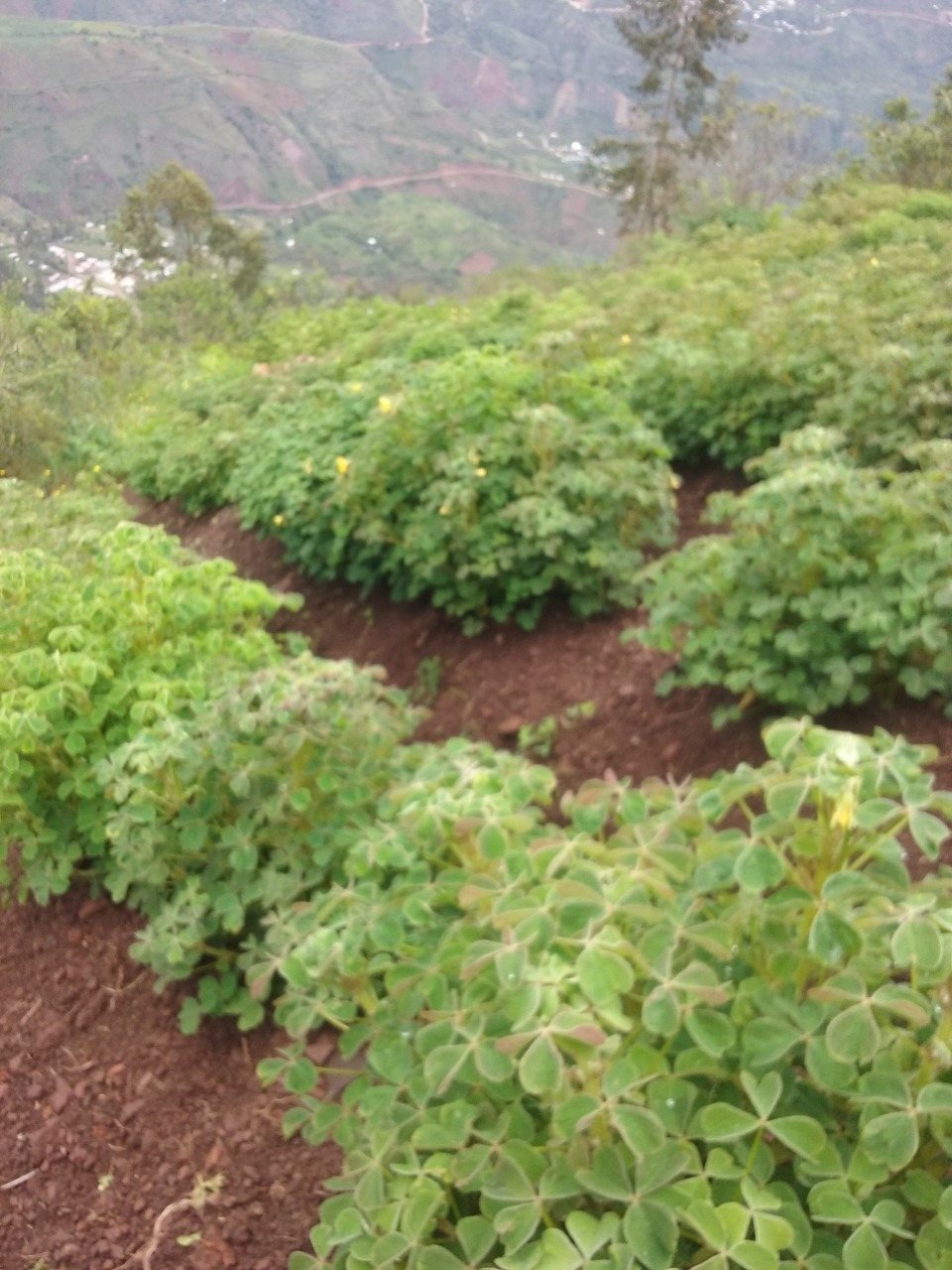
Oca is an Andean tuber crop with clover-like leaves and small, knobbly tubers that can taste lemony or mild. It is a tender perennial, usually grown as an annual for food, and needs a long growing season because most varieties form tubers only as autumn days shorten. Early autumn frosts can sharply reduce the crop.
At a glance
- Sun
- Full sun in cool climates; light afternoon shade where summers are hot.
- Water
- Keep evenly moist but not waterlogged, especially during autumn tuber formation.
- Soil
- Loose, fertile, well-drained soil, preferably slightly acidic. Avoid compacted ground and sites that stay wet in winter.
- Height
- 1-1.5 ft (0.3-0.45 m)
- Spread
- 2-3 ft (0.6-0.9 m)
- Flowers
- Small yellow flowers in summer or autumn; flowering is often sparse or absent.
- Foliage
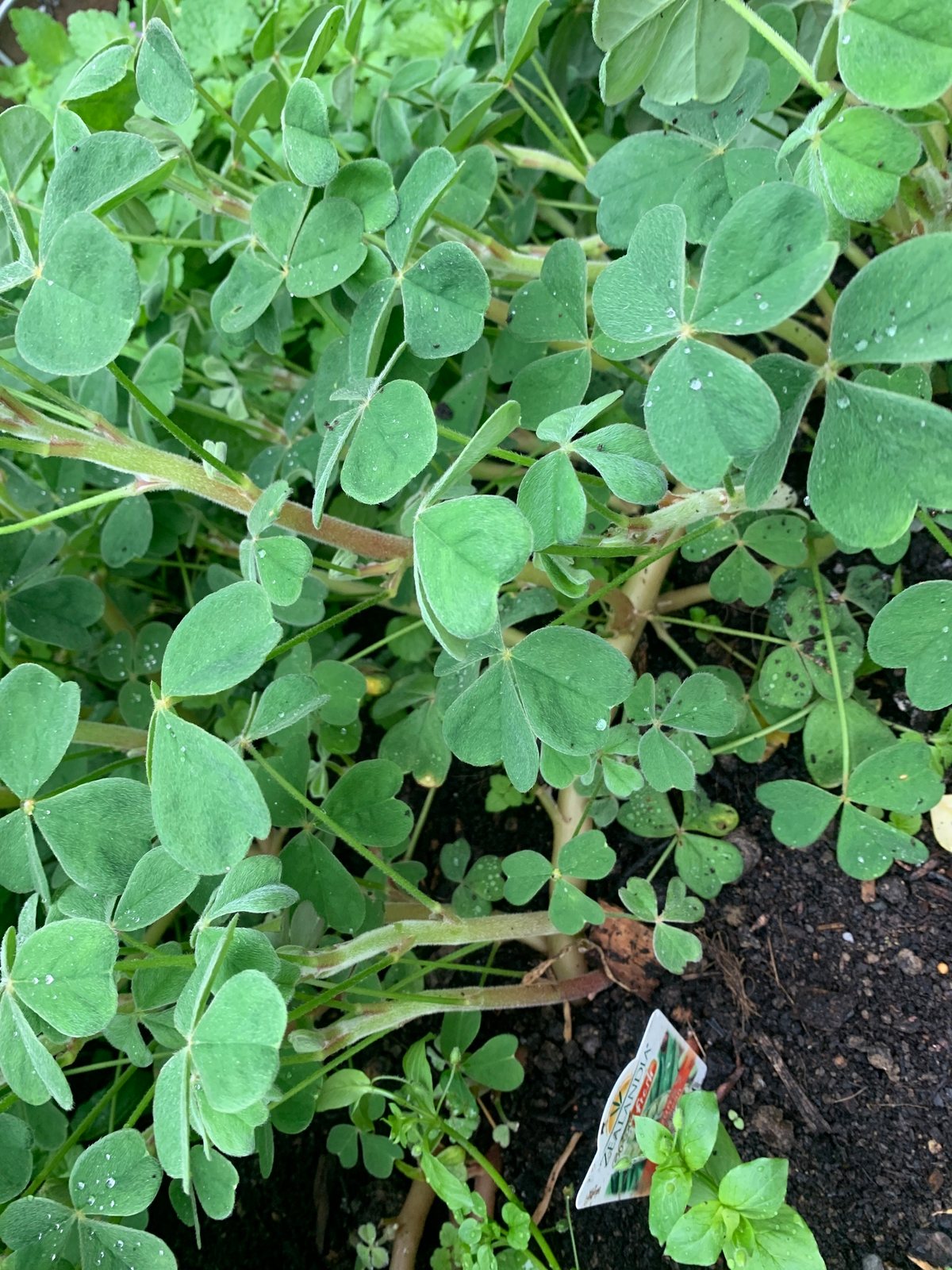
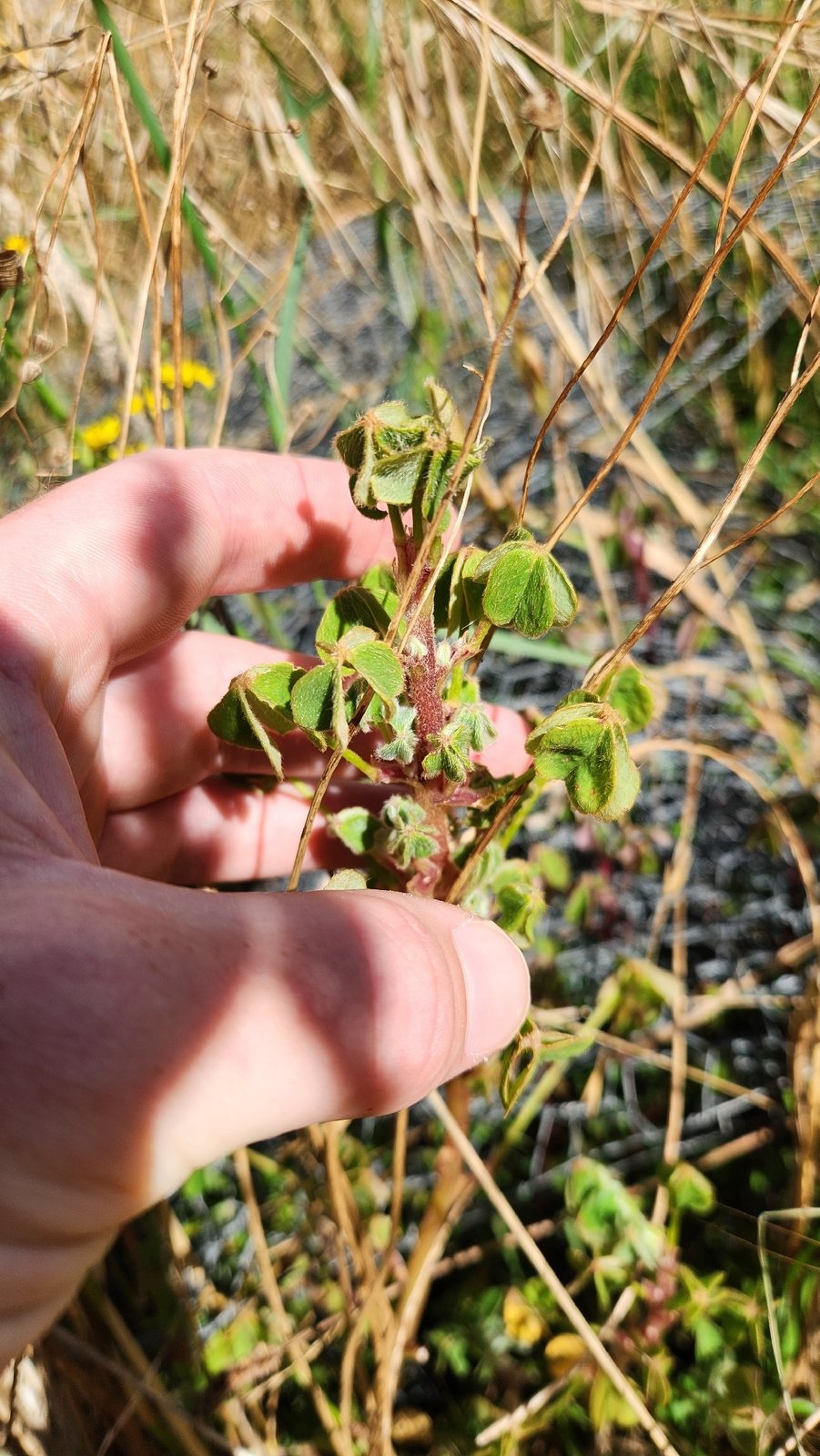
- Soft, fleshy stems bearing three heart-shaped leaflets; foliage is usually green, sometimes with purple colouring.
- Growth
- Moderate at first, becoming vigorous in summer.
- Care needed
- Medium
The year at a glance
- Low allergen
- Edible
| J | F | M | A | M | J | J | A | S | O | N | D | |
|---|---|---|---|---|---|---|---|---|---|---|---|---|
| Flowers | ||||||||||||
| Fruit | ||||||||||||
| Plant |
Northern hemisphere months. In Australia, shift them by six.
- Difficulty
- Moderate
- Toughness
- Fairly tough
Will it suit your garden?
Pick your zone, country, light and whether you have pets.
Full sun is 6 or more hours of direct sun a day, part shade 3 to 6 hours, shade under 3.
How it grows
Planting day
1 ft (0.3 m)
After 1 year
1.1 ft (0.33 m)
After 2 years
1.2 ft (0.36 m)
After 3 years
1.2 ft (0.38 m)
full size
About 2 years to full size.
From a typical nursery size, at an average rate for this kind of plant. A rule of thumb, not a forecast.
Good to know
- Cats and dogs
- Toxic
- Growth rate
- Fast
Care
Jobs through the year
- WaterMay–Jun, every 7 days
- Water in-ground plants if soil is drying; newly planted tubers need steady moisture.
- WaterJul–Aug, every 5 days
- Water deeply during dry weather, keeping soil moist but not saturated.
- WaterSep–Nov, every 7 days
- Maintain even moisture during tuber swelling; skip watering when rain keeps soil moist.
- FeedMay
- Work compost into the bed before planting; avoid heavy nitrogen feeding.
- MulchJun
- Mulch warmed soil to conserve moisture and cover shallow tubers.
- ProtectSep–Nov
- Cover foliage with fleece during light frosts to extend autumn tuber growth.
- PruneNov–Dec
- Remove frost-killed stems immediately before lifting; leave healthy foliage intact.
- HarvestNov–Dec
- Lift after tops die back but before soil freezes; sweeten tubers in daylight somewhere frost-free.
- ProtectJan–Apr, Nov–Dec
- Store planting tubers cool, frost-free and ventilated; discard any showing rot.
- Plant sound tubers 2-3 in (5-8 cm) deep and 12-18 in (30-45 cm) apart after frost danger has passed.
- Work compost into the soil before planting; avoid heavy nitrogen feeding, which encourages excessive leafy growth.
- Water during dry spells and maintain steady moisture as tubers swell in autumn.
- Mulch to conserve moisture and protect shallow tubers from light frost.
- Use horticultural fleece over the foliage during early autumn frosts to extend tuber growth.
- In cold or wet-winter climates, lift the crop and store planting tubers somewhere cool, frost-free and ventilated.
Pruning. Do not routinely trim healthy foliage, which feeds the developing tubers. Remove dead stems after frost has killed the tops, just before lifting the crop.
Harvest
Lift the tubers in late autumn or early winter after the foliage has died back, but before the soil freezes or becomes persistently waterlogged. If the ground remains unfrozen, waiting a week or two after the first light frost can allow more tuber swelling; loosen the soil with a fork and gather even small tubers. Exposure to daylight for several days in a dry, frost-free place can sweeten the harvested tubers.
Through the year
- Late winter
- Check stored planting tubers and discard any that are soft, mouldy or rotting.
- Early spring
- In short-season climates, start tubers in pots under cover in a bright, frost-free place.
- Late spring
- Harden off potted plants and plant outside after the last frost.
- Summer
- Water in dry weather, weed around young plants and mulch once the soil has warmed.
- Early autumn
- Keep plants watered and protect foliage from light frost while tubers begin swelling.
- Late autumn
- Lift after the tops die back, before frozen or saturated soil damages the tubers; select sound tubers for replanting.
In the garden
- Use in a dedicated kitchen-garden bed where its spreading stems can fill the space through summer.
- Plant along a sunny edible border for a low mound of clover-like foliage.
- Grow in large containers on a patio where autumn frost protection and harvesting are easier.
- Follow an early crop of radishes or lettuce with oca, allowing room for its later spread.
Garden styles it suits: Potager (kitchen garden), Edible landscape, Homestead, Cottage garden and Small-space.
Plant it with: Lettuce, Radishes, Spring onions and Calendula.
Wildlife: Flowers, when produced, can provide nectar and pollen for visiting insects. Oca is not a dependable flowering plant for a pollinator border.
Problems to watch for
- Little or no tuber crop: short autumn days trigger tuber formation, so early frost can stop growth too soon; start plants under cover and protect foliage in autumn.
- Slugs and snails: protect emerging shoots with barriers, hand-picking or locally approved iron phosphate bait.
- Aphids: inspect soft shoot tips and wash colonies off with water; avoid unnecessary insecticide use.
- Tuber rot: improve drainage, avoid saturated soil and store only sound, dry-surfaced tubers in a ventilated, frost-free place.
Safety
Oca contains soluble oxalates, particularly in its leaves and stems. Cats, dogs and horses should not eat it: substantial ingestion can cause serious poisoning, including kidney damage. The tubers are an established human food, but their oxalate content varies; boiling and discarding the water reduces soluble oxalates. People with kidney disease or a history of calcium oxalate stones should seek medical advice before eating it, and leaves should not be eaten in quantity.
Easily confused with
Pink wood sorrel (Oxalis debilis)
It has similar three-part leaves but usually conspicuous pink flowers and clusters of small bulbs rather than oca's elongated, knobbly edible tubers.
Bermuda buttercup (Oxalis pes-caprae)
It also has yellow flowers, but its leaves arise mainly from a basal clump and it grows from bulbs and bulbils rather than oca's swollen stem tubers.
White clover (Trifolium repens)
Its rounded leaflets often carry pale chevron markings, and its white flowers form rounded heads. Oca has distinctly heart-shaped leaflets and individual yellow flowers.
The name
Oca comes from the Quechua name uqa; Oxalis refers to the sour taste associated with the genus, and tuberosa means tuber-bearing.
Propagation. Save healthy tubers and replant in spring, either directly after frost or first in pots under cover. Small tubers left in the soil may regrow where winters are mild; seed is uncommon and does not reliably reproduce the parent plant.
Checked against open data
- Accepted botanical name
- Oxalis tuberosa
- Native range
- Argentina Northwest, Bolivia, Colombia, Ecuador and Peru.
Sources: GBIF (CC BY 4.0) and Trefle (CC BY 4.0). The care and design notes are LandscapeGPT's own.
See it in your own yard.
Upload a photo of your yard and see it redesigned with plants that suit your climate, each checked against your zone.