October Glory red maple
Acer rubrum 'October Glory'. Family Sapindaceae. Tree.
Also called Acer rubrum 'October Glory', October Glory maple.
A large deciduous shade tree grown for its rounded crown and late orange-red to crimson autumn foliage. Colour is usually strongest in sunny positions with adequate moisture, though timing and intensity vary with climate. The species has a broad hardiness range, but 'October Glory' is less dependable in zone 3 than locally adapted red maples.
At a glance
- Sun
- Full sun to partial shade; best autumn colour in full sun.
- Water
- Moderate to high; prefers evenly moist soil and needs deep watering during establishment and prolonged dry spells.
- Soil
- Moist, acidic, well-drained soil; tolerates clay and occasional flooding once established. Avoid alkaline soil and very dry, compacted sites.
- Height
- 40-50 ft (12-15 m)
- Spread
- 25-35 ft (7.6-10.7 m)
- Flowers
- Small red flower clusters in late winter or early spring, before the leaves.
- Foliage
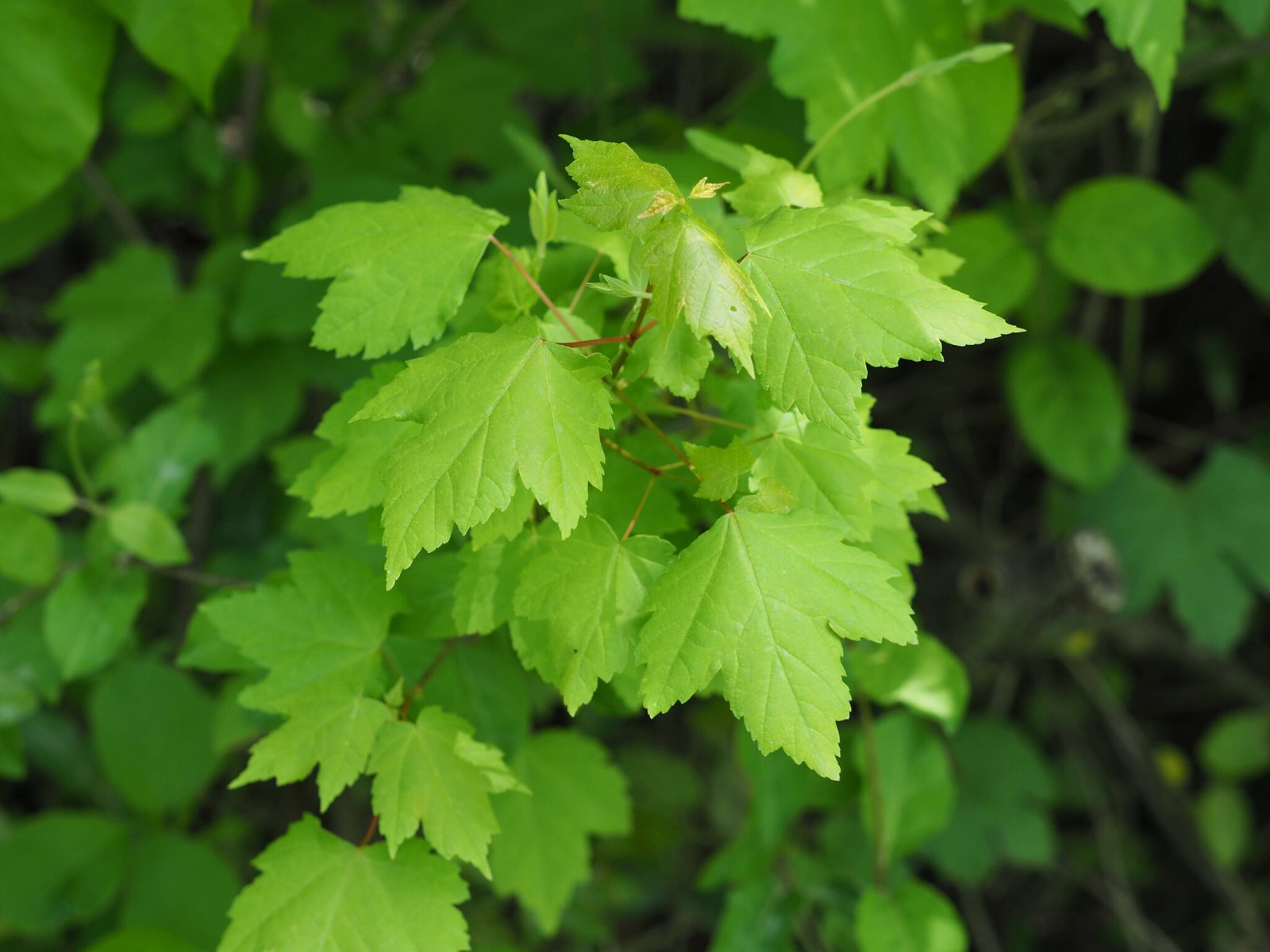
- Green, usually three- to five-lobed leaves with pale undersides; turns orange-red to deep crimson relatively late in autumn.
- Growth
- Moderate to fast, often 1-2 ft (0.3-0.6 m) a year when young and well supplied with water.
- Care needed
- Medium
The year at a glance
- Pollinators
- Cold hardy
- Heat tolerant
- Wildlife
| J | F | M | A | M | J | J | A | S | O | N | D | |
|---|---|---|---|---|---|---|---|---|---|---|---|---|
| Flowers | ||||||||||||
| Fruit | ||||||||||||
| Plant |
Northern hemisphere months. In Australia, shift them by six.
- Difficulty
- Moderate
- Toughness
- Fairly tough
Will it suit your garden?
Pick your zone, country, light and whether you have pets.
Full sun is 6 or more hours of direct sun a day, part shade 3 to 6 hours, shade under 3.
How it grows
Planting day
7 ft (2 m)
After 1 year
9 ft (2.7 m)
After 2 years
11 ft (3.4 m)
After 3 years
14 ft (4.2 m)
After 5 years
18 ft (5.6 m)
About 16 years to full size.
From a typical nursery size, at an average rate for this kind of plant. A rule of thumb, not a forecast.
Good to know
- Cats and dogs
- Safe
- Native to
- the US and Canada
- Growth rate
- Fast
Care
Jobs through the year
- WaterApr–May, Sep–Oct, every 14 days
- Water established trees deeply if rainfall is insufficient and soil is drying; young trees need more frequent checks.
- WaterJun–Aug, every 7 days
- Water established trees deeply during dry spells; keep young trees evenly moist for their first three summers.
- MulchMar–Apr
- Maintain a broad 5–8 cm mulch layer without covering the trunk or root flare.
- PruneJul
- Prune lightly to retain one leader and remove crossing or damaged branches; refer large cuts to an arborist.
- Plant with the root flare visible at soil level, leaving room for the mature crown and shallow roots away from paving.
- Water deeply through the root zone during dry weather for the first two to three growing seasons; check soil moisture before watering again.
- Maintain a 2-3 in (5-8 cm) mulch layer over the root zone, keeping it clear of the trunk.
- Do not routinely feed established trees; use a soil test before applying fertiliser or attempting to correct yellow leaves.
- Stake only if the root ball moves in the wind, and remove supports after the first growing season.
Pruning. Prune lightly in midsummer to remove dead, damaged or crossing branches, retaining one main leader while the tree is young. Avoid topping and large cuts; use a qualified arborist for substantial work.
Through the year
- Autumn
- Plant while the soil is workable and moist; in very cold regions, postpone planting until spring.
- Late winter
- Check young trees for rubbing ties, trunk damage and competing leaders.
- Spring
- Renew mulch without covering the root flare, and check that water reaches the original root ball.
- Early summer
- Check new leaves for yellowing between green veins, particularly on alkaline soil.
- Midsummer
- Carry out light formative pruning if needed.
- Summer
- Water deeply during extended dry spells and keep lawn equipment away from the trunk.
In the garden
- Use as a specimen in a large lawn where its rounded crown and autumn colour can be seen from the house.
- Plant on the sunny side of a house for summer shade, allowing ample clearance from buildings and services.
- Place near a pond or rain-garden margin where soil stays moist without permanently submerging the root flare.
- Combine with woodland-edge shrubs and spring flowers for layered planting beneath and around the outer crown.
Garden styles it suits: Traditional, Woodland, Autumn colour, Grand estate, New England and Wildlife garden.
Plant it with: Virginia sweetspire, Summersweet, Oakleaf hydrangea, Christmas fern, Foamflower and Pennsylvania sedge.
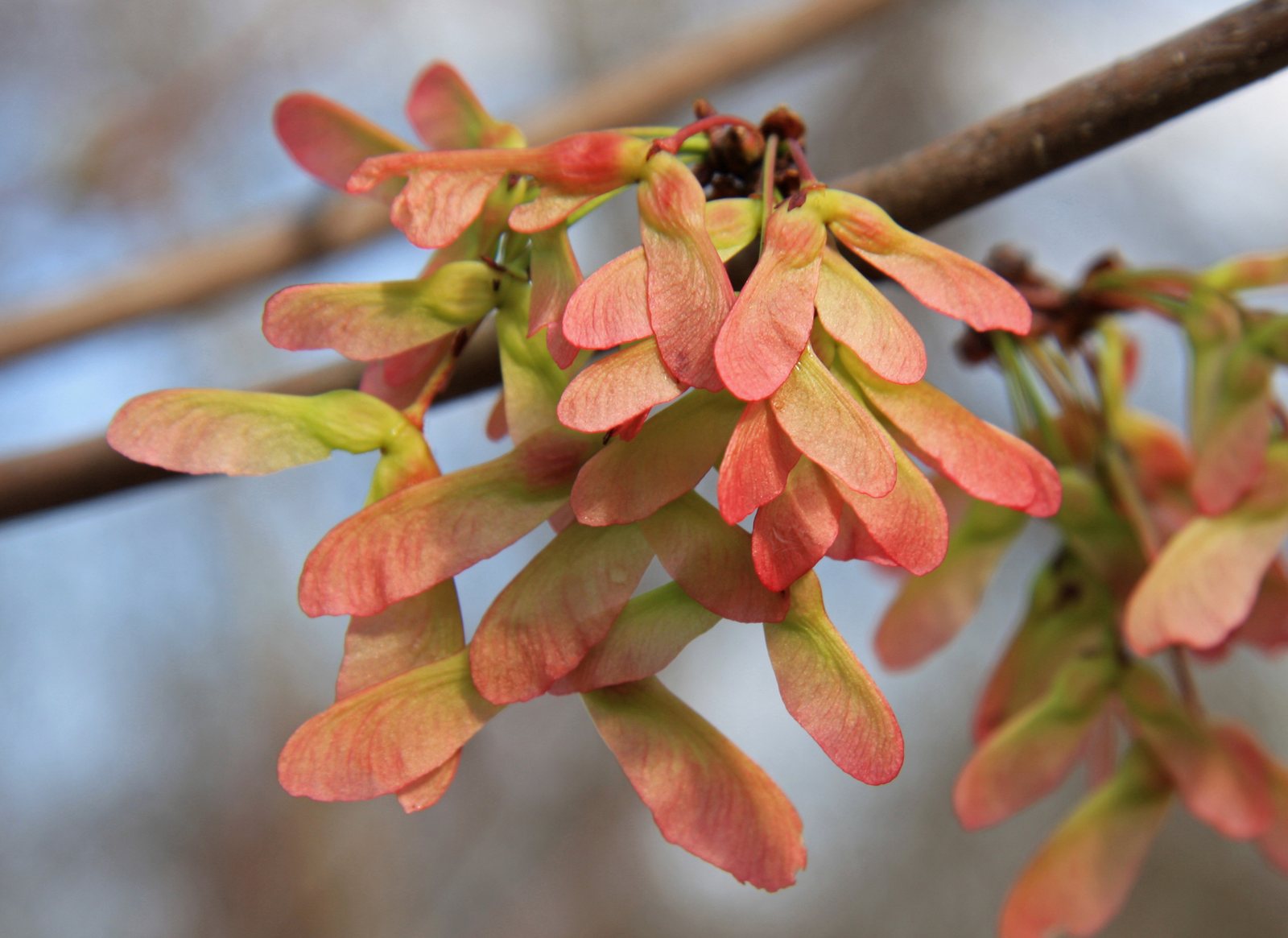
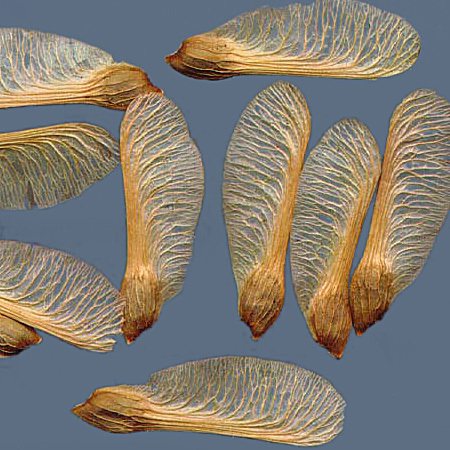
Wildlife: Early flowers provide pollen and nectar for insects. Seeds feed birds and small mammals, and the foliage supports moth caterpillars; the mature crown offers nesting cover.
Problems to watch for
- Iron or manganese chlorosis: yellow leaves with greener veins often indicate unsuitable alkaline soil. Test the soil; seek advice on targeted treatment, and consider replacement if the site cannot support an acid-loving tree.
- Drought scorch: brown leaf edges and early leaf fall can follow heat and dry soil. Water deeply, widen the mulched area and reduce competition from turf.
- Verticillium wilt: sudden branch wilt or dieback needs professional diagnosis. Remove dead wood, reduce water stress and avoid replanting a susceptible tree in affected soil.
- Scale insects: bumps on twigs, sticky honeydew or sooty mould can indicate an infestation. Identify the scale before treatment; use horticultural oil at the appropriate stage and avoid spraying during heat or drought stress.
Safety
Red maple leaves, especially wilted or dried fallen leaves, are highly toxic to horses and can cause fatal destruction of red blood cells. Keep the tree and fallen leaves away from paddocks, hay and drinking water. It is not known to be toxic to cats, dogs or people through ordinary garden contact, but the leaves are not food.
Easily confused with
Autumn Blaze Freeman maple (Acer × freemanii 'Jeffersred')
Usually has more deeply cut, five-lobed leaves, reflecting its silver maple parentage. Autumn colour alone is not a reliable way to distinguish the cultivars.
Sugar maple (Acer saccharum)
Leaves usually have five lobes with smoother margins and rounded U-shaped notches; red maple has more toothed margins and sharper V-shaped notches.
Other red maple cultivars (Acer rubrum)
Many look very similar in leaf. 'October Glory' tends to colour late and develop a rounded crown, but a nursery label or documented planting history is needed for confident identification.
The name
Rubrum means red, referring to the tree's red flowers, buds and other reddish parts, while 'October Glory' refers to its autumn display in the Northern Hemisphere.
Propagation. Named trees are generally propagated commercially by budding, grafting or specialist softwood cuttings. Seedlings will not reliably retain the characteristics of 'October Glory'; buy a labelled, vegetatively propagated tree.
Checked against open data
- Accepted botanical name
- Acer rubrum
- In the US and Canada
- Native in Canada and the lower 48 states.
- Native range
- Alabama, Arkansas, Delaware, Florida, Georgia, Illinois, Indiana, Kentucky, Maryland, Minnesota, New Jersey and New Mexico.
- Measured
- Soil pH 4.7 to 7.3. Average height 1500 cm.
Sources: GBIF (CC BY 4.0), USDA PLANTS and Trefle (CC BY 4.0). The care and design notes are LandscapeGPT's own.
See it in your own yard.
Upload a photo of your yard and see it redesigned with plants that suit your climate, each checked against your zone.