Olivia Rose Austin rose
Rosa 'Ausmixture'. Family Rosaceae. Shrub.
Also called Rosa 'Ausmixture', Olivia Rose Austin English shrub rose.
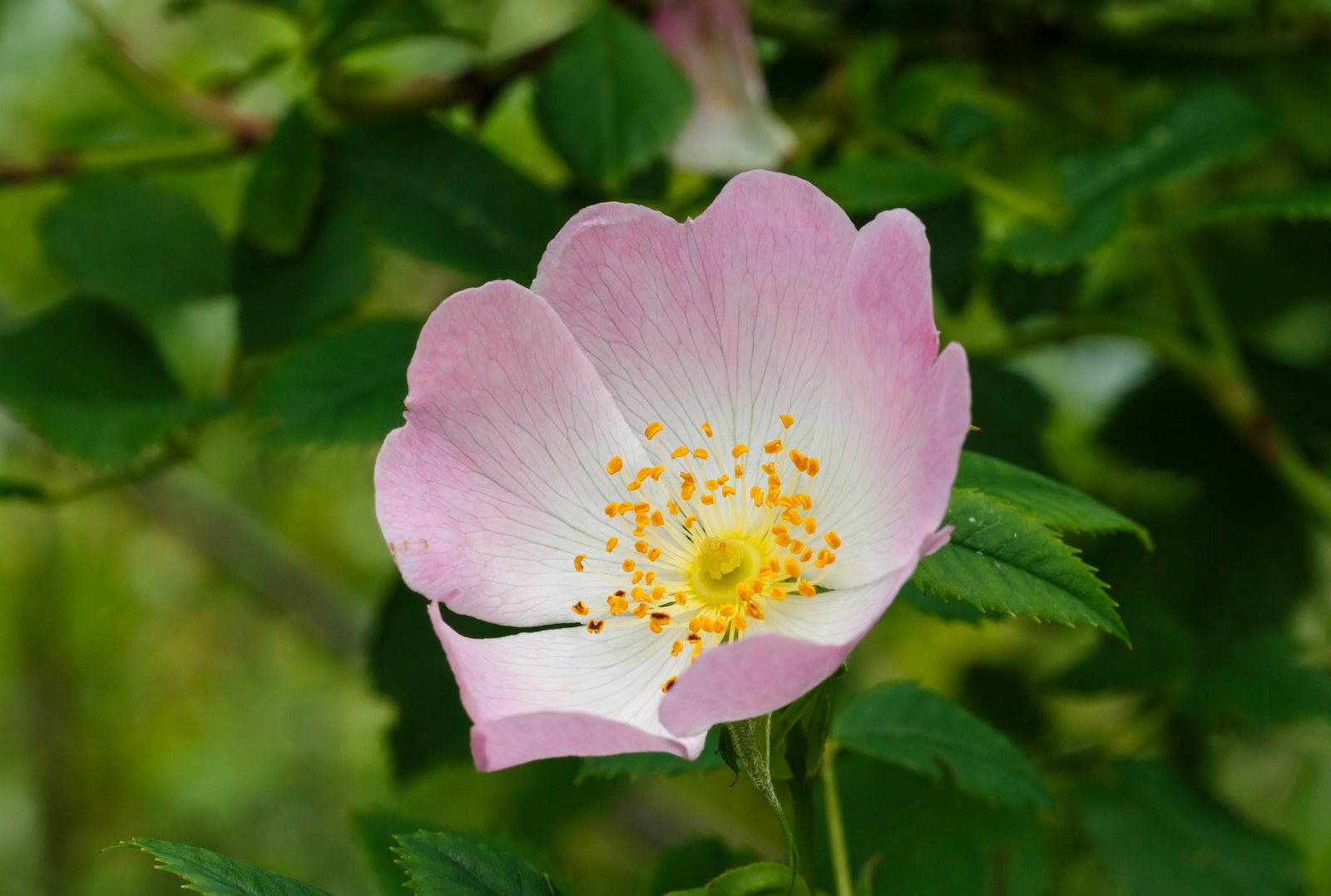
Olivia Rose Austin is a repeat-flowering English shrub rose with soft pink, densely petalled rosettes and a fruity fragrance. Gardeners grow it for its long flowering season, rounded shape and generally good disease resistance, though it can still develop rose diseases.
At a glance
- Sun
- Full sun is best, with at least 6 hours of direct light daily; light afternoon shade helps in very hot climates.
- Water
- Water deeply during establishment and dry spells, keeping the root zone moist but not waterlogged. Container plants need more frequent watering.
- Soil
- Fertile, well-drained soil enriched with compost; slightly acidic to neutral soil is ideal, but it tolerates some alkalinity.
- Height
- 3-4 ft (0.9-1.2 m), sometimes taller in warm climates
- Spread
- 3-4 ft (0.9-1.2 m)
- Flowers
- Soft pink, fragrant rosette flowers in repeated flushes from late spring or early summer into autumn.
- Foliage
- Glossy green, compound leaves with toothed leaflets; normally deciduous, though some leaves may persist in mild winters.
- Growth
- Moderate
- Care needed
- Medium
The year at a glance
- Heat tolerant
- Disease resistant
- Wildlife
- Low allergen
- Fragrant
| J | F | M | A | M | J | J | A | S | O | N | D | |
|---|---|---|---|---|---|---|---|---|---|---|---|---|
| Flowers | ||||||||||||
| Plant |
Northern hemisphere months. In Australia, shift them by six.
- Difficulty
- Moderate
- Toughness
- Fairly tough
Will it suit your garden?
Pick your zone, country, light and whether you have pets.
Full sun is 6 or more hours of direct sun a day, part shade 3 to 6 hours, shade under 3.
How it grows
Planting day
1.6 ft (0.5 m)
After 1 year
2 ft (0.61 m)
After 2 years
2.4 ft (0.72 m)
After 3 years
2.7 ft (0.83 m)
After 5 years
3 ft (1.1 m)
full size
About 5 years to full size.
From a typical nursery size, at an average rate for this kind of plant. A rule of thumb, not a forecast.
Good to know
- Cats and dogs
- Safe
- Growth rate
- Moderate
Care
Jobs through the year
- WaterApr–May, Sep–Oct, every 14 days
- Water established plants deeply at soil level when dry; newly planted roses need more frequent watering.
- WaterJun–Aug, every 7 days
- Soak the root zone during dry weather without wetting leaves; skip if rainfall is sufficient.
- PruneFeb–Mar
- After severe cold, remove damaged stems and shorten healthy growth by one-third to one-half.
- FeedMar–Apr
- Apply rose fertiliser as spring growth begins, following the label.
- FeedJun–Jul
- Give one further feed after the first main flush if recommended; stop well before winter.
- MulchMar–Apr
- Apply 5–8 cm of compost or well-rotted organic matter, keeping stems clear.
- DeadheadMay–Sep, every 7 days
- Remove spent flower clusters to encourage repeat flowering.
- ProtectOct–Nov
- Clear diseased fallen leaves and protect the crown or graft union in cold, exposed gardens.
- Water at soil level rather than wetting the leaves, especially during dry weather.
- Apply a rose fertiliser as spring growth begins and again after the first main flush, following the label; stop feeding well before winter in cold regions.
- Mulch annually with 2-3 in (5-8 cm) of compost or well-rotted organic matter, keeping it clear of the stems.
- Remove spent flower clusters to encourage further flowering.
- Leave room for air to circulate around the shrub and clear away diseased fallen leaves.
Pruning. In late winter or early spring, after the worst cold has passed, remove dead, damaged and crossing stems, then shorten the remaining growth by roughly one-third to one-half to maintain a rounded shrub. Cut just above an outward-facing bud and remove any rootstock suckers at their point of origin.
Through the year
- Late winter
- Prune established plants before vigorous new growth begins; delay in regions with severe late freezes.
- Early spring
- Plant bare-root roses once the soil is workable, then water thoroughly.
- Spring
- Feed as growth starts and renew the mulch without burying the stems.
- Early summer
- Deadhead the first flush and give a second feed if recommended for your fertiliser and climate.
- Summer
- Water deeply during dry spells and inspect new shoots and leaves for pests or disease.
- Autumn
- Clear diseased leaves and, in colder parts of its range, prepare winter protection around the crown or graft union.
In the garden
- Plant in groups in a mixed border for repeated soft pink colour among blue and purple perennials.
- Use as a low flowering hedge beside a path, allowing enough setback to keep prickly stems clear of walkers.
- Grow near a seat or entrance where the fruity scent can be appreciated.
- Use in a large container with drainage holes as a flowering focal point on a patio.
Garden styles it suits: English country, Cottage garden, Romantic rose garden, Sensory garden, Pastel border and Traditional.
Plant it with: Catmint, Hardy geranium, Perennial salvia, Lady's mantle, Ornamental allium and Lavender.
Wildlife: Its densely double flowers offer less accessible pollen and nectar than open, single roses. The shrub can shelter small garden animals, and aphids on its shoots provide food for predatory insects.
Problems to watch for
- Aphids gather on soft shoots: wash them off with a firm spray of water and encourage ladybirds and other predators.
- Black spot causes dark leaf spots and premature leaf fall: remove affected fallen leaves, water at soil level and improve airflow.
- Powdery mildew coats leaves and buds with white growth: prevent drought stress, avoid overcrowding and remove badly affected shoots.
- Winter dieback can occur in cold or exposed gardens: protect the crown or graft union after the ground cools, and prune dead wood back to healthy tissue in spring.
Safety
Not known to be toxic to cats, dogs, horses or people. The prickles can puncture skin or injure mouths, and eating substantial amounts of plant material may cause digestive upset.
Easily confused with
Desdemona rose (Rosa 'Auskindling')
Desdemona has peach-tinted buds that open to predominantly white flowers, rather than Olivia Rose Austin's soft pink rosettes.
Queen of Sweden rose (Rosa 'Austiger')
Queen of Sweden has a more upright habit and distinctly cupped, upward-facing pink flowers; Olivia Rose Austin forms a rounder shrub with flatter rosette flowers.
The name
The rose was named for Olivia Rose Austin, granddaughter of rose breeder David Austin.
Propagation. Vegetative propagation is needed to retain the cultivar; seedlings will not come true. Roses can be propagated by cuttings or budding, but this cultivar may be protected by plant breeders' rights or patents, so check local restrictions before propagating.
Checked against open data
- Accepted botanical name
- Rosa
Sources: GBIF (CC BY 4.0). The care and design notes are LandscapeGPT's own.
See it in your own yard.
Upload a photo of your yard and see it redesigned with plants that suit your climate, each checked against your zone.