Onion
Allium cepa. Family Amaryllidaceae. Bulb.
Also called Bulb onion, Garden onion.
Onion is a biennial bulb grown as an annual for its edible bulbs and green leaves. It suits vegetable beds and raised beds, but successful bulb production depends on choosing a variety matched to your latitude and planting season.
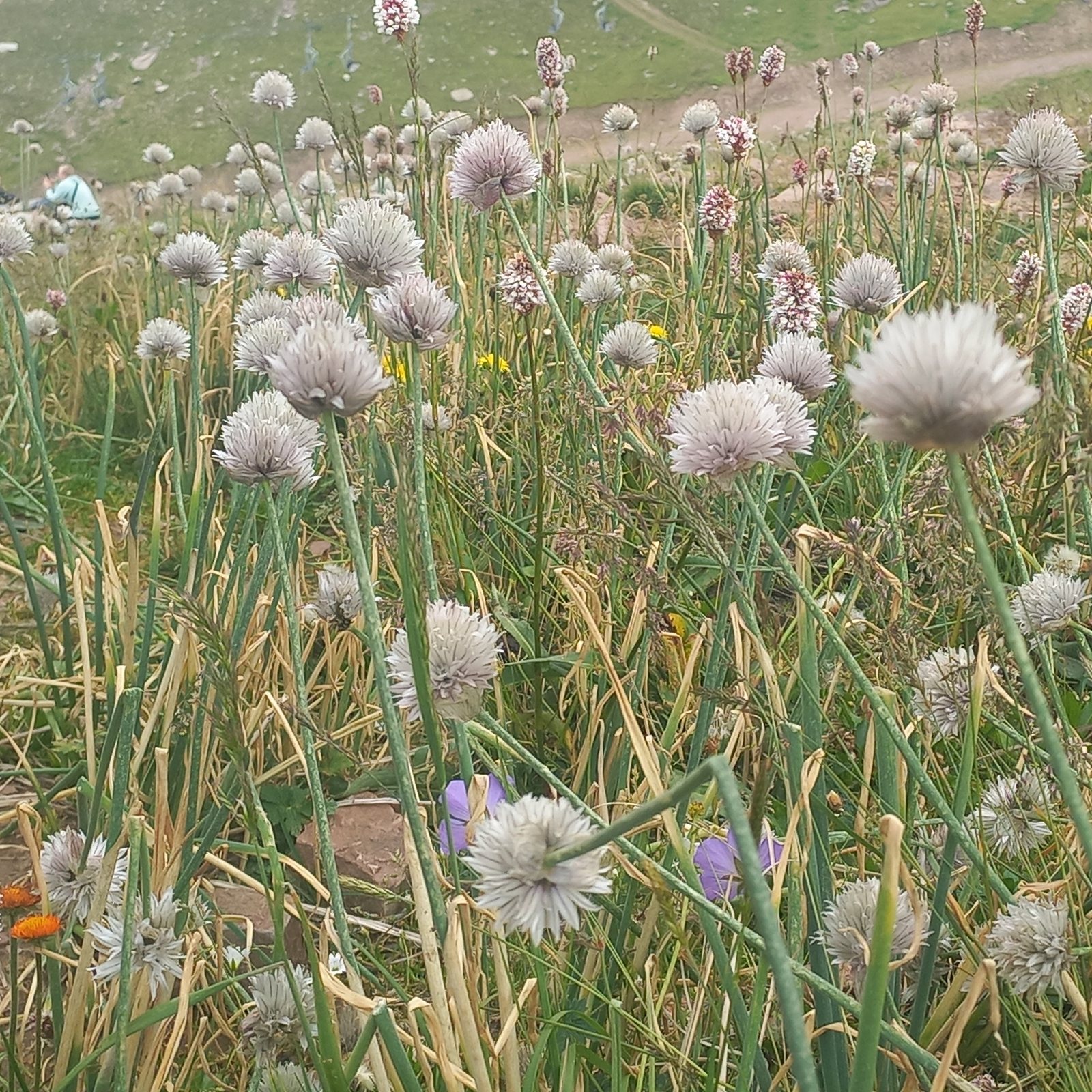
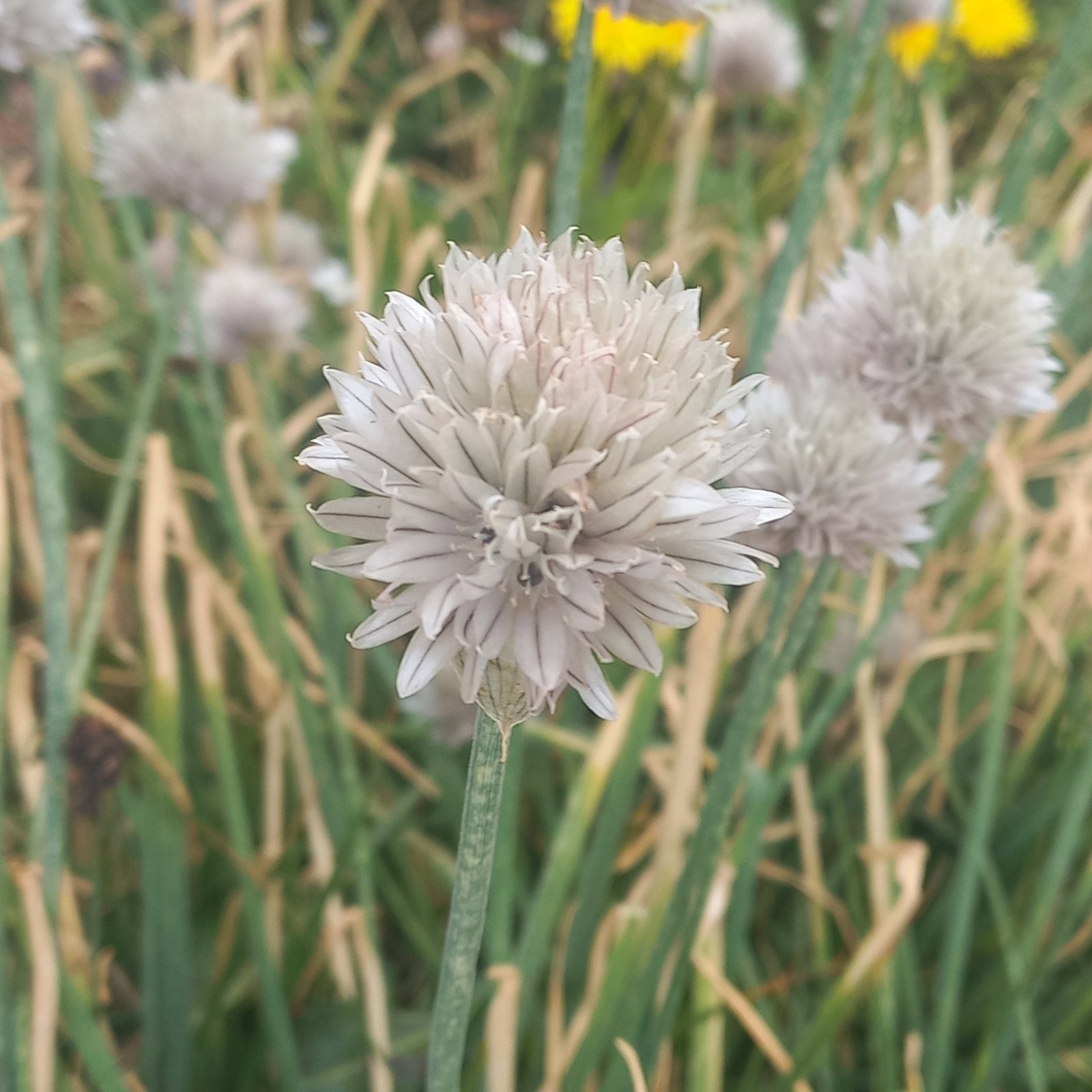
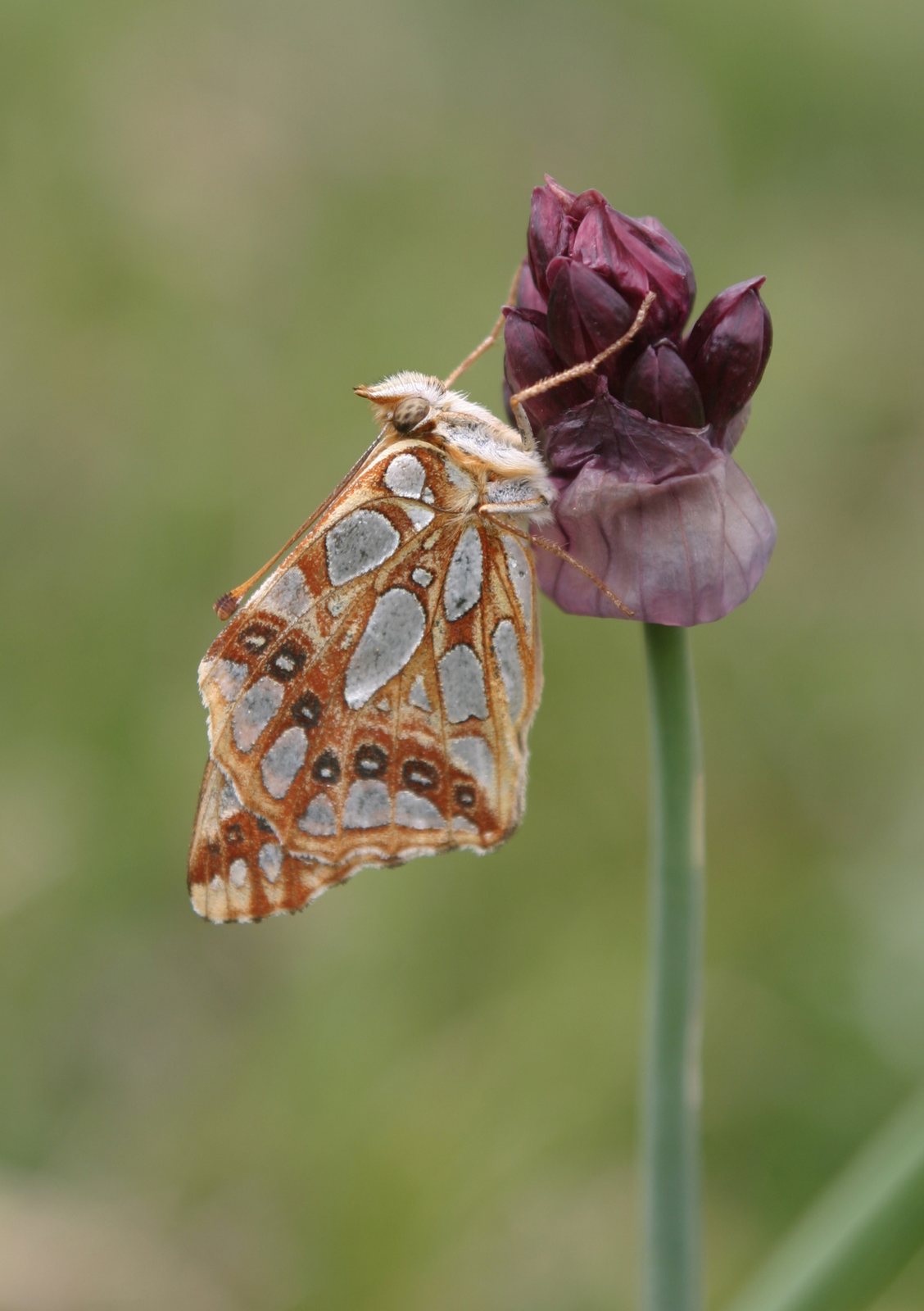
At a glance
- Sun
- Full sun, ideally at least 6-8 hours of direct sunlight daily.
- Water
- Keep evenly moist while leaves and bulbs develop, supplying about 1 in (25 mm) of water weekly in dry weather. Reduce watering as the tops yellow and fall over; avoid waterlogged soil.
- Soil
- Fertile, well-drained loam with added mature compost; pH about 6.0-7.0. Raised beds help on heavy or wet ground.
- Height
- 1-2 ft (0.3-0.6 m) in leaf; flowering stems can reach 3-4 ft (0.9-1.2 m)
- Spread
- 0.3-0.5 ft (0.1-0.15 m)
- Flowers
- Round clusters of small white to greenish-white flowers in late spring or summer, usually in the second year; premature flowering reduces bulb quality.
- Foliage
- Upright, hollow, cylindrical leaves, green to blue-green with a waxy surface; leaves yellow and collapse as bulbs mature.
- Growth
- Moderate; bulbs usually mature about 3-6 months after planting, depending on variety, climate and starting material.
- Care needed
- Medium
The year at a glance
- Pollinators
- Low allergen
- Edible
| J | F | M | A | M | J | J | A | S | O | N | D | |
|---|---|---|---|---|---|---|---|---|---|---|---|---|
| Flowers | ||||||||||||
| Fruit | ||||||||||||
| Plant |
Northern hemisphere months. In Australia, shift them by six.
- Difficulty
- Moderate
- Toughness
- Fairly tough
Will it suit your garden?
Pick your zone, country, light and whether you have pets.
Full sun is 6 or more hours of direct sun a day, part shade 3 to 6 hours, shade under 3.
How it grows
Planting day
0.5 ft (0.15 m)
After 1 year
1.5 ft (0.45 m)
full size
About 1 years to full size.
From a typical nursery size, at an average rate for this kind of plant. A rule of thumb, not a forecast.
Good to know
- Cats and dogs
- Toxic
- Growth rate
- Moderate
Care
Jobs through the year
- WaterMar–May, every 7 days
- Supply about 25 mm weekly including rain; check newly planted onions more often.
- WaterJun–Aug, every 7 days
- Keep developing bulbs evenly moist; reduce then stop watering as tops yellow and fall.
- WaterSep–Oct, every 14 days
- Water autumn-planted onions only if soil is drying; avoid winter waterlogging.
- FeedMar–Apr
- Incorporate mature compost before planting.
- FeedApr–May, every 28 days
- Feed lightly with nitrogen during leafy growth; stop when bulbs begin swelling.
- MulchApr–May
- Apply a thin mulch to suppress weeds without burying bulb necks.
- ProtectMar–Jul
- Use insect mesh against onion fly and rotate crops to reduce pest buildup.
- PruneMay–Jul
- Remove flower stalks promptly; leave healthy leaves intact and use bolted bulbs first.
- HarvestMay–Sep
- Pull young onions as needed; lift mature bulbs after tops fall and cure for 2–3 weeks.
- Choose a locally recommended short-day, intermediate-day or long-day variety; the wrong day-length type may produce little bulb.
- Plant sets with their tips just showing, or seedlings at their original depth, spacing bulb onions 4-6 in (10-15 cm) apart.
- Water at soil level during dry spells, keeping the shallow root zone moist but not saturated.
- Mix mature compost into the bed before planting; feed lightly with nitrogen during early leafy growth, then stop once bulbs begin swelling.
- Remove weeds by hand or hoe very shallowly to avoid damaging roots; a thin mulch helps conserve moisture.
- Harvest when most tops have fallen naturally, then cure storage varieties somewhere dry, shaded and well ventilated until necks and outer skins are dry.
Pruning. Do not cut back healthy leaves or bend the tops to force ripening. Remove flower stalks promptly if they appear, use those bulbs first, and trim roots and dry tops only after curing.
Harvest
Pull young onions for use fresh once the stems are pencil-thick. For mature bulbs, wait until at least half the tops have yellowed and fallen over naturally, usually in summer or early autumn, then gently lift them with a garden fork on a dry day. Dry storage onions in an airy, sheltered place for 2–3 weeks, until the necks and outer skins are dry, before trimming the tops and storing.
Through the year
- Late winter
- In cool climates, sow seed indoors about 8-10 weeks before your intended spring planting date.
- Early spring
- Plant sets or hardened-off seedlings once the soil is workable and no longer waterlogged.
- Spring
- Weed regularly, water during dry weather and feed lightly while leaves are developing.
- Early summer
- Maintain even moisture as bulbs swell; stop nitrogen feeding and remove any flower stalks.
- Summer
- For spring-planted crops, reduce watering as tops fall, then harvest and cure mature bulbs before storage.
- Autumn
- In mild-winter areas, plant locally recommended autumn or overwintering varieties; check stored bulbs and discard soft or mouldy ones.
In the garden
- Plant in straight rows in a potager for a clear, orderly pattern of upright foliage.
- Use in raised vegetable beds where drainage, weeding and harvesting are easy to manage.
- Combine with loose-leaf lettuce or radishes between rows for an early harvest before the onions need the space.
- Grow in deep containers on sunny patios, spacing plants for full-sized bulbs or more closely for young green onions.
Garden styles it suits: Potager (kitchen garden), Edible landscape, Homestead, Cottage garden, Farmhouse and Small-space.
Plant it with: Lettuce, Carrots, Beetroot, Radishes, Swiss chard and Calendula.
Wildlife: Flowers attract bees and other pollinating insects if plants are allowed to bloom. Bulbs harvested in their first year provide little floral food.
Problems to watch for
- Onion fly or onion maggot: larvae tunnel into bulbs and cause wilting or rot. Use insect mesh before egg-laying, rotate crops and remove infested plants promptly.
- Thrips: silvery streaks and distorted leaves are common in hot, dry weather. Keep plants adequately watered, remove nearby weeds and use insecticidal soap labelled for edible onions if needed.
- Onion white rot: yellowing plants develop white fungal growth and small black resting bodies around the bulb base. Remove affected plants with surrounding soil, avoid moving contaminated soil and do not replant alliums there; the fungus can persist for many years.
- Poor bulbing or premature flowering: use a day-length type suited to your latitude, avoid oversized sets and follow local planting dates. Harvest flowering plants for prompt use rather than storage.
Safety
All parts are toxic to cats, dogs and horses, including raw, cooked and dried material. Eating them can damage red blood cells and cause potentially life-threatening anaemia; seek veterinary advice after ingestion. Onions are not considered toxic to people in normal food quantities, although allergies and digestive intolerance occur.
Easily confused with
Bunching onion (Allium fistulosum)
Also has hollow leaves, but forms clumps of elongated white stems rather than the large, rounded storage bulb typical of bulb onions.
Leek (Allium ampeloprasum Leek Group)
Has broad, flat leaves arranged in a fan and a thick, layered stem rather than hollow cylindrical leaves and a rounded bulb.
The name
Allium is the Latin word for garlic, and cepa is Latin for onion.
Propagation. Sow seed or plant sets, which are small immature bulbs. For seed saving, retain healthy bulbs through winter and replant if necessary for second-year flowering; varieties can cross-pollinate, and seed from hybrids may not come true.
Checked against open data
- Accepted botanical name
- Allium cepa
- In the US and Canada
- Introduced in the lower 48 states and Pacific Basin.
- Native range
- Turkmenistan.
- Measured
- Average height 56 cm.
Sources: GBIF (CC BY 4.0), USDA PLANTS and Trefle (CC BY 4.0). The care and design notes are LandscapeGPT's own.
See it in your own yard.
Upload a photo of your yard and see it redesigned with plants that suit your climate, each checked against your zone.