Orange jasmine
Murraya paniculata. Family Rutaceae. Shrub.
Also called Orange jessamine, Mock orange, Satinwood.
Orange jasmine is an evergreen shrub or small tree with glossy leaves and strongly scented white flowers resembling orange blossom. Gardeners grow it as a hedge, clipped specimen or container plant near seating areas; in the United Kingdom and most of Canada, it needs frost-free indoor winter accommodation.
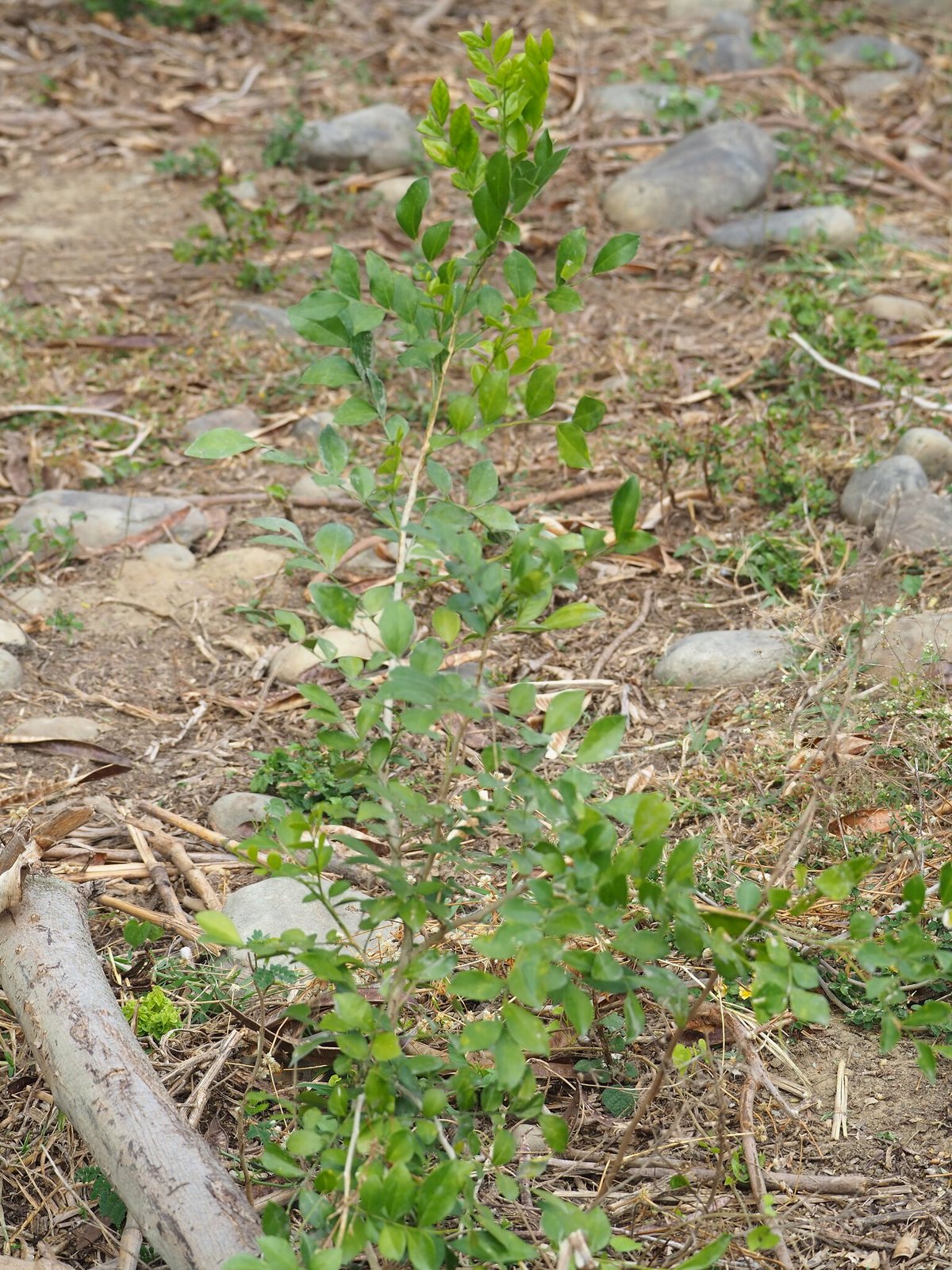
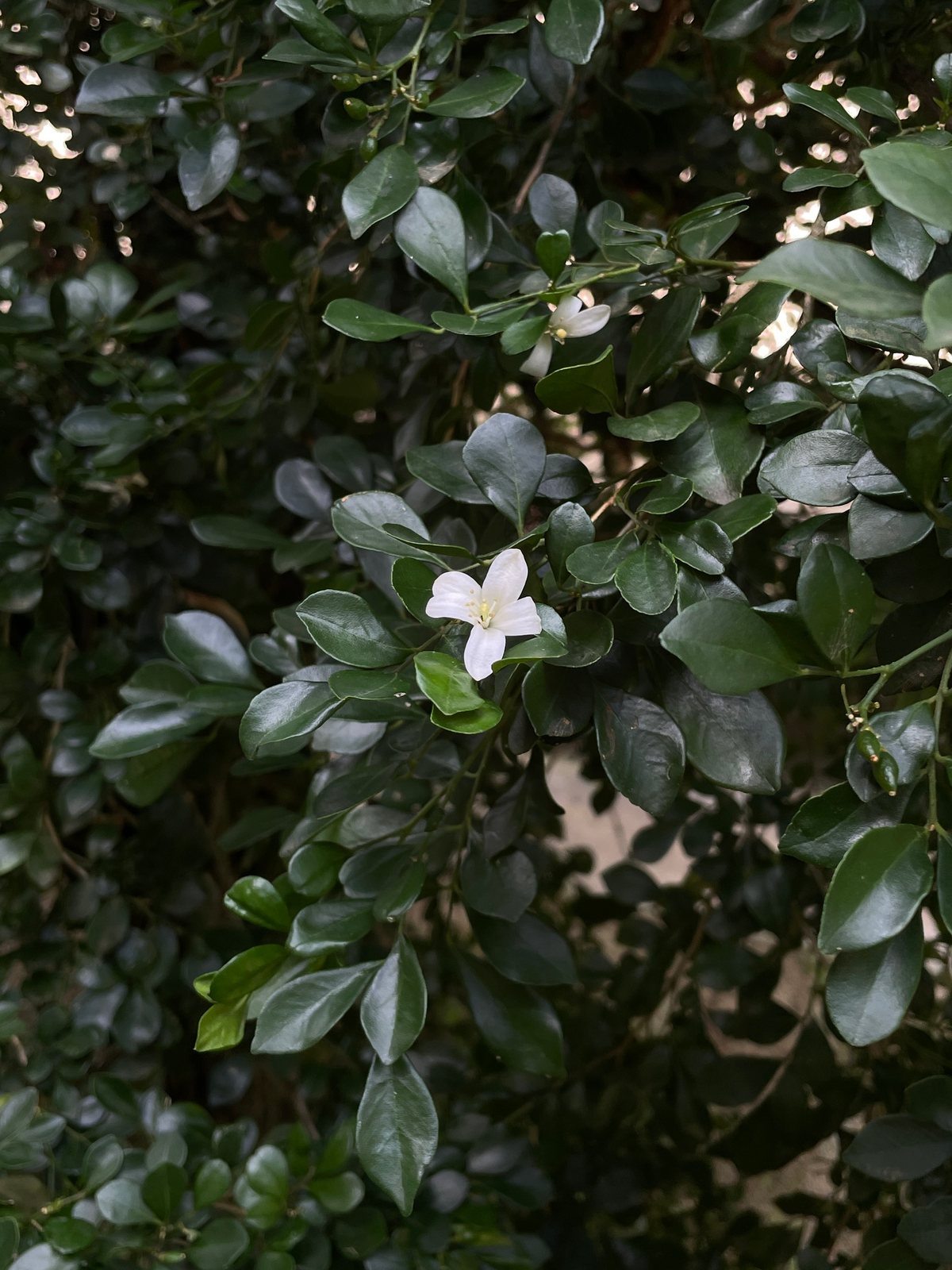
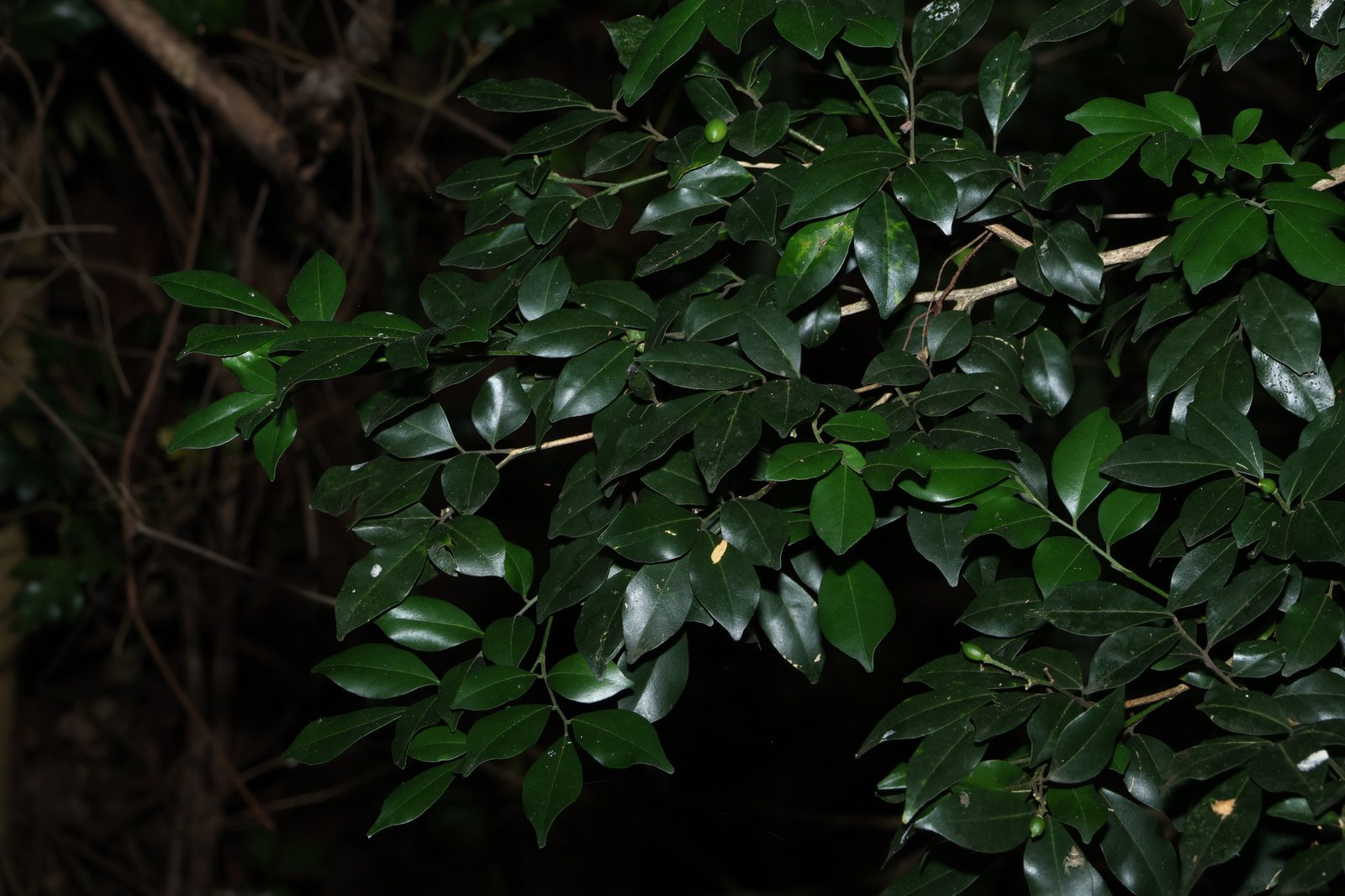
At a glance
- Sun
- Full sun to partial shade; afternoon shade helps in very hot, dry locations. Indoors, provide very bright light.
- Water
- Water regularly while establishing. Once established, allow the soil surface to dry between thorough waterings; container plants need more frequent checks.
- Soil
- Fertile, well-drained soil, preferably slightly acidic to neutral. Avoid waterlogged ground and poorly drained pots.
- Height
- 8-15 ft (2.4-4.6 m), occasionally taller in frost-free climates
- Spread
- 6-12 ft (1.8-3.7 m)
- Flowers
- Small white flowers in fragrant clusters, mainly spring through autumn, with intermittent flowering year-round in tropical climates.
- Foliage
- Evergreen. Glossy, dark green, compound leaves made up of several oval leaflets; aromatic when crushed.
- Growth
- Moderate to fast in warm conditions
- Care needed
- Medium
The year at a glance
- Pollinators
- Heat tolerant
- Wildlife
- Low allergen
- Fragrant
| J | F | M | A | M | J | J | A | S | O | N | D | |
|---|---|---|---|---|---|---|---|---|---|---|---|---|
| Flowers | ||||||||||||
| Fruit | ||||||||||||
| Plant |
Northern hemisphere months. In Australia, shift them by six.
- Difficulty
- Moderate
- Toughness
- Needs looking after
Will it suit your garden?
Pick your zone, country, light and whether you have pets.
Full sun is 6 or more hours of direct sun a day, part shade 3 to 6 hours, shade under 3.
How it grows
Planting day
1.6 ft (0.5 m)
After 1 year
4 ft (1.3 m)
After 2 years
7 ft (2 m)
After 3 years
9 ft (2.8 m)
After 5 years
11 ft (3.5 m)
full size
About 4 years to full size.
From a typical nursery size, at an average rate for this kind of plant. A rule of thumb, not a forecast.
Good to know
- Cats and dogs
- Safe
- Native to
- Australia
- Invasive in
- the US
- In the garden
- Spreads vigorously: plan to contain it.
- Growth rate
- Fast
Care
Jobs through the year
- WaterApr–May, Sep–Oct, every 14 days
- For established ground plants in suitable climates, water after the surface dries; pots need more frequent checks.
- WaterJun–Aug, every 7 days
- Water deeply when the surface dries; young plants and containers may need water sooner.
- WaterJan–Mar, Nov–Dec, every 14 days
- For indoor overwintered plants, water sparingly after the surface dries and empty saucers.
- FeedApr–May
- Apply balanced slow-release fertiliser at the label rate as growth starts.
- MulchMay
- Apply 5–8 cm of organic mulch over ground-grown roots, keeping stems clear.
- PruneApr–May
- Remove dead or crossing branches once new growth reveals winter damage.
- PruneJun–Aug
- Lightly shape after a flowering flush; avoid frequent clipping that removes buds.
- ProtectMay–Jun
- In zones 6–7, grow in a movable pot and acclimatise outdoors after frost risk.
- ProtectSep–Oct
- Move pots into a bright, frost-free position before cold nights arrive.
- ProtectJan–Mar, Nov–Dec
- Maintain bright frost-free conditions and inspect stems and leaves for scale or mealybugs.
- Plant after frost risk has passed, keeping the root flare at soil level.
- Water deeply during establishment, then let the surface dry slightly before watering again.
- Apply a balanced slow-release fertiliser in spring at the label rate; avoid heavy nitrogen feeding, which encourages leaves rather than flowers.
- Spread 2-3 in (5-8 cm) of organic mulch over the root zone, keeping it clear of the stems.
- Use a freely draining potting mix in containers and move plants under cover before frost; water less during cool indoor winters.
Pruning. Lightly trim after a flowering flush to shape the shrub, and remove dead or crossing branches in spring. Frequent hedge clipping removes flower buds, so allow intervals of untrimmed growth if scent and flowers are priorities.
Through the year
- Spring
- Check for winter damage, remove dead growth and apply a measured feed as new growth starts.
- Late spring
- Plant outdoors after frost risk passes; gradually acclimatise overwintered container plants to outdoor light.
- Summer
- Check soil moisture regularly, especially in pots, and inspect new shoots for pests.
- Summer
- Trim lightly after flowering rather than repeatedly clipping developing buds.
- Autumn
- Move container plants to a bright, frost-free position before cold nights arrive.
- Winter
- Keep sheltered plants in strong light, reduce watering and avoid leaving pots standing in water.
In the garden
- Plant near a terrace or entrance where the flower scent can be enjoyed, allowing room for its mature width.
- Use as an evergreen hedge or screen in warm climates; lighter clipping preserves more flowers.
- Grow a single specimen in a large container for a sheltered courtyard, with winter protection where needed.
- Combine with gardenias and dwarf mondo grass for contrasting glossy foliage and a restrained green-and-white planting.
Garden styles it suits: Tropical, Modern courtyard, Formal, Sensory garden, White garden and Evening garden.
Plant it with: Gardenia, Dwarf mondo grass, Cast-iron plant, Clivia and Agapanthus.
Wildlife: Flowers attract bees and other insects. Birds eat the ripe red to orange-red fruit and can carry the seeds into nearby vegetation.
Problems to watch for
- Scale insects and mealybugs cause sticky honeydew and black sooty mould: inspect stems and leaf undersides, remove small infestations by hand and use a labelled horticultural oil if needed.
- Asian citrus psyllid feeds on young growth, and orange jasmine can host the bacterium associated with citrus greening: in affected citrus-growing regions, follow local inspection, reporting and plant-movement advice.
- Yellow leaves and declining roots often follow waterlogging: improve drainage, empty saucers and let the surface dry slightly between waterings.
- Frost scorches leaves and can kill stems: grow in a sheltered position within its range and move pots under cover before freezing weather.
Safety
Not known to be toxic to cats, dogs, horses or people, although species-specific safety information is limited. The fruit, seeds and leaves should not be treated as food; discourage children and pets from eating them.
Where it spreads. Bird-dispersed seedlings can invade bushland in eastern Australia, particularly south-east Queensland and north-eastern New South Wales. It is also reported as invasive in Florida and Hawaii. Check local guidance before planting near natural areas.
Easily confused with
Mock orange (Philadelphus coronarius)
This temperate shrub is deciduous, with opposite, simple, often toothed leaves; orange jasmine is evergreen with compound leaves.
Mexican orange blossom (Choisya ternata)
Its leaves usually have three leaflets radiating from one point; orange jasmine has leaflets arranged along a central stalk and produces red to orange-red berries.
Curry leaf tree (Bergera koenigii)
It has many more, usually toothed leaflets with a distinctive curry-leaf aroma, and its ripe fruits are black rather than red.
The name
Murraya honours the botanist Johann Andreas Murray, paniculata refers to branched flower clusters, and orange jasmine describes the orange-blossom-like scent.
Propagation. Take semi-ripe cuttings during the warm growing season and root them in a humid, sheltered propagator. Fresh seed can also be sown in warmth, but avoid seed propagation where the plant is invasive.
Checked against open data
- Accepted botanical name
- Murraya paniculata
- Native range
- Andaman Is., Assam, Bangladesh, Bismarck Archipelago, Borneo, Cambodia, China South-Central, China Southeast, Christmas I., East Himalaya, Hainan and India.
- Measured
- Average height 450 cm.
Sources: GBIF (CC BY 4.0) and Trefle (CC BY 4.0). The care and design notes are LandscapeGPT's own.
See it in your own yard.
Upload a photo of your yard and see it redesigned with plants that suit your climate, each checked against your zone.