Orange sedge
Carex testacea. Family Cyperaceae. Ornamental grass.
Also called New Zealand orange sedge, Orange New Zealand sedge.
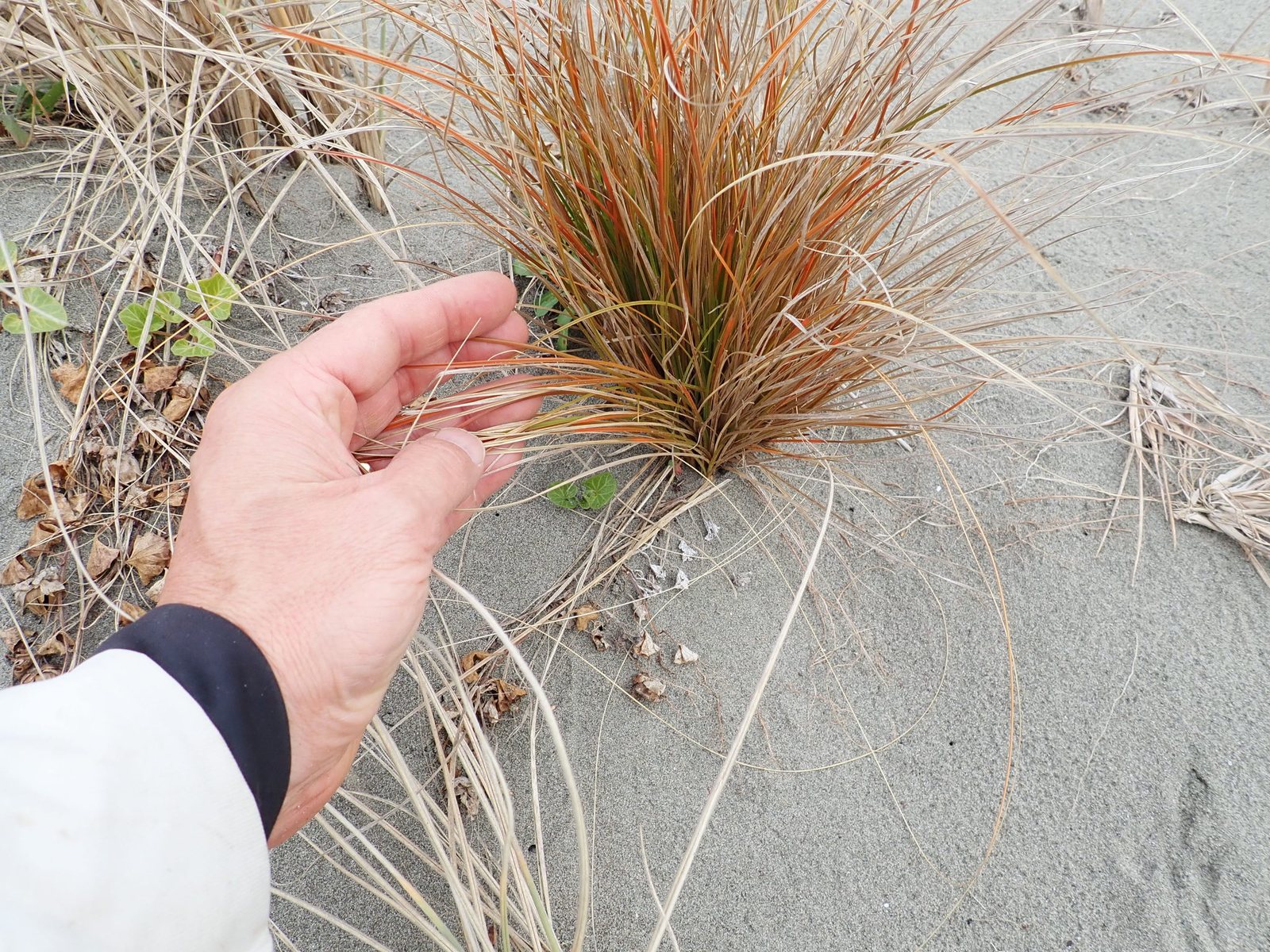
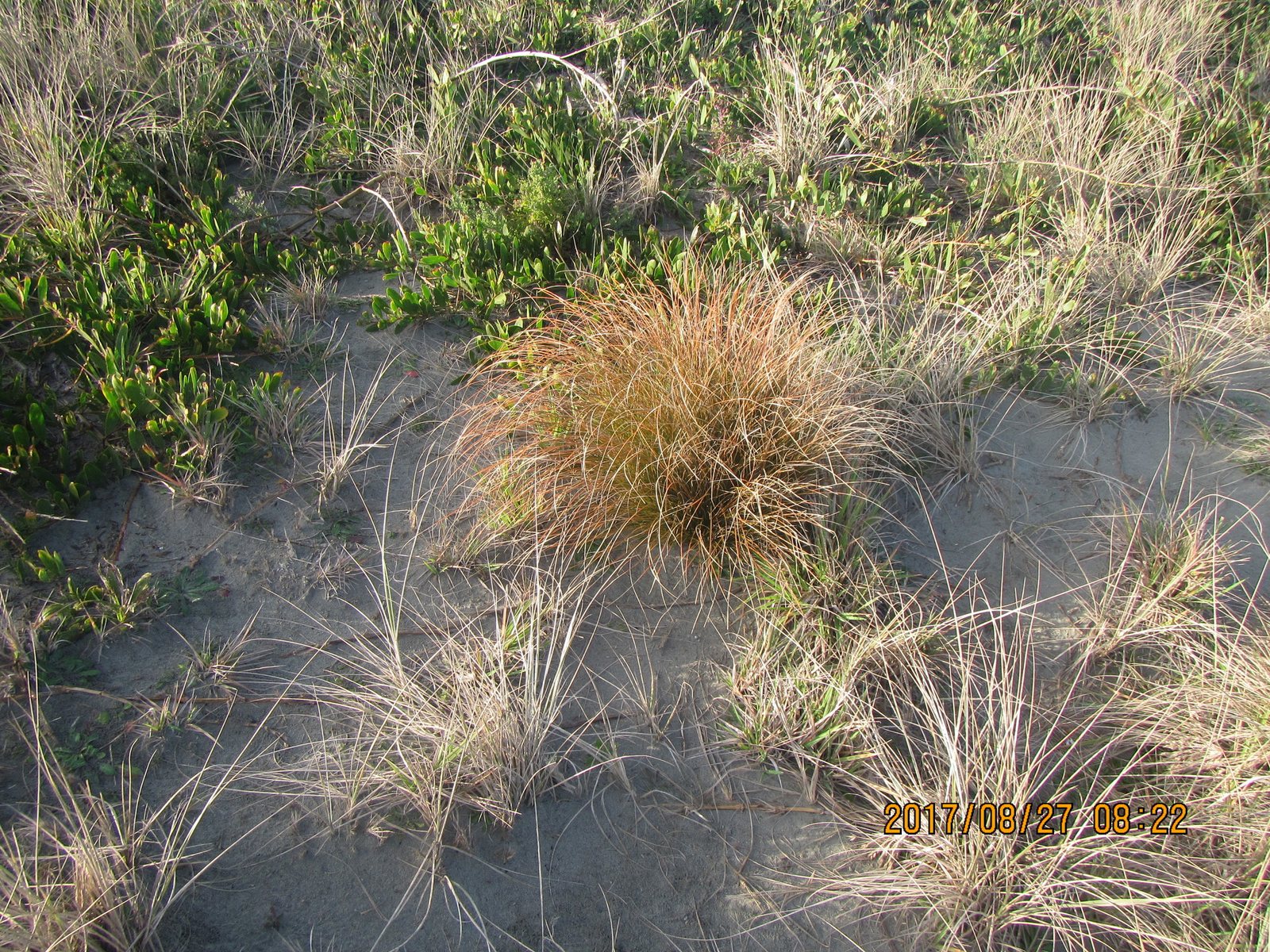
Orange sedge is an evergreen, grass-like perennial from New Zealand, grown for its fine, arching leaves that turn coppery orange in good light. It forms a soft, fountain-shaped clump for borders, gravel gardens and containers, keeping its colour through mild winters.
At a glance
- Sun
- Full sun to partial shade; foliage usually develops its strongest orange colour in sun. Give some afternoon shade in hot, dry climates.
- Water
- Water regularly while establishing, then during prolonged dry spells. Established plants tolerate some drought but look better with occasional deep watering.
- Soil
- Well-drained soil with moderate moisture; tolerates sandy, loamy and clay soils provided water does not collect around the crown.
- Height
- 1.5-2 ft (0.45-0.6 m)
- Spread
- 1.5-2 ft (0.45-0.6 m)
- Flowers
- Small, inconspicuous brown flower spikes in summer.
- Foliage
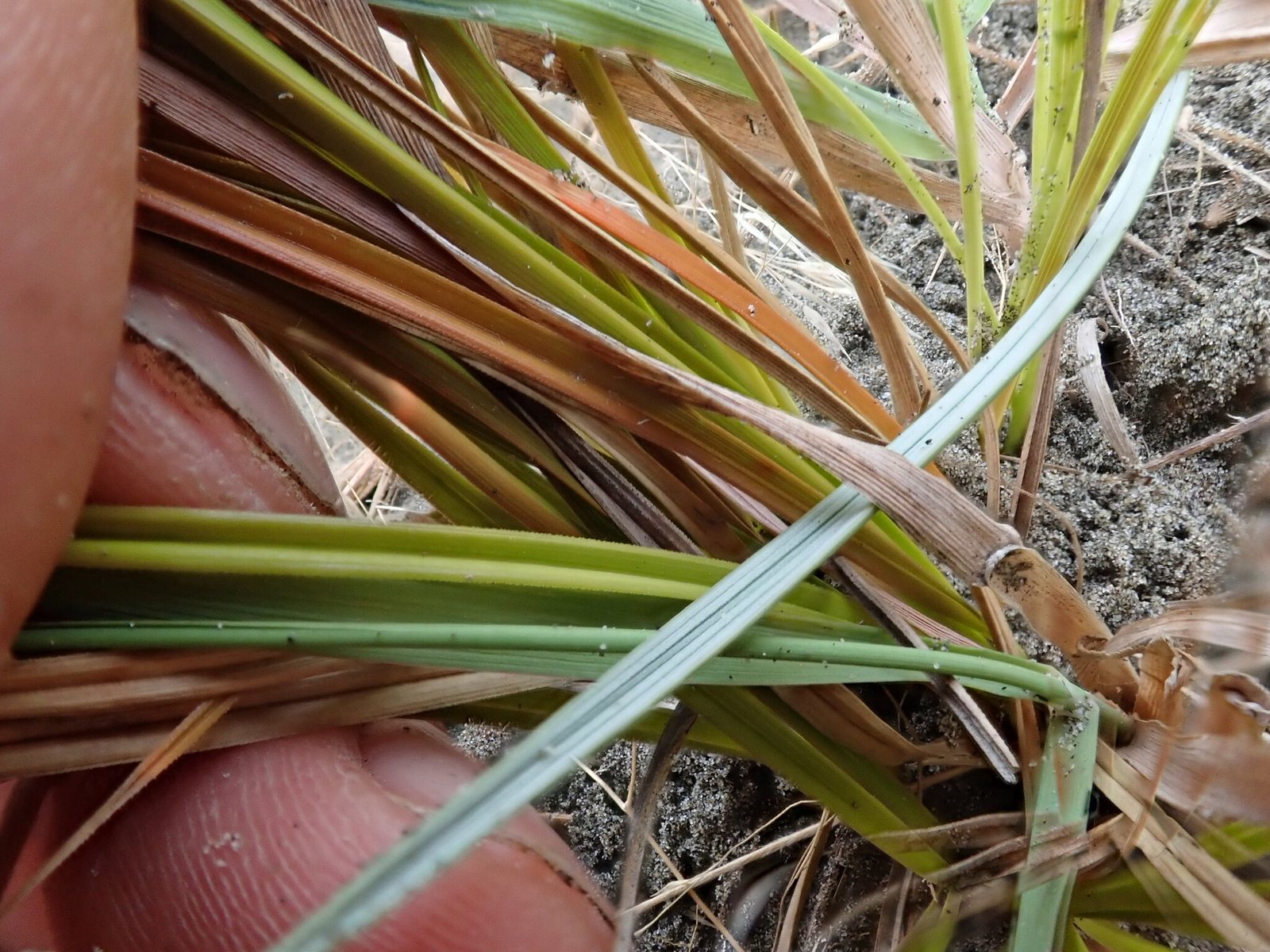
- Evergreen. Narrow, arching, olive-green leaves flushed orange and copper, often becoming more orange in cool weather and strong light.
- Growth
- Moderate
- Care needed
- Low
The year at a glance
- Deer resistant
- Drought tolerant
- Heat tolerant
- Wildlife
| J | F | M | A | M | J | J | A | S | O | N | D | |
|---|---|---|---|---|---|---|---|---|---|---|---|---|
| Plant |
Northern hemisphere months. In Australia, shift them by six.
- Difficulty
- Easy
- Toughness
- Fairly tough
Will it suit your garden?
Pick your zone, country, light and whether you have pets.
Full sun is 6 or more hours of direct sun a day, part shade 3 to 6 hours, shade under 3.
How it grows
Planting day
1.1 ft (0.35 m)
After 1 year
1.4 ft (0.42 m)
After 2 years
1.6 ft (0.49 m)
After 3 years
1.7 ft (0.53 m)
full size
About 3 years to full size.
From a typical nursery size, at an average rate for this kind of plant. A rule of thumb, not a forecast.
Good to know
- Cats and dogs
- Safe
- Growth rate
- Moderate
Care
Jobs through the year
- WaterApr–May, Sep–Oct, every 14 days
- Water established plants only if soil is drying; water new clumps more regularly during their first season.
- WaterJun–Aug, every 10 days
- Give a deep watering during dry spells, allowing soil to drain between applications.
- PruneMar–Apr
- Comb out dead leaves and remove old flower stems without cutting the whole clump down.
- MulchApr
- Apply a thin compost mulch, keeping the crown clear.
- DivideApr–May
- Divide tired or overcrowded clumps, retaining several growing shoots per division.
- DeadheadJul–Aug
- Remove flower stems before seeds ripen if unwanted seedlings are a problem.
- ProtectJan–Feb, Nov–Dec
- In exposed zone 6 gardens, use breathable fleece during severe freezes and prevent winter waterlogging.
- Water deeply during the first growing season whenever the soil begins to dry.
- Avoid planting in hollows or heavy soil that stays saturated through winter.
- Apply a thin layer of compost in spring; routine heavy feeding is unnecessary.
- Keep mulch clear of the crown to reduce rot.
- Divide tired or overcrowded clumps in spring, keeping several growing shoots on each division.
Pruning. In early spring, gently comb or snip out dead leaves and remove old flower stems. Avoid routinely cutting the whole clump to ground level, as evergreen sedges can recover slowly.
Through the year
- Spring
- Remove dead foliage before new growth becomes tangled with it.
- Spring
- Plant or divide clumps, then water thoroughly until established.
- Early summer
- Check soil moisture during dry weather, especially in containers.
- Late summer
- Remove flower stems before seed ripens if unwanted seedlings appear.
- Autumn
- Leave healthy foliage standing for winter colour and check that drainage remains clear.
- Winter
- Move containers to a sheltered position in cold areas and avoid waterlogged compost.
In the garden
- Repeat small groups along a sunny border to link planting with copper-orange foliage.
- Plant beside dark rocks or pale gravel for a contrast in colour and texture.
- Use in containers with heucheras or small evergreen shrubs, allowing the leaves to arch over the rim.
- Combine with upright perennials such as salvias and coneflowers to soften their stems.
Garden styles it suits: Modern, Dry gravel garden, New perennial (prairie), Coastal, Winter interest and Low-maintenance.
Plant it with: Heuchera, Lavender, Salvia, Purple coneflower, Stonecrop and Dwarf pittosporum.
Wildlife: Dense clumps provide shelter for small invertebrates. The wind-pollinated flowers offer little value to bees.
Problems to watch for
- Crown or root rot in waterlogged soil: improve drainage or move the plant to a raised position; discard badly rotted clumps.
- Brown, dry leaf tips during drought: water deeply and protect container plants from prolonged drying.
- Winter damage in exposed, cold sites: choose a sheltered position and protect container roots from severe freezing.
- Unwanted seedlings: remove flower stems before seed ripens and pull seedlings while small.
Safety
Not known to be toxic to cats, dogs, horses or people; no poisonous parts are recognised. The narrow leaves can have sharp edges, so wear gloves when handling large clumps.
Easily confused with
Leatherleaf sedge (Carex buchananii)
Usually has more upright, reddish-brown foliage with noticeably curled tips, rather than the softer, arching orange-green leaves of orange sedge.
Weeping brown sedge (Carex flagellifera)
Typically has a more trailing habit and brown or bronze foliage rather than a strong orange flush; its flower stems can become conspicuously long.
The name
The species name testacea means brick-coloured, referring to the warm orange-brown foliage.
Propagation. Divide established clumps in spring. It can also be grown from seed, but seedlings may vary in foliage colour; division preserves the parent plant's appearance.
Checked against open data
- Accepted botanical name
- Carex testacea
- Native range
- New Zealand North and New Zealand South.
Sources: GBIF (CC BY 4.0) and Trefle (CC BY 4.0). The care and design notes are LandscapeGPT's own.
See it in your own yard.
Upload a photo of your yard and see it redesigned with plants that suit your climate, each checked against your zone.