Oriental spruce
Picea orientalis. Family Pinaceae. Tree.
Also called Caucasian spruce.
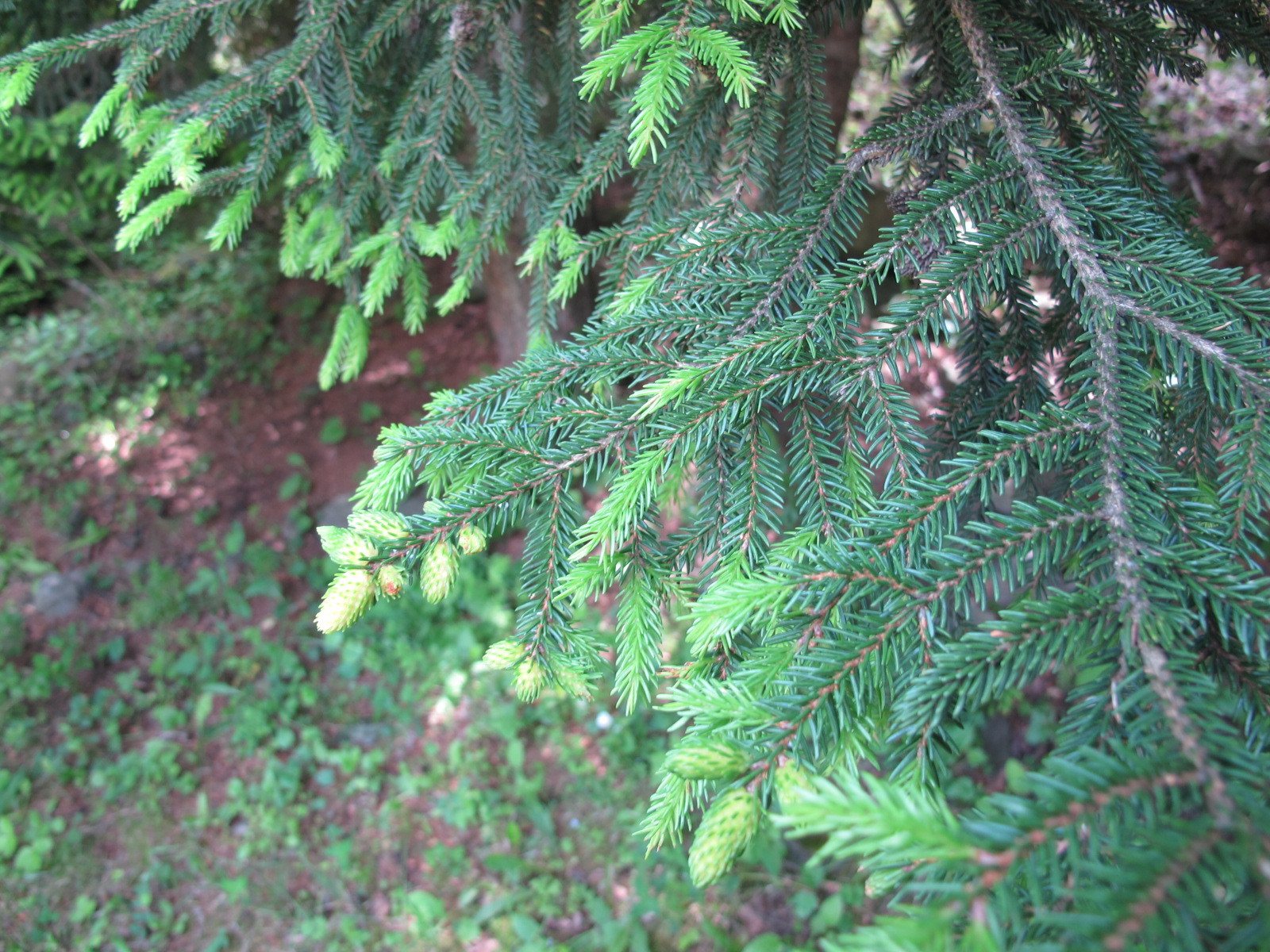
Oriental spruce is a large evergreen conifer native to the Caucasus and northeastern Turkey, grown for its dense, narrow-pyramidal crown and unusually short, dark green needles. Its branches often sweep towards the ground, making it a useful specimen for a spacious garden, but the species eventually becomes too large for most small plots.
At a glance
- Sun
- Full sun to partial shade; best form in full sun where summers are cool.
- Water
- Moderate; keep the root zone evenly moist while establishing. Established trees tolerate brief dry spells, but prolonged drought and hot, dry winds cause stress.
- Soil
- Moist, well-drained, acidic to neutral soil, preferably a deep loam. Avoid waterlogged ground and shallow, very dry soil.
- Height
- 50-80 ft (15-24 m), sometimes taller with age
- Spread
- 20-30 ft (6-9 m)
- Foliage
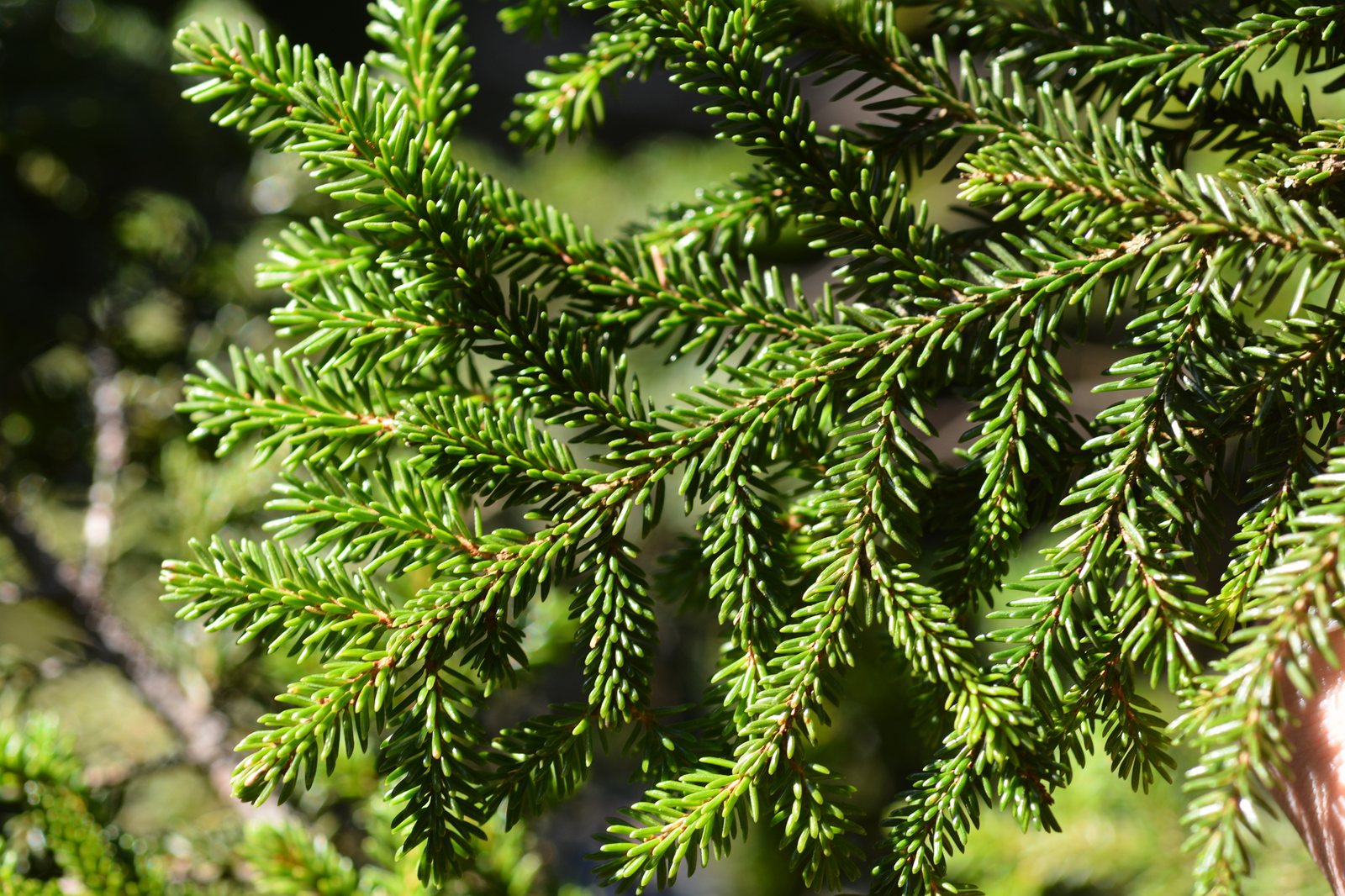
- Evergreen, glossy dark green needles, usually about 0.25-0.5 in (6-12 mm) long, packed closely around the shoots.
- Growth
- Slow to moderate, especially slow when young.
- Care needed
- Low
The year at a glance
- Deer resistant
- Cold hardy
- Wildlife
| J | F | M | A | M | J | J | A | S | O | N | D | |
|---|---|---|---|---|---|---|---|---|---|---|---|---|
| Fruit | ||||||||||||
| Plant |
Northern hemisphere months. In Australia, shift them by six.
- Difficulty
- Easy
- Toughness
- Fairly tough
Will it suit your garden?
Pick your zone, country, light and whether you have pets.
Full sun is 6 or more hours of direct sun a day, part shade 3 to 6 hours, shade under 3.
How it grows
Planting day
8 ft (2.3 m)
After 1 year
10 ft (3 m)
After 2 years
12 ft (3.7 m)
After 3 years
14 ft (4.3 m)
After 5 years
19 ft (5.6 m)
About 26 years to full size.
From a typical nursery size, at an average rate for this kind of plant. A rule of thumb, not a forecast.
Good to know
- Cats and dogs
- Mildly toxic: may upset a stomach
- Growth rate
- Slow
Care
Jobs through the year
- WaterApr–May, Sep–Nov, every 14 days
- Water established trees if dry and soil is unfrozen; check young trees more frequently.
- WaterJun–Aug, every 7 days
- Water deeply during dry spells; keep young trees evenly moist for the first three years.
- MulchApr–May
- Maintain 5–8 cm of organic mulch over the roots, clear of the trunk.
- PruneFeb–Mar
- Remove damaged branches or competing leaders only; retain lower branches and avoid bare old wood.
- ProtectJan–Feb, Nov–Dec
- Keep road salt and contaminated snow away from the root zone.
- Water deeply during dry spells for the first two or three growing seasons, wetting the soil beyond the original root ball.
- Apply 2-3 in (5-8 cm) of organic mulch over the root zone, keeping it clear of the trunk.
- Allow room for the mature crown and low branches; do not plant close to buildings or overhead wires.
- Feed only if growth or a soil test indicates a deficiency; avoid heavy applications of nitrogen.
- Stake only if the root ball moves in the wind, and remove supports once the roots hold it securely.
Pruning. Little pruning is needed; remove dead, damaged or competing leader shoots in late winter or early spring. Avoid cutting into bare old wood, which rarely produces replacement growth, and retain the lower branches where space permits.
Through the year
- Early spring
- Plant when the soil is workable and not waterlogged; set the root flare at soil level.
- Early spring
- Check for winter damage and remove broken branches or a competing leader.
- Late spring
- Refresh mulch and check that ties are not rubbing or constricting the trunk.
- Summer
- Water young trees deeply during dry weather and inspect discoloured needles for mites.
- Autumn
- Plant in mild regions while soil remains warm; water established trees if autumn is unusually dry.
- Winter
- Keep de-icing salt and piled roadside snow away from the root zone.
In the garden
- Use as a solitary specimen on a large lawn, allowing the low branches to retain their natural outline.
- Place behind deciduous shrubs to provide a dark evergreen backdrop for flowers and autumn colour.
- Include in a spacious woodland-edge planting with shade-tolerant plants near the outer canopy.
- Use in a mixed conifer group for year-round structure, contrasting its fine needles with larger-leaved evergreens.
Garden styles it suits: Woodland, Grand estate, Traditional, Winter interest, Green on green and English manor.
Plant it with: Japanese maple, Rhododendron, Witch hazel, Hellebore, Epimedium and Christmas fern.
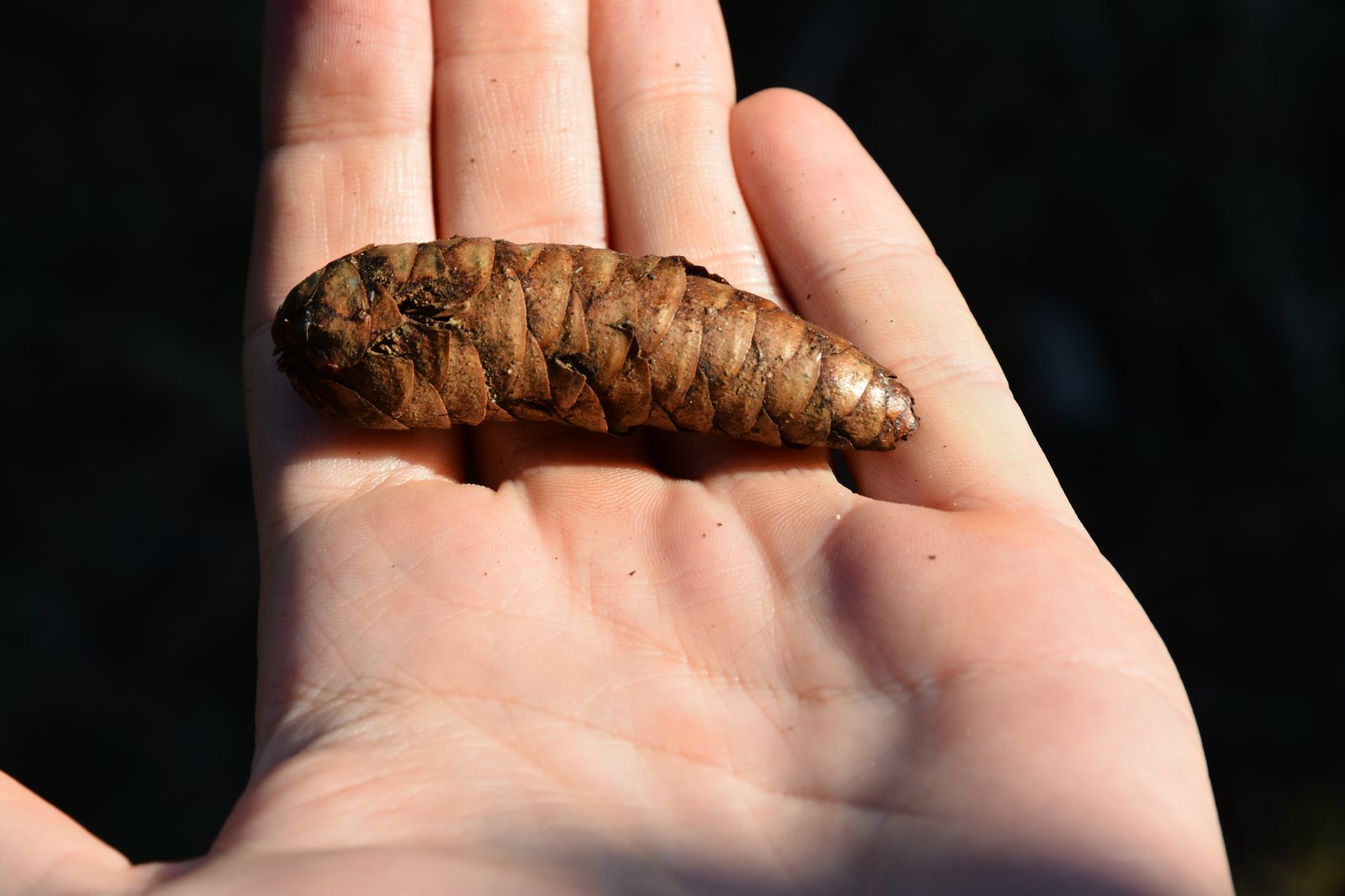
Wildlife: Dense evergreen branches provide shelter and nesting sites for birds. Seeds in the hanging cones are eaten by some birds and small mammals.
Problems to watch for
- Spruce spider mites can cause fine stippling and bronzing, especially during dry weather. Confirm them by tapping shoots over white paper; rinse accessible foliage and use a labelled horticultural oil if needed.
- Spruce gall adelgids can produce cone-like galls and distorted shoots. Remove accessible fresh galls before they open; seek local advice if damage is widespread.
- Root rot can develop in waterlogged soil, causing poor growth and dieback. Improve drainage before planting and avoid frequent shallow watering; badly affected trees may need removal.
- Drought, drying winds and salt exposure can brown needles. Water deeply during drought, maintain mulch and keep de-icing salt away; dead needles will not turn green again.
Safety
Not known to be toxic to people, cats, dogs or horses. Needles and cones are not food and may irritate the mouth or digestive tract if chewed or swallowed; resin can irritate sensitive skin.
Easily confused with
Norway spruce (Picea abies)
Usually has longer needles, much larger cones and conspicuously hanging branchlets on mature trees; Oriental spruce has very short, closely packed needles.
Serbian spruce (Picea omorika)
Has flattened needles with conspicuous whitish bands underneath and a very slender crown; Oriental spruce needles are more four-sided and dark green around the shoot.
Caucasian fir (Abies nordmanniana)
Has longer, flattened needles with two pale bands underneath and upright cones. Oriental spruce has short, four-sided needles on woody pegs and hanging cones.
The name
The species name orientalis means eastern, referring to its origin east of much of Europe.
Propagation. Grow the species from seed collected from ripe cones; a period of cold, moist stratification can improve germination. Named cultivars are usually grafted, since seedlings do not reliably retain their features.
Checked against open data
- Accepted botanical name
- Picea orientalis
- Native range
- North Caucasus, Transcaucasus and Turkey.
- Measured
- Average height 3875 cm.
Sources: GBIF (CC BY 4.0) and Trefle (CC BY 4.0). The care and design notes are LandscapeGPT's own.
See it in your own yard.
Upload a photo of your yard and see it redesigned with plants that suit your climate, each checked against your zone.