Otto Luyken laurel
Prunus laurocerasus 'Otto Luyken'. Family Rosaceae. Shrub.
Also called Otto Luyken cherry laurel, Dwarf cherry laurel.
Otto Luyken laurel is a compact, broad-spreading evergreen shrub with glossy, narrow leaves and upright spikes of white spring flowers. Gardeners grow it for low hedges, foundation planting and year-round structure in sun or shade; old, unpruned plants can outgrow their usual advertised size.
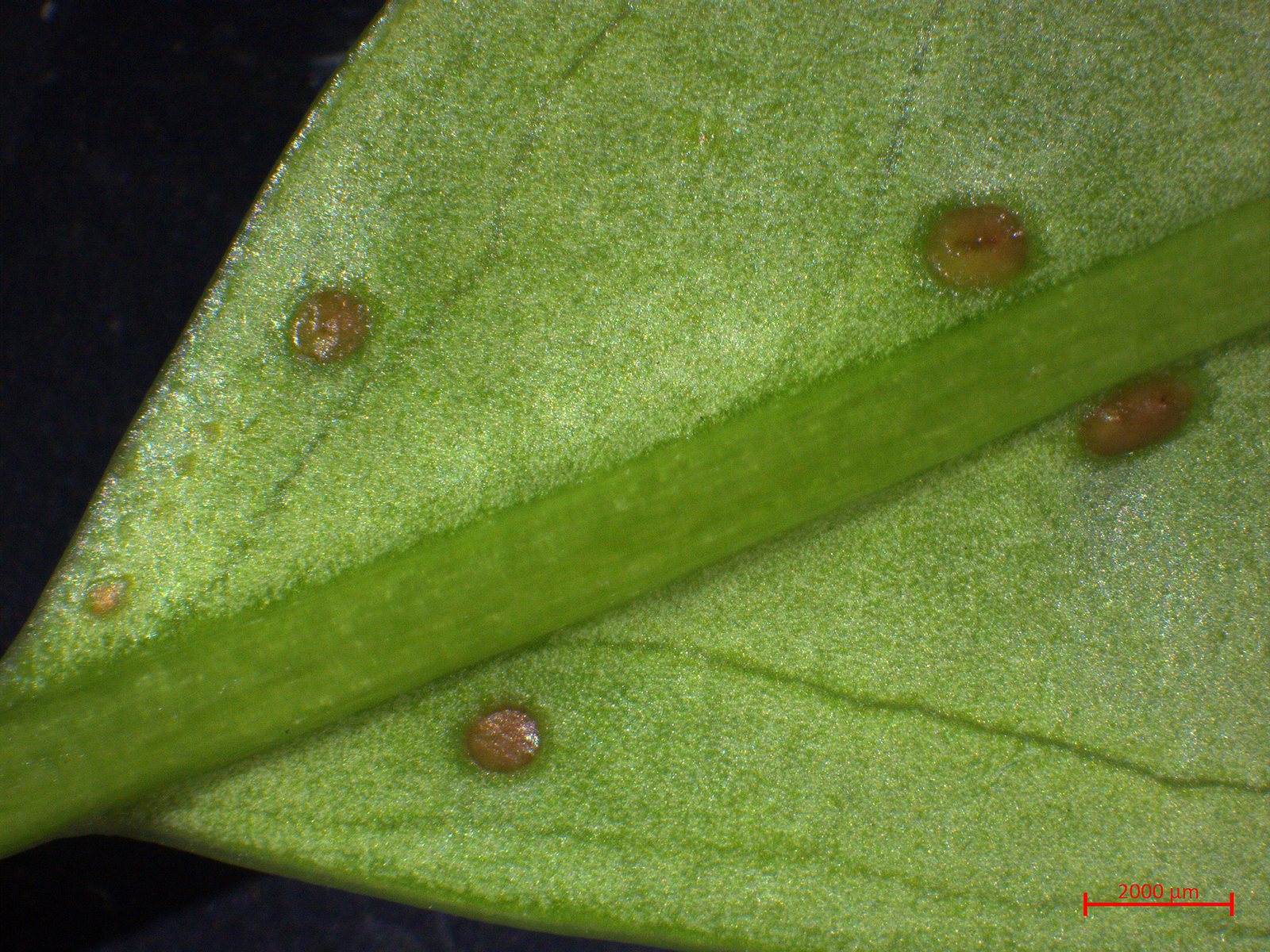
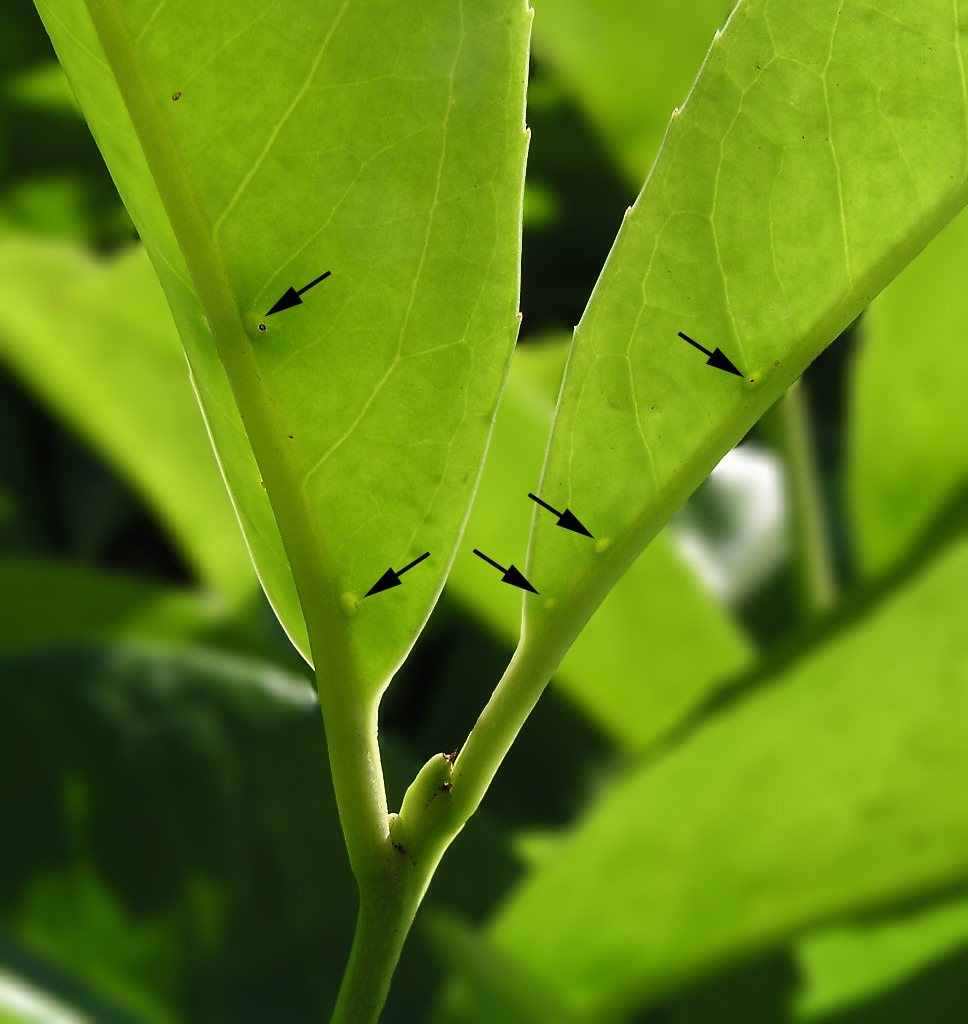
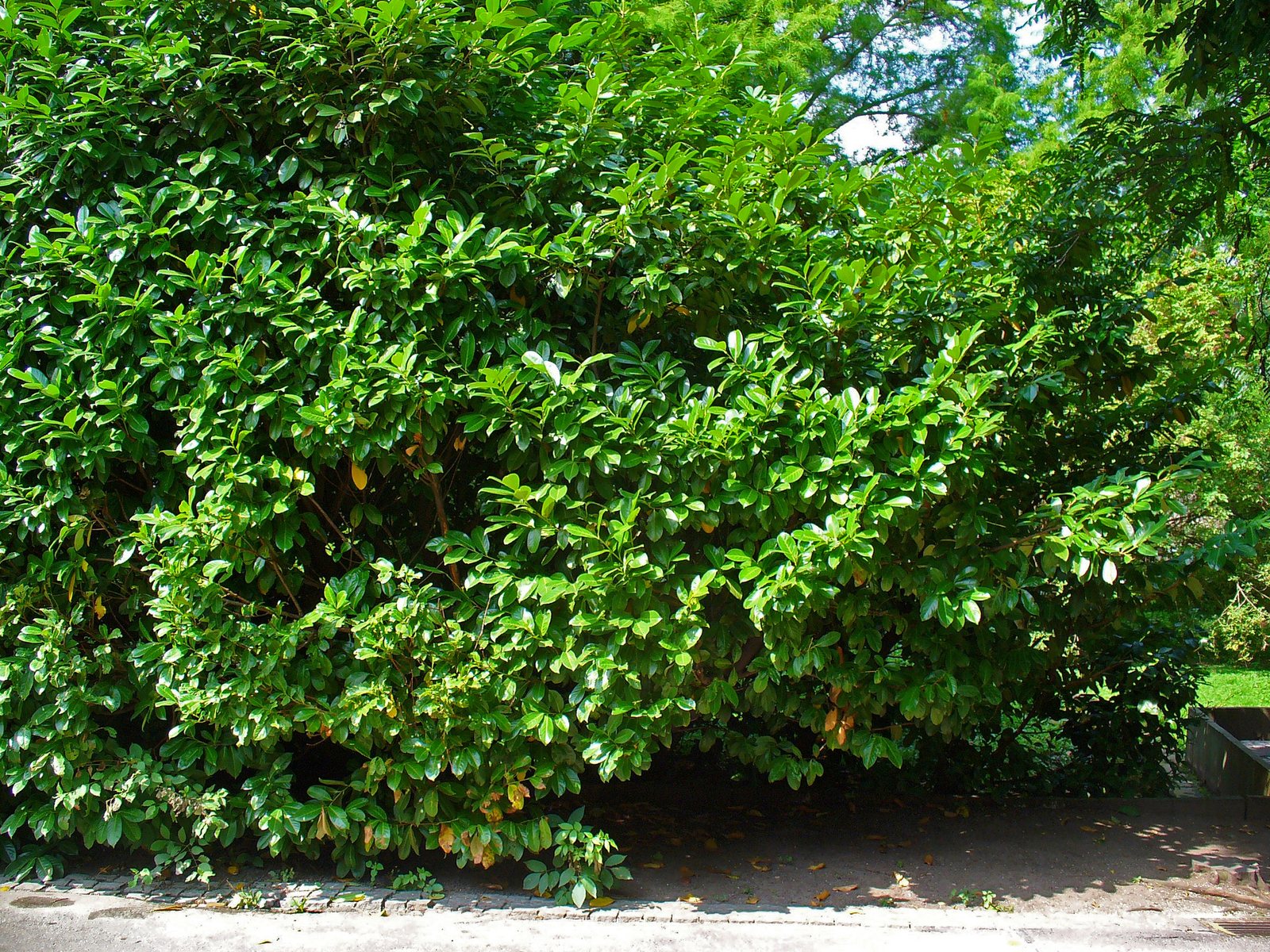
At a glance
- Sun
- Full sun to partial shade; tolerates deeper shade, but grows less densely and flowers less.
- Water
- Moderate; keep evenly moist while establishing. Established plants tolerate short dry spells but benefit from deep watering during prolonged drought.
- Soil
- Moist, well-drained soil, including clay that does not stay waterlogged; tolerates a broad range of soil pH.
- Height
- 3-5 ft (0.9-1.5 m), occasionally taller with age
- Spread
- 6-8 ft (1.8-2.4 m)
- Flowers
- Fragrant white flower spikes in mid- to late spring, sometimes followed by a smaller autumn flush.
- Foliage
- Glossy, dark green, narrow evergreen leaves, often held upward on dense, spreading branches.
- Growth
- Slow to moderate
- Care needed
- Low
The year at a glance
- Pollinators
- Deer resistant
- Heat tolerant
- Wildlife
- Low allergen
- Fragrant
| J | F | M | A | M | J | J | A | S | O | N | D | |
|---|---|---|---|---|---|---|---|---|---|---|---|---|
| Flowers | ||||||||||||
| Fruit | ||||||||||||
| Plant |
Northern hemisphere months. In Australia, shift them by six.
- Difficulty
- Easy
- Toughness
- Very tough
Will it suit your garden?
Pick your zone, country, light and whether you have pets.
Full sun is 6 or more hours of direct sun a day, part shade 3 to 6 hours, shade under 3.
How it grows
Planting day
1.6 ft (0.5 m)
After 1 year
2 ft (0.61 m)
After 2 years
2.3 ft (0.72 m)
After 3 years
2.7 ft (0.82 m)
After 5 years
3 ft (1 m)
About 7 years to full size.
From a typical nursery size, at an average rate for this kind of plant. A rule of thumb, not a forecast.
Good to know
- Cats and dogs
- Toxic
- Invasive in
- the US, Canada and the UK
- In the garden
- Spreads vigorously: plan to contain it.
- Growth rate
- Slow
Care
Jobs through the year
- WaterApr–May, Sep–Oct, every 14 days
- Water established shrubs only during prolonged dryness; check young shrubs more often for their first two years.
- WaterJun–Aug, every 10 days
- Deeply water established shrubs during sustained drought, checking soil moisture first.
- MulchMar–Apr
- Maintain 5–8 cm of organic mulch over the root zone, clear of stems.
- FeedApr
- Feed lightly only where soil is poor and growth is weak.
- PruneMar–Apr
- Remove winter-damaged shoots once new growth reveals which wood is alive.
- PruneMay–Jun
- After flowering, shorten individual shoots with secateurs; avoid cutting through leaves.
- ProtectJan–Feb, Nov–Dec
- Shelter exposed plants from drying winter winds and water young shrubs if soil is dry and unfrozen.
- Water deeply during dry spells for the first two growing seasons; check soil moisture before watering again.
- Apply 2-3 in (5-8 cm) of organic mulch, keeping it clear of the stems.
- Leave room for its mature spread rather than planting tightly against paths or walls.
- Feed lightly in spring only if growth is weak and soil fertility is poor.
- Avoid waterlogged sites and shelter plants from drying winter winds in colder areas.
Pruning. Prune after the main spring flowering, shortening individual shoots with secateurs to preserve whole leaves. Remove dead or damaged wood when noticed; avoid late-season trimming in cold climates.
Through the year
- Early spring
- Check for winter damage and remove dead shoots once new growth makes the damage clear.
- Spring
- Plant where soil drains freely, water thoroughly and mulch around the root zone.
- Late spring
- After flowering, selectively shorten shoots to maintain the hedge or shrub outline.
- Summer
- Water establishing plants during dry weather and inspect leaves for shot-hole symptoms or weevil notching.
- Late summer
- Take semi-ripe cuttings from healthy, non-flowering shoots.
- Autumn
- Plant in mild regions; remove developing fruit where unwanted seedlings or wildlife dispersal are a concern.
- Winter
- Check that soil is not waterlogged; water young plants during dry, frost-free periods.
In the garden
- Use as a broad, low evergreen hedge along a boundary where there is enough room for its width.
- Plant beneath taller deciduous trees to give shaded borders winter structure.
- Combine with hostas, ferns and hellebores for contrasting leaf shapes in partial shade.
- Use beside entrances or foundations as a dark green backdrop to seasonal flowers, allowing clearance from windows and paths.
Garden styles it suits: Formal, Traditional, Woodland, Low-maintenance, Winter interest and Green on green.
Plant it with: Hostas, Hellebores, Japanese painted ferns, Brunnera, Japanese forest grass and Oakleaf hydrangeas.
Wildlife: Flowers attract bees and other insects. Birds eat the dark fruits and can disperse seeds into nearby woodland; dense foliage provides shelter.
Problems to watch for
- Shot-hole disease: fungal or bacterial leaf spots leave holes as damaged tissue falls out. Collect fallen leaves, avoid overhead watering and improve air circulation; established plants often tolerate mild damage.
- Root rot: yellowing, wilting and dieback can follow prolonged wet soil. Correct drainage and watering; remove severely affected plants rather than replanting into the same waterlogged conditions.
- Black vine weevil: adults notch leaf edges, while larvae damage roots. Inspect affected plants and use suitable beneficial nematodes when soil temperatures meet the product instructions.
- Winter scorch: cold winds and frozen or dry soil can brown foliage. Shelter exposed plants, maintain mulch and wait until spring growth appears before cutting back damaged shoots.
Safety
Toxic to people, cats, dogs and horses. Leaves, stems and the seeds inside the fruit contain cyanogenic compounds that can release cyanide when chewed; wilted foliage remains dangerous. Fruit flesh is less hazardous than the seed, but the fruits should not be eaten. Significant ingestion can cause severe, potentially fatal poisoning; keep hedge clippings away from livestock and seek urgent medical or veterinary advice after suspected ingestion.
Where it spreads. Cherry laurel spreads by bird-carried seed and can form dense shade in woodland. It is invasive in parts of the United Kingdom and Ireland and in the Pacific Northwest of the United States and southwestern British Columbia, Canada. 'Otto Luyken' can fruit and should not be assumed sterile; avoid planting near vulnerable woodland in these regions.
Easily confused with
Common cherry laurel (Prunus laurocerasus)
Typical plants have broader leaves and develop into much taller shrubs or small trees; 'Otto Luyken' has a low, spreading habit and narrower, often upward-pointing leaves.
Portuguese laurel (Prunus lusitanica)
Usually has conspicuously reddish young stems and leaf stalks, with finely toothed leaves and a more upright habit.
Bay laurel (Laurus nobilis)
Has aromatic, often wavy-edged leaves and small yellowish flowers rather than upright white spikes. Do not use cherry laurel leaves in cooking.
The name
The species name laurocerasus means 'laurel-cherry', referring to its laurel-like leaves and cherry-like fruit.
Propagation. Take semi-ripe cuttings in late summer and root them in a moist, free-draining medium under cover. Seedlings do not reliably retain the cultivar's compact habit.
Checked against open data
- Accepted botanical name
- Prunus laurocerasus
- In the US and Canada
- Introduced in Canada and the lower 48 states.
- Native range
- Albania, Bulgaria, Iran, Libya, North Caucasus, Romania, Tadzhikistan, Transcaucasus, Turkey, Turkey-in-Europe and Yugoslavia.
- Measured
- Soil pH 5.5 to 6.5. Average height 500 cm.
Sources: GBIF (CC BY 4.0), USDA PLANTS and Trefle (CC BY 4.0). The care and design notes are LandscapeGPT's own.
See it in your own yard.
Upload a photo of your yard and see it redesigned with plants that suit your climate, each checked against your zone.