Pasque flower
Pulsatilla vulgaris. Family Ranunculaceae. Perennial.
Also called Common pasqueflower, European pasqueflower.
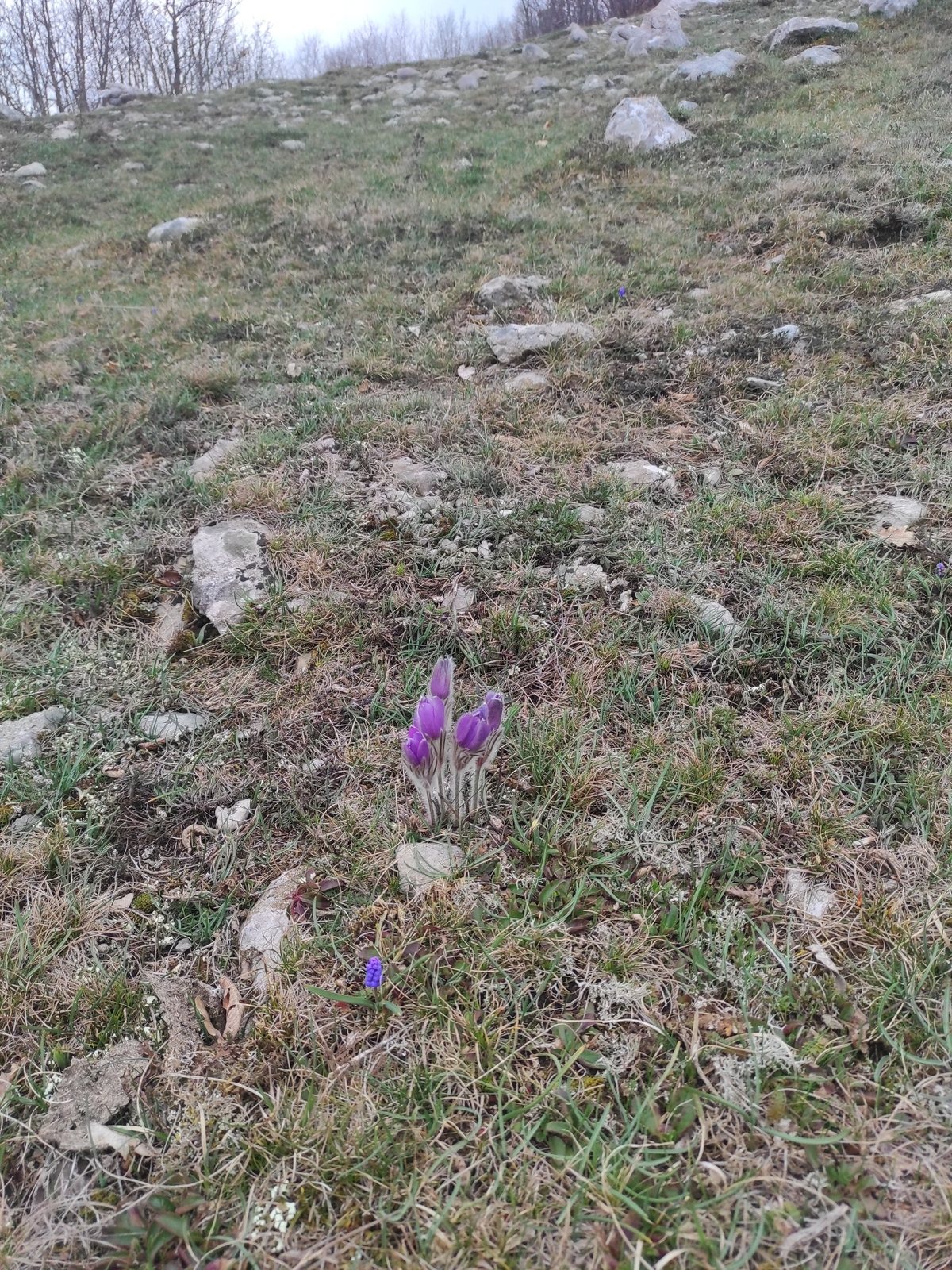
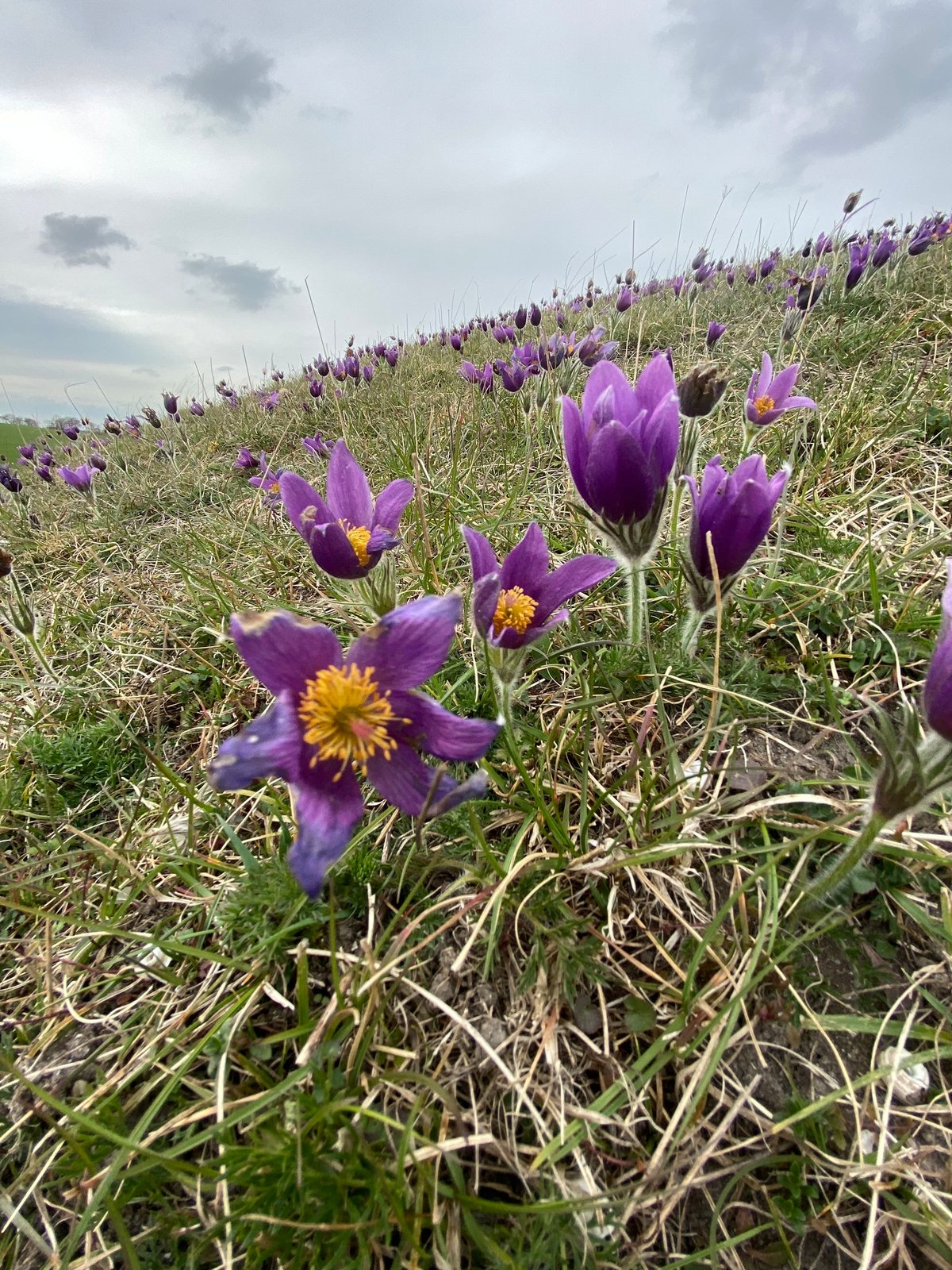
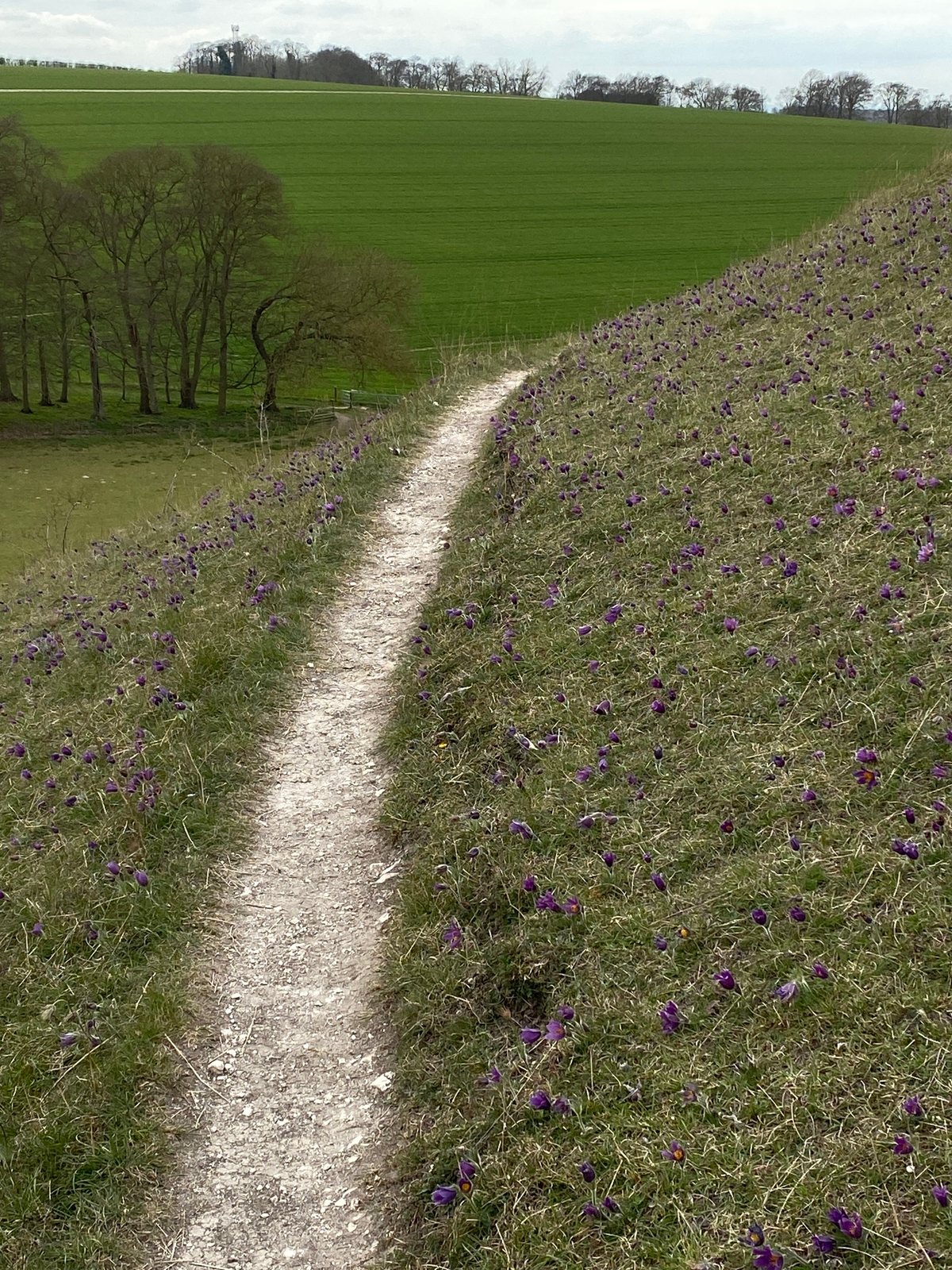
Pasque flower is a small, clump-forming perennial grown for its silky, purple spring flowers, yellow centres and feathery seed heads. It suits sunny rock gardens and gravel beds with excellent drainage, but struggles in waterlogged soil and hot, humid summers.
At a glance
- Sun
- Full sun; light afternoon shade can help in hotter areas.
- Water
- Low to moderate; water regularly while establishing, then during prolonged dry spells. Avoid persistently wet soil, especially in winter.
- Soil
- Well-drained, gritty or sandy soil, preferably neutral to alkaline. Avoid heavy, wet clay.
- Height
- 0.5-1 ft (0.15-0.3 m), with seed stems sometimes reaching 1.5 ft (0.45 m)
- Spread
- 0.5-1 ft (0.15-0.3 m)
- Flowers
- Early to mid-spring; usually violet-purple with yellow centres. White, pink and red-flowered selections are also available.
- Foliage
- Finely divided, fern-like green leaves covered with soft silvery hairs, especially when young; dies back in winter.
- Growth
- Slow to moderate
- Care needed
- Low
The year at a glance
- Pollinators
- Deer resistant
- Drought tolerant
- Cold hardy
- Low allergen
| J | F | M | A | M | J | J | A | S | O | N | D | |
|---|---|---|---|---|---|---|---|---|---|---|---|---|
| Flowers | ||||||||||||
| Fruit | ||||||||||||
| Plant |
Northern hemisphere months. In Australia, shift them by six.
- Difficulty
- Easy
- Toughness
- Very tough
Will it suit your garden?
Pick your zone, country, light and whether you have pets.
Full sun is 6 or more hours of direct sun a day, part shade 3 to 6 hours, shade under 3.
How it grows
Planting day
0.7 ft (0.22 m)
full size
About 4 years to full size.
From a typical nursery size, at an average rate for this kind of plant. A rule of thumb, not a forecast.
Good to know
- Cats and dogs
- Toxic
- Native to
- the UK
- Growth rate
- Slow
Care
Jobs through the year
- WaterMar–May, Sep, every 14 days
- Water established plants only during prolonged dry spells; give new plants water whenever their root zone dries.
- WaterJun–Aug, every 14 days
- During prolonged drought, water deeply and allow soil to dry slightly between waterings.
- PruneFeb–Mar
- Wearing gloves, remove dead foliage before new growth emerges; retain decorative seed heads after flowering.
- MulchMar
- Maintain a thin gravel dressing around the crown; add a little compost away from it only on very poor soil.
- ProtectMar–Apr
- Check emerging shoots for slug damage and use targeted controls if needed.
- ProtectJan–Feb, Oct–Dec
- Clear wet debris from crowns and keep drainage open; leave established deep roots undisturbed.
- Plant with the crown at soil level in a sunny position with sharp drainage.
- Water new plants during dry weather; let established plants dry slightly between waterings.
- Avoid heavy feeding; on very poor soil, apply a light dressing of compost in spring.
- Use gravel around the crown rather than deep organic mulch.
- Choose a permanent position: the deep roots dislike disturbance, and routine division is unnecessary.
Pruning. Leave spent flowers to develop their feathery seed heads. Remove dead foliage in late winter or early spring before new growth emerges, wearing gloves to avoid irritating sap.
Through the year
- Late winter
- Remove dead foliage and check that fallen leaves or mulch are not holding moisture around the crown.
- Early spring
- Plant container-grown plants once the ground is workable, taking care not to break up the root ball.
- Spring
- Water new plants during dry spells and watch emerging growth for slug damage.
- Late spring
- Leave seed heads for display; collect seed as it ripens if you want to raise more plants.
- Summer
- Sow fresh seed promptly and keep the seed compost lightly moist, not saturated.
- Autumn
- Clear wet debris from around the crown and check drainage before winter rain.
In the garden
- Plant in rock gardens or gravel beds where the silky flowers and seed heads can be seen close up.
- Use small groups at the front of a sunny border with low-growing spring bulbs.
- Combine with creeping thyme, candytuft and dwarf irises for a low, open planting on well-drained soil.
- Grow in a deep alpine trough with drainage holes and a gritty compost.
Garden styles it suits: Alpine rock garden, Dry gravel garden, Cottage garden, Pollinator garden, Small-space and Low-maintenance.
Plant it with: Creeping thyme, Candytuft, Creeping phlox, Dwarf bearded iris, Grape hyacinth and Species tulips.
Wildlife: The early flowers provide pollen and nectar for bees. It is a European species, not a native meadow plant in North America or Australia.
Problems to watch for
- Crown or root rot in wet soil: improve drainage before planting, use a raised position and keep wet mulch away from the crown.
- Slugs and snails eating emerging shoots: inspect during damp evenings and use barriers or locally approved controls if needed.
- Poor growth in hot, humid conditions: provide excellent drainage and light afternoon shade; choose a cooler site where possible.
- Failure after moving or dividing: avoid disturbing established plants and raise replacements from seed instead.
Safety
Toxic to people, cats, dogs and horses if eaten. All fresh parts contain irritant compounds that can cause mouth irritation, drooling, vomiting, abdominal pain and diarrhoea; substantial ingestion can be serious. Sap can irritate or blister skin, so wear gloves and keep plants away from grazing animals.
Easily confused with
Small pasque flower (Pulsatilla pratensis)
Its flowers are generally smaller, more narrowly bell-shaped and distinctly nodding, often with petal tips curled back; common pasque flower usually opens into a broader cup.
Poppy anemone (Anemone coronaria)
Usually has a dark central cluster of stamens and lacks the conspicuously silky flower surfaces and stems of pasque flower. Pasque flower has a prominent yellow centre.
The name
Pasque comes from a word for Easter, referring to its spring flowering season; Pulsatilla refers to the bell-like flowers, and vulgaris means common.
Propagation. Sow fresh seed soon after it ripens in late spring or early summer, covering lightly with grit and keeping it lightly moist. Older seed may germinate slowly or benefit from a cold period. Grow seedlings in individual deep pots and plant out young; division is difficult and risks damaging the roots.
Checked against open data
- Accepted botanical name
- Pulsatilla vulgaris
- Native range
- Austria, Belarus, Belgium, Czechoslovakia, Denmark, France, Germany, Great Britain, Hungary, Northwest European R, Poland and Romania.
- Measured
- Average height 23 cm.
Sources: GBIF (CC BY 4.0) and Trefle (CC BY 4.0). The care and design notes are LandscapeGPT's own.
See it in your own yard.
Upload a photo of your yard and see it redesigned with plants that suit your climate, each checked against your zone.