Perennial cornflower
Centaurea montana. Family Asteraceae. Perennial.
Also called Mountain bluet, Mountain cornflower, Bachelor's buttons.
Centaurea montana is a spreading, clump-forming perennial grown for its fringed blue flowers in late spring and early summer. Its soft grey-green leaves suit informal borders, but it can spread beyond its allotted space by underground stems and seed.
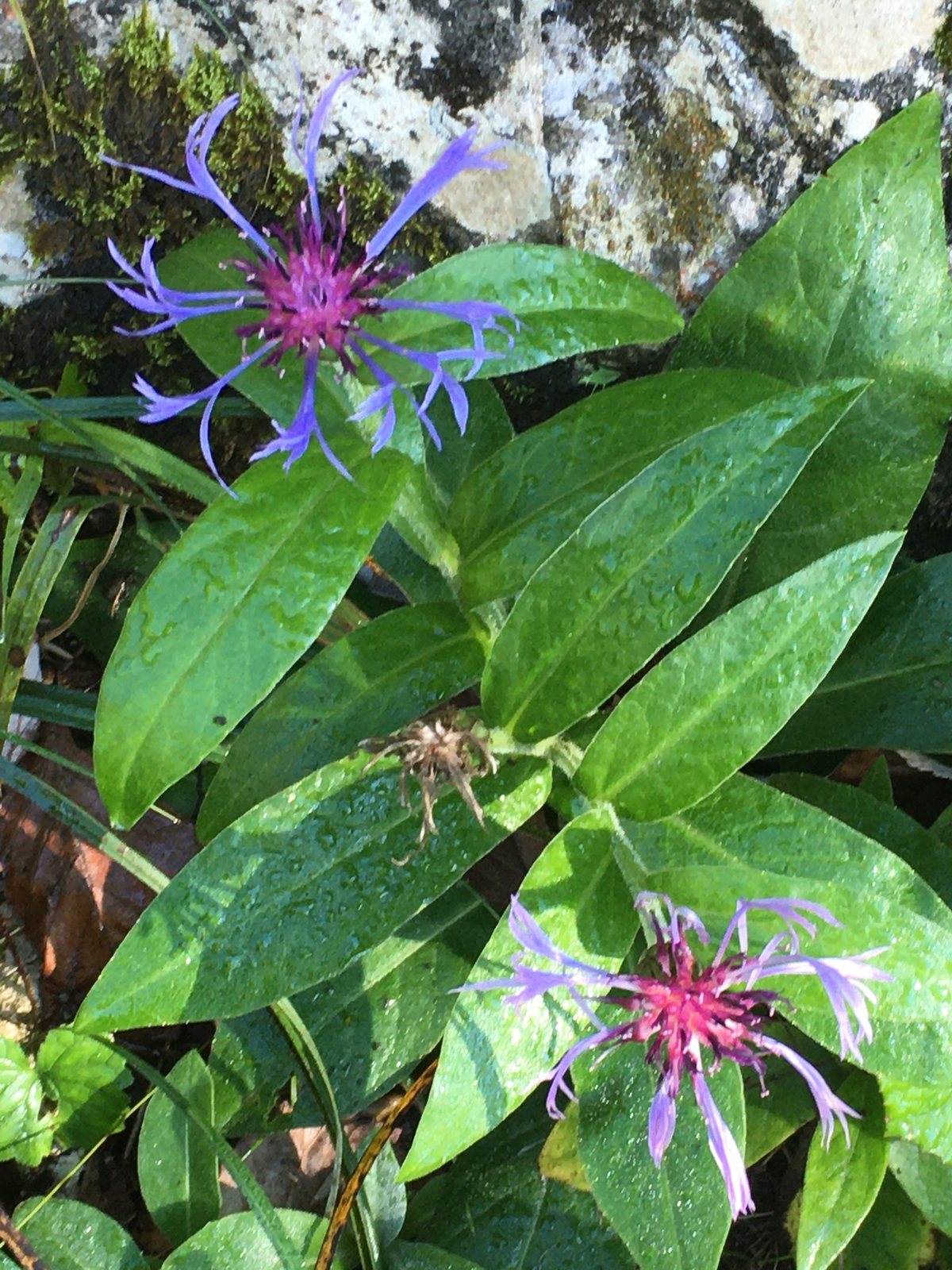
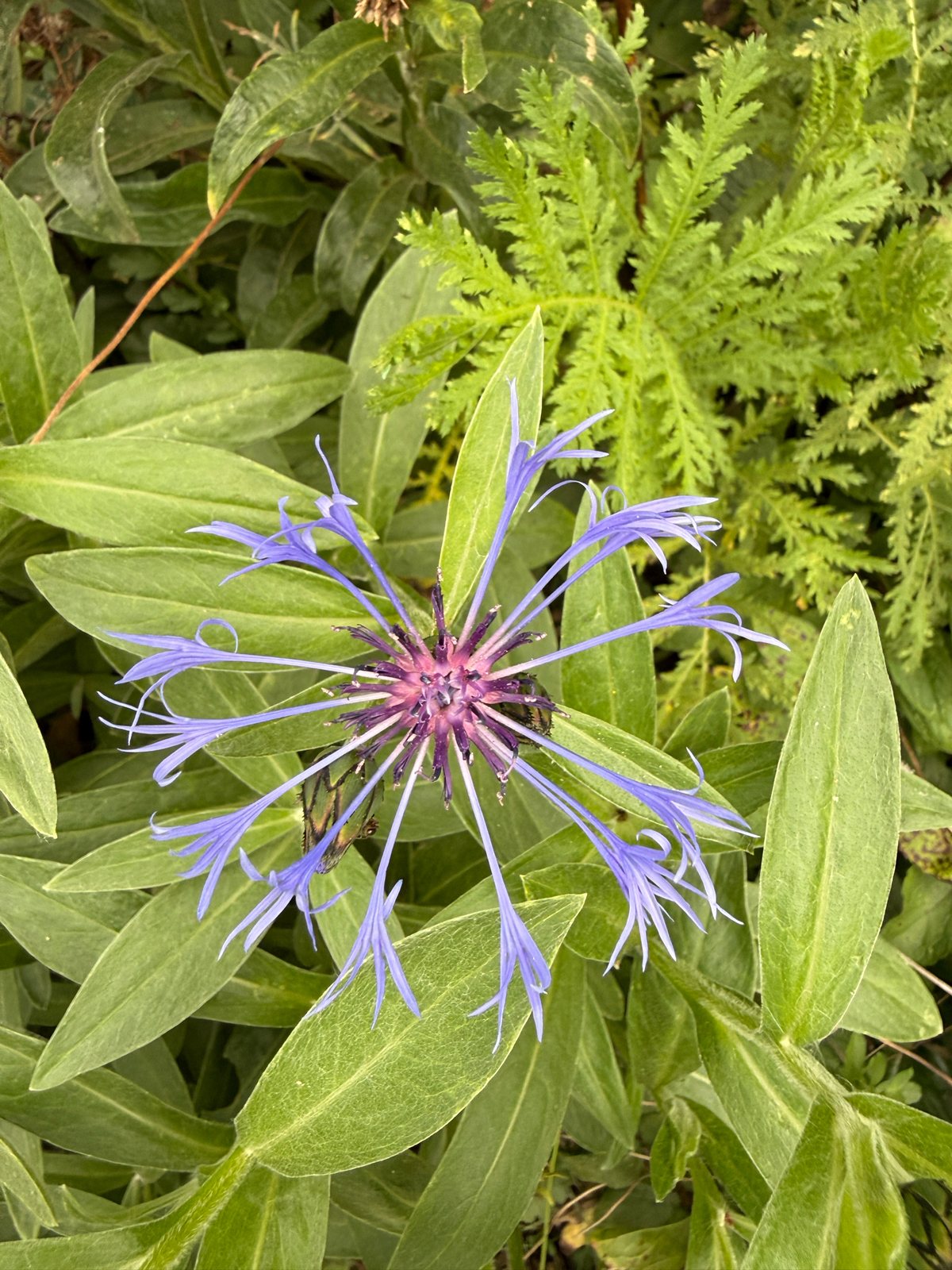
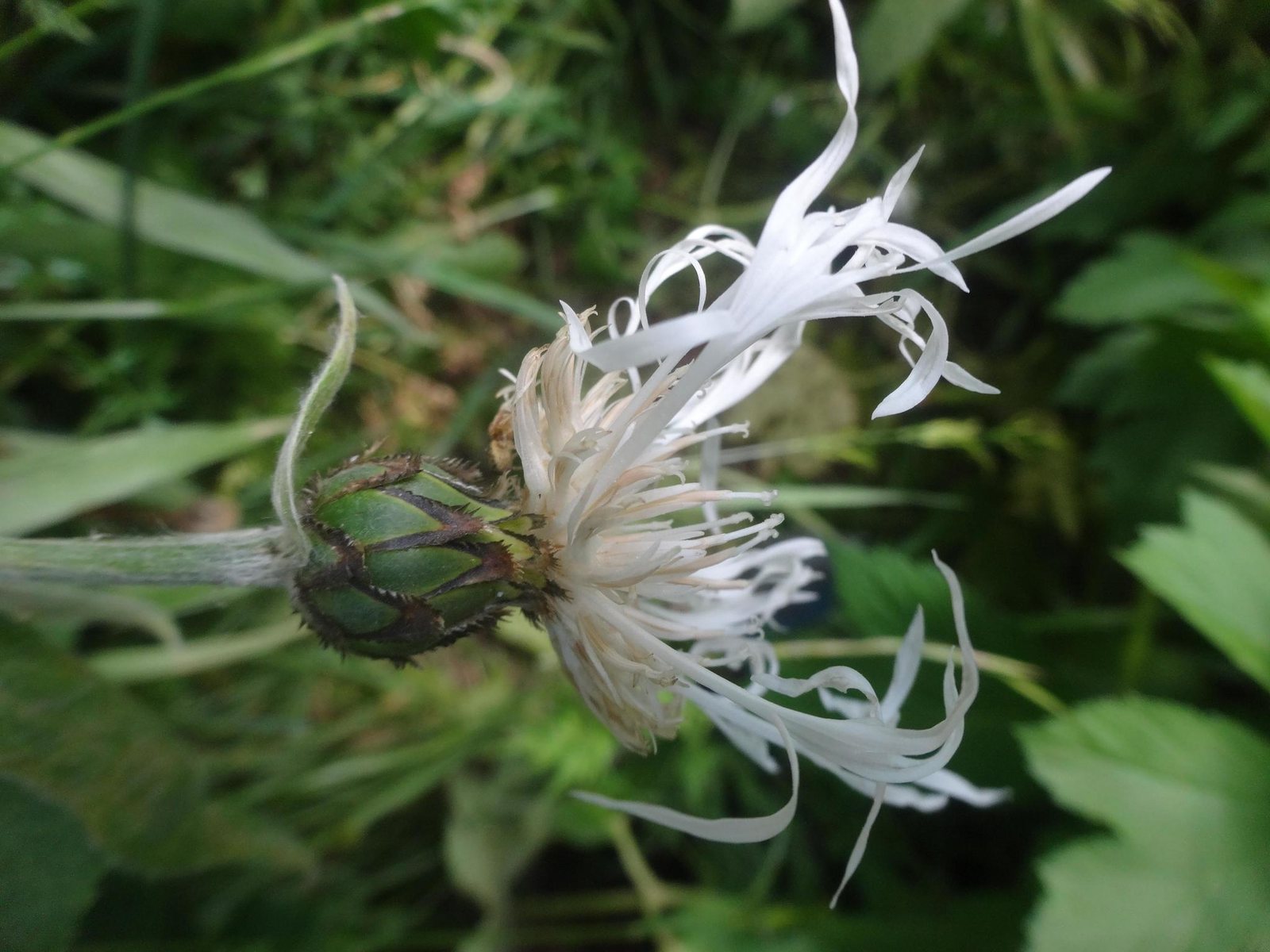
At a glance
- Sun
- Full sun to light partial shade; afternoon shade helps in warmer gardens.
- Water
- Water regularly while establishing. Established plants tolerate short dry spells, but flower best with some moisture; avoid persistently wet soil.
- Soil
- Well-drained, moderately fertile soil, from slightly acidic to alkaline. Avoid waterlogged clay and heavily enriched beds.
- Height
- 1-2 ft (0.3-0.6 m)
- Spread
- 1-2 ft (0.3-0.6 m), eventually wider if allowed to spread
- Flowers
- Late spring to early summer, with fringed violet-blue outer florets and reddish-purple centres; a smaller repeat flush may follow cutting back.
- Foliage
- Soft, slightly hairy, grey-green leaves, lance-shaped to oblong, on leafy stems.
- Growth
- Moderate to fast
- Care needed
- Medium
The year at a glance
- Pollinators
- Cold hardy
- Wildlife
- Low allergen
| J | F | M | A | M | J | J | A | S | O | N | D | |
|---|---|---|---|---|---|---|---|---|---|---|---|---|
| Flowers | ||||||||||||
| Plant |
Northern hemisphere months. In Australia, shift them by six.
- Difficulty
- Easy
- Toughness
- Very tough
Will it suit your garden?
Pick your zone, country, light and whether you have pets.
Full sun is 6 or more hours of direct sun a day, part shade 3 to 6 hours, shade under 3.
How it grows
Planting day
1 ft (0.3 m)
After 1 year
1.2 ft (0.36 m)
After 2 years
1.4 ft (0.42 m)
After 3 years
1.5 ft (0.45 m)
full size
About 2 years to full size.
From a typical nursery size, at an average rate for this kind of plant. A rule of thumb, not a forecast.
Good to know
- Cats and dogs
- Safe
- Native to
- the UK
- Invasive in
- the US and Canada
- In the garden
- Spreads vigorously: plan to contain it.
- Growth rate
- Fast
Care
Jobs through the year
- WaterApr–May, Sep, every 14 days
- Water established clumps if soil is dry; water new plants more often until rooted.
- WaterJun–Aug, every 10 days
- Water established clumps during dry spells, avoiding saturated soil.
- MulchMar–Apr
- Apply a thin compost mulch clear of the crown; additional fertilizer is rarely needed.
- DivideMar–Apr, Sep
- Divide every 3–4 years; use spring rather than autumn on cold or wet sites.
- PruneMar
- Remove dead stems and dig out shoots spreading beyond the planting area.
- PruneJun–Jul
- After the main flush, cut tired growth to 10–15 cm to encourage fresh foliage and possible repeat flowers.
- DeadheadMay–Aug, every 7 days
- Remove faded heads before seed ripens to limit spread.
- ProtectApr–Sep, every 30 days
- Remove unwanted seedlings and encroaching underground shoots, especially near natural areas.
- Water newly planted clumps during dry weather until roots are established.
- Apply a thin compost mulch in spring, keeping it away from the crown; routine feeding is rarely needed.
- Avoid rich fertiliser and excessive watering, which encourage floppy growth.
- Divide crowded clumps every 3-4 years in spring or early autumn.
- Remove unwanted shoots and seedlings promptly, especially near natural areas.
Pruning. Remove spent flower heads before seed ripens. After the main flowering flush, cut tired stems and foliage back to about 4-6 in (10-15 cm) above the ground to encourage fresh growth and possible repeat flowering.
Through the year
- Early spring
- Remove dead stems and check for shoots spreading beyond the planting area.
- Spring
- Plant or divide clumps, water them in, and apply a thin compost mulch.
- Late spring
- Deadhead fading flowers regularly to limit self-seeding.
- Early summer
- Cut back after the main flowering flush and water if the soil is dry.
- Late summer
- Remove unwanted seedlings and check foliage for mildew.
- Autumn
- Divide overgrown clumps where winters are mild enough for roots to establish; otherwise wait until spring.
In the garden
- Plant in small groups toward the front or middle of cottage borders, alongside hardy geraniums and lady's mantle.
- Combine with catmint and salvias for a loose blue-and-purple planting in a sunny border.
- Use beside pale pink peonies or roses, where its blue flowers provide a cool contrast.
- Plant along a sunny woodland edge with good drainage, leaving access to control spreading clumps.
Garden styles it suits: Cottage garden, English country, Blues and silvers, Pollinator garden, Modern rustic and Traditional.
Plant it with: Hardy geranium, Lady's mantle, Catmint, Meadow sage, Peony and Bearded iris.
Wildlife: The flowers provide nectar and pollen for bees and attract butterflies and other flower-visiting insects.
Problems to watch for
- Powdery mildew: improve airflow, avoid drought stress, and cut back badly affected foliage after flowering.
- Root or crown rot in wet soil: improve drainage or move the plant to a raised position; discard badly rotted plants.
- Flopping stems: reduce feeding, provide more sun, and use discreet supports if needed.
- Unwanted spread: deadhead before seed develops, remove seedlings, and dig out encroaching underground stems.
Safety
Not known to be toxic to people, cats, dogs or horses. No particular part is established as poisonous, but species-specific safety information is limited; do not treat it as an edible plant or livestock feed.
Where it spreads. Can spread aggressively by underground stems and seed. It is reported as invasive in parts of the Pacific Northwest, including Washington State and British Columbia; check local guidance before planting and keep it away from natural habitats.
Easily confused with
Annual cornflower (Centaurea cyanus)
An annual with narrower leaves and more slender, branching stems; mountain bluet has broader leaves and forms a persistent spreading clump.
Persian cornflower (Centaurea dealbata)
Usually has pink flowers with pale centres and deeply divided leaves with whitish undersides, rather than blue flowers and mostly undivided leaves.
The name
The epithet montana means 'of mountains', reflecting the species' European mountain habitats, while perennial cornflower distinguishes it from the annual cornflower.
Propagation. Divide clumps in spring or early autumn, keeping roots and healthy shoots on each piece. The species can also be raised from seed, but seedlings of named cultivars may differ from the parent.
Checked against open data
- Accepted botanical name
- Centaurea montana
- In the US and Canada
- Introduced in Alaska, Canada, the lower 48 states and St. Pierre and Miquelon.
- Native range
- Austria, Baltic States, Belgium, Czechoslovakia, France, Germany, Great Britain, Ireland, Italy, Netherlands, Northwest European R and Norway.
- Measured
- Average height 45 cm.
Sources: GBIF (CC BY 4.0), USDA PLANTS and Trefle (CC BY 4.0). The care and design notes are LandscapeGPT's own.
See it in your own yard.
Upload a photo of your yard and see it redesigned with plants that suit your climate, each checked against your zone.