Persian lime
Citrus × latifolia. Family Rutaceae. Tree.
Also called Tahiti lime, Bearss lime.
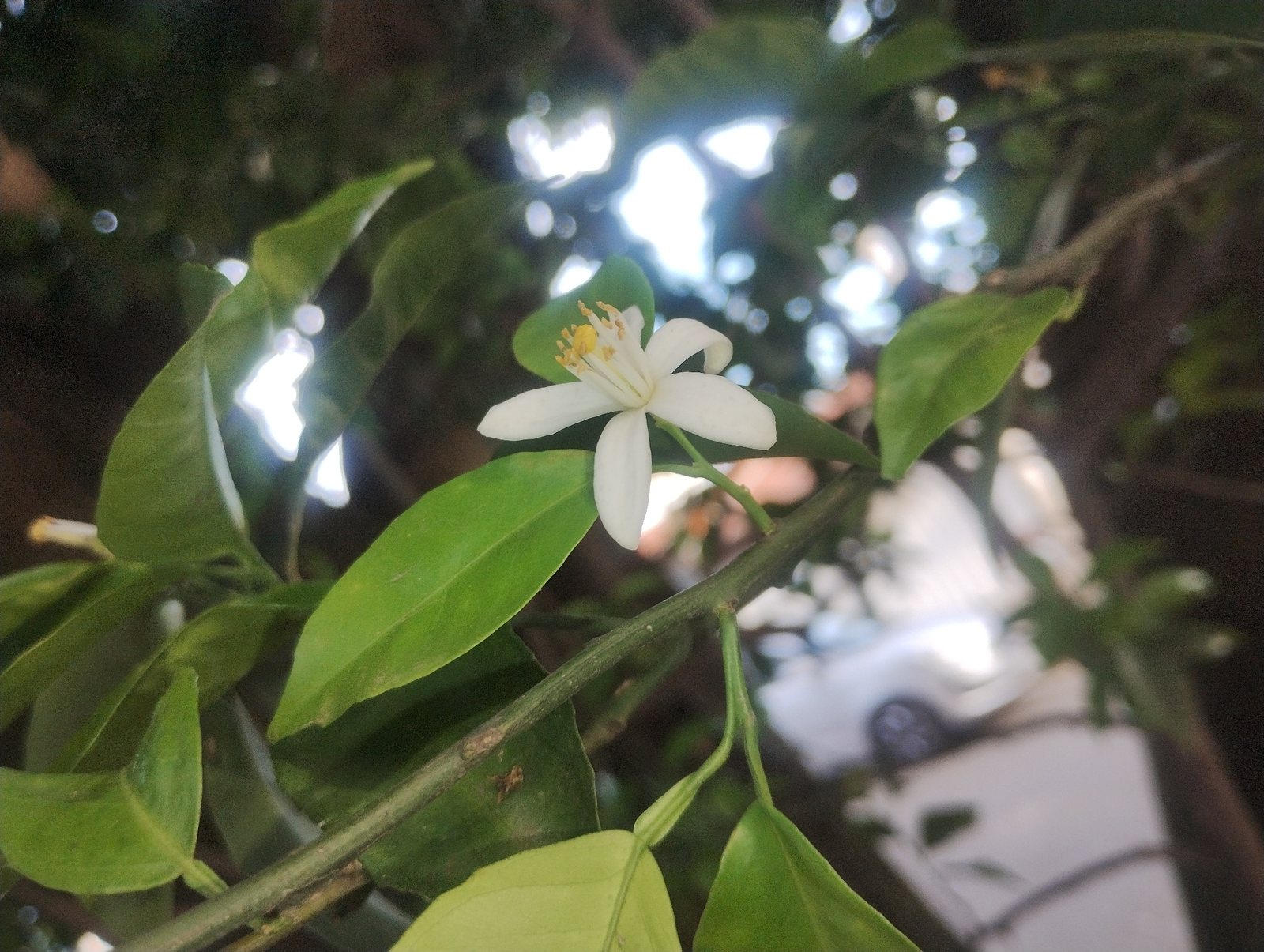
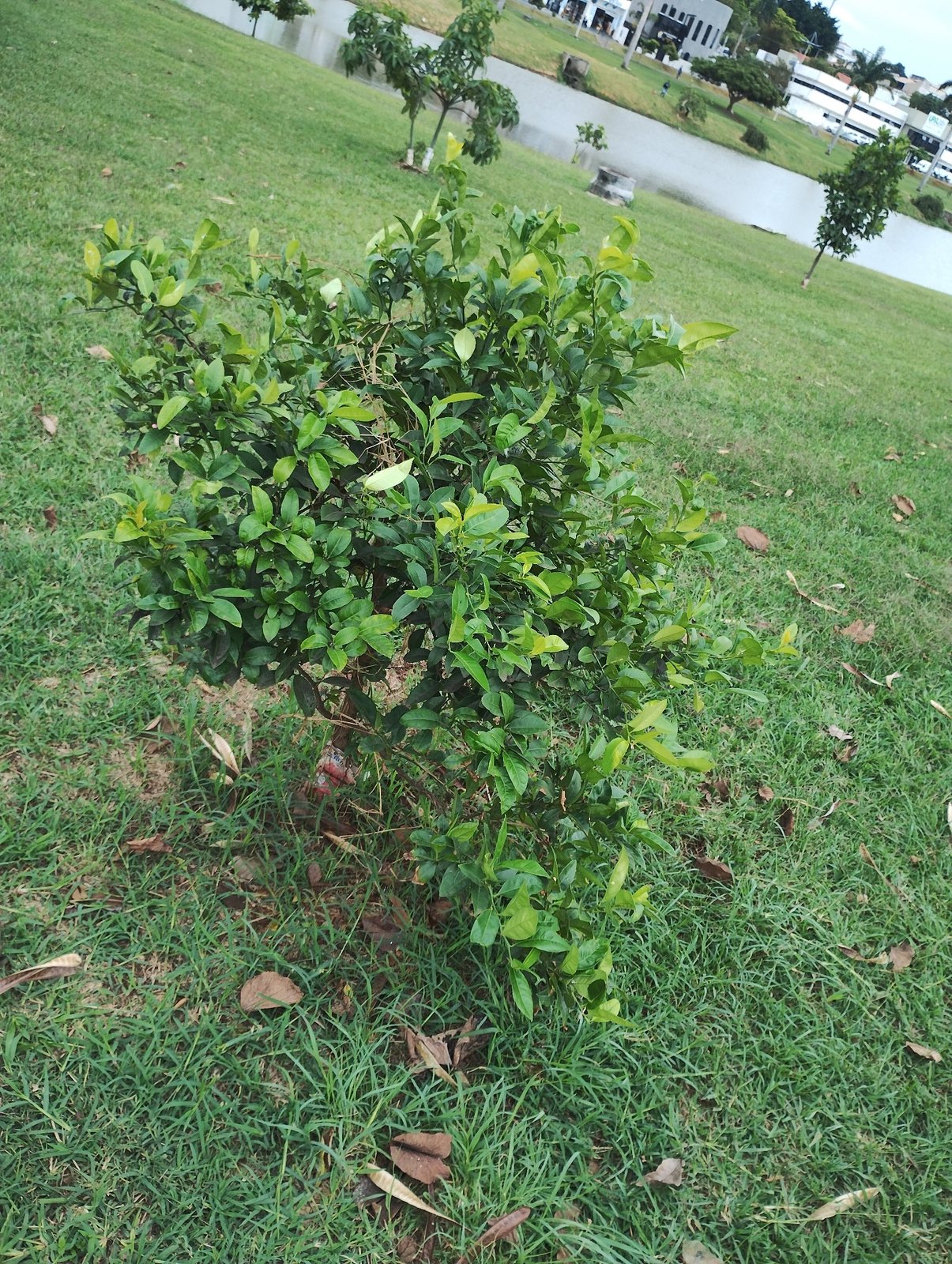
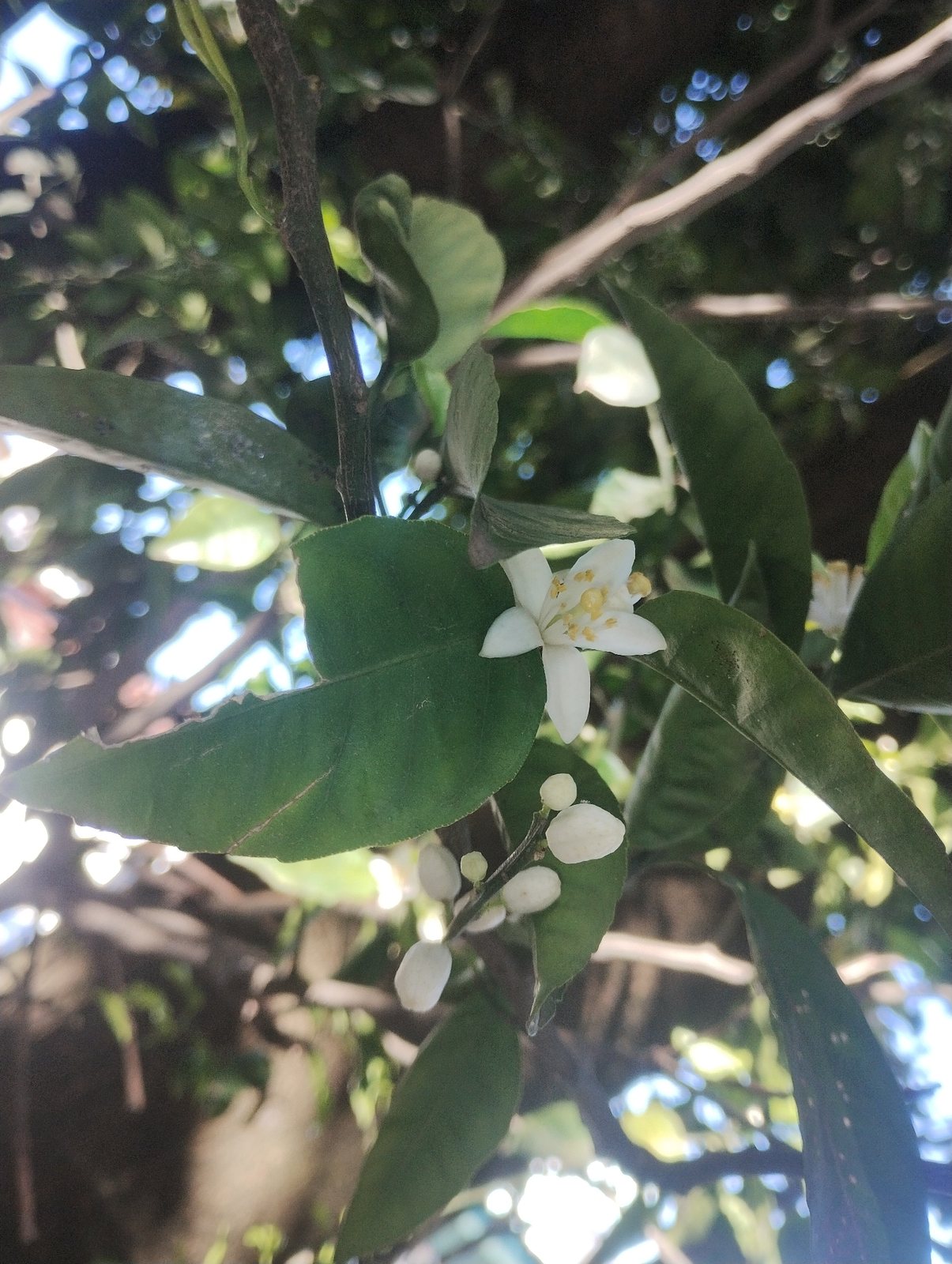
Persian lime (Citrus × latifolia) is a small evergreen citrus tree grown for its juicy, usually seedless, green fruit and fragrant white flowers. It needs a warm, sheltered position; in the UK, most of Canada and colder parts of the United States and Australia, grow it in a container and overwinter it under bright, frost-free cover.
At a glance
- Sun
- Full sun, ideally at least 6-8 hours daily, sheltered from cold and drying winds.
- Water
- Water deeply when the upper soil begins to dry, allowing excess water to drain. Containers need more frequent watering in warm weather and much less during cool overwintering.
- Soil
- Well-drained, slightly acidic soil, ideally pH 6.0-7.0. Use a free-draining citrus potting mix in containers; avoid waterlogged ground.
- Height
- 15-20 ft (4.5-6 m); usually smaller in containers
- Spread
- 10-15 ft (3-4.5 m)
- Flowers
- Fragrant white flowers, mainly in spring, with further flushes possible in warm climates.
- Foliage
- Evergreen. Glossy, dark green, oval leaves on branches that may carry a few thorns.
- Growth
- Moderate in warm conditions; slower in containers and cool climates.
- Care needed
- Medium
The year at a glance
- Pollinators
- Heat tolerant
- Low allergen
- Fragrant
- Edible
| J | F | M | A | M | J | J | A | S | O | N | D | |
|---|---|---|---|---|---|---|---|---|---|---|---|---|
| Flowers | ||||||||||||
| Fruit | ||||||||||||
| Plant |
Northern hemisphere months. In Australia, shift them by six.
- Difficulty
- Hard
- Toughness
- Needs looking after
Will it suit your garden?
Pick your zone, country, light and whether you have pets.
Full sun is 6 or more hours of direct sun a day, part shade 3 to 6 hours, shade under 3.
How it grows
Planting day
7 ft (2 m)
After 1 year
7 ft (2.1 m)
After 2 years
7 ft (2.3 m)
After 3 years
8 ft (2.4 m)
After 5 years
9 ft (2.6 m)
About 26 years to full size.
From a typical nursery size, at an average rate for this kind of plant. A rule of thumb, not a forecast.
Good to know
- Cats and dogs
- Toxic
- Growth rate
- Slow
Care
Jobs through the year
- WaterMar–May, Sep–Oct, every 7 days
- Grow in a movable pot locally; water when the upper compost dries and drain freely.
- WaterJun–Aug, every 3 days
- For container plants, check daily in heat and water when the upper compost dries.
- WaterJan–Feb, Nov–Dec, every 14 days
- Under bright frost-free shelter, water sparingly when drying; never let the root ball dry completely.
- FeedMar–Sep, every 14 days
- Use citrus feed with trace elements during active growth; follow product dosing and frequency.
- PruneMay
- Prune lightly after frost risk passes; remove damaged branches and shoots below the graft.
- MulchMay
- Apply a thin organic mulch, keeping it at least 15 cm from the trunk.
- ProtectSep–Oct
- Move the pot into bright frost-free shelter before cold nights; outdoor overwintering is unsuitable locally.
- ProtectMay–Jun
- After frost risk passes, gradually acclimatise sheltered plants to outdoor sun.
- HarvestAug–Dec, every 7 days
- Check full-sized fruit for juice content and clip ripe fruit; green skin can indicate ripe limes.
- Plant with the root flare at soil level and the graft union well above the soil.
- Water the root area deeply, but never leave a container standing in water.
- Feed with a citrus fertiliser containing trace elements during active growth, following the label.
- Mulch with organic material, keeping it at least 6 in (15 cm) away from the trunk.
- Move container plants into bright, frost-free shelter before frosts; acclimatise them gradually when returning outdoors.
- Remove shoots growing from below the graft union.
Pruning. Prune lightly in spring after frost risk has passed, removing dead, damaged and crossing branches. Shorten overlong shoots to manage size, but avoid hard pruning that removes fruiting wood and exposes bark to sunburn.
Harvest
Pick full-sized fruit when the skin is smooth and glossy and a sample fruit is juicy; green fruit is ready before it turns yellow, and rind colour alone does not prove ripeness. Clip fruit from the tree rather than pulling it, and expect the first worthwhile crop about 2-3 years after planting a grafted nursery tree, sometimes longer in containers or cool climates.
Through the year
- Spring
- After frost risk passes, prune lightly and begin feeding as new growth starts.
- Late spring
- Gradually acclimatise overwintered container trees to outdoor sun.
- Summer
- Check soil moisture frequently and inspect young growth for leaf miner, aphids and scale.
- Late summer
- Sample full-sized fruit for juice content and harvest as it becomes ready.
- Autumn
- Move container trees under frost-free cover before cold nights arrive; reduce feeding as growth slows.
- Winter
- Keep sheltered trees in strong light, water sparingly without letting roots dry out, and check for mites and scale.
In the garden
- Use as a small specimen tree in a sunny, sheltered edible garden.
- Grow in a large container beside a patio or courtyard, with access for winter moving.
- Repeat matching container trees along a terrace for evergreen structure and fragrant flowers.
- Combine with low culinary herbs around the outer edge of the canopy, leaving the trunk and main root area uncrowded.
Garden styles it suits: Mediterranean, Modern courtyard, Potager (kitchen garden), Edible landscape, Backyard orchard and Small-space.
Plant it with: Chives, Thyme, Oregano, Sweet alyssum and Nasturtium.
Wildlife: Flowers provide nectar and pollen for bees and other insects. The tree is self-fertile, so a second citrus tree is not needed for fruit.
Problems to watch for
- Scale insects and aphids cause sticky honeydew and sooty mould: inspect stems and leaf undersides, control tending ants, and use a labelled horticultural oil or insecticidal soap when needed.
- Citrus leaf miner makes winding tunnels in young leaves: avoid excessive nitrogen, retain damaged leaves that still function, and protect small trees with locally recommended controls.
- Root rot causes yellowing, leaf drop and decline in wet soil: improve drainage, keep mulch away from the trunk and never leave pots standing in water.
- Citrus greening disease causes uneven leaf mottling, misshapen fruit and decline where its psyllid vectors occur: buy certified nursery stock and report suspected symptoms to your local plant-health authority; there is no cure.
Safety
The fruit flesh and juice are edible for people. Peel oils and sap can cause skin irritation, and lime juice on skin followed by sunlight can cause serious blistering. Citrus oils and compounds in the peel and leaves are toxic to cats, dogs and horses if eaten, potentially causing digestive upset and other illness; keep pets from chewing the plant or eating discarded peel.
Easily confused with
Key lime (Citrus × aurantiifolia)
Usually has smaller, rounder, seedier fruit and more thorny growth; Persian lime fruit is larger, more oval and usually seedless.
Lemon (Citrus × limon)
Lemons usually have a more prominent pointed end and a distinct lemon aroma. Persian limes can also turn yellow when fully ripe, so colour alone is unreliable.
Makrut lime (Citrus hystrix)
Has strongly winged leaf stalks that give the leaves a double-lobed outline, and very bumpy fruit; Persian lime leaves have much narrower wings and its fruit is smoother.
The name
The botanical epithet latifolia means 'broad-leaved', while 'Persian' and 'Tahiti' reflect historical associations with its movement in cultivation rather than a certain place of origin.
Propagation. Usually propagated by budding or grafting onto a suitable citrus rootstock. Cuttings can root under warm, humid conditions, but own-root plants lack the benefits of selected rootstocks; the usually seedless fruit is not a practical seed source.
Checked against open data
- Accepted botanical name
- Citrus latifolia
Sources: GBIF (CC BY 4.0). The care and design notes are LandscapeGPT's own.
See it in your own yard.
Upload a photo of your yard and see it redesigned with plants that suit your climate, each checked against your zone.