Pincushion flower
Scabiosa columbaria. Family Caprifoliaceae. Perennial.
Also called Small scabious, Dove pincushion flower.
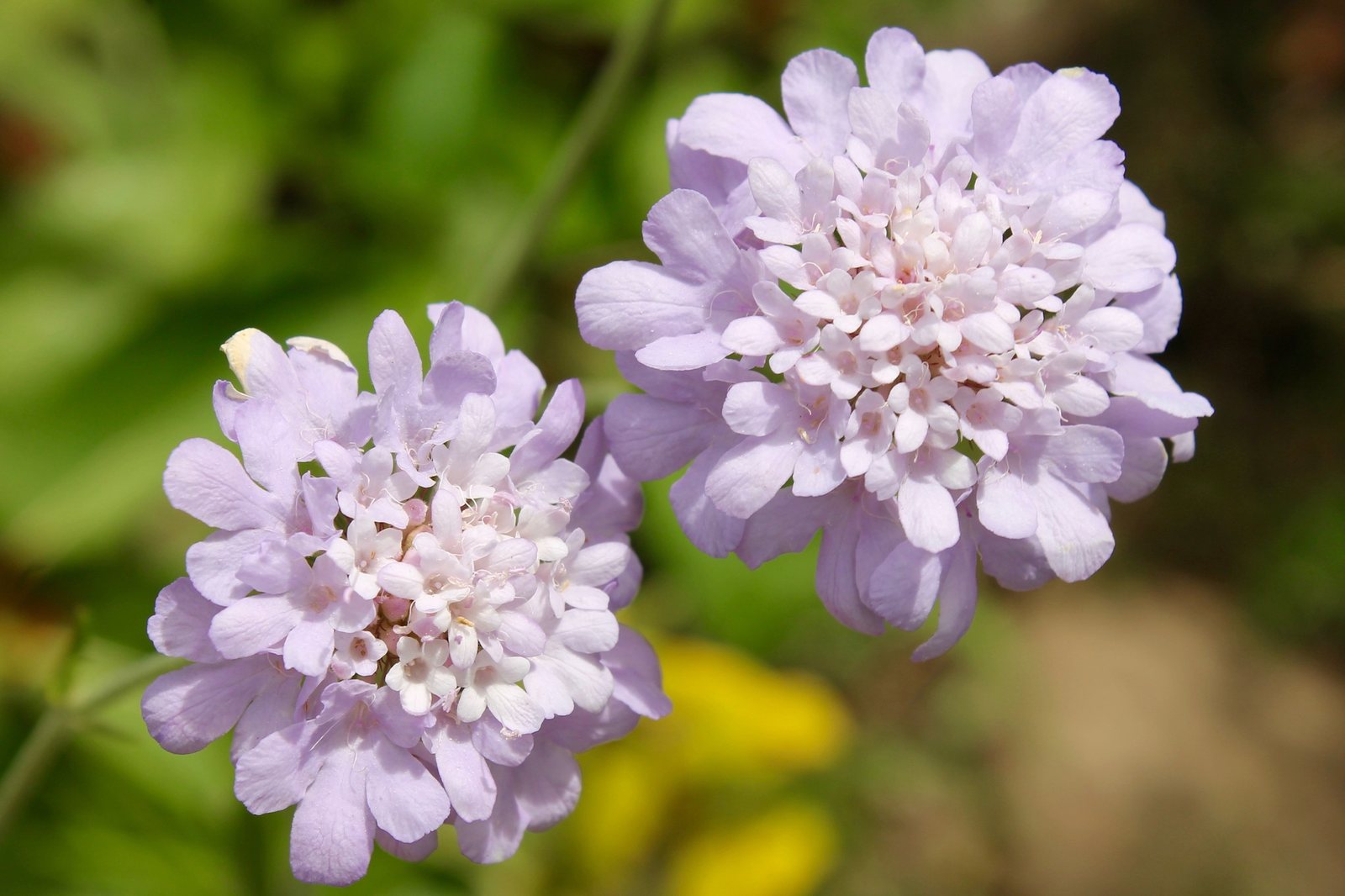
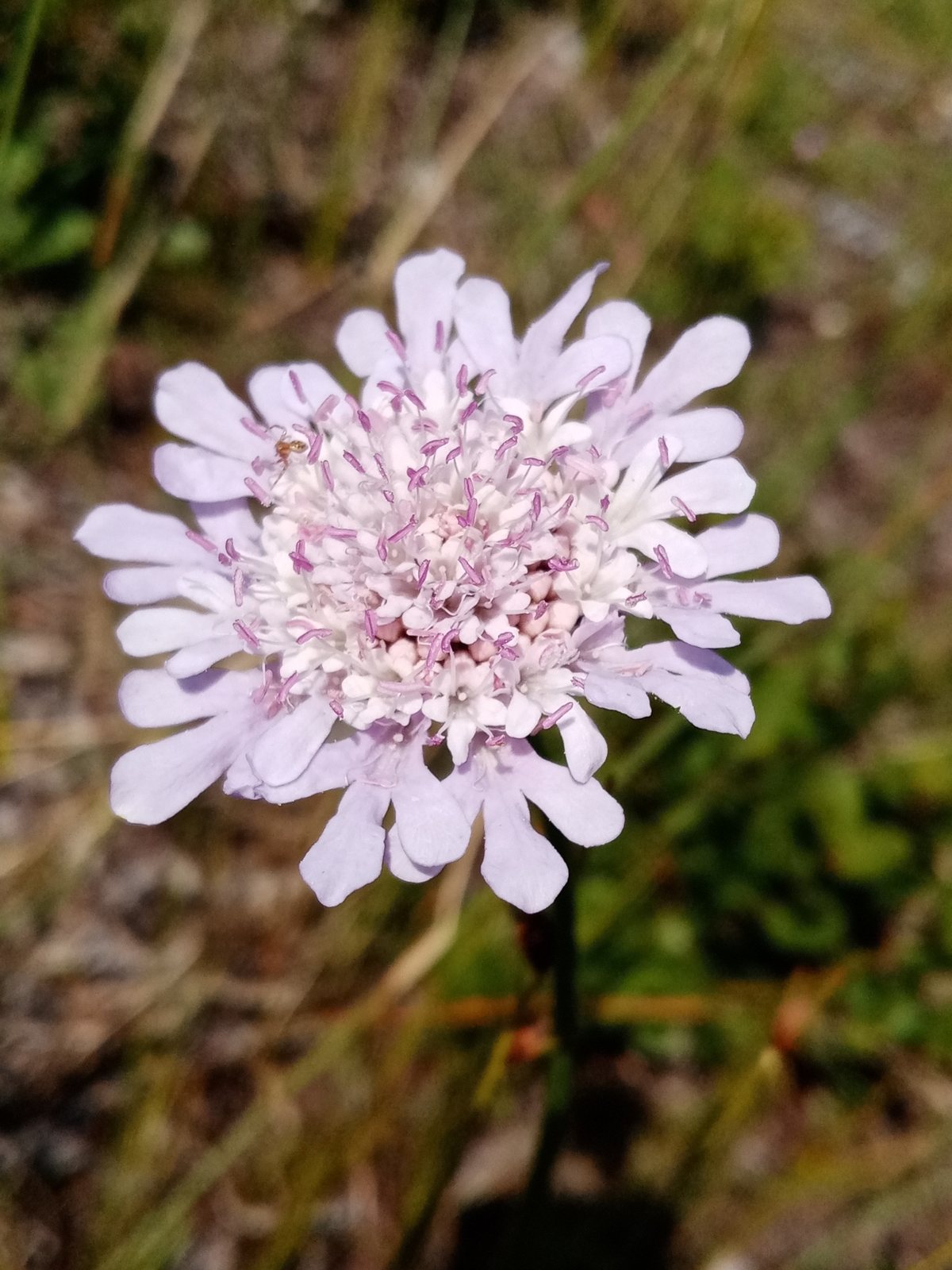
Pincushion flower is a compact, clump-forming perennial with lilac-blue flower heads held above finely divided foliage. Gardeners grow it for its long flowering season, light texture and appeal to pollinating insects. It can be short-lived where winters are wet or summers are persistently hot and humid.
At a glance
- Sun
- Full sun; light afternoon shade can help in hot climates, but too much shade reduces flowering.
- Water
- Water regularly while establishing, then during prolonged dry spells. Established plants tolerate some drought but flower better with occasional deep watering.
- Soil
- Well-drained, moderately fertile soil, preferably neutral to alkaline. Sandy, gravelly or chalky soils suit it; avoid waterlogged clay.
- Height
- 1-2 ft (0.3-0.6 m)
- Spread
- 1-1.5 ft (0.3-0.45 m)
- Flowers
- Late spring through summer, often continuing into autumn with deadheading; usually lilac-blue, occasionally pink or white.
- Foliage
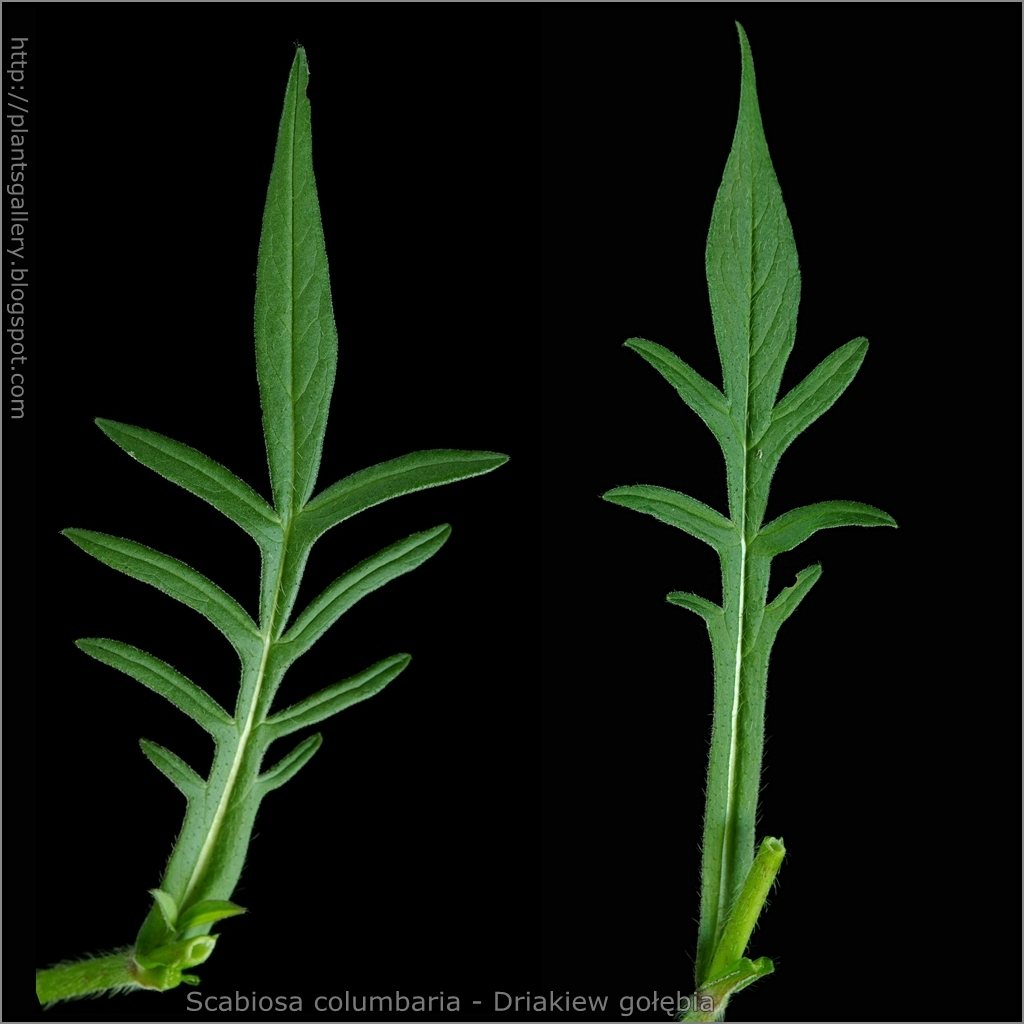
- Grey-green to green leaves form a low basal clump; lower leaves are broader and upper leaves are more finely divided. Some foliage may persist through mild winters.
- Growth
- Moderate
- Care needed
- Low
The year at a glance
- Pollinators
- Deer resistant
- Drought tolerant
- Heat tolerant
- Low allergen
| J | F | M | A | M | J | J | A | S | O | N | D | |
|---|---|---|---|---|---|---|---|---|---|---|---|---|
| Flowers | ||||||||||||
| Fruit | ||||||||||||
| Plant |
Northern hemisphere months. In Australia, shift them by six.
- Difficulty
- Easy
- Toughness
- Fairly tough
Will it suit your garden?
Pick your zone, country, light and whether you have pets.
Full sun is 6 or more hours of direct sun a day, part shade 3 to 6 hours, shade under 3.
How it grows
Planting day
1 ft (0.3 m)
After 1 year
1.1 ft (0.35 m)
After 2 years
1.3 ft (0.4 m)
After 3 years
1.5 ft (0.45 m)
full size
About 3 years to full size.
From a typical nursery size, at an average rate for this kind of plant. A rule of thumb, not a forecast.
Good to know
- Cats and dogs
- Safe
- Native to
- the UK
- Growth rate
- Moderate
Care
Jobs through the year
- WaterApr–May, Sep–Oct, every 14 days
- Water established clumps only if soil is dry; young plants need more frequent watering.
- WaterJun–Aug, every 7 days
- During dry spells, water established clumps deeply and let the surface dry between waterings.
- FeedMar–Apr
- Apply a light compost dressing; avoid rich or high-nitrogen feeds.
- MulchApr
- Use a thin gravel mulch, leaving the crown exposed.
- PruneMar
- Remove dead stems and damaged foliage without cutting into the crown.
- DeadheadMay–Oct, every 7 days
- Cut faded stems to a leaf or side shoot; leave a few autumn heads for seed if wanted.
- DivideMar–Apr
- Divide crowded or declining clumps every two to three years.
- ProtectNov
- Clear debris from the crown and correct any pooling winter water.
- Water newly planted clumps when the surrounding soil begins to dry; let the surface dry between waterings.
- Keep the crown at soil level and avoid sites that collect winter rain.
- Apply a light dressing of compost in spring; avoid heavy feeding, which encourages floppy growth.
- Use a thin gravel mulch around the crown rather than piling damp organic mulch against it.
- Divide crowded or declining clumps in spring, usually every two to three years.
Pruning. Snip spent flower stems back to a leaf or side shoot throughout the flowering season. In early spring, remove dead stems and damaged foliage without cutting into the crown.
Through the year
- Early spring
- Remove dead growth and check that the crown has not become buried or waterlogged.
- Spring
- Plant or divide clumps once the soil is workable, allowing room for air circulation.
- Late spring
- Water establishing plants during dry weather and begin deadheading as flowers fade.
- Summer
- Deadhead regularly and water deeply during prolonged drought.
- Early autumn
- Leave a few flower heads if you want to collect seed or allow occasional seedlings.
- Late autumn
- Remove fallen debris from around the crown and check drainage before winter.
In the garden
- Plant along the front of sunny borders, where the low foliage keeps the edge tidy and flower stems add lightness.
- Repeat small groups among catmint, hardy geraniums and salvias for a long-flowering blue-and-purple border.
- Use in gravel gardens with thyme and low ornamental grasses, keeping the crown clear of damp mulch.
- Include in sunny pollinator beds near paths, where visiting bees and butterflies are easy to watch.
Garden styles it suits: Cottage garden, English country, Pollinator garden, Dry gravel garden, Blues and silvers and New perennial (prairie).
Plant it with: Catmint, Hardy geranium, Perennial salvia, Yarrow, Lavender and Creeping thyme.
Wildlife: The nectar-rich flowers attract bees, butterflies and other pollinating insects. Its value as a larval food plant varies by region; it is not a substitute for locally native host plants.
Problems to watch for
- Crown or root rot in wet soil: improve drainage or move the plant to a raised bed; discard badly rotted clumps.
- Powdery mildew: increase spacing, provide full sun and water the soil rather than repeatedly wetting the leaves.
- Aphids on young shoots: wash them off with water and encourage ladybirds and other predators.
- Weak growth or poor flowering in shade or rich soil: move to a sunnier position and stop high-nitrogen feeding.
Safety
Not known to be toxic to cats, dogs, horses or people, and no part is generally recognised as poisonous. It is not an edible plant; discourage pets and children from eating it.
Easily confused with
Sweet scabious (Scabiosa atropurpurea)
Usually a taller annual or short-lived perennial with larger, often fragrant flowers in colours including deep burgundy, pink and white; its foliage is generally less finely divided.
Caucasian pincushion flower (Lomelosia caucasica)
Has much larger, flatter flower heads with a conspicuous ring of broad, ruffled outer florets, usually on longer stems.
Field scabious (Knautia arvensis)
Usually taller and coarser, with hairier foliage; its individual florets have four lobes rather than the five typical of Scabiosa.
The name
Scabiosa comes from the Latin for scabies, reflecting historical medicinal use, while pincushion flower describes the projecting flower parts that resemble pins.
Propagation. Sow seed in spring, or divide healthy clumps in spring. Seed-grown plants vary, so divide named cultivars or take basal cuttings in spring to preserve their characteristics.
Checked against open data
- Accepted botanical name
- Scabiosa columbaria
- In the US and Canada
- Introduced in the lower 48 states.
- Native range
- Albania, Algeria, Angola, Austria, Baltic States, Belarus, Belgium, Bulgaria, Cameroon, Central European Rus, Congo and Corse.
- Measured
- Soil pH 6.5 to 7. Average height 28 cm.
Sources: GBIF (CC BY 4.0), USDA PLANTS and Trefle (CC BY 4.0). The care and design notes are LandscapeGPT's own.
See it in your own yard.
Upload a photo of your yard and see it redesigned with plants that suit your climate, each checked against your zone.