Pink 'Mrs Sinkins'
Dianthus 'Mrs Sinkins'. Family Caryophyllaceae. Perennial.
Also called Dianthus 'Mrs Sinkins', Mrs Sinkins pink, Garden pink 'Mrs Sinkins'.
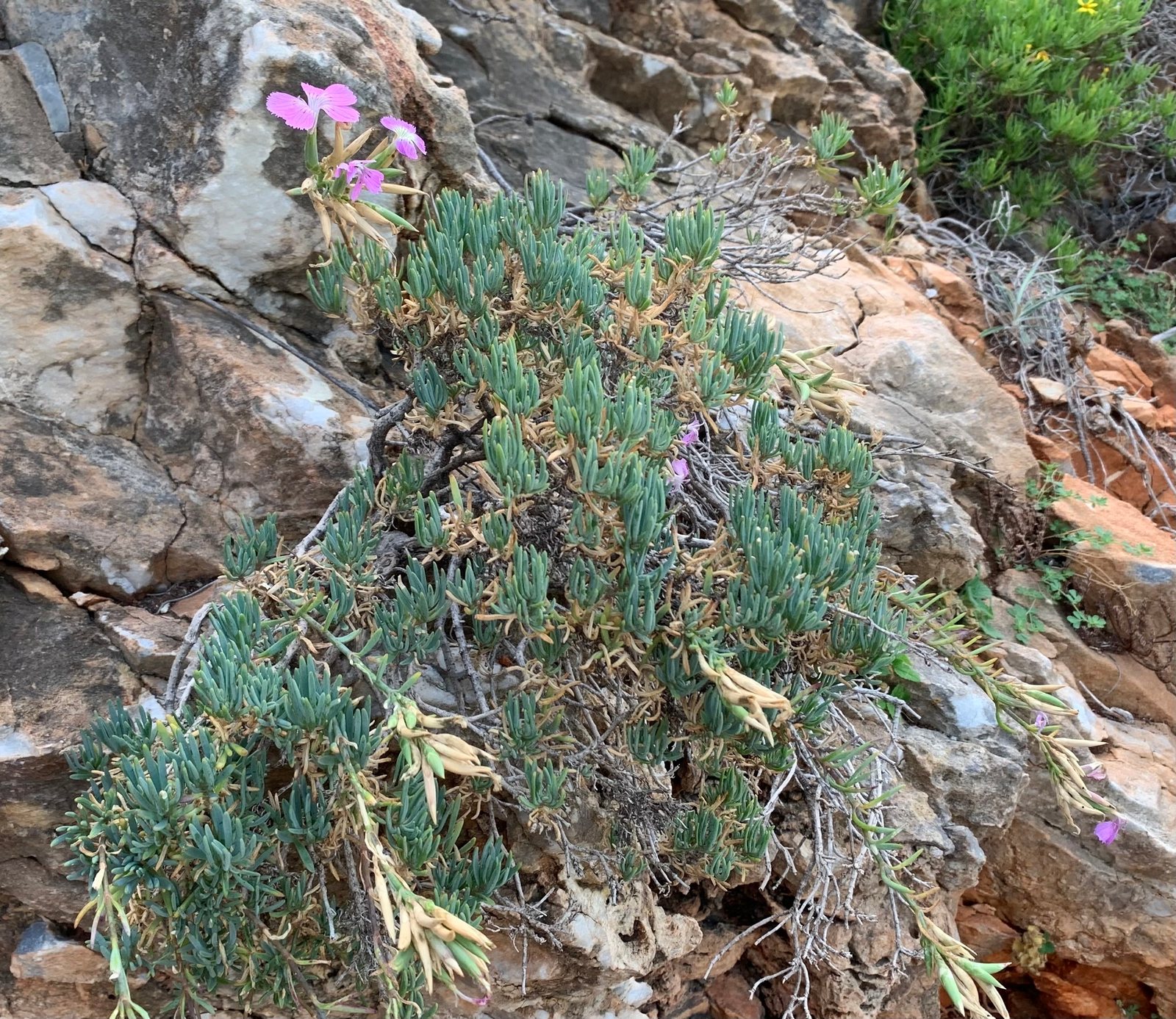
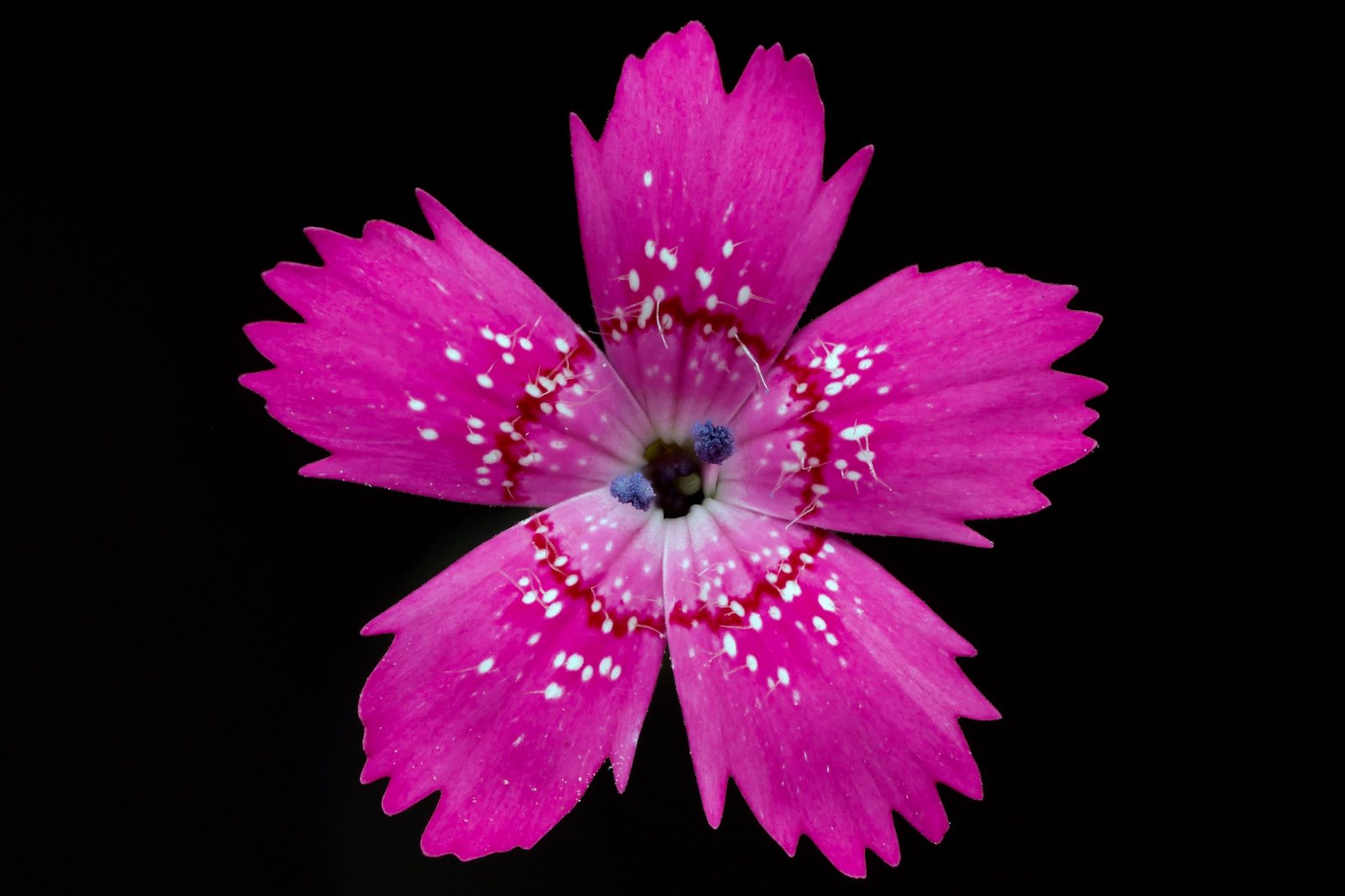
An old-fashioned garden pink with narrow grey-green leaves and strongly clove-scented, double white flowers. It forms a low evergreen clump for sunny borders, path edges and cutting gardens; despite its common name, the flowers are white, not pink.
At a glance
- Sun
- Full sun; light afternoon shade can help in very hot climates, but too much shade reduces flowering.
- Water
- Water regularly while establishing, then during prolonged dry spells. Let the soil surface dry between waterings; avoid persistently damp crowns.
- Soil
- Well-drained, neutral to alkaline soil, preferably sandy or gritty. Improve drainage in heavy clay or grow in a raised bed.
- Height
- 1-1.5 ft (0.3-0.45 m), including flower stems
- Spread
- 1-1.5 ft (0.3-0.45 m)
- Flowers
- Late spring to midsummer; very double, fringed white flowers with a strong clove scent. Occasional later flowers may follow deadheading.
- Foliage
- Evergreen. Narrow, pointed, grey-green to blue-green leaves forming a low, fairly dense clump.
- Growth
- Moderate
- Care needed
- Medium
The year at a glance
- Deer resistant
- Drought tolerant
- Low allergen
- Fragrant
| J | F | M | A | M | J | J | A | S | O | N | D | |
|---|---|---|---|---|---|---|---|---|---|---|---|---|
| Flowers | ||||||||||||
| Plant |
Northern hemisphere months. In Australia, shift them by six.
- Difficulty
- Moderate
- Toughness
- Fairly tough
Will it suit your garden?
Pick your zone, country, light and whether you have pets.
Full sun is 6 or more hours of direct sun a day, part shade 3 to 6 hours, shade under 3.
How it grows
Planting day
1 ft (0.3 m)
After 1 year
1.1 ft (0.32 m)
After 2 years
1.1 ft (0.35 m)
After 3 years
1.2 ft (0.38 m)
full size
About 3 years to full size.
From a typical nursery size, at an average rate for this kind of plant. A rule of thumb, not a forecast.
Good to know
- Cats and dogs
- Mildly toxic: may upset a stomach
- Growth rate
- Moderate
Care
Jobs through the year
- WaterApr–May, Sep–Oct, every 14 days
- Water established clumps only in prolonged dry weather; new plants need more frequent watering as soil dries.
- WaterJun–Aug, every 7 days
- During prolonged dry spells, water at the base and let the surface dry between waterings.
- FeedMar–Apr
- Apply one light balanced feed, avoiding excessive nitrogen.
- MulchMar–Apr
- Use a thin gravel dressing and keep compost or organic mulch away from the crown.
- PruneMar
- Remove dead leaves and winter-damaged shoots without cutting into bare woody stems.
- ProtectMay–Jun
- Add discreet twiggy supports if the heavy double flowers make stems flop.
- DeadheadJun–Sep, every 7 days
- Remove faded flower stems down to the leafy clump to encourage occasional repeat flowers.
- PruneJul
- After the main flush, lightly trim untidy leafy growth without cutting hard into old wood.
- ProtectJan–Feb, Oct–Dec
- Clear fallen leaves and wet debris from the foliage and keep the crown freely drained.
- Plant with the crown at soil level and leave space around it for air circulation.
- Water at the base rather than over the foliage, especially in humid weather.
- Apply a light balanced feed in spring; avoid heavy nitrogen feeding, which encourages floppy growth.
- Keep compost and organic mulch away from the crown; a thin gravel mulch can help keep it dry.
- Use small twiggy supports if flower stems flop, and renew ageing, woody clumps from cuttings.
Pruning. Remove faded flower stems down to the leafy clump after the main flowering period. Lightly trim untidy leafy growth, but avoid cutting hard into bare, old woody stems.
Through the year
- Early spring
- Remove dead leaves and winter-damaged shoots, check drainage and apply a light feed.
- Spring
- Plant young plants in a sunny, freely draining position and water until established.
- Late spring
- Add discreet supports if needed and cut newly opened flowers for indoor scent.
- Summer
- Deadhead regularly and water at the base during prolonged dry weather.
- Late summer
- Take non-flowering shoot cuttings to replace old or thinning clumps.
- Autumn
- Clear fallen leaves from the foliage and keep the crown free of wet mulch.
In the garden
- Edge a sunny path or seating area where the flower scent is easy to enjoy.
- Plant in small groups at the front of cottage borders with lavender and catmint.
- Use in a white garden, contrasting the flowers with silver foliage and clipped evergreen shapes.
- Grow in a well-drained raised bed or container near a doorway, with room for the flower stems to lean.
- Include in a cutting border for short-stemmed, strongly scented posies.
Garden styles it suits: Cottage garden, English country, Traditional, Sensory garden, White garden and Dry gravel garden.
Plant it with: Lavender, Catmint, Creeping thyme, Lamb's ears, Bearded iris and Hardy geraniums.
Wildlife: The dense double flowers offer less accessible pollen and nectar than single-flowered pinks, so this is not a strong choice for pollinator planting.
Problems to watch for
- Crown and root rot in wet soil: improve drainage, keep mulch away from the crown and replace badly rotted plants.
- Rust, seen as orange-brown pustules on leaves: remove affected foliage, improve airflow and avoid overhead watering.
- Aphids on tender shoots and buds: wash off small colonies with water or use insecticidal soap according to the label.
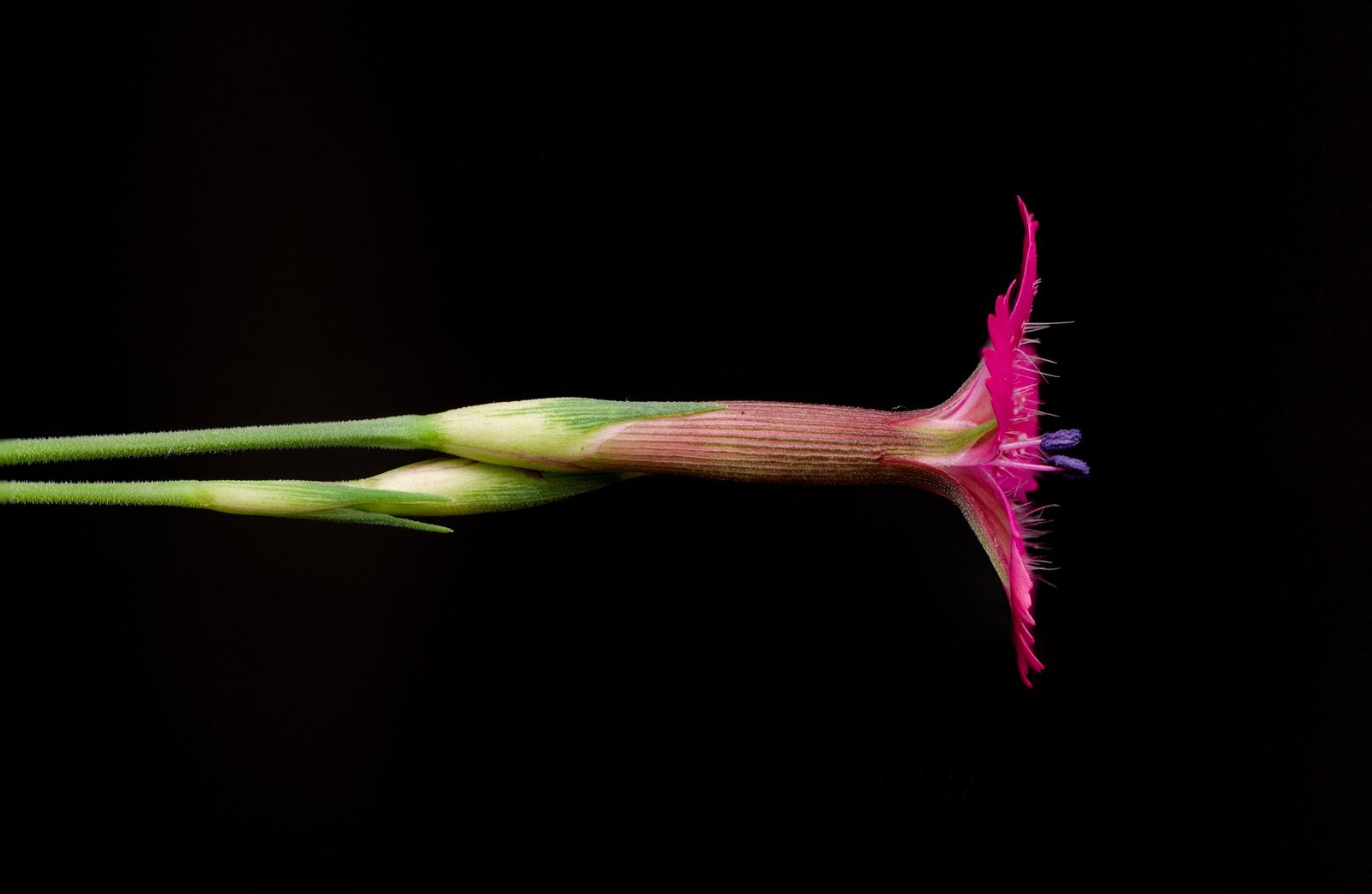
- Split flower calyces and floppy stems: the very full flowers can split their green outer casing; this is a cultivar trait, so support stems and avoid excessive feeding.
Safety
Dianthus is mildly toxic to cats and dogs if chewed; leaves, stems and flowers may cause vomiting, diarrhoea or skin irritation. Sap can irritate human skin, and ornamental plants should not be eaten. Toxicity to horses is not well established; do not use it as feed.
Easily confused with
Pink 'White Mrs Sinkins' (Dianthus 'White Mrs Sinkins')
A closely related selection with similarly scented double white flowers, generally with a tidier outline and less calyx splitting. Appearance can overlap, so a reliable nursery label is useful.
Carnation (Dianthus caryophyllus)
Typical florist and border carnations have larger flowers on longer, more upright stems; 'Mrs Sinkins' forms a lower garden clump with irregularly fringed, very full blooms.
Maiden pink (Dianthus deltoides)
Forms a lower, spreading mat with small, usually single flowers rather than the large, double, strongly scented white blooms of 'Mrs Sinkins'.
The name
Dianthus comes from Greek words meaning 'flower of Zeus', and 'Mrs Sinkins' was named by its raiser, John Sinkins, for his wife.
Propagation. Take short, non-flowering shoot cuttings in summer and root them in a gritty, free-draining medium. Young clumps can sometimes be divided in spring, but cuttings are generally better for renewing woody plants. Seed will not reliably reproduce this cultivar.
Checked against open data
- Accepted botanical name
- Dianthus
Sources: GBIF (CC BY 4.0). The care and design notes are LandscapeGPT's own.
See it in your own yard.
Upload a photo of your yard and see it redesigned with plants that suit your climate, each checked against your zone.