PJM rhododendron
Rhododendron 'P.J.M.'. Family Ericaceae. Shrub.
Also called P.J.M. rhododendron.
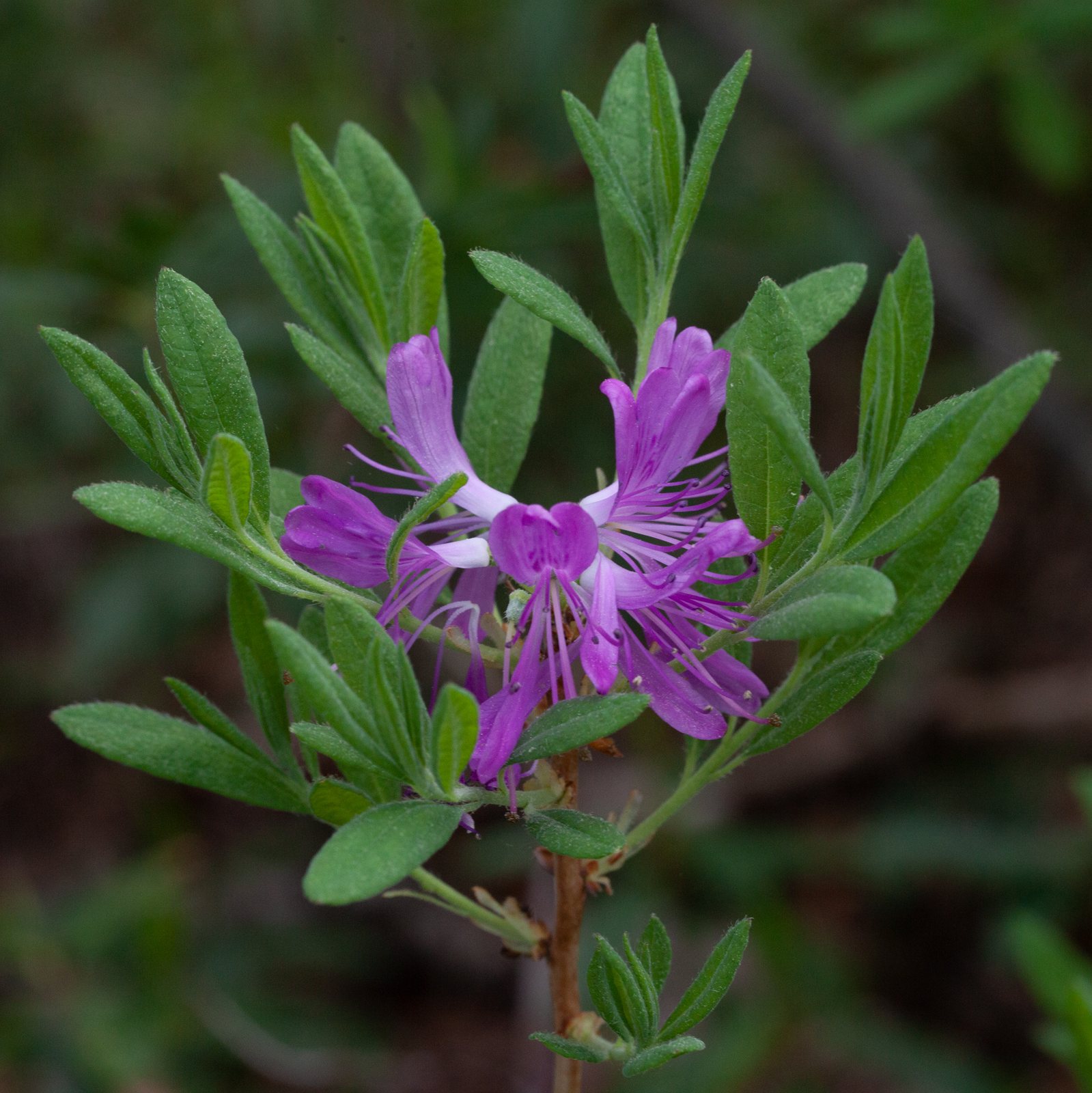
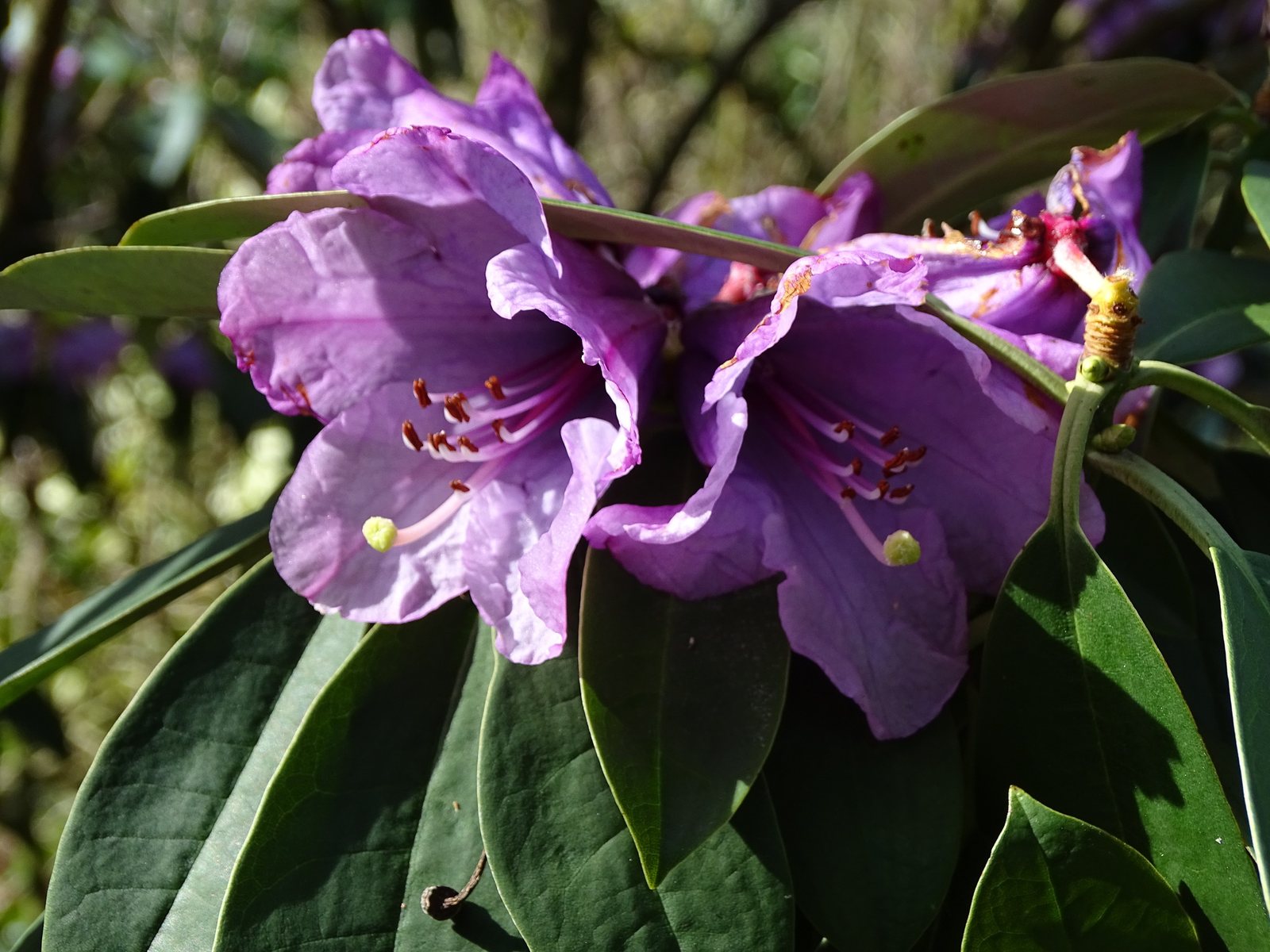
PJM rhododendron is a compact evergreen shrub grown for its early clusters of lavender-pink flowers and small leaves that turn bronze-purple in winter. It is particularly useful in cold-climate gardens, provided its shallow roots have acidic, well-drained soil and protection from drying winds.
At a glance
- Sun
- Partial shade, ideally morning sun and afternoon shade. Tolerates more sun in cool climates if the soil stays moist; avoid hot, exposed positions.
- Water
- Keep the root zone evenly moist but never waterlogged. Water during dry spells, including autumn drought before the ground freezes.
- Soil
- Acidic, humus-rich, well-drained soil, ideally pH 4.5-6.0. Unsuitable for chalky soil or sites that remain wet.
- Height
- 3-6 ft (0.9-1.8 m)
- Spread
- 3-6 ft (0.9-1.8 m)
- Flowers
- Early to mid-spring; clusters of lavender-pink to purplish-pink flowers, often opening before new growth.
- Foliage
- Evergreen. Small, leathery, dark green leaves with a resinous scent when rubbed; usually bronze to purple in cold weather. Some older leaves fall in autumn.
- Growth
- Slow to moderate
- Care needed
- Medium
The year at a glance
- Pollinators
- Cold hardy
- Wildlife
- Low allergen
| J | F | M | A | M | J | J | A | S | O | N | D | |
|---|---|---|---|---|---|---|---|---|---|---|---|---|
| Flowers | ||||||||||||
| Plant |
Northern hemisphere months. In Australia, shift them by six.
- Difficulty
- Moderate
- Toughness
- Fairly tough
Will it suit your garden?
Pick your zone, country, light and whether you have pets.
Full sun is 6 or more hours of direct sun a day, part shade 3 to 6 hours, shade under 3.
How it grows
Planting day
1.6 ft (0.5 m)
After 1 year
2.1 ft (0.63 m)
After 2 years
2.5 ft (0.76 m)
After 3 years
2.9 ft (0.89 m)
After 5 years
4 ft (1.2 m)
About 7 years to full size.
From a typical nursery size, at an average rate for this kind of plant. A rule of thumb, not a forecast.
Good to know
- Cats and dogs
- Toxic
- Growth rate
- Slow
Care
Jobs through the year
- WaterMar–May, Sep–Nov, every 14 days
- Check established plants beneath the mulch; water deeply if drying and unfrozen, more often when young.
- WaterJun–Aug, every 7 days
- Water established plants deeply during dry weather; keep shallow roots moist, never waterlogged.
- FeedMar–Apr
- Use an acid-loving shrub feed only if growth is weak and soil nutrients are deficient.
- MulchMar, Oct
- Maintain 5–8 cm of pine bark or leaf mould, clear of the stems.
- PruneMay
- Immediately after flowering, remove dead wood and lightly shorten wayward shoots.
- ProtectMar–May
- Cover open flowers with fleece when a hard frost is forecast.
- ProtectJan–Feb, Nov–Dec
- Shelter from drying winds and gently brush off heavy loose snow; leave ice alone.
- Plant with the top of the root ball level with, or slightly above, the surrounding soil; never bury the stem base.
- Water deeply during dry weather, checking beneath the mulch rather than watering on a fixed schedule.
- Maintain 2-3 in (5-8 cm) of pine bark or leaf mould over the roots, keeping it clear of the stems.
- If growth is weak and nutrients are needed, apply an acid-loving shrub fertiliser at the labelled rate in early spring; avoid late-season feeding.
- Keep digging and hoeing away from its shallow roots, and shelter it from strong winter winds.
Pruning. Prune immediately after flowering, removing dead or damaged wood and lightly shortening shoots that spoil the shape. Avoid routine shearing or late-season pruning, which removes the following spring's flower buds.
Through the year
- Early spring
- Check soil moisture and winter damage; feed lightly only if needed.
- Spring
- Enjoy the flowers; protect open blooms from a forecast hard frost with horticultural fleece where practical.
- Late spring
- After flowering, prune lightly if needed and remove any clearly dead shoots.
- Summer
- Check the root zone during dry spells and water deeply before the plant wilts.
- Autumn
- Refresh mulch and water thoroughly during dry weather before freezing conditions arrive.
- Winter
- Check wind protection and gently remove heavy, loose snow before it bends branches; do not knock off ice.
In the garden
- Plant along a woodland edge with ferns and hostas for spring flowers above a contrasting leafy ground layer.
- Use in foundation borders with acidic soil, allowing room for its mature spread away from walls and paths.
- Repeat in small groups beneath high-canopied trees where roots have adequate moisture and light.
- Combine with later-flowering rhododendrons to extend the flowering season and retain evergreen structure.
Garden styles it suits: Woodland, Traditional, English country, Japanese, New England and Winter interest.
Plant it with: Japanese pieris, Mountain laurel, Hostas, Japanese painted fern, Siberian bugloss and Foamflower.
Wildlife: Flowers attract bees on mild spring days, and the evergreen branches provide some shelter for small birds.
Problems to watch for
- Yellow leaves with green veins usually indicate iron becoming unavailable in alkaline soil: test the pH and move to a suitable acidic bed or container if necessary; extra fertiliser alone will not fix chalky soil.
- Root rot causes wilting and dieback in wet soil: improve drainage, avoid overwatering and remove severely affected plants.
- Lace bugs cause pale stippling on leaf tops and dark specks beneath: inspect leaf undersides and treat young infestations with insecticidal soap where labelled, thoroughly covering the undersides.
- Winter scorch browns exposed leaves: shelter from drying winds, maintain mulch and water during autumn drought; wait for spring growth before cutting back damaged stems.
Safety
Toxic to people, cats, dogs and horses. All parts, including leaves, flowers and nectar, contain grayanotoxins; swallowing them can cause vomiting, weakness, dangerous heart rhythm changes and potentially fatal poisoning. Seek urgent medical or veterinary advice after ingestion.
Easily confused with
Catawba rhododendron (Rhododendron catawbiense)
Has much larger, broader leaves and larger flower clusters, generally opening later in spring; it usually grows into a larger shrub.
Mountain laurel (Kalmia latifolia)
Has glossy, pointed leaves and distinctive cup-shaped flowers with small pockets holding the anthers, rather than PJM's open, funnel-shaped flowers.
The name
P.J.M. honours Peter J. Mezitt, the Massachusetts nurseryman whose son Edmund raised the original hybrid.
Propagation. Take semi-ripe cuttings in late summer and root them in an acidic, free-draining medium under humid conditions; rooting can be slow. Layering a low branch is another option. Seed-grown plants will not reliably match the parent.
Checked against open data
- Accepted botanical name
- Rhododendron
Sources: GBIF (CC BY 4.0). The care and design notes are LandscapeGPT's own.
See it in your own yard.
Upload a photo of your yard and see it redesigned with plants that suit your climate, each checked against your zone.