Ponytail palm
Beaucarnea recurvata. Family Asparagaceae. Succulent.
Also called Elephant's foot, Bottle palm.
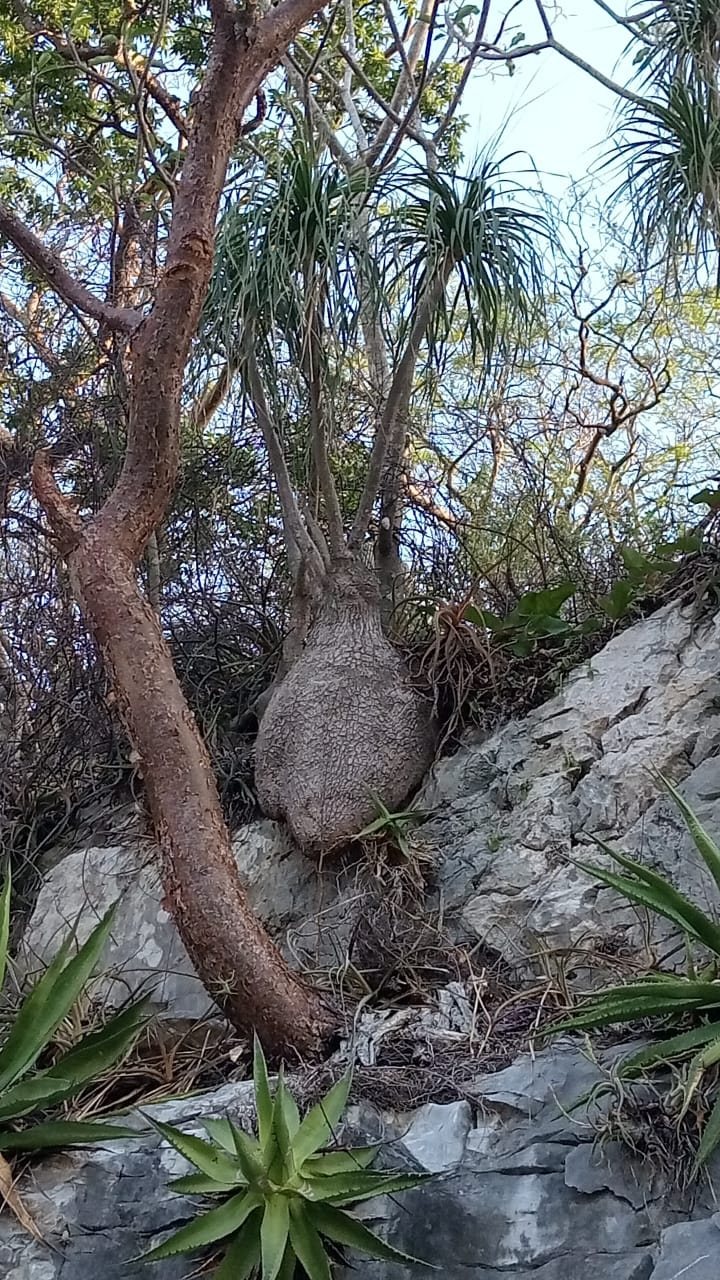
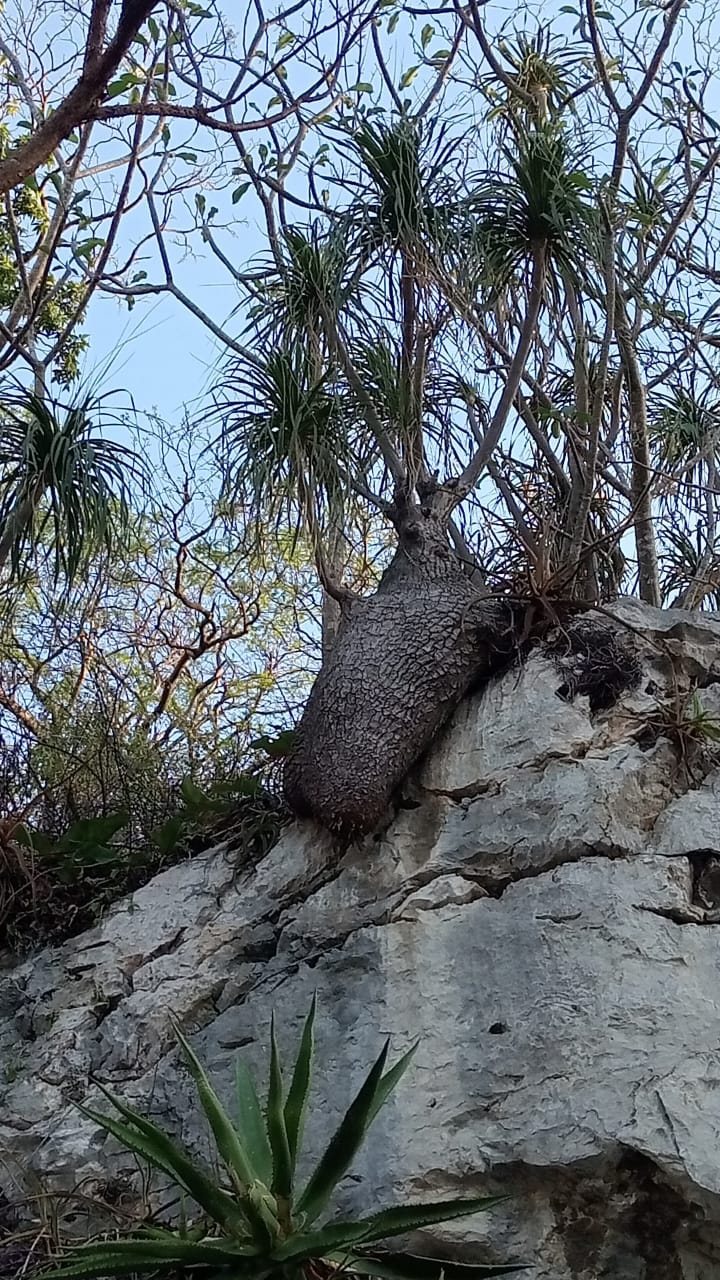
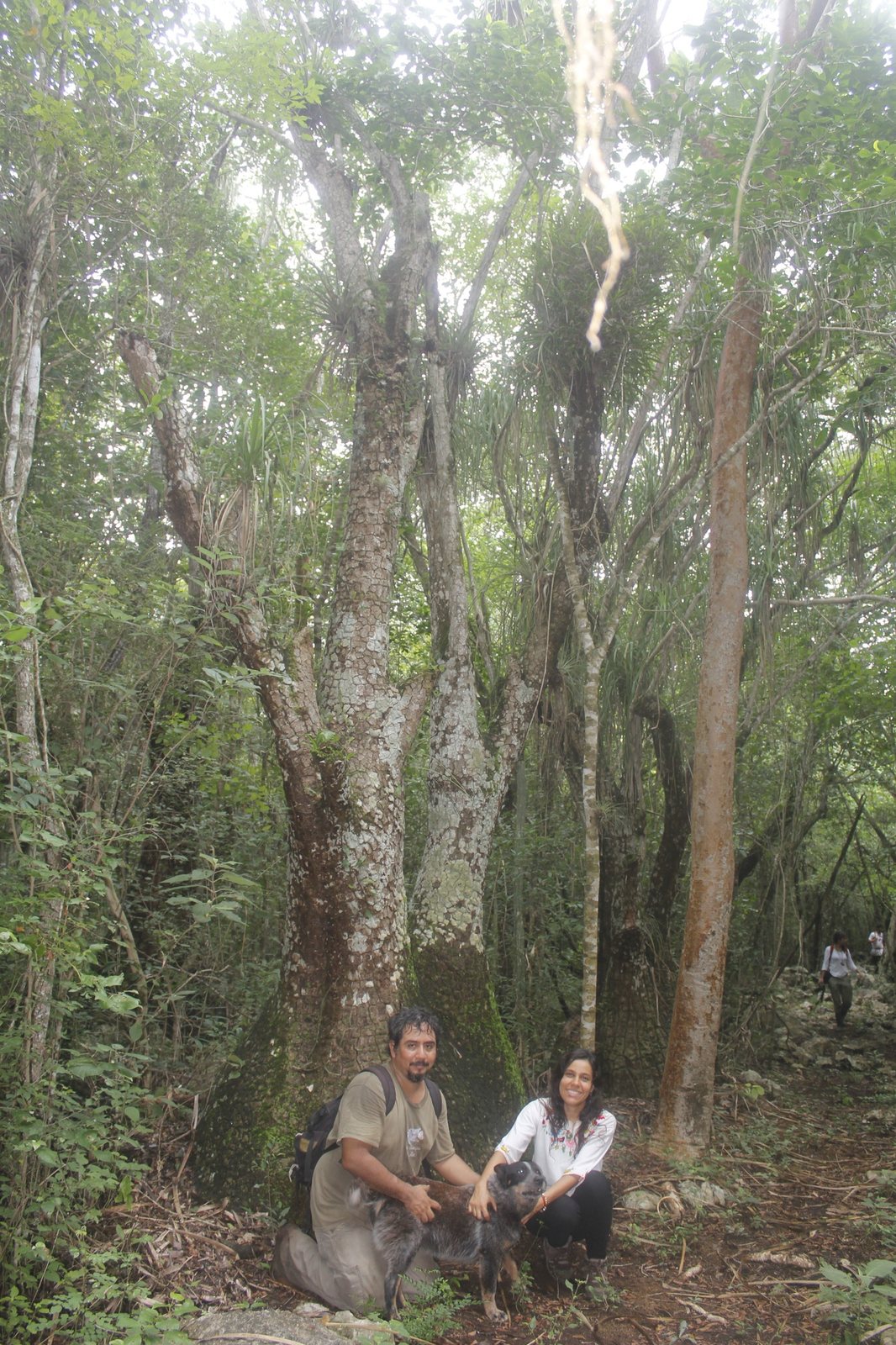
Ponytail palm is a slow-growing, evergreen succulent tree from Mexico, not a true palm. Its swollen, water-storing trunk and fountains of narrow, curling leaves make it a useful specimen for dry, frost-free gardens and containers. In colder climates, grow it indoors or move a pot outside for summer.
At a glance
- Sun
- Full sun to light shade outdoors; the brightest available position indoors, preferably with some direct sun. Acclimatise indoor plants gradually before putting them into outdoor sun.
- Water
- Low water needs. Let the potting mix dry out between thorough waterings, and water much less in winter; established plants in the ground need little supplementary water.
- Soil
- Sharply drained sandy or gravelly soil. In containers, use a gritty cactus and succulent mix and a pot with drainage holes.
- Height
- 15-30 ft (4.5-9 m) outdoors over many years; commonly 3-6 ft (0.9-1.8 m) in containers
- Spread
- 10-15 ft (3-4.5 m) outdoors; commonly 2-4 ft (0.6-1.2 m) in containers
- Flowers
- Mature outdoor plants may produce large sprays of small creamy-white flowers in summer; flowering is uncommon indoors.
- Foliage
- Evergreen. Long, narrow, green leaves arch and curl from the stem tips. Their finely toothed edges can scratch skin.
- Growth
- Slow, especially in pots or indoors.
- Care needed
- Low
The year at a glance
- Drought tolerant
- Heat tolerant
- Low allergen
| J | F | M | A | M | J | J | A | S | O | N | D | |
|---|---|---|---|---|---|---|---|---|---|---|---|---|
| Plant |
Northern hemisphere months. In Australia, shift them by six.
- Difficulty
- Easy
- Toughness
- Very tough
Will it suit your garden?
Pick your zone, country, light and whether you have pets.
Full sun is 6 or more hours of direct sun a day, part shade 3 to 6 hours, shade under 3.
How it grows
Planting day
2.7 ft (0.81 m)
After 1 year
5 ft (1.4 m)
After 2 years
7 ft (2 m)
After 3 years
9 ft (2.7 m)
After 5 years
13 ft (3.9 m)
About 10 years to full size.
From a typical nursery size, at an average rate for this kind of plant. A rule of thumb, not a forecast.
Good to know
- Cats and dogs
- Safe
- Growth rate
- Slow
Care
Jobs through the year
- WaterMar–May, Sep–Oct, every 21 days
- Grow in a container here; water thoroughly only when the mix dries, then empty saucers.
- WaterJun–Aug, every 14 days
- Water after the mix dries fully; outdoor pots may need more frequent checks in heat.
- WaterJan–Feb, Nov–Dec, every 42 days
- Water sparingly indoors only when dry; extend the interval in cool, low-light conditions.
- FeedMay, Jul
- Give one half-strength balanced feed on each occasion while actively growing.
- PruneApr
- Remove fully brown leaves at their bases only; leave the trunk and healthy leaf tips intact.
- ProtectJan–May, Sep–Dec
- Keep pots in bright, frost-free shelter; move outdoors only when nights stay above 10°C.
- Water thoroughly, then let the mix dry before watering again; empty saucers and decorative outer pots.
- Keep the swollen trunk base above the soil surface and away from damp mulch.
- Feed container plants once or twice during spring and summer with a balanced fertiliser at half the label strength.
- Repot only when crowded, using a pot just slightly larger than the existing one.
- Keep container plants frost-free and reduce watering during cool, low-light weather.
Pruning. Remove completely brown leaves at their bases as needed, using clean scissors or secateurs. Do not shorten the trunk or trim healthy leaf tips as routine maintenance; cut leaves retain brown ends.
Through the year
- Spring
- Check drainage and repot only if the roots or swollen base have outgrown the container.
- Late spring
- Once nights are reliably above 10°C (50°F), gradually acclimatise indoor plants to an outdoor summer position.
- Early summer
- Give actively growing container plants a light feed.
- Summer
- Check soil moisture before watering and inspect leaf bases for mealybugs and scale.
- Autumn
- In cooler climates, bring pots into bright, frost-free shelter before cold nights arrive.
- Winter
- Water sparingly and stop feeding; keep the plant in strong light and away from cold draughts.
In the garden
- Use a single specimen in a simple container to show off its swollen base and arching foliage.
- Plant as a focal point in a frost-free gravel garden with low succulents.
- Place in a sunny courtyard where its narrow trunk and elevated foliage provide height without a dense canopy.
- Pair with stiff-leaved plants such as agaves and desert spoon for contrasting leaf shapes.
Garden styles it suits: Architectural minimal, Desert modern, Contemporary minimal, Modern courtyard, Desert / xeriscape and Small-space.
Plant it with: Blue chalk sticks, Echeveria, Foxtail agave, Red yucca, Desert spoon and Aloe vera.
Wildlife: Flowers can attract bees and other insects where mature plants bloom outdoors. Non-flowering container plants offer little wildlife value.
Problems to watch for
- Root or trunk rot: usually caused by persistent wetness, especially in cold weather. Improve drainage, stop frequent watering and remove rotted roots when repotting; a soft, collapsing trunk may not recover.
- Mealybugs and scale: inspect leaf bases and stems, isolate affected pots and treat with a labelled insecticidal soap or horticultural oil, repeating as directed.
- Spider mites: look for fine webbing and stippled leaves on indoor plants. Rinse foliage and treat persistent infestations with a labelled insecticidal soap.
- Brown leaf tips: check for prolonged drought, accumulated fertiliser salts or root damage from overwatering. Correct the cause rather than repeatedly trimming the foliage.
Safety
Not known to be toxic to cats, dogs, horses or people. No parts are recognised as poisonous, but chewing foliage can cause stomach upset, and the rough leaf edges can scratch skin or mouths.
Easily confused with
Madagascar dragon tree (Dracaena marginata)
Has slender cane-like stems without the conspicuously swollen base; its narrower leaves are often edged red.
Spineless yucca (Yucca gigantea)
Has much broader, stiffer, sword-shaped leaves rather than long, ribbon-like curls.
Bottle palm (Hyophorbe lagenicaulis)
This true palm has a swollen trunk topped by a few large, feather-shaped fronds, not a fountain of undivided strap-like leaves.
The name
The species name recurvata means curved backwards, referring to the arching leaves that also give it the common name ponytail palm.
Propagation. Usually grown from seed, sown in a warm, freely draining medium. Basal offsets can sometimes be detached and rooted, preferably when they already have roots, but establishment is slow and unreliable.
Checked against open data
- Accepted botanical name
- Beaucarnea recurvata
- Native range
- Mexico Gulf, Mexico Northeast and Mexico Southwest.
Sources: GBIF (CC BY 4.0) and Trefle (CC BY 4.0). The care and design notes are LandscapeGPT's own.
See it in your own yard.
Upload a photo of your yard and see it redesigned with plants that suit your climate, each checked against your zone.