Potato vine
Solanum laxum. Family Solanaceae. Climber.
Also called Jasmine nightshade, White potato vine, Solanum jasminoides.
Potato vine is a fast-growing, woody climber grown for loose clusters of white or pale blue flowers with yellow centres. It covers sunny walls, fences and pergolas in mild climates, but needs support and shelter from cold winds. Despite its name, it is not an edible crop.
At a glance
- Sun
- Full sun for the best flowering; tolerates light partial shade.
- Water
- Water regularly during establishment. Once established, water deeply during prolonged dry spells; container plants need more frequent watering.
- Soil
- Well-drained soil of average fertility; tolerates chalk, loam and sandy soils but dislikes waterlogged roots.
- Height
- 15-25 ft (4.5-7.5 m)
- Spread
- 6-10 ft (1.8-3 m)
- Flowers
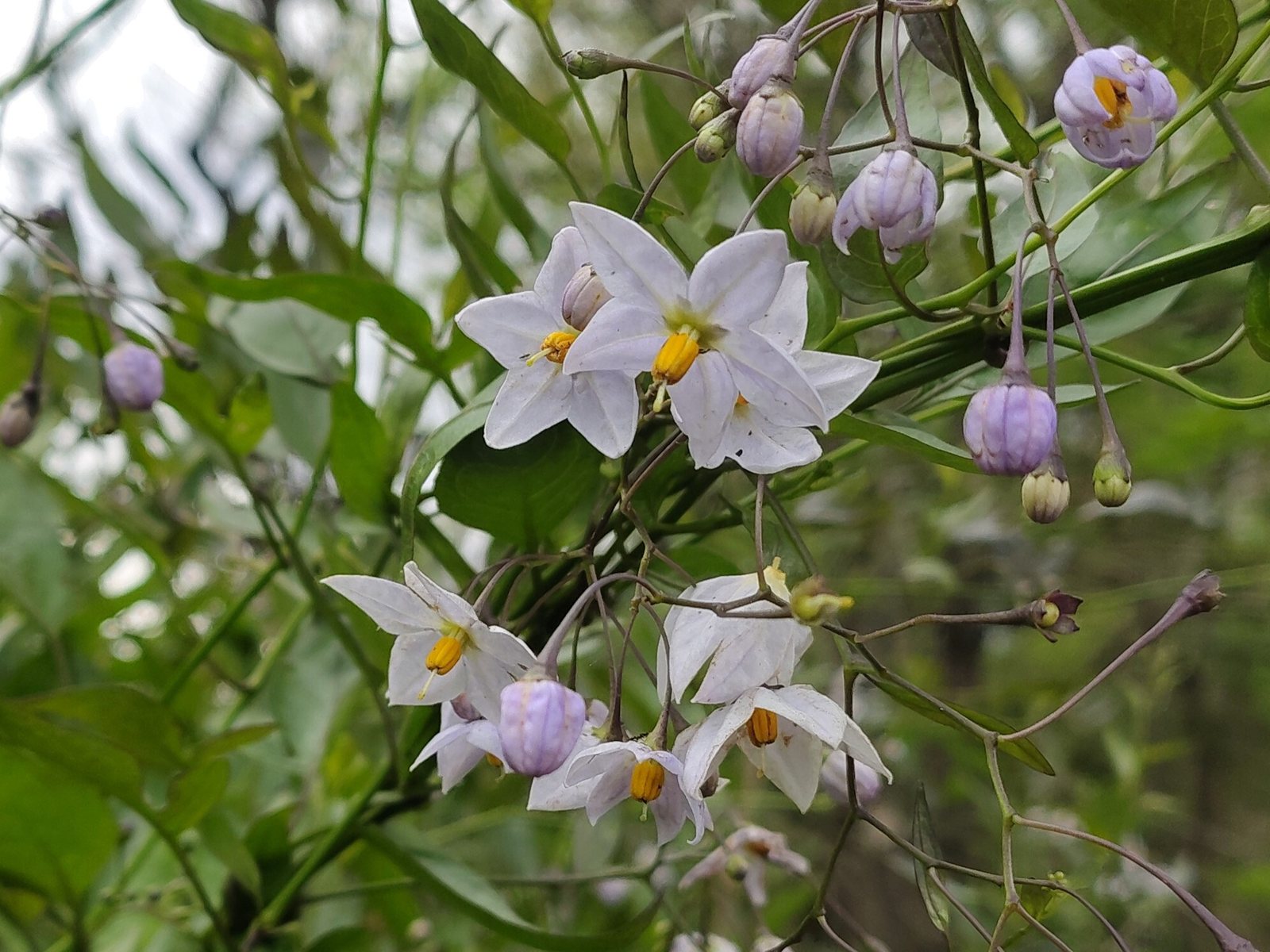
- Summer to autumn, often longer in frost-free climates; star-shaped white to pale blue flowers with prominent yellow centres.
- Foliage
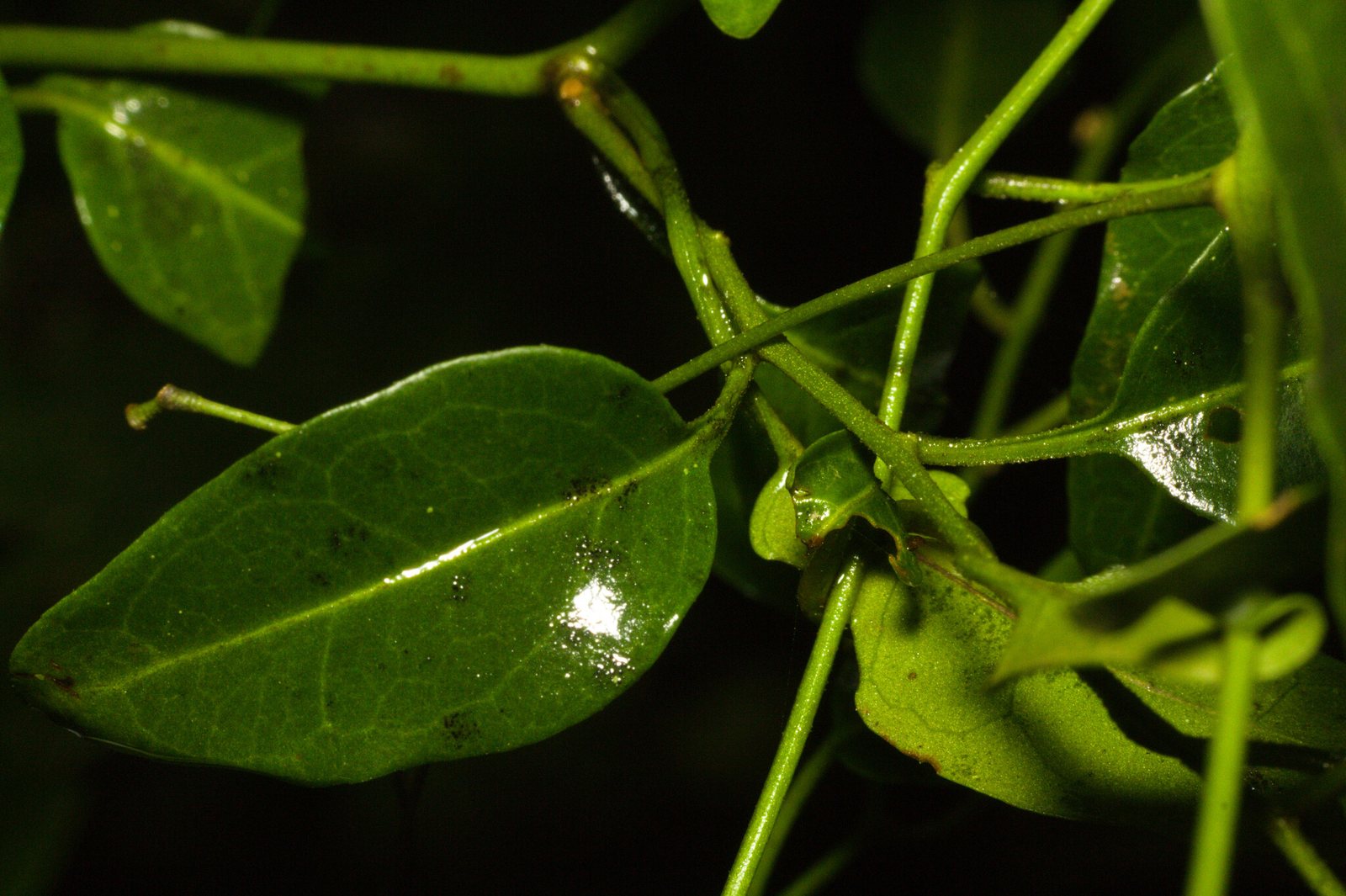
- Slender stems carry glossy green leaves, usually oval or lance-shaped, with occasional lobed leaves. Evergreen in mild climates but partly or fully deciduous after cold weather.
- Growth
- Fast in warm conditions.
- Care needed
- Medium
The year at a glance
- Pollinators
- Heat tolerant
- Wildlife
- Low allergen
| J | F | M | A | M | J | J | A | S | O | N | D | |
|---|---|---|---|---|---|---|---|---|---|---|---|---|
| Flowers | ||||||||||||
| Fruit | ||||||||||||
| Plant |
Northern hemisphere months. In Australia, shift them by six.
- Difficulty
- Moderate
- Toughness
- Needs looking after
Will it suit your garden?
Pick your zone, country, light and whether you have pets.
Full sun is 6 or more hours of direct sun a day, part shade 3 to 6 hours, shade under 3.
How it grows
Planting day
2 ft (0.6 m)
After 1 year
3 ft (1.1 m)
After 2 years
5 ft (1.5 m)
After 3 years
6 ft (1.8 m)
full size
About 3 years to full size.
From a typical nursery size, at an average rate for this kind of plant. A rule of thumb, not a forecast.
Good to know
- Cats and dogs
- Toxic
- Invasive in
- Australia
- In the garden
- Spreads vigorously: plan to contain it.
- Growth rate
- Fast
Care
Jobs through the year
- WaterApr–May, Sep–Oct, every 14 days
- Water established ground-grown plants deeply in dry spells; new plants and pots need more.
- WaterJun–Aug, every 7 days
- Water ground-grown plants during prolonged dry weather; check containers more frequently.
- WaterJan–Mar, Nov–Dec, every 14 days
- For frost-free overwintered pots, check compost and water sparingly before the root ball dries out.
- MulchApr–May
- Apply compost around the roots, keeping it clear of stems.
- FeedMay–Aug, every 14 days
- Feed container plants with balanced liquid fertilizer at the label rate and interval.
- PruneApr–May
- After hard frost risk passes, remove dead growth and shorten crowded shoots; tie retained stems to supports.
- PruneJun–Aug
- Lightly trim wandering shoots and tie new growth onto sturdy support.
- ProtectSep–Oct
- In zone 6–7, move container plants into bright, frost-free shelter before frost; outdoor overwintering is unreliable.
- DeadheadSep–Nov
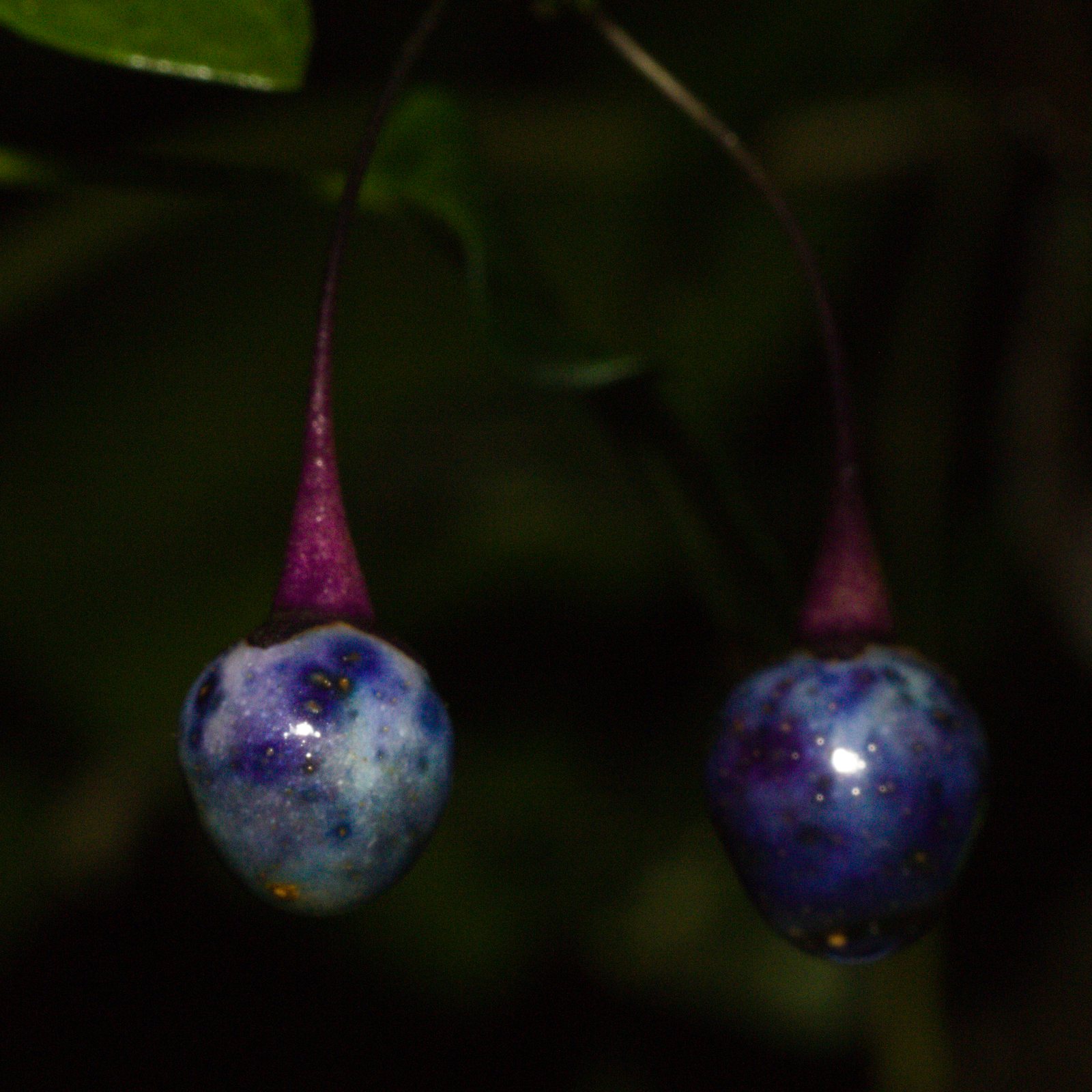
- Remove developing berries where seedlings could escape; berries are poisonous.
- Provide wires, trellis or another sturdy support, and tie in young shoots as they grow.
- Water deeply through the first growing season, allowing the soil surface to dry slightly between waterings.
- Apply compost around the root zone in spring, keeping it clear of the stems.
- Feed container plants with a balanced liquid fertiliser during active growth, following the label rate.
- In colder areas, grow in a large container and overwinter in a bright, frost-free place.
Pruning. In spring, once the risk of hard frost has passed, remove dead or frost-damaged stems and shorten crowded or overlong shoots to healthy buds. Tie in retained growth and lightly trim wandering shoots during summer.
Through the year
- Early spring
- Check for winter damage and prune once hard frosts are unlikely.
- Spring
- Plant after frost risk has passed, install support and mulch the root zone.
- Late spring
- Tie new shoots into their support and begin feeding container-grown plants.
- Summer
- Water during dry weather and redirect shoots before they reach gutters or neighbouring plants.
- Autumn
- Remove berries where seedlings could escape, and move tender container plants under cover before frost.
- Winter
- Keep sheltered container plants in bright light and water sparingly without letting the root ball dry completely.
In the garden
- Train against a sunny, sheltered wall to soften masonry with foliage and pale flowers.
- Cover a pergola or arch for a light floral canopy, keeping vigorous shoots clear of paths.
- Grow on trellis behind lavender and shrub roses in a mild-climate border.
- Use a large container with an obelisk in a sheltered courtyard where winter protection is practical.
Garden styles it suits: Mediterranean, Modern courtyard, Cottage garden, Romantic rose garden, White garden and Coastal.
Plant it with: Lavender, Shrub roses, Rosemary, Catmint and Agapanthus.
Wildlife: Flowers attract bees, including bumblebees that collect pollen from the yellow anthers. Dense growth can provide cover for small birds.
Problems to watch for
- Frost damage: leaves and stems may blacken after freezing weather; wait until spring to cut back to living wood and provide a more sheltered position.
- Aphids: inspect soft new shoots and wash colonies off with water; use insecticidal soap if needed, following the label.
- Red spider mites: watch for pale speckling and fine webbing, especially under glass; rinse foliage and use an appropriate labelled treatment or predatory mites.
- Poor flowering: move plants into stronger light where possible and avoid excessive nitrogen feeding.
Safety
Treat all parts, especially berries and green growth, as poisonous if eaten by people, cats, dogs or horses. Ingestion can cause vomiting, diarrhoea and abdominal pain; larger amounts may cause weakness or neurological signs and can be serious. Keep berries away from children and pets, and seek medical or veterinary advice after ingestion.
Where it spreads. Can escape gardens and smother other vegetation. It is an environmental weed in parts of eastern and southern Australia, including New South Wales and Victoria, and in New Zealand. Check local guidance before planting, keep it out of nearby bushland and remove unwanted seedlings.
Easily confused with
Chilean potato vine (Solanum crispum)
Usually has deeper violet-blue flowers, larger leaves that are often wavy-edged, and a more shrubby scrambling habit.
Star jasmine (Trachelospermum jasminoides)
Has thick, leathery leaves and strongly scented, pinwheel-shaped white flowers without the potato vine's conspicuous yellow anthers.
Sweet potato vine (Ipomoea batatas)
Has soft, trailing stems and broad heart-shaped or deeply lobed leaves, often chartreuse or purple; any flowers are funnel-shaped rather than star-shaped.
The name
The common name refers to its potato-like flowers, while the Latin laxum means loose or open, referring to its loose flower clusters.
Propagation. Take softwood cuttings in late spring or semi-ripe cuttings in summer, keeping them humid in a free-draining propagation mix. Rooted layers can also be separated from the parent plant.
Checked against open data
- Accepted botanical name
- Solanum laxum
Sources: GBIF (CC BY 4.0). The care and design notes are LandscapeGPT's own.
See it in your own yard.
Upload a photo of your yard and see it redesigned with plants that suit your climate, each checked against your zone.