Prairie mallow
Sidalcea malviflora. Family Malvaceae. Perennial.
Also called Checkerbloom, Dwarf checkerbloom, Greek mallow.
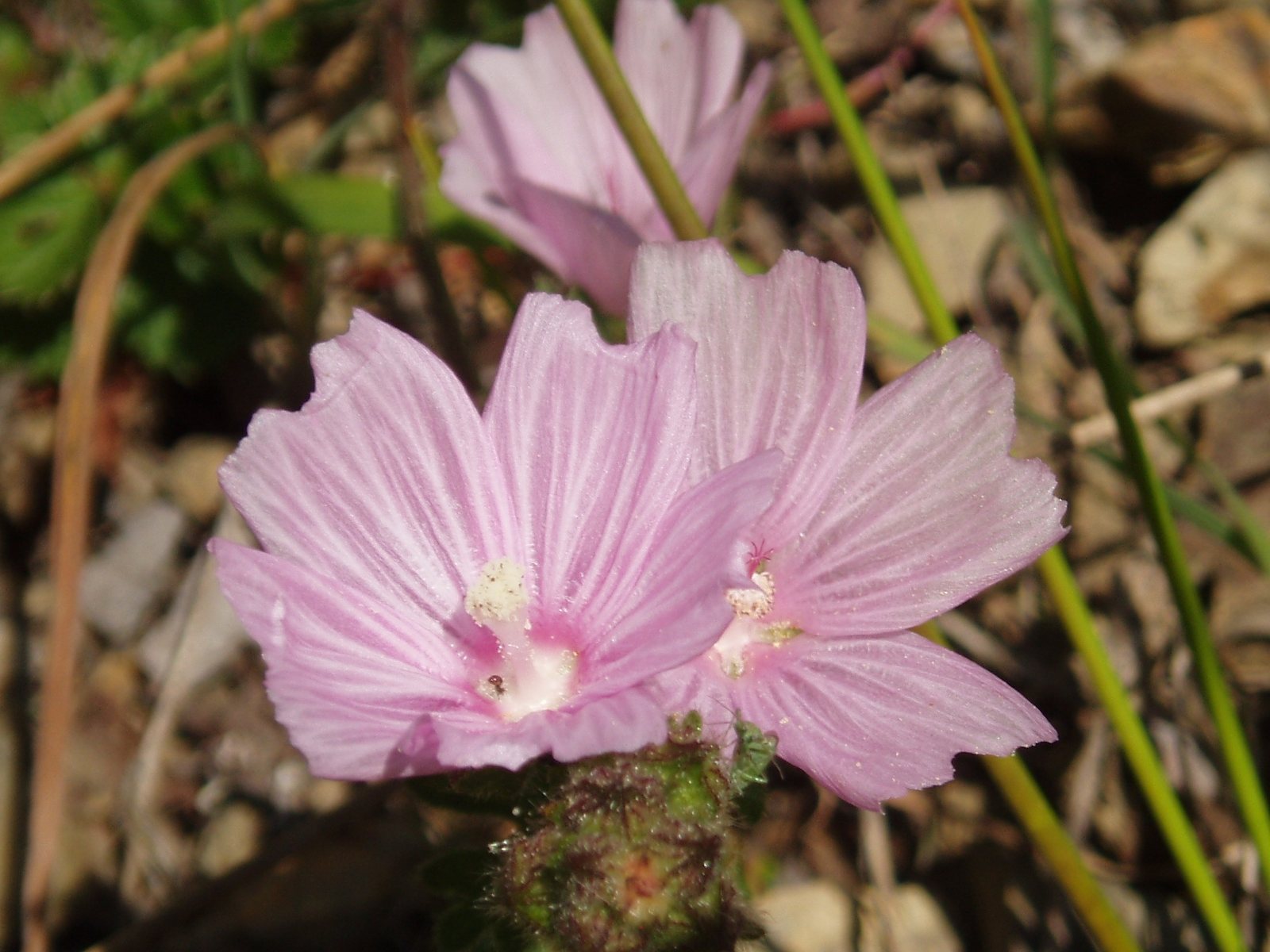
Prairie mallow is a clump-forming perennial native to western North America, with slender stems carrying open, pink, miniature hollyhock-like flowers. Gardeners grow it for its light, upright shape in borders and meadow-style planting, and for the bees its flowers attract.
At a glance
- Sun
- Full sun; light afternoon shade is useful in hot inland gardens.
- Water
- Water regularly while establishing. Established plants tolerate some summer dryness, but occasional deep watering during flowering helps prevent early dormancy.
- Soil
- Well-drained sandy, loamy or gravelly soil with moderate fertility. Avoid waterlogged ground, especially in winter.
- Height
- 2-3 ft (0.6-0.9 m)
- Spread
- 1-2 ft (0.3-0.6 m)
- Flowers
- Late spring to midsummer; usually pink to rose-purple, sometimes white, with shallow, five-petalled flowers along upright stems.
- Foliage
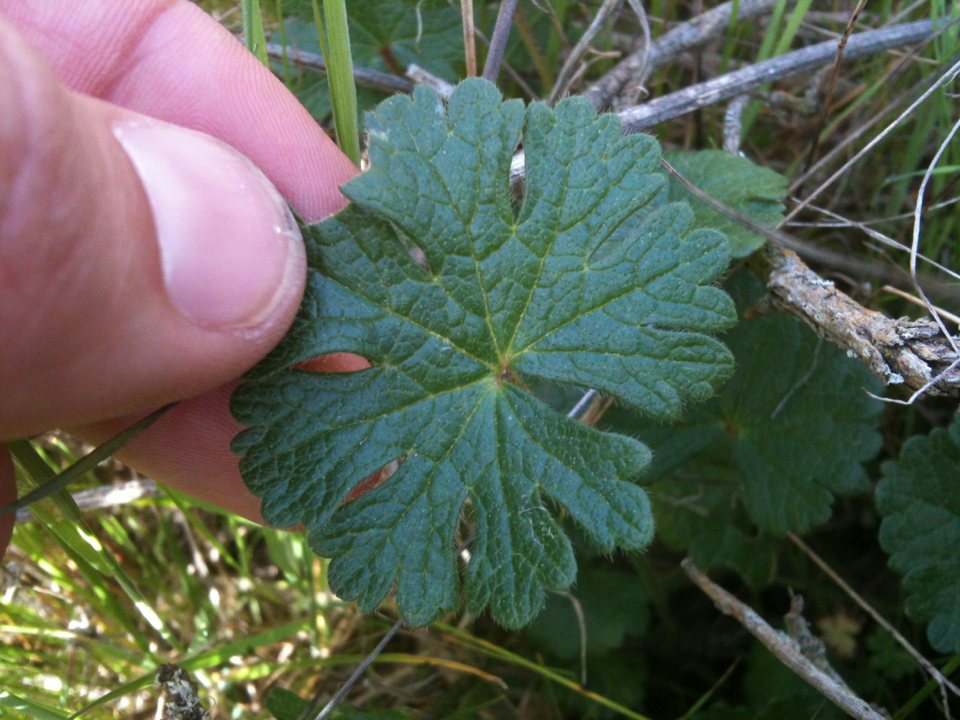
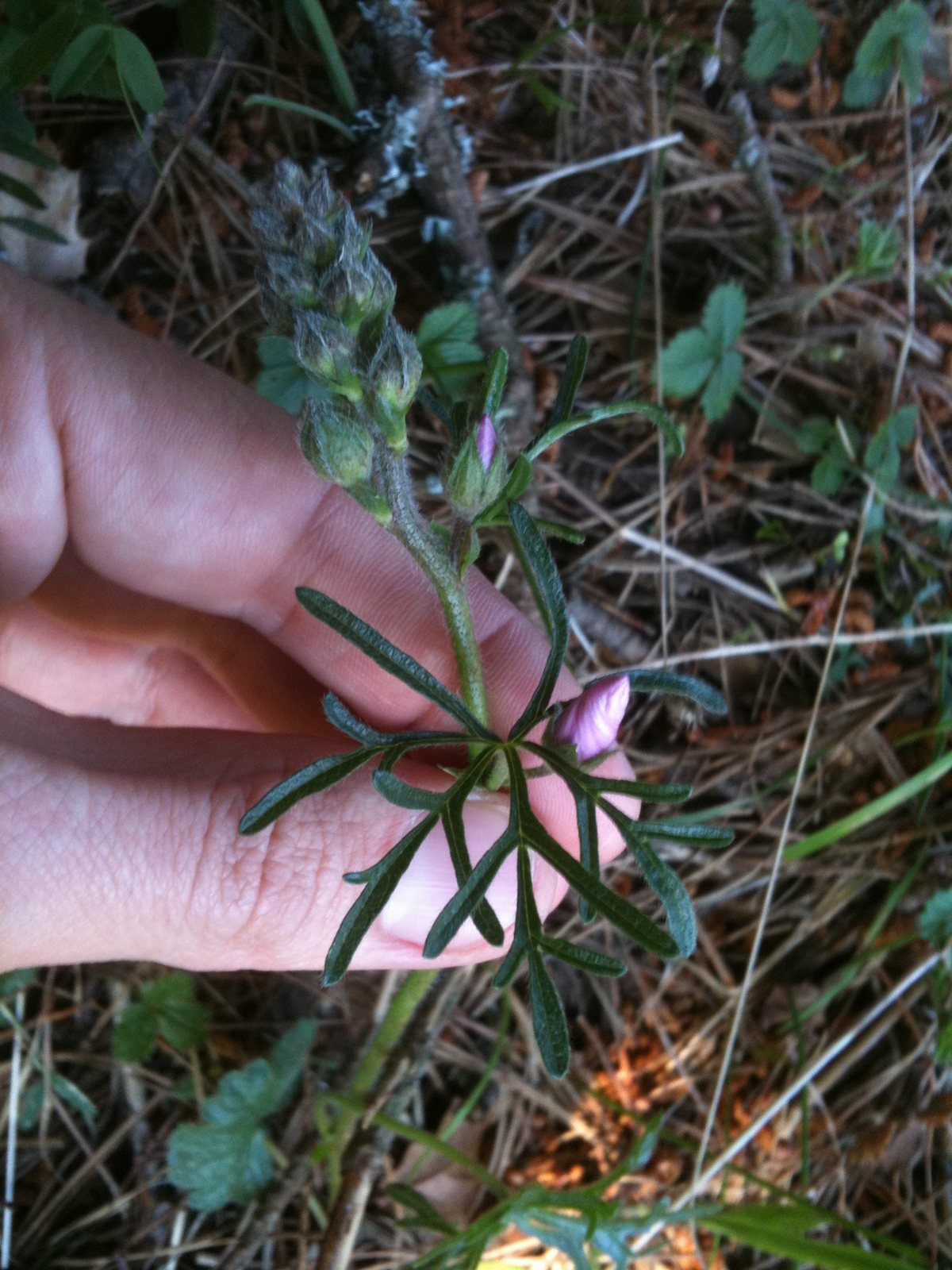
- Green, rounded to shallowly lobed basal leaves, with more deeply divided leaves higher on the stems. Growth may die back early during prolonged summer drought.
- Growth
- Moderate
- Care needed
- Low
The year at a glance
- Pollinators
- Drought tolerant
- Wildlife
- Low allergen
| J | F | M | A | M | J | J | A | S | O | N | D | |
|---|---|---|---|---|---|---|---|---|---|---|---|---|
| Flowers | ||||||||||||
| Plant |
Northern hemisphere months. In Australia, shift them by six.
- Difficulty
- Easy
- Toughness
- Fairly tough
Will it suit your garden?
Pick your zone, country, light and whether you have pets.
Full sun is 6 or more hours of direct sun a day, part shade 3 to 6 hours, shade under 3.
How it grows
Planting day
1 ft (0.3 m)
After 1 year
1.5 ft (0.45 m)
After 2 years
2 ft (0.6 m)
After 3 years
2.5 ft (0.75 m)
full size
About 3 years to full size.
From a typical nursery size, at an average rate for this kind of plant. A rule of thumb, not a forecast.
Good to know
- Cats and dogs
- Safe
- Growth rate
- Moderate
Care
Jobs through the year
- WaterApr–May, Sep, every 14 days
- Water established plants if soil is dry; water new plants more regularly while roots establish.
- WaterJun–Aug, every 14 days
- During prolonged dry weather, water deeply to extend flowering; let the surface dry between waterings.
- MulchApr
- Apply a thin compost dressing, keeping the crown clear.
- PruneMar
- Cut dead stems to the base, leaving healthy basal leaves intact.
- DeadheadJun–Aug, every 7 days
- Cut faded flower spikes to a healthy leaf to discourage seeding and encourage repeat bloom.
- ProtectApr–May
- Protect young shoots from slugs and support taller stems in exposed gardens.
- ProtectOct–Nov
- Clear collapsed debris from the crown and correct drainage where winter wet collects.
- Water deeply during the first growing season, allowing the surface soil to dry between waterings.
- Give established plants occasional deep watering during prolonged dry weather if you want a longer flowering season.
- Apply a thin layer of compost in spring; avoid heavy feeding, which encourages floppy growth.
- Keep mulch clear of the crown and improve drainage before planting in heavy soil.
- Support taller flowering stems with twiggy stakes in exposed gardens.
Pruning. Remove spent flower spikes down to a healthy leaf to discourage seeding and sometimes encourage more flowers. Cut dead stems to the base in late autumn or early spring, leaving any healthy basal leaves intact.
Through the year
- Early spring
- Remove dead stems and check that the crown has not remained wet through winter.
- Spring
- Plant container-grown plants in well-drained soil and water them in thoroughly.
- Mid-spring
- Apply a thin compost dressing and put discreet supports around plants in windy positions.
- Late spring
- Check young growth for slugs and snails, and water new plants during dry spells.
- Summer
- Remove faded flower spikes, or leave a few to ripen if you want to collect seed.
- Autumn
- Clear collapsed stems if necessary and keep fallen debris away from the crown.
In the garden
- Plant in small groups through the middle of a cottage border for airy vertical accents.
- Combine with fine-textured grasses and yarrow in an informal meadow-style planting.
- Use among catmint and hardy geraniums for a soft pink, blue and purple border.
- Include in a sunny western North American native planting where its soil and moisture needs suit the site.
Garden styles it suits: Cottage garden, Wildflower, Pollinator garden, New perennial (prairie), Pastel border and California native.
Plant it with: Yarrow, Catmint, Hardy geranium, Prairie dropseed, Beardtongue and California poppy.
Wildlife: Flowers provide pollen and nectar for bees and are also visited by butterflies. It is useful in pollinator planting, particularly within its native range.
Problems to watch for
- Slugs and snails can eat emerging shoots: inspect at dusk, remove them by hand and reduce damp hiding places beside the crown.
- Rust can cause orange-brown pustules on leaves: remove affected foliage, improve air circulation and avoid wetting the leaves when watering.
- Crown rot can kill plants in wet winter soil: improve drainage or move plants to a raised bed, keeping mulch away from the crown.
- Flower stems may flop in shade or rich soil: provide more sun, avoid high-nitrogen fertiliser and use discreet supports.
Safety
Not known to be toxic to people, cats, dogs or horses. Species-specific safety information is limited; treat it as an ornamental rather than a food plant.
Easily confused with
Musk mallow (Malva moschata)
Musk mallow usually has a bushier, more branched habit and flowers clustered around the upper leaf joints rather than arranged along distinct upright spikes.
Hollyhock (Alcea rosea)
Hollyhocks generally have much taller, sturdier stems, larger flowers and large, rough, rounded leaves; prairie mallow is finer-textured and smaller.
The name
Sidalcea combines Sida and Alcea, the names of two other mallow-family genera, while malviflora means mallow-flowered.
Propagation. Sow seed in pots outdoors in autumn; winter chilling can help germination, which may be uneven. Divide established clumps carefully in early spring. Named garden selections may not come true from seed.
Checked against open data
- Accepted botanical name
- Sidalcea malviflora
- Native range
- California, Mexico Northwest and Oregon.
Sources: GBIF (CC BY 4.0) and Trefle (CC BY 4.0). The care and design notes are LandscapeGPT's own.
See it in your own yard.
Upload a photo of your yard and see it redesigned with plants that suit your climate, each checked against your zone.