Prairie Sun black-eyed Susan
Rudbeckia hirta 'Prairie Sun'. Family Asteraceae. Annual.
Also called Rudbeckia hirta 'Prairie Sun', Prairie Sun gloriosa daisy.
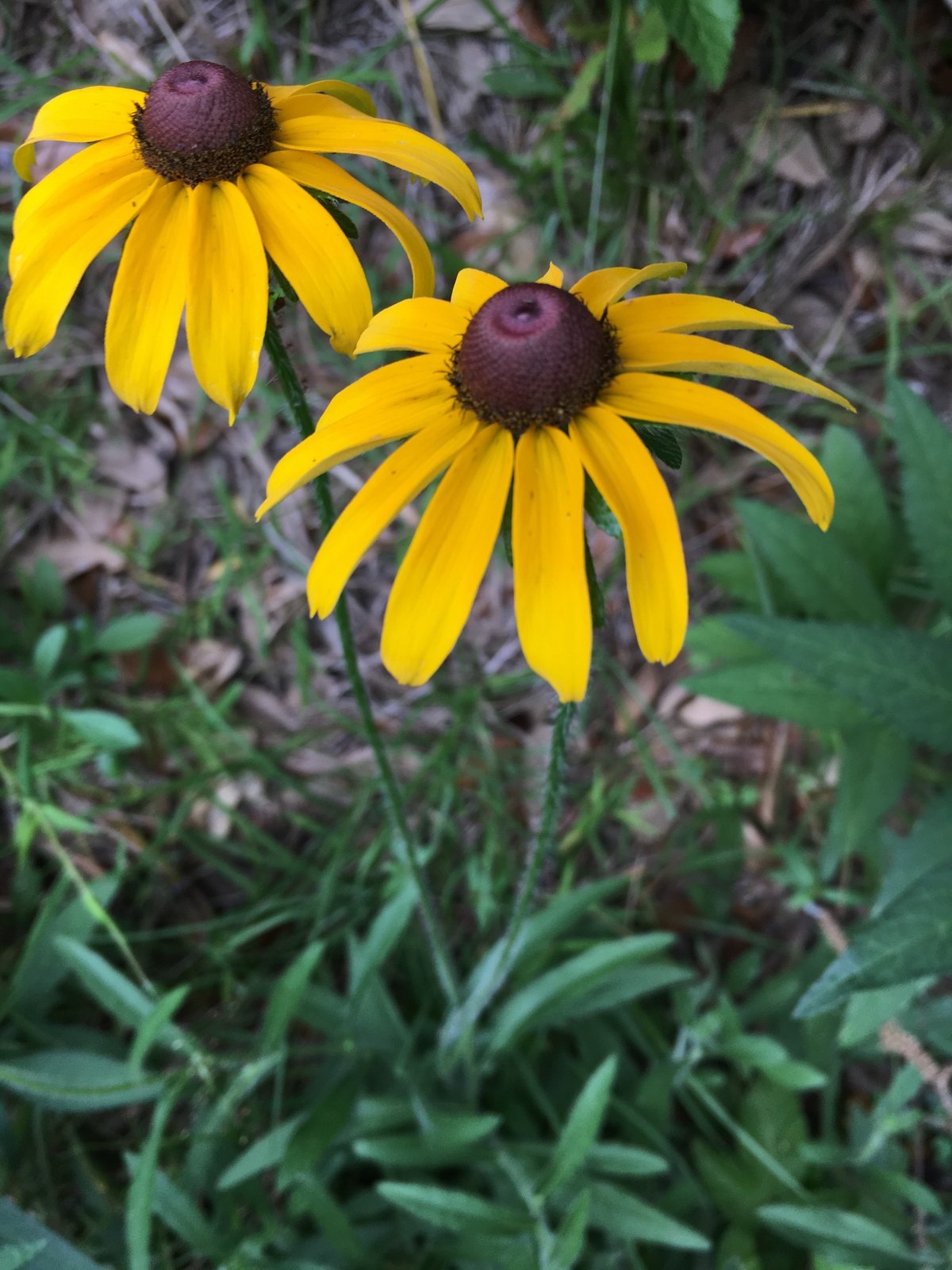
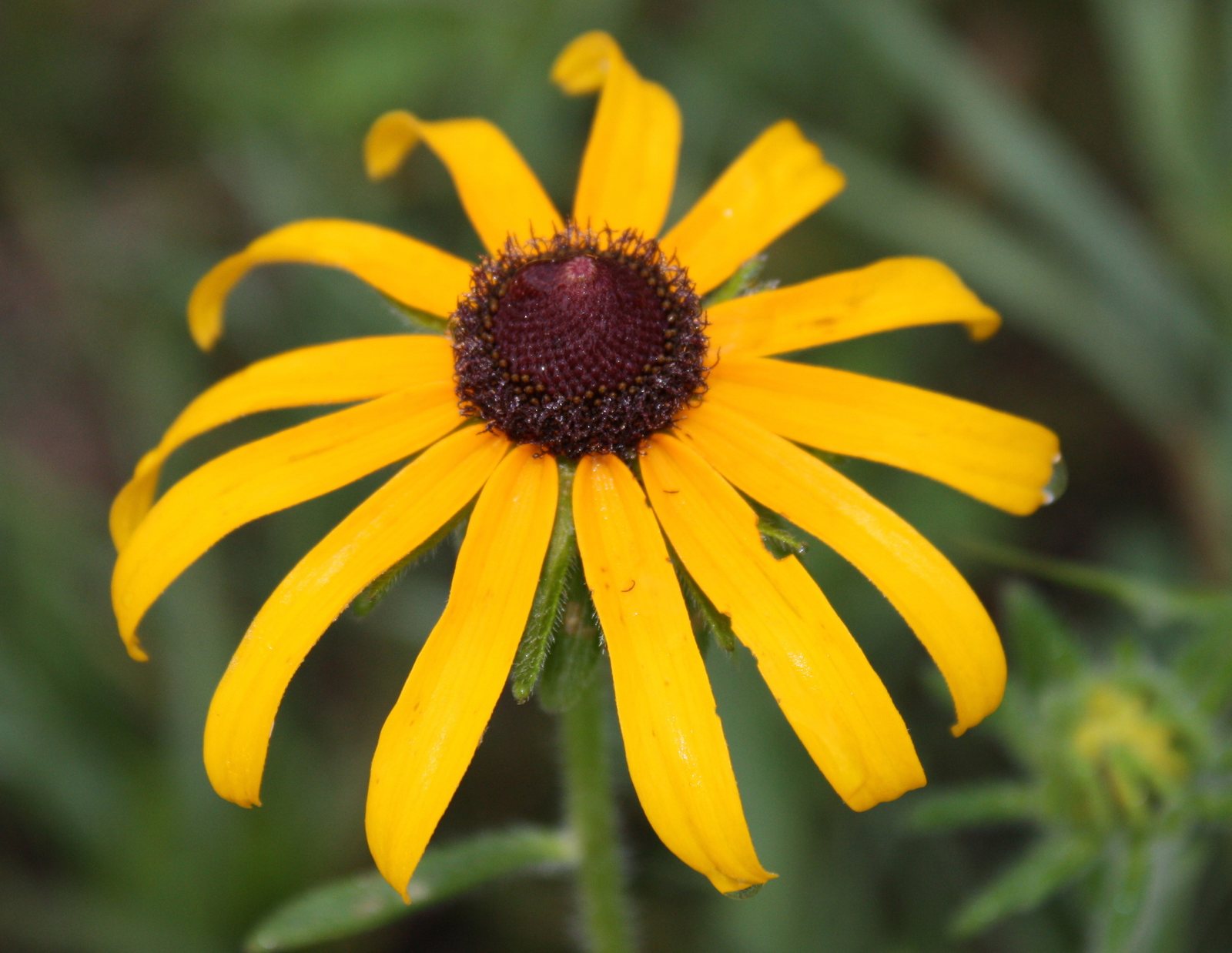
Prairie Sun is grown as an annual for its large, daisy-like flowers with golden-yellow inner petals, pale yellow tips and a green central cone rather than the usual dark eye. It flowers through summer into autumn and suits sunny borders, containers and cutting gardens. Although Rudbeckia hirta can behave as a biennial or short-lived perennial, do not rely on this cultivar returning each year.
At a glance
- Sun
- Full sun; light afternoon shade is useful in very hot climates, but too much shade reduces flowering.
- Water
- Water regularly while establishing, then when the upper soil dries. Established plants tolerate brief dry spells, but flower better with steady moisture; containers need more frequent watering.
- Soil
- Well-drained soil with average fertility; tolerates clay if it does not remain waterlogged. Avoid heavily enriched, soggy ground.
- Height
- 2-3 ft (0.6-0.9 m)
- Spread
- 1-2 ft (0.3-0.6 m)
- Flowers
- Summer to autumn, often until frost; golden-yellow petals with pale yellow tips surround a green cone that darkens with age.
- Foliage
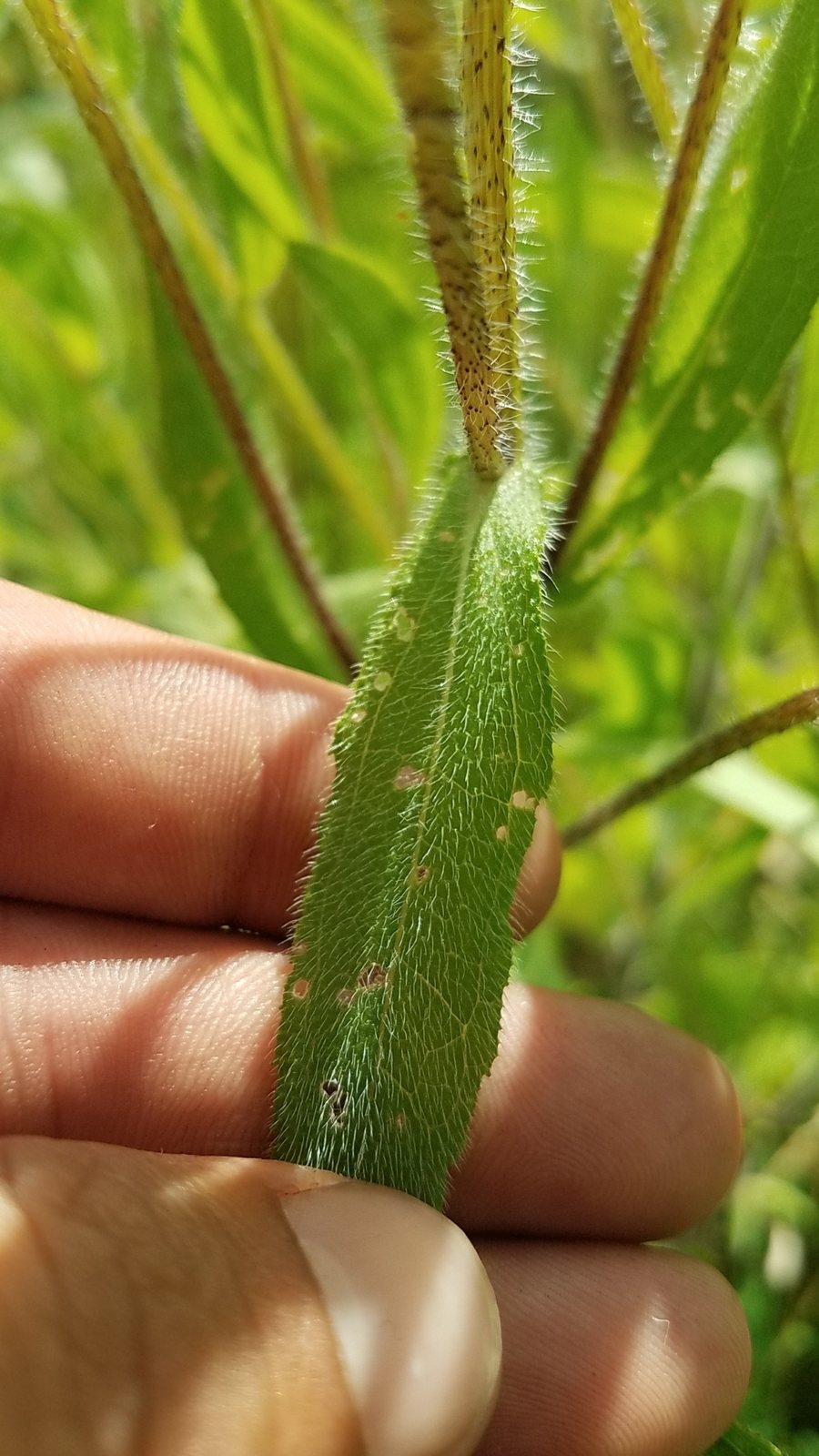
- Rough, hairy, green leaves, with broader leaves near the base and smaller leaves along the upright stems.
- Growth
- Fast; flowers in its first growing season from an early sowing.
- Care needed
- Low
The year at a glance
- Pollinators
- Heat tolerant
- Wildlife
| J | F | M | A | M | J | J | A | S | O | N | D | |
|---|---|---|---|---|---|---|---|---|---|---|---|---|
| Flowers | ||||||||||||
| Fruit | ||||||||||||
| Plant |
Northern hemisphere months. In Australia, shift them by six.
- Difficulty
- Easy
- Toughness
- Fairly tough
Will it suit your garden?
Pick your zone, country, light and whether you have pets.
Full sun is 6 or more hours of direct sun a day, part shade 3 to 6 hours, shade under 3.
How it grows
Planting day
0.5 ft (0.15 m)
After 1 year
2.5 ft (0.75 m)
full size
Full size in one season.
From a typical nursery size, at an average rate for this kind of plant. A rule of thumb, not a forecast.
Good to know
- Cats and dogs
- Safe
- Native to
- the US and Canada
- Growth rate
- Fast
Care
Jobs through the year
- WaterMay, Sep–Oct, every 10 days
- Water rooted plants when the upper soil dries; newly planted seedlings need more frequent watering.
- WaterJun–Aug, every 7 days
- Water at soil level during dry weather for steady flowering; avoid saturating the crown.
- MulchMay–Jun
- After planting, apply a thin mulch to conserve moisture while keeping stems clear.
- ProtectMay–Jun
- Protect seedlings from slugs and add discreet supports in windy sites before stems lean.
- DeadheadJun–Oct, every 7 days
- Remove faded flowers to a leaf or side shoot; leave selected late heads to seed for birds.
- PruneNov–Dec
- Remove dead plants once seedheads are spent; clear diseased foliage promptly.
- Plant out after frost danger has passed, spacing plants about 12-18 in (30-45 cm) apart.
- Water at soil level when the upper soil dries; avoid keeping the crown wet.
- Mix a little compost into poor soil before planting; avoid heavy nitrogen feeding, which encourages floppy growth.
- Apply a thin mulch to conserve moisture, keeping it clear of the stems.
- Support exposed plants with discreet stakes or a low ring before stems lean.
Pruning. Remove faded flowers back to a leaf or side shoot to encourage more blooms. In autumn, leave some seedheads for birds or remove the plants once they have died; clear diseased foliage rather than leaving it over winter.
Through the year
- Late winter
- Sow seeds indoors about 8-10 weeks before the last expected frost; press onto moist seed compost and barely cover.
- Spring
- Gradually harden off seedlings before planting outside.
- Late spring
- Plant after frost danger has passed, water thoroughly and add supports in windy sites.
- Summer
- Water during dry spells and remove faded flowers regularly.
- Early autumn
- Leave selected flowerheads to form seed for birds.
- Late autumn
- Remove dead plants when seedheads are spent, and dispose of any diseased foliage.
In the garden
- Plant in repeated groups through a sunny mixed border for a long season of yellow flowers.
- Combine with purple salvias and blue catmint for strong colour contrast.
- Mix with airy ornamental grasses for a loose, prairie-style summer display.
- Grow in large containers with good drainage as a tall seasonal focal point.
- Include in a cutting garden for sturdy, long-stemmed flowers.
Garden styles it suits: Cottage garden, Pollinator garden, New perennial (prairie), Farmhouse, Hot border and Midwest prairie.
Plant it with: Purple coneflower, Meadow sage, Catmint, Switchgrass, Tall verbena and Zinnia.
Wildlife: The flowers provide pollen and nectar for bees and other visiting insects. Mature seedheads can feed seed-eating birds; leave some standing into the cooler months.
Problems to watch for
- Powdery mildew: improve spacing and airflow, water at soil level and remove badly affected foliage.
- Leaf spot: avoid overhead watering, remove infected leaves and clear affected debris at the end of the season.
- Slugs and snails: protect young plants, remove hiding places nearby and use wildlife-conscious slug controls where needed.
- Flopping or poor flowering: move future plantings into full sun, reduce nitrogen feeding and support stems in exposed positions.
Safety
Not known to be toxic to cats, dogs, horses or people. It is not a food plant; eating plant material may cause mild stomach upset, and the rough hairs can irritate sensitive skin.
Easily confused with
Irish Eyes black-eyed Susan (Rudbeckia hirta 'Irish Eyes')
Also has a green centre, but its petals are generally a more uniform golden yellow rather than showing Prairie Sun's distinct pale yellow tips.
Goldsturm black-eyed Susan (Rudbeckia fulgida var. sullivantii 'Goldsturm')
Has a dark brown central cone and more uniformly golden petals; it is also a dependable clump-forming perennial rather than mainly a seasonal bedding plant.
The name
Rudbeckia honours the Swedish botanists Olof Rudbeck the Elder and Younger, while hirta means hairy, referring to the rough hairs on the leaves and stems.
Propagation. Grow from seed, preferably bought seed labelled 'Prairie Sun' for a consistent display. Sow indoors before the last frost or directly into warm soil after frost danger has passed; direct-sown plants flower later. Saved seed and self-sown seedlings may differ from the parent.
Checked against open data
- Accepted botanical name
- Rudbeckia hirta
- In the US and Canada
- Native in Canada and the lower 48 states. Introduced in Alaska.
- Native range
- Alabama, Arkansas, California, Colorado, Connecticut, Delaware, District of Columbia, Florida, Georgia, Idaho, Illinois and Indiana.
- Measured
- Soil pH 6 to 7. Average height 58 cm.
Sources: GBIF (CC BY 4.0), USDA PLANTS and Trefle (CC BY 4.0). The care and design notes are LandscapeGPT's own.
See it in your own yard.
Upload a photo of your yard and see it redesigned with plants that suit your climate, each checked against your zone.