Prairifire crabapple
Malus 'Prairifire'. Family Rosaceae. Tree.
Also called Prairifire flowering crabapple, Prairie Fire crabapple.
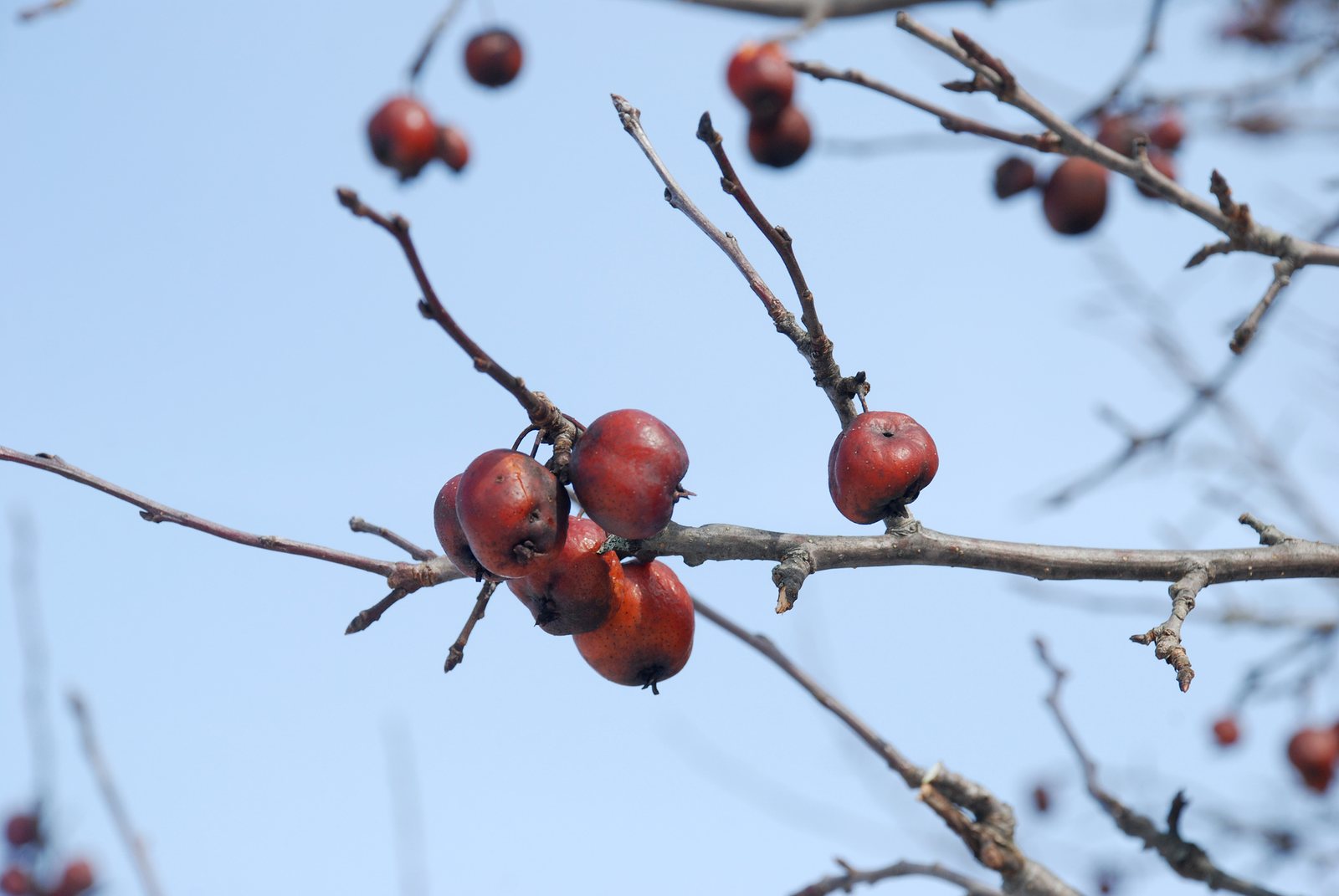
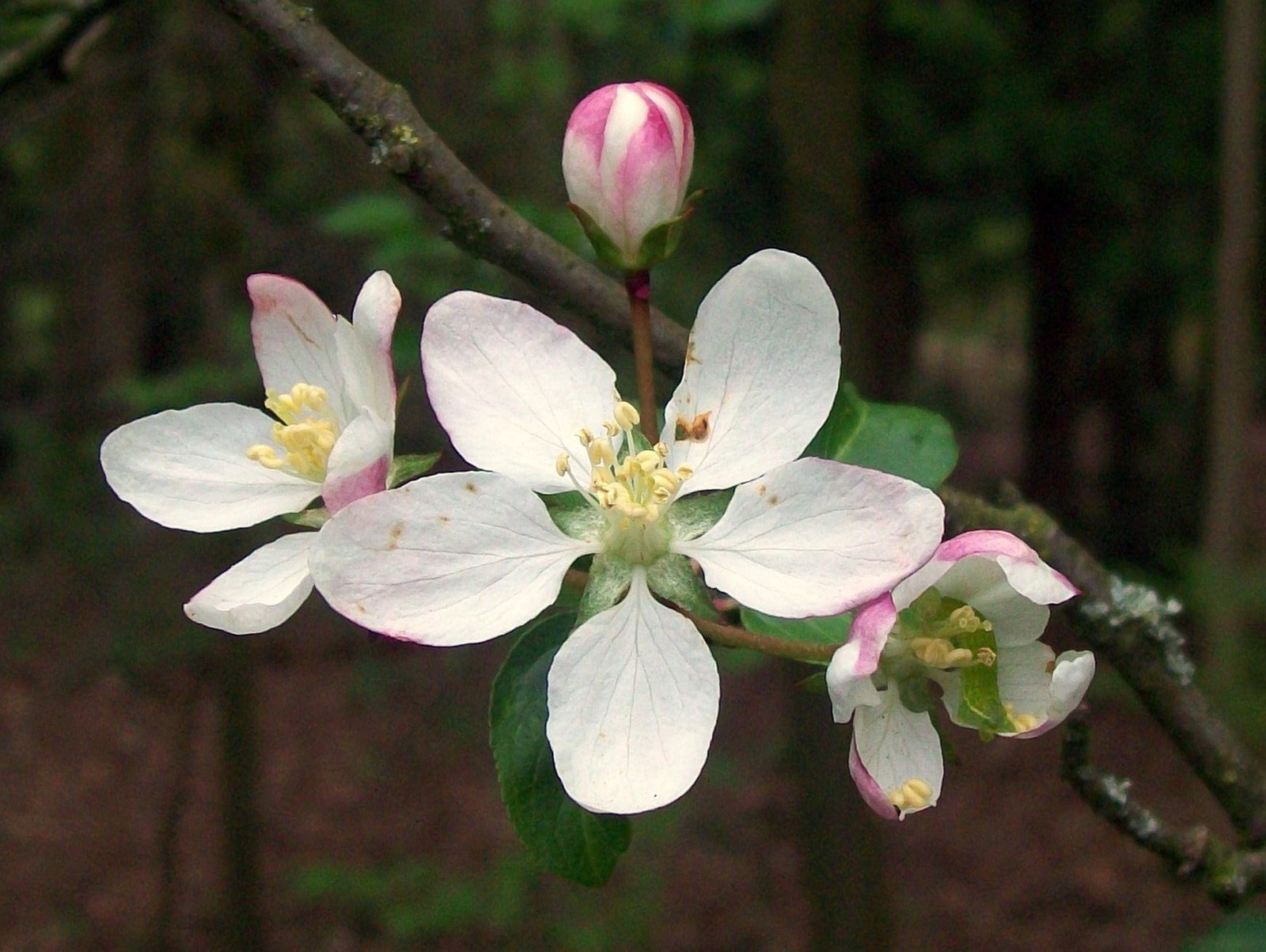
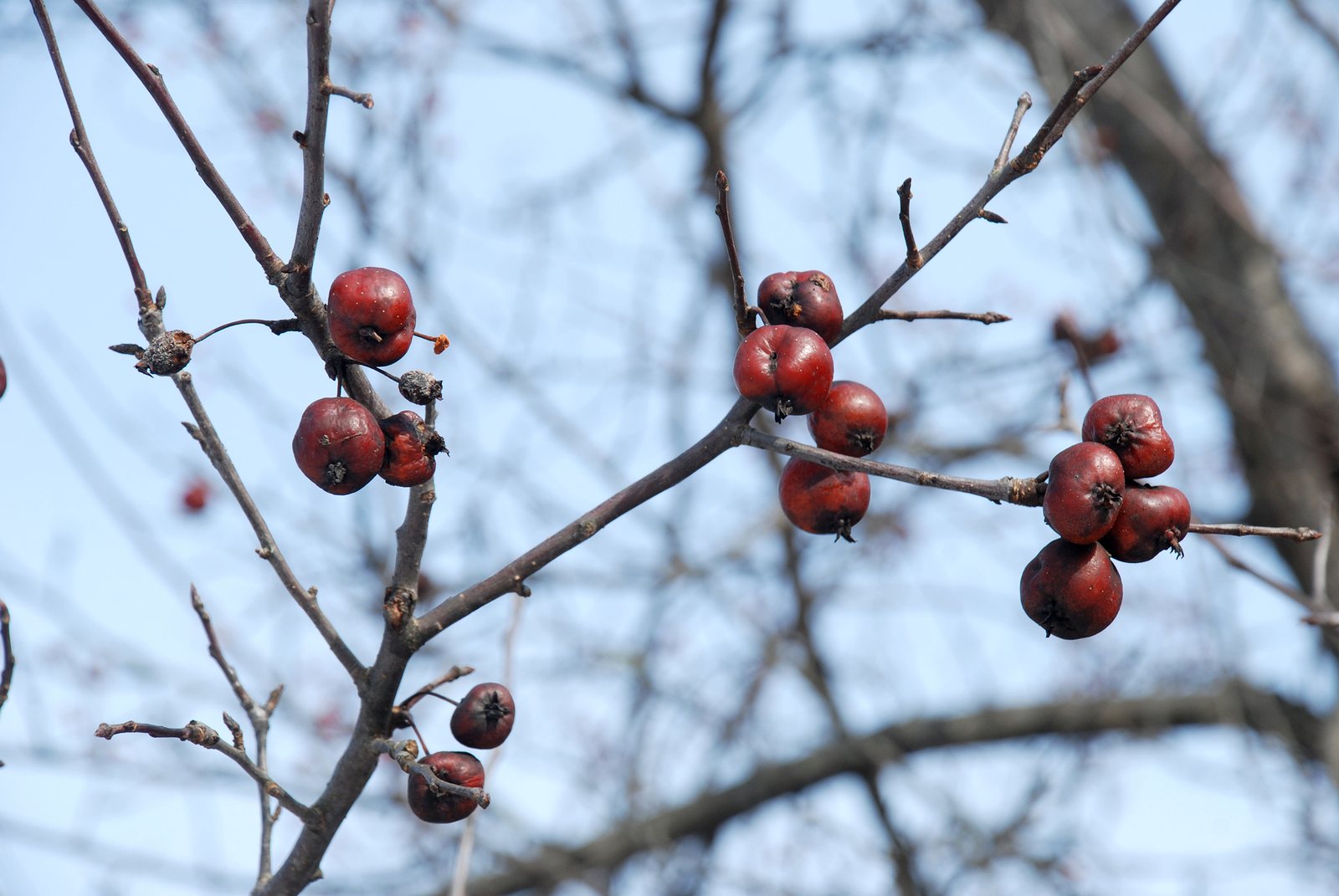
Prairifire is a deciduous ornamental crabapple grown for deep pink spring flowers, purple-tinged young leaves and small, dark red fruits that often persist into winter. Its rounded crown suits a lawn or mixed border, and it has good resistance to several common crabapple diseases, though it is not immune.
At a glance
- Sun
- Full sun; allow at least 6 hours of direct sunlight for good flowering and healthy foliage.
- Water
- Moderate; water regularly while establishing, then during prolonged dry spells. Avoid persistently wet soil.
- Soil
- Well-drained loam or clay with moderate fertility; prefers slightly acidic to neutral soil but tolerates a wider pH range.
- Height
- 15-20 ft (4.6-6.1 m)
- Spread
- 15-20 ft (4.6-6.1 m)
- Flowers
- Mid- to late spring; deep pink to pinkish-red flowers open from darker red buds.
- Foliage
- Young leaves emerge reddish purple, becoming dark green with bronze or purple tones in summer; autumn colour is usually orange to reddish orange and varies with conditions.
- Growth
- Moderate
- Care needed
- Medium
The year at a glance
- Pollinators
- Cold hardy
- Disease resistant
- Wildlife
- Low allergen
| J | F | M | A | M | J | J | A | S | O | N | D | |
|---|---|---|---|---|---|---|---|---|---|---|---|---|
| Flowers | ||||||||||||
| Fruit | ||||||||||||
| Plant |
Northern hemisphere months. In Australia, shift them by six.
- Difficulty
- Moderate
- Toughness
- Very tough
Will it suit your garden?
Pick your zone, country, light and whether you have pets.
Full sun is 6 or more hours of direct sun a day, part shade 3 to 6 hours, shade under 3.
How it grows
Planting day
7 ft (2 m)
After 1 year
7 ft (2.2 m)
After 2 years
8 ft (2.3 m)
After 3 years
8 ft (2.5 m)
After 5 years
9 ft (2.8 m)
About 20 years to full size.
From a typical nursery size, at an average rate for this kind of plant. A rule of thumb, not a forecast.
Good to know
- Cats and dogs
- Toxic
- Growth rate
- Moderate
Care
Jobs through the year
- WaterApr–May, Sep–Oct, every 14 days
- Water established trees deeply if soil is dry; young trees need more frequent watering for two years.
- WaterJun–Aug, every 7 days
- Water deeply during extended dry spells; skip when rainfall keeps the root zone moist.
- MulchMar–Apr
- Maintain 5–8 cm of organic mulch, keeping the trunk and graft clear.
- FeedMar–Apr
- Feed only for a confirmed deficiency or weak growth; avoid excess nitrogen.
- PruneFeb–Mar
- Remove dead, damaged or rubbing wood lightly; retain a balanced crown.
- PruneApr–Sep
- Remove suckers; cut out fire-blight infections in dry weather using local sanitation guidance.
- ProtectOct–Nov
- Collect diseased leaves and mummified fruit to reduce overwintering infection.
- ProtectJan–Feb, Nov–Dec
- Fit a ventilated trunk guard where rabbits or voles threaten young bark.
- Plant with the root flare at soil level and keep any graft union above the soil.
- Water deeply during dry weather for the first two growing seasons, moistening the root zone rather than just the surface.
- Spread 2-3 in (5-8 cm) of organic mulch over the root area, leaving a clear gap around the trunk.
- Avoid routine high-nitrogen feeding; fertilize only if soil testing or weak growth indicates a need.
- Remove shoots arising from the roots or below the graft union.
- Stake only if the root ball moves in the wind, and remove supports after the tree becomes stable.
Pruning. Prune lightly in late winter while dormant, removing dead, crossing or damaged branches and retaining a balanced crown; avoid topping or heavy annual thinning. Remove suspected fire-blight infections promptly in dry weather, cutting well below visible damage and disinfecting tools between cuts.
Through the year
- Late winter
- Inspect the branch structure and prune out dead, rubbing or damaged wood.
- Spring
- Plant container-grown trees while conditions are cool and soil is workable; water thoroughly.
- Late spring
- After flowering, check for scorched-looking shoots, aphids and early leaf spotting.
- Summer
- Water during extended dry spells and remove rootstock suckers.
- Autumn
- Collect fallen diseased leaves and remove mummified fruit to reduce overwintering disease.
- Late autumn
- Plant dormant trees where soil is workable; in very cold regions, wait until spring.
- Winter
- Check young trunks for rabbit or vole damage and fit a ventilated guard where needed.
In the garden
- Use as a single specimen in a lawn, leaving enough space for its mature rounded crown.
- Place behind a mixed border with hardy geraniums and catmint to carry colour beyond the spring blossom.
- Repeat along a broad path or driveway for a coordinated spring display, allowing clearance for mature branches.
- Include in a wildlife garden where flowers support insects and persistent fruit feeds birds.
Garden styles it suits: Traditional, English country, Cottage garden, Wildlife garden, Pollinator garden and Winter interest.
Plant it with: Catmint, Hardy geranium, Daffodils, Snowdrops, Lady's mantle and Switchgrass.
Wildlife: Flowers supply pollen and nectar to bees and other insects. Birds eat the small fruits, often later in the season after they soften; the branches also provide shelter and nesting sites.
Problems to watch for
- Apple scab: resistance is generally good, but spotting and leaf drop can occur. Give the crown good airflow, avoid overhead watering and clear fallen infected leaves.
- Fire blight: blackened, hooked shoot tips may appear after flowering. Remove infected shoots in dry weather and avoid excessive nitrogen or heavy pruning that encourages soft growth.
- Japanese beetles, where present in North America: adults can skeletonize leaves. Hand-pick small infestations into soapy water; avoid placing beetle traps beside the tree.
- Poor flowering: shade, heavy pruning or excessive nitrogen can reduce bloom. Provide full sun, prune lightly and keep lawn fertilizer away from the root zone.
Safety
Seeds, leaves and stems contain cyanogenic compounds and can poison cats, dogs, horses and people if enough is chewed or eaten; wilted foliage is a particular concern around livestock. Severe poisoning can be life-threatening. The fruit flesh is not known to be toxic, although these small, tart fruits are mainly ornamental and eating large amounts may cause stomach upset.
Easily confused with
Royal Raindrops crabapple (Malus 'JFS-KW5')
Has distinctly lobed, cut-looking purple leaves; Prairifire has unlobed leaves that become greener through summer.
Thunderchild crabapple (Malus 'Thunderchild')
Usually retains stronger purple foliage through summer and has lighter pink flowers; Prairifire's mature leaves are greener and its flowers deeper pink.
Japanese flowering crabapple (Malus floribunda)
Its red or pink buds open to pale pink, then nearly white flowers, unlike Prairifire's deep pink flowers.
The name
Malus is the Latin name for an apple tree.
Propagation. Named plants are propagated by budding or grafting onto a suitable apple rootstock. Seedlings will not reliably retain Prairifire's characteristics; buy a correctly labelled grafted tree for a predictable result.
Checked against open data
- Accepted botanical name
- Malus
Sources: GBIF (CC BY 4.0). The care and design notes are LandscapeGPT's own.
See it in your own yard.
Upload a photo of your yard and see it redesigned with plants that suit your climate, each checked against your zone.