Purple Majesty millet
Cenchrus americanus 'Purple Majesty'. Family Poaceae. Ornamental grass.
Also called Purple Majesty pearl millet, Ornamental pearl millet, Pennisetum glaucum 'Purple Majesty'.
Purple Majesty millet is a fast-growing, warm-season grass grown as an annual for its broad, dark purple leaves and thick, upright flower spikes. It gives borders and containers strong vertical structure, but needs full sun and warm weather to develop its best colour and size.
At a glance
- Sun
- Full sun; shade produces greener leaves and weaker growth.
- Water
- Water regularly while establishing, then when the upper soil dries. Established plants tolerate short dry spells, but prolonged drought reduces growth.
- Soil
- Well-drained soil enriched with compost; tolerates sandy or loamy soil but dislikes waterlogging.
- Height
- 3-5 ft (0.9-1.5 m)
- Spread
- 1-2 ft (0.3-0.6 m)
- Flowers
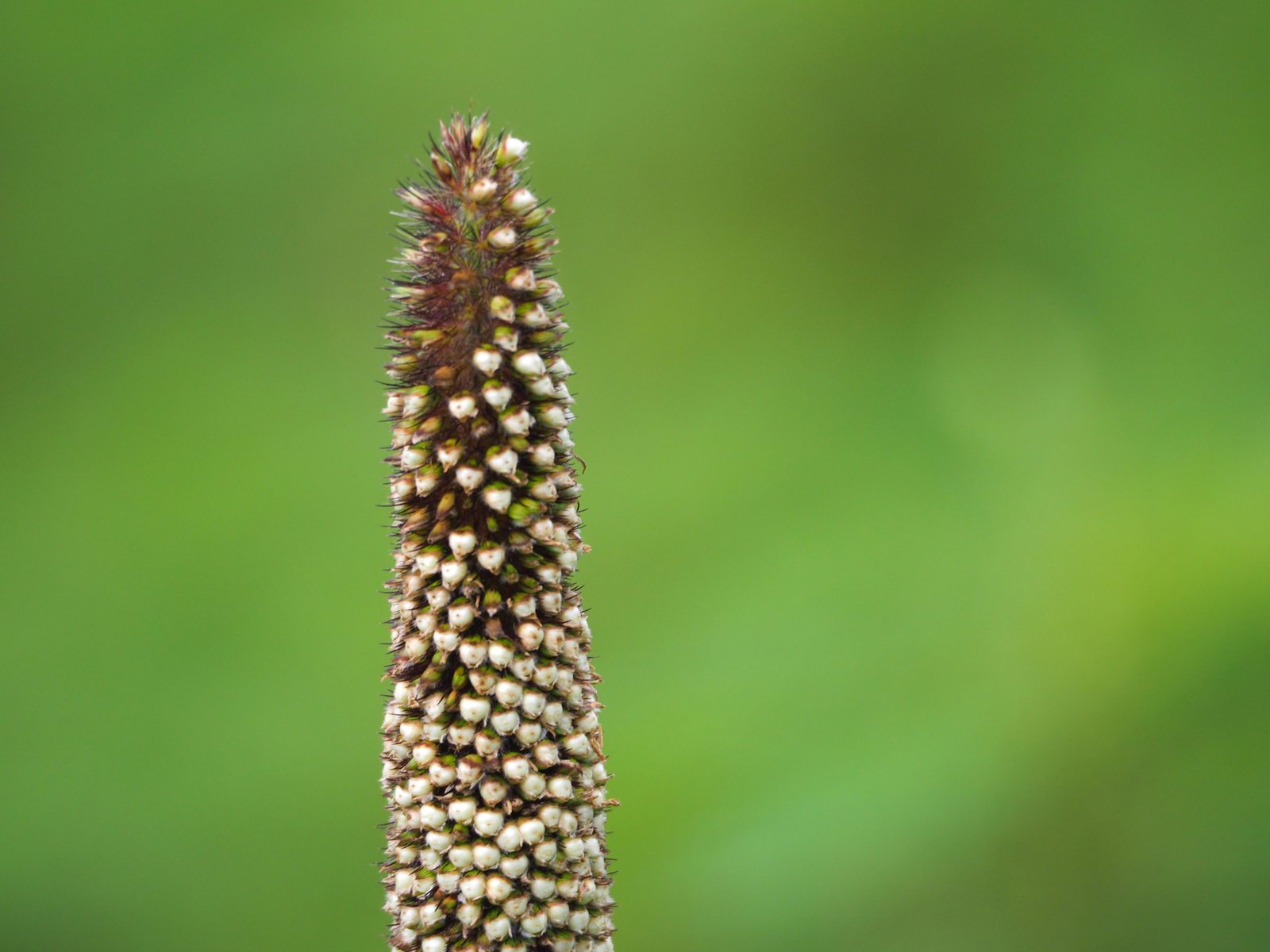
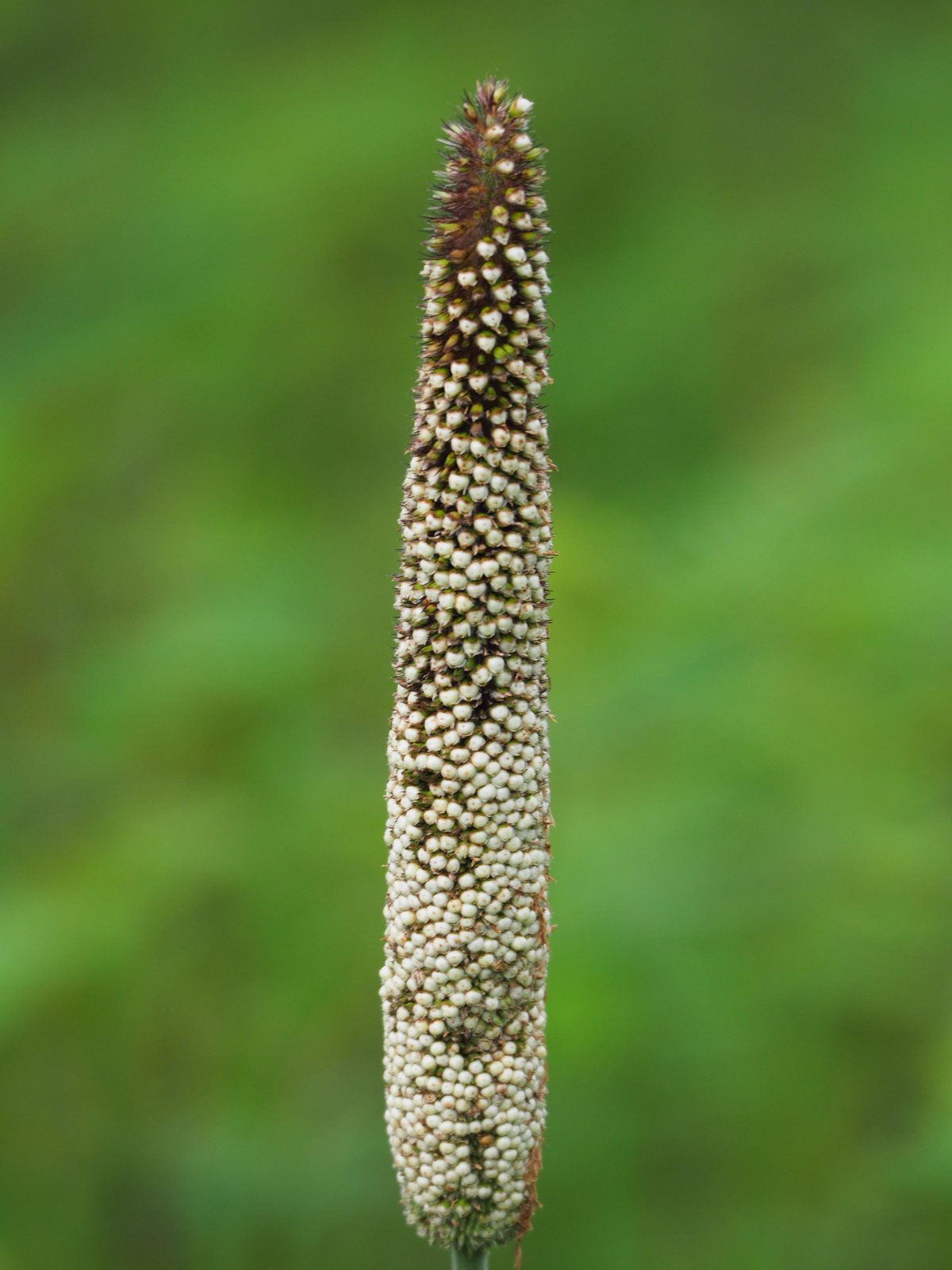
- Summer to autumn; dense, cylindrical purple-brown flower spikes with briefly visible golden pollen, followed by seed.
- Foliage
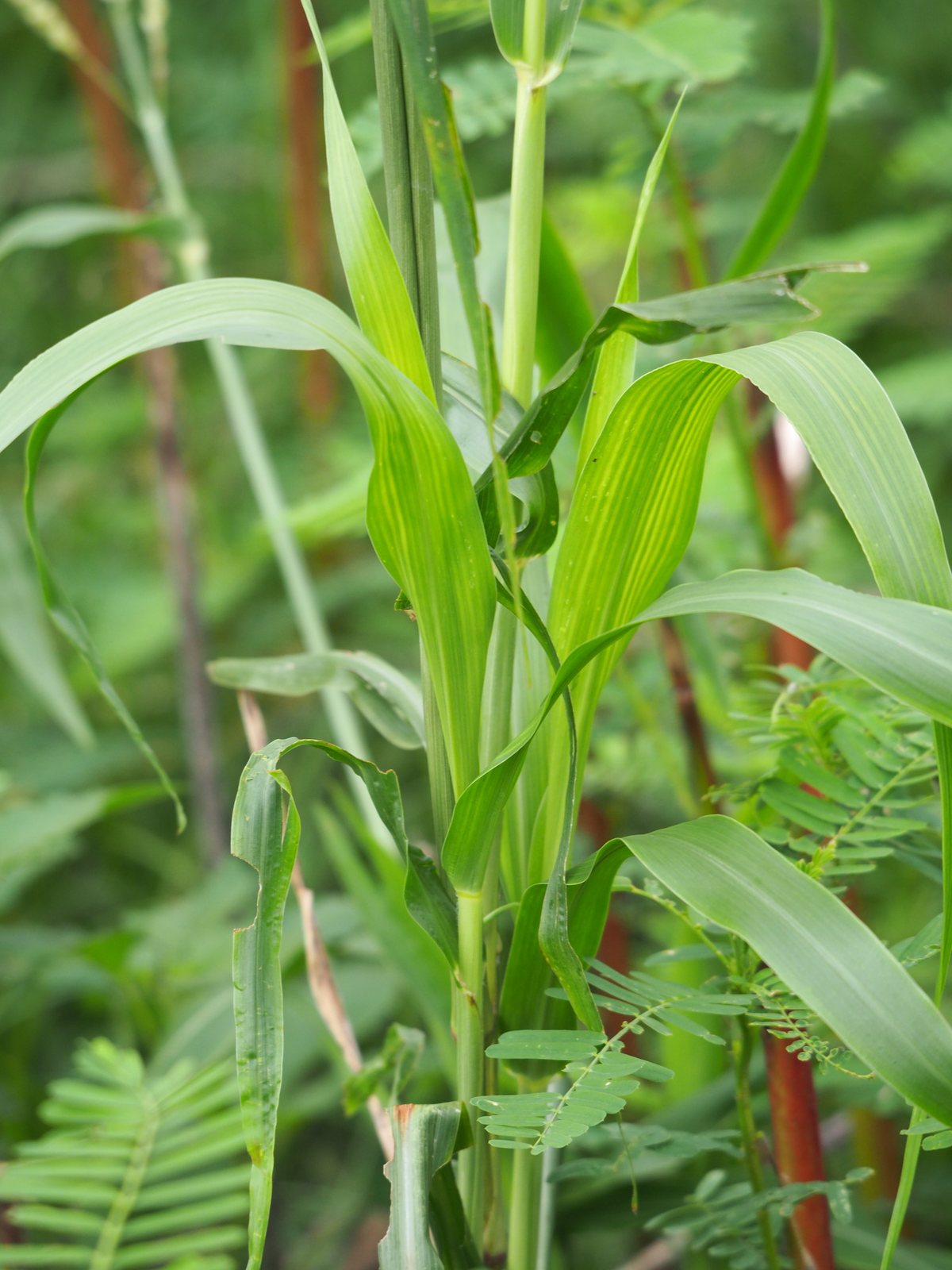
- Broad, arching, maize-like leaves become deep burgundy-purple in strong sunlight. Young seedlings can be green.
- Growth
- Fast in warm weather; reaches flowering size in one growing season.
- Care needed
- Low
The year at a glance
- Heat tolerant
- Wildlife
| J | F | M | A | M | J | J | A | S | O | N | D | |
|---|---|---|---|---|---|---|---|---|---|---|---|---|
| Flowers | ||||||||||||
| Fruit | ||||||||||||
| Plant |
Northern hemisphere months. In Australia, shift them by six.
- Difficulty
- Easy
- Toughness
- Fairly tough
Will it suit your garden?
Pick your zone, country, light and whether you have pets.
Full sun is 6 or more hours of direct sun a day, part shade 3 to 6 hours, shade under 3.
How it grows
Planting day
1.1 ft (0.35 m)
After 1 year
2.9 ft (0.87 m)
After 2 years
4 ft (1.2 m)
full size
About 2 years to full size.
From a typical nursery size, at an average rate for this kind of plant. A rule of thumb, not a forecast.
Good to know
- Cats and dogs
- Safe
- Growth rate
- Fast
Care
Jobs through the year
- WaterMay–Jun, Sep, every 7 days
- Water established ground-grown plants when the upper soil dries; young plants need more frequent checks.
- WaterJul–Aug, every 5 days
- Water established plants during dry weather once the upper soil dries; check containers more frequently.
- MulchJun
- Apply a light mulch after the soil warms, keeping it away from stems.
- ProtectMay
- Harden off seedlings and plant outside only after frost risk passes and nights are mild.
- PruneOct–Nov
- Remove frost-killed plants, leaving sound seedheads temporarily if birds are feeding.
- Plant out only after frost risk has passed and the soil has warmed; space plants 12-18 in (30-45 cm) apart.
- Water young plants regularly and check containers frequently during hot weather.
- Mix compost into poor soil before planting; feed container plants with a balanced fertiliser according to the label.
- Apply a light mulch once the soil is warm, keeping it away from the stems.
- Choose a sheltered, sunny position; stake only if plants lean in an exposed site.
Pruning. Do not shear or cut back during growth. Leave seedheads for birds, or remove them before seeds ripen to limit seedlings; pull up or cut down the plants after frost kills them.
Through the year
- Early spring
- In short-season climates, sow indoors about 4-6 weeks before the last expected frost, keeping the seed compost warm.
- Late spring
- Harden off seedlings and plant outside after frost risk has passed and nights are consistently mild.
- Early summer
- Direct-sow in warm soil where the growing season is long enough; thin crowded seedlings.
- Summer
- Water during dry spells and feed plants in containers as needed.
- Late summer
- Leave spikes to develop seed for birds, or cut some for fresh or dried arrangements.
- Late autumn
- Remove frost-killed plants, leaving sound seedheads standing temporarily if birds are feeding on them.
In the garden
- Use as the upright centrepiece of a large container with lower, trailing plants.
- Repeat small groups through a sunny border to link dark foliage with orange, red or yellow flowers.
- Plant behind shorter annuals for a temporary summer backdrop.
- Combine with fine-leaved grasses for a contrast between broad leaves and airy textures.
Garden styles it suits: Architectural minimal, Modern, Tropical, Hot border, Wildlife garden and Small-space.
Plant it with: Zinnias, Marigolds, Orange cosmos, Salvias, Sweet potato vine and Fountain grass.
Wildlife: Ripe seeds attract seed-eating birds. Flowers are wind-pollinated and are not a significant nectar source.
Problems to watch for
- Green foliage or slow growth: move plants into full sun and wait for warmer weather; young seedlings naturally start greener.
- Yellowing and root rot in wet soil: improve drainage and let the surface dry between waterings.
- Spider mites in hot, dry conditions: check for fine webbing and stippled leaves, rinse leaf undersides and avoid severe drought stress.
- Aphids on young growth: dislodge with water; use insecticidal soap labelled for ornamental plants if infestations persist.
Safety
Not known to be toxic to cats, dogs or people under normal garden conditions. Pearl millet is also used as livestock forage, but stems and leaves can accumulate dangerous nitrate levels under stressed growing conditions, especially with heavy nitrogen feeding; do not use garden plants as horse feed without suitable advice and testing.
Easily confused with
Purple fountain grass (Cenchrus advena 'Rubrum')
Has much narrower leaves and soft, arching, brush-like flowerheads rather than broad leaves and thick, upright millet spikes.
Purple-leaved maize (Zea mays)
Can have similarly broad purple leaves, but produces a branched tassel at the top and separate ears with silks along the stem.
The name
Cenchrus comes from an ancient Greek word for millet, while 'Purple Majesty' refers to the cultivar's purple colouring and tall, upright appearance.
Propagation. Grow from seed, preferably fresh commercial seed of 'Purple Majesty'. Sow indoors in warmth or directly outside after the soil warms. Saved seed may not produce plants identical to the parent, especially if other pearl millets grow nearby.
Checked against open data
- Accepted botanical name
- Cenchrus americanus
- In the US and Canada
- Introduced in the lower 48 states, Pacific Basin and Puerto Rico.
- Native range
- Angola, Benin, Burkina, Cameroon, Central African Repu, Chad, Congo, Gabon, Malawi, Mozambique, Nigeria and Togo.
- Measured
- Average height 40 cm.
Sources: GBIF (CC BY 4.0), USDA PLANTS and Trefle (CC BY 4.0). The care and design notes are LandscapeGPT's own.
See it in your own yard.
Upload a photo of your yard and see it redesigned with plants that suit your climate, each checked against your zone.