Purple Pixie loropetalum
Loropetalum chinense 'Peack'. Family Hamamelidaceae. Shrub.
Also called Purple Pixie Chinese fringe flower, Loropetalum chinense 'Peack'.
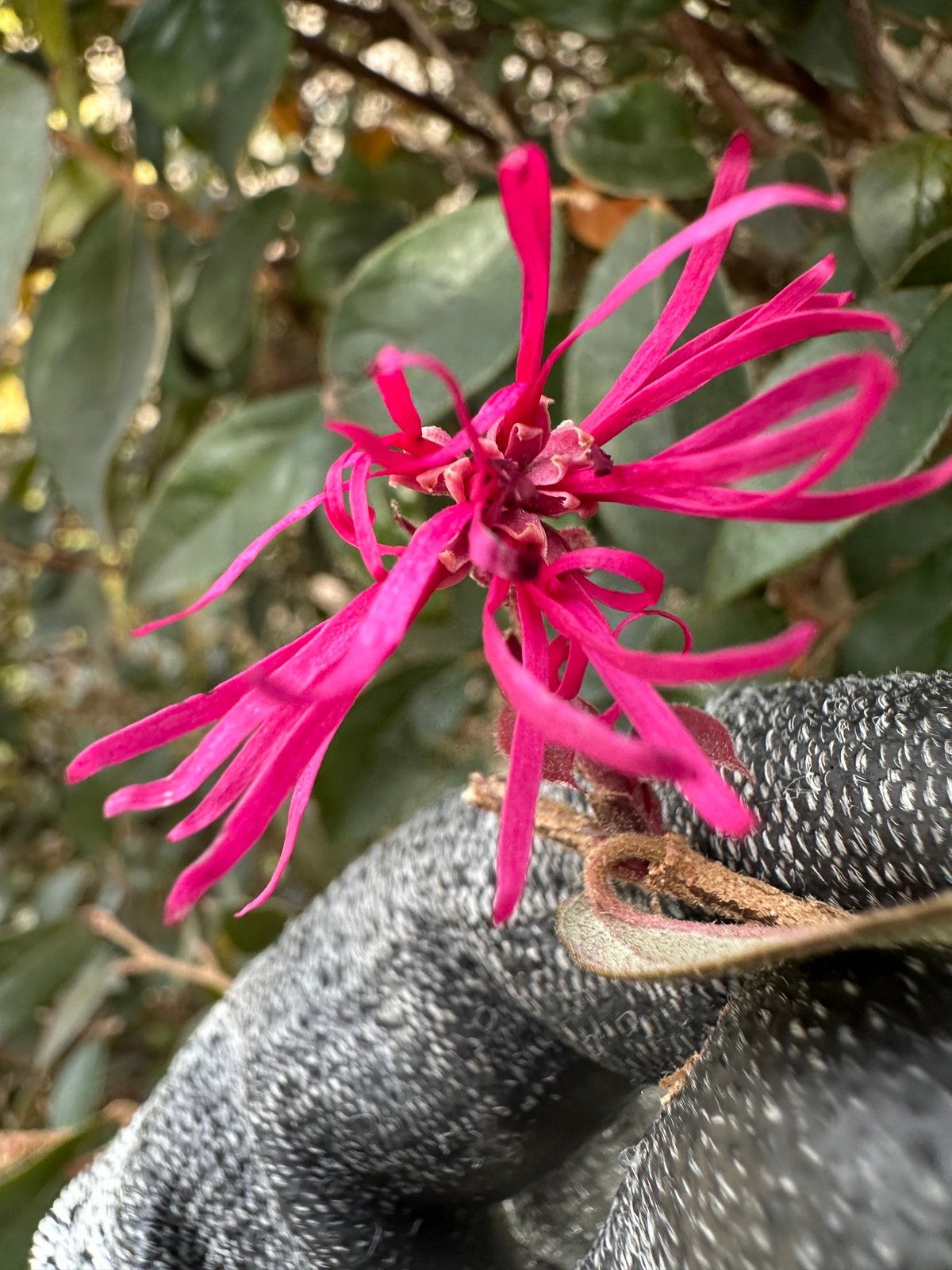
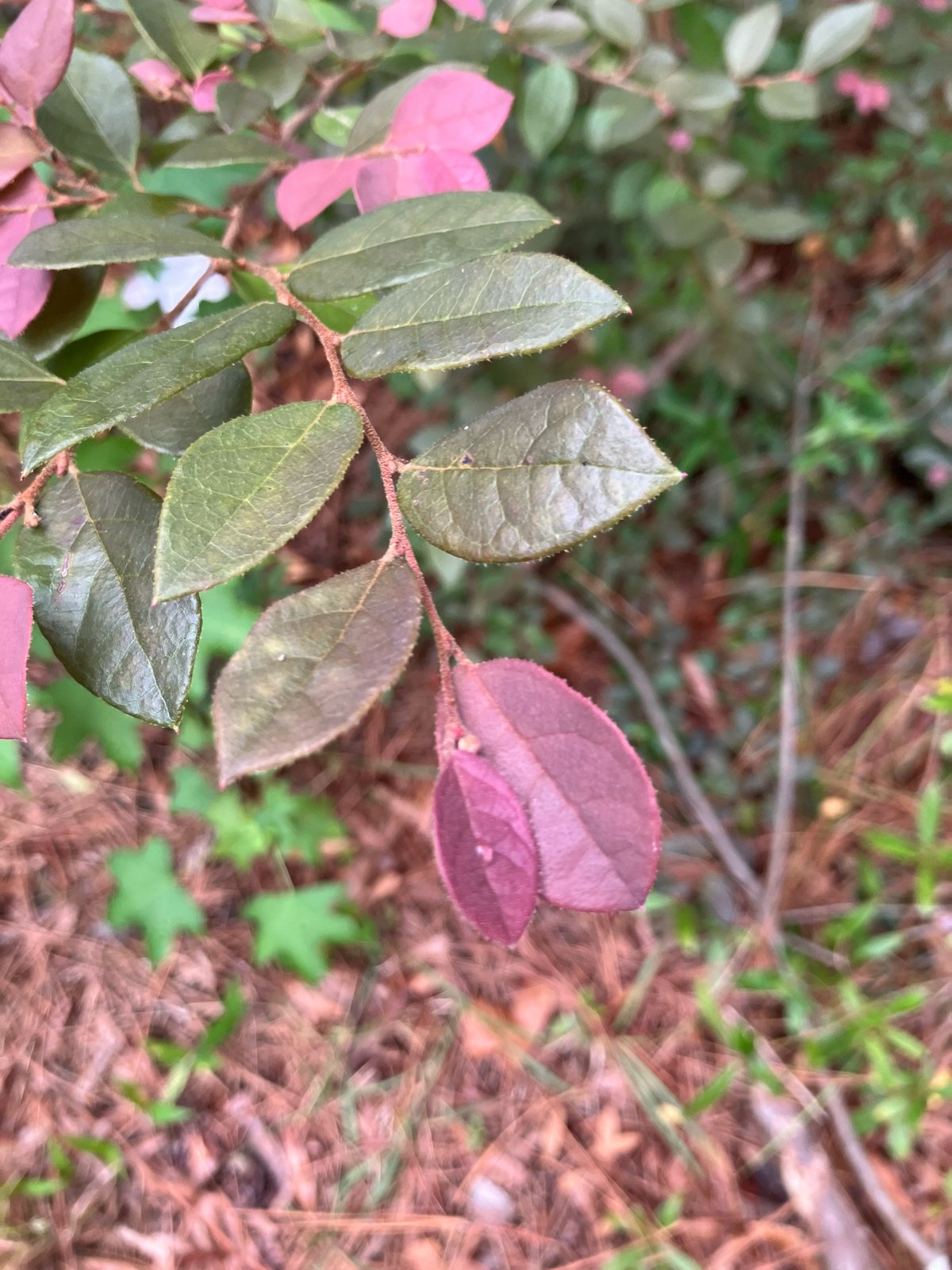
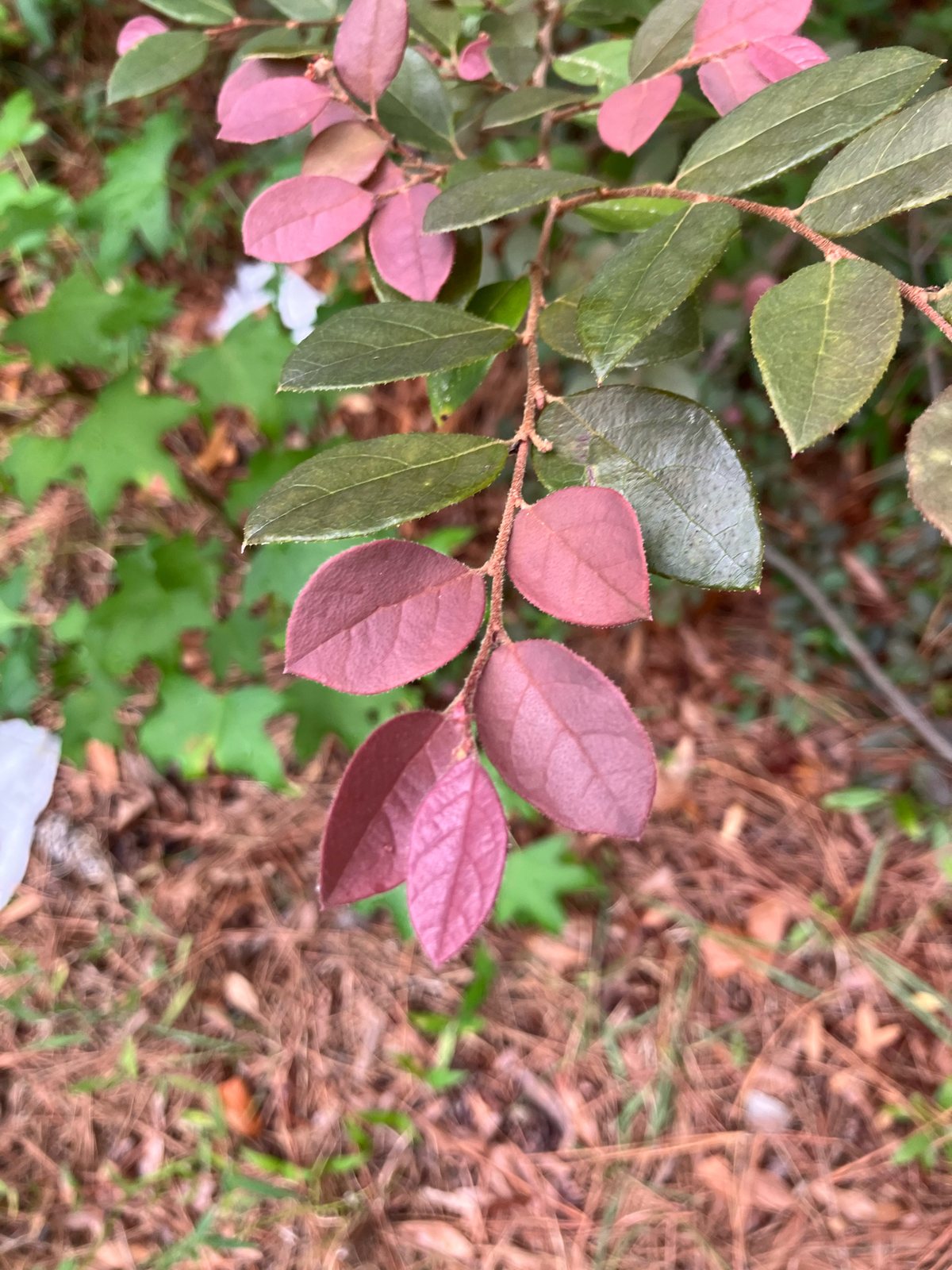
Purple Pixie is a dwarf, spreading evergreen shrub with cascading branches, deep purple leaves and bright pink, fringe-like spring flowers. Gardeners use it as a low groundcover, a trailing container plant or a soft edge above retaining walls. It needs a sheltered position near its cold limit and is not reliably hardy outdoors through most Canadian winters.
At a glance
- Sun
- Full sun to partial shade; best leaf colour with at least 4-6 hours of direct sun. Afternoon shade helps in very hot, dry locations.
- Water
- Keep evenly moist while establishing; afterward, water deeply during prolonged dry spells. Container plants need more frequent watering, but roots must not sit in water.
- Soil
- Acidic, humus-rich, well-drained soil, ideally around pH 5.0-6.5. Avoid chalky soil and poorly drained clay; use ericaceous compost in containers.
- Height
- 1-2 ft (0.3-0.6 m)
- Spread
- 4-5 ft (1.2-1.5 m)
- Flowers
- Bright pink flowers with narrow, ribbon-like petals in spring, sometimes with scattered repeat flowers later.
- Foliage
- Evergreen. Small, oval, deep purple to burgundy leaves on arching, trailing stems; foliage can become greener in shade.
- Growth
- Moderate in warm conditions; slower in cool climates.
- Care needed
- Low
The year at a glance
- Pollinators
- Deer resistant
- Heat tolerant
- Wildlife
- Low allergen
| J | F | M | A | M | J | J | A | S | O | N | D | |
|---|---|---|---|---|---|---|---|---|---|---|---|---|
| Flowers | ||||||||||||
| Plant |
Northern hemisphere months. In Australia, shift them by six.
- Difficulty
- Moderate
- Toughness
- Fairly tough
Will it suit your garden?
Pick your zone, country, light and whether you have pets.
Full sun is 6 or more hours of direct sun a day, part shade 3 to 6 hours, shade under 3.
How it grows
Planting day
1.5 ft (0.45 m)
full size
About 7 years to full size.
From a typical nursery size, at an average rate for this kind of plant. A rule of thumb, not a forecast.
Good to know
- Cats and dogs
- Safe
- Growth rate
- Slow
Care
Jobs through the year
- WaterApr–May, Sep–Oct, every 14 days
- Water established plants deeply if soil is drying; young plants need more frequent watering.
- WaterJun–Aug, every 7 days
- Water established plants deeply during dry weather; skip if soil remains moist and check pots more often.
- FeedApr
- Apply a light feed for acid-loving shrubs only if growth is weak.
- MulchMar–Apr
- Maintain 5–8 cm of organic mulch, keeping the crown and stems uncovered.
- PruneMay–Jun
- After spring flowering, remove damaged or badly placed shoots while preserving the cascading shape.
- ProtectJan–Mar, Nov–Dec
- Shelter from cold winds; where winters are too cold, move containers into a bright frost-free place.
- Plant with the top of the root ball level with the surrounding soil; do not bury the crown.
- Water deeply whenever the root zone begins to dry during the first growing season.
- Apply 2-3 in (5-8 cm) of organic mulch, keeping it clear of the stem bases.
- Feed lightly in spring with a fertiliser for acid-loving shrubs if growth is weak; avoid heavy feeding.
- Shelter from cold, drying winds, and move containers into a bright, cool, frost-free place where winters are too cold.
Pruning. Prune lightly just after the main spring flowering, shortening stray shoots without removing the cascading shape. Remove dead or damaged stems once winter damage is clear; routine shearing is unnecessary.
Through the year
- Spring
- Plant once the soil is workable and severe frost has passed; water thoroughly.
- Spring
- Refresh mulch and apply a light feed if needed.
- Late spring
- After the main flowers fade, trim only damaged or badly placed shoots.
- Summer
- Check soil moisture during dry weather, especially in pots and beside walls.
- Autumn
- Avoid hard pruning or nitrogen-rich feeding that encourages tender new growth.
- Winter
- Protect exposed plants from drying winds and shelter containers before damaging freezes.
In the garden
- Let branches spill over a low retaining wall, where the trailing habit remains visible.
- Use as a broad, low foreground beneath taller acid-loving shrubs.
- Grow in a large container with good drainage for year-round purple foliage.
- Pair with green or gold foliage to create contrast along a path or terrace.
Garden styles it suits: Modern, Modern courtyard, Southern, Low-maintenance, Small-space and Japanese.
Plant it with: Azaleas, Camellias, Japanese forest grass, Dwarf mondo grass, Japanese pieris and Heucheras.
Wildlife: Flowers may attract bees and other visiting insects. The low branches provide modest shelter, but it is not a major wildlife food plant.
Problems to watch for
- Yellow leaves with green veins often indicate iron unavailability in alkaline soil; test soil pH and use an ericaceous container mix if the ground is unsuitable.
- Root rot and decline occur in waterlogged soil; improve drainage and reduce watering rather than keeping the root zone constantly wet.
- Cold winds and hard freezes can scorch leaves or kill shoots; provide shelter and prune damaged growth after new growth reveals what survived.
- Scale insects can weaken stems and cause sticky deposits; inspect branches and treat confirmed infestations with a suitable horticultural oil according to its label.
Safety
Not known to be toxic to cats, dogs, horses or people, and no part is generally recognised as poisonous. Published safety information is limited, particularly for horses; it is an ornamental plant, not food, and eating substantial amounts may cause stomach upset.
Easily confused with
Other purple-leaved Chinese fringe flowers (Loropetalum chinense var. rubrum)
Many have similar purple leaves and pink flowers but grow as upright shrubs several feet tall. Purple Pixie stays low and develops distinctly trailing branches; a nursery label is the safest way to confirm the cultivar.
Purple-leaved Japanese barberry (Berberis thunbergii)
Barberry has sharp spines, small yellow flowers and deciduous foliage, rather than evergreen leaves and pink ribbon-like flowers.
The name
Loropetalum comes from Greek words meaning strap and petal, referring to the narrow flower petals, while chinense means from China.
Propagation. Usually propagated from semi-ripe cuttings taken in summer and rooted in a free-draining medium under humid conditions. Seedlings will not reliably retain the cultivar's dwarf habit or leaf colour; check local plant breeders' rights before propagating.
Checked against open data
- Accepted botanical name
- Loropetalum chinense
- Native range
- Assam, China South-Central, China Southeast, Japan, Taiwan and Thailand.
- Measured
- Average height 820 cm.
Sources: GBIF (CC BY 4.0) and Trefle (CC BY 4.0). The care and design notes are LandscapeGPT's own.
See it in your own yard.
Upload a photo of your yard and see it redesigned with plants that suit your climate, each checked against your zone.