Purple sage
Salvia officinalis 'Purpurascens'. Family Lamiaceae. Shrub.
Also called Purple culinary sage, Purple garden sage, Salvia officinalis 'Purpurascens'.
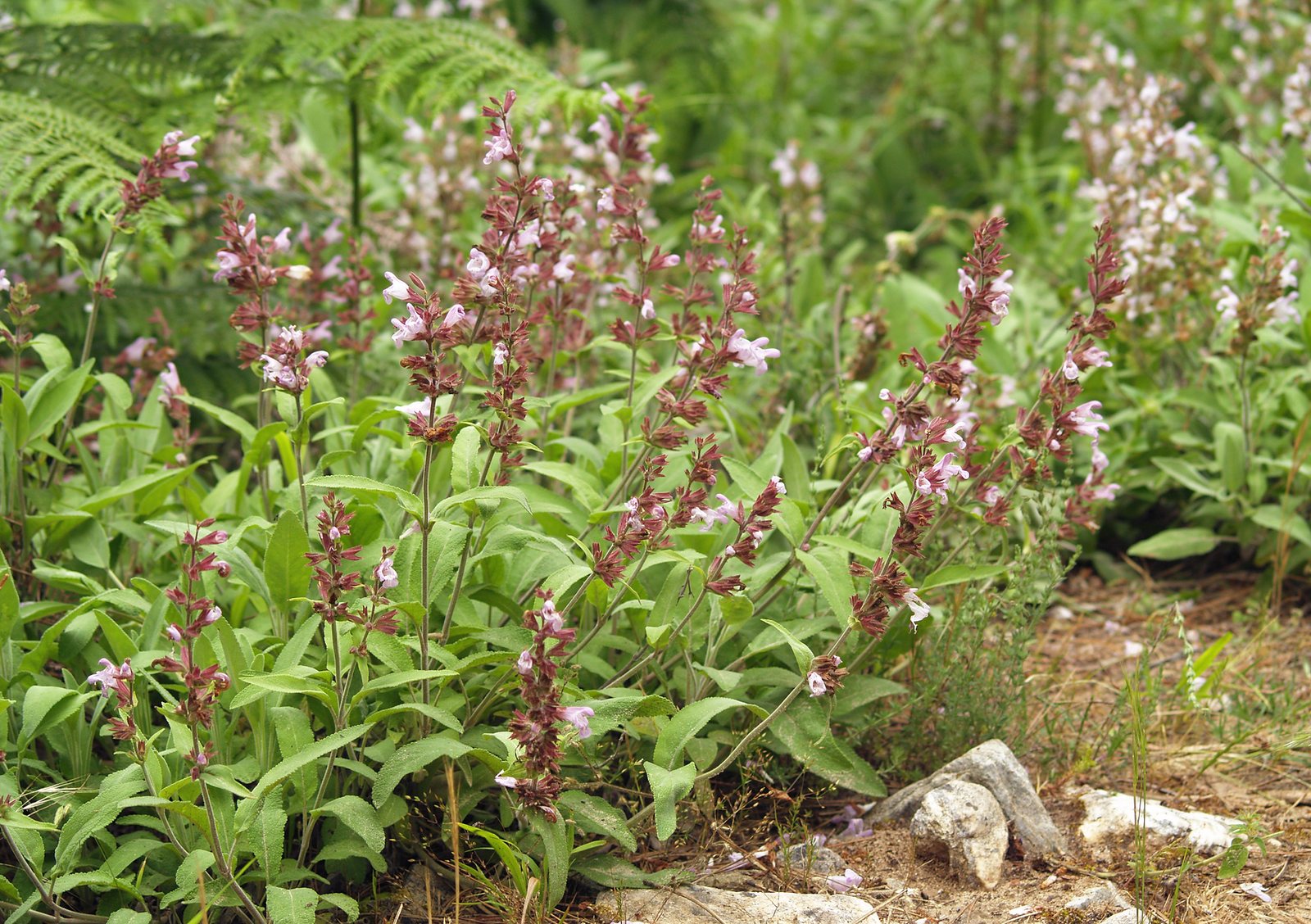
Purple sage is a small, woody culinary herb grown for its aromatic leaves and purple young growth, which matures to grey-green. Use it in a sunny herb bed, gravel border or container where the soil drains freely; winter wet is often more damaging than cold.
At a glance
- Sun
- Full sun; tolerates light afternoon shade in very hot climates, but foliage colour and growth are best with plenty of sun.
- Water
- Water regularly while establishing, then allow the soil to dry between thorough waterings. Established plants tolerate drought; containers need more frequent checks.
- Soil
- Well-drained, light or gritty soil, preferably neutral to alkaline. Avoid waterlogged ground and heavily enriched soil.
- Height
- 1-2 ft (0.3-0.6 m)
- Spread
- 1.5-3 ft (0.45-0.9 m)
- Flowers
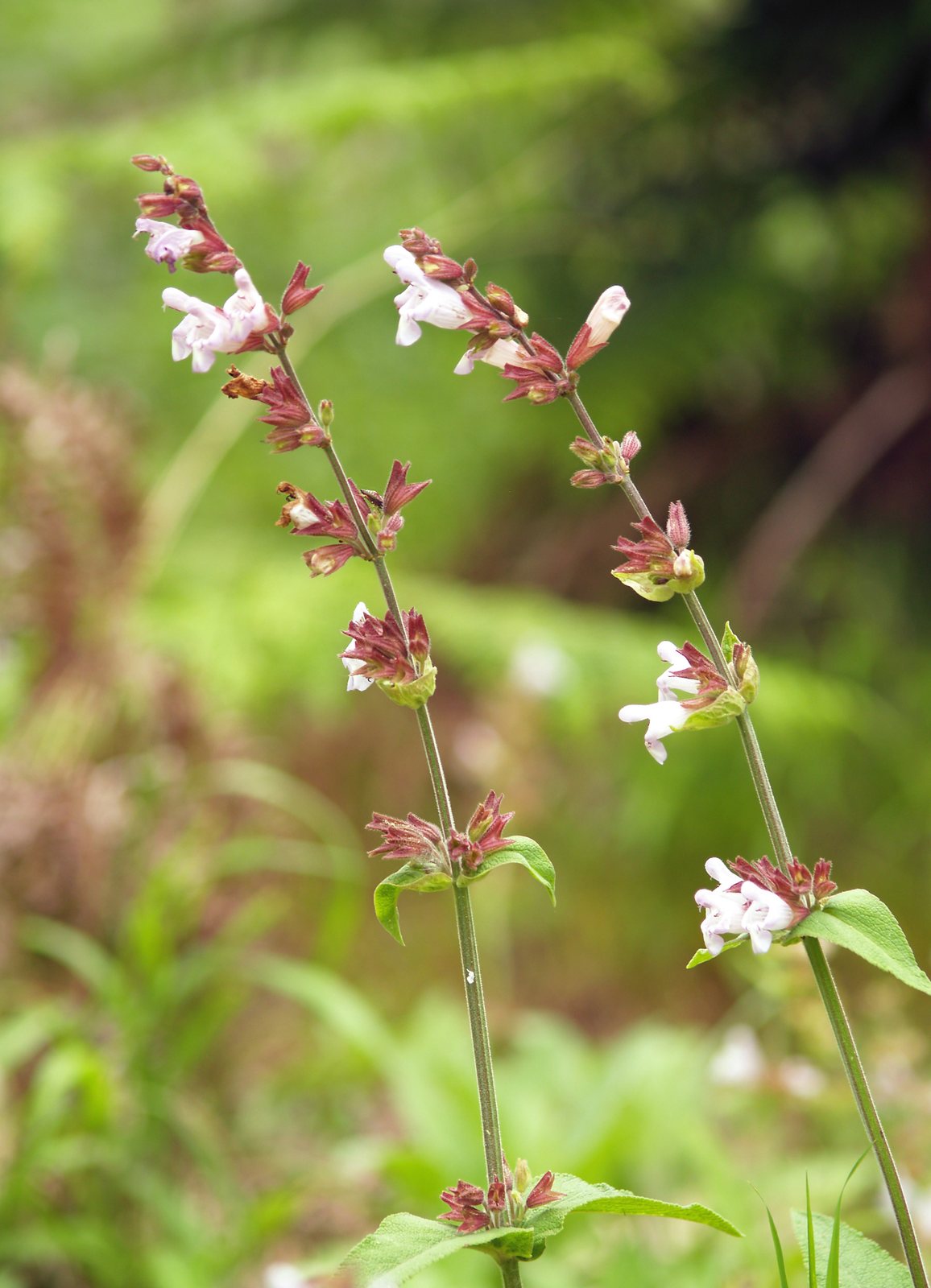
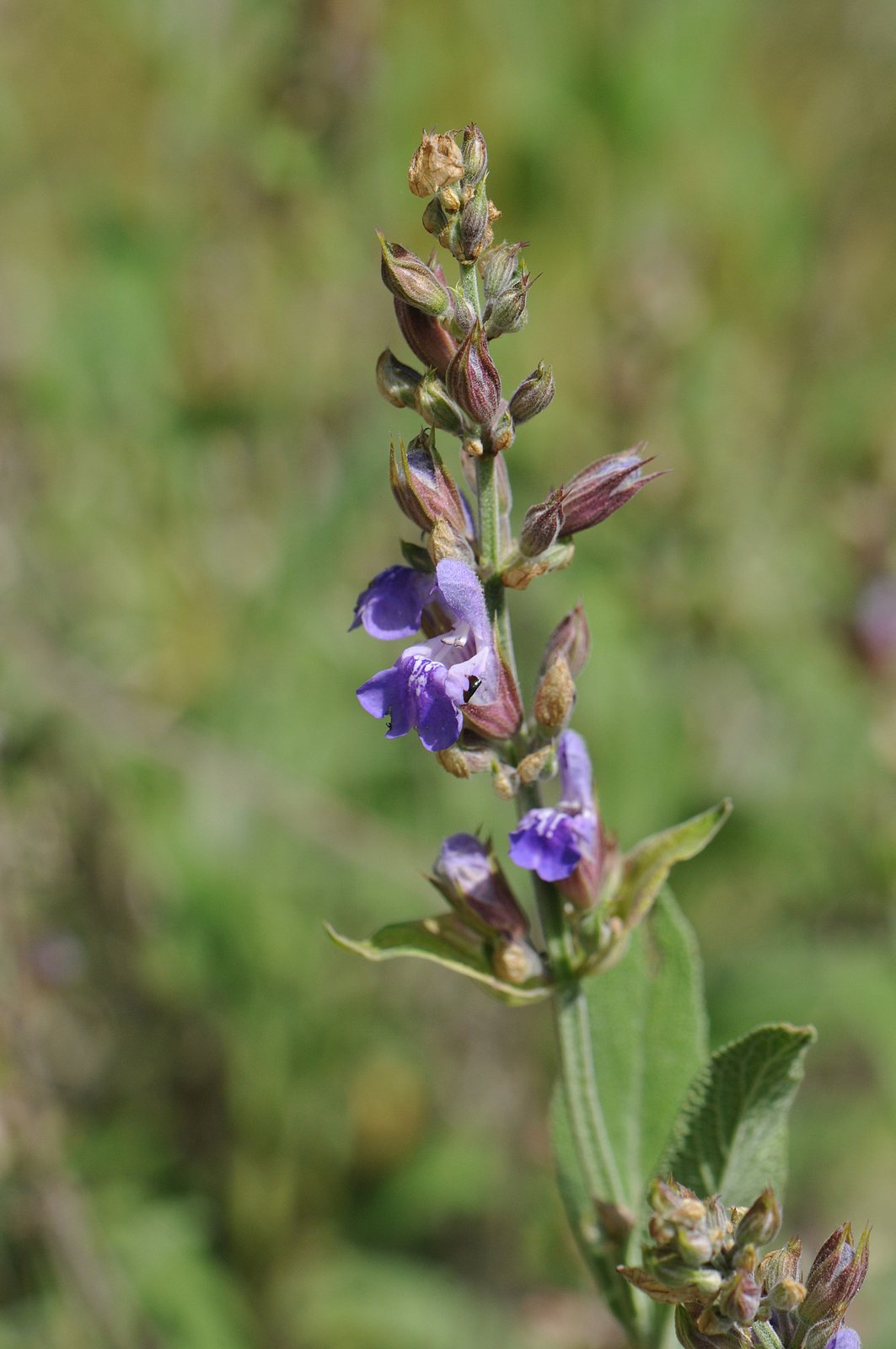
- Blue-violet flowers in late spring to summer, although this cultivar often flowers sparsely.
- Foliage
- Evergreen. Aromatic, softly hairy, oblong leaves with a wrinkled surface. Young leaves are purple, becoming grey-green with age.
- Growth
- Moderate
- Care needed
- Low
The year at a glance
- Pollinators
- Deer resistant
- Drought tolerant
- Heat tolerant
- Low allergen
- Fragrant
- Edible
| J | F | M | A | M | J | J | A | S | O | N | D | |
|---|---|---|---|---|---|---|---|---|---|---|---|---|
| Flowers | ||||||||||||
| Plant |
Northern hemisphere months. In Australia, shift them by six.
- Difficulty
- Easy
- Toughness
- Very tough
Will it suit your garden?
Pick your zone, country, light and whether you have pets.
Full sun is 6 or more hours of direct sun a day, part shade 3 to 6 hours, shade under 3.
How it grows
Planting day
1.5 ft (0.45 m)
full size
About 5 years to full size.
From a typical nursery size, at an average rate for this kind of plant. A rule of thumb, not a forecast.
Good to know
- Cats and dogs
- Safe
- Growth rate
- Moderate
Care
Jobs through the year
- WaterApr–May, Sep, every 14 days
- Water established plants only if soil is dry; new plants need more frequent watering.
- WaterJun–Aug, every 10 days
- During prolonged dry weather, water deeply and let soil dry between waterings.
- PruneApr–May
- After severe frosts, shorten leafy shoots by up to one-third without cutting into bare old wood.
- MulchApr–May
- Apply a thin gravel mulch, keeping the woody base clear.
- DeadheadJun–Jul
- Remove spent flower stems if desired without cutting into bare wood.
- HarvestMay–Sep, every 7 days
- Pick leaves lightly from established plants, leaving plenty of leafy growth.
- ProtectJan–Feb, Nov–Dec
- Keep the crown free of wet debris and prevent prolonged winter saturation.
- Plant with the crown at soil level in a sunny position with excellent drainage.
- Water new plants through their first growing season, letting the surface soil dry between waterings.
- Avoid routine feeding in garden soil; feed container plants lightly in spring if growth is weak.
- Use a thin gravel mulch rather than moisture-holding mulch around the woody base.
- Grow in a raised bed or a free-draining container if your soil stays wet in winter.
- Take replacement cuttings before an ageing plant becomes sparse and woody.
Pruning. In spring, once new growth is visible and severe frosts have passed, shorten leafy shoots by up to one-third and remove dead stems. Lightly trim after flowering if needed, but avoid cutting into bare old wood or pruning hard in autumn.
Harvest
Pick healthy, fully expanded leaves once the plant is established and making strong growth; young leaves usually have the best flavour. Harvest lightly throughout the growing season, preferably before flowering, and leave plenty of leafy growth rather than stripping whole stems.
Through the year
- Spring
- Check for winter damage and prune back to healthy, leafy growth once severe frosts have passed.
- Late spring
- Plant into warming, well-drained soil and water until established.
- Summer
- Harvest leaves regularly but lightly; remove spent flower stems if you want a tidier plant.
- Summer
- Take non-flowering shoot cuttings to preserve the purple-leaved cultivar.
- Autumn
- Reduce harvesting and avoid hard pruning so new growth can mature before winter.
- Winter
- Keep drainage holes clear and protect containers from prolonged saturation.
In the garden
- Edge a sunny herb bed with purple foliage that contrasts with green parsley and silver thyme.
- Repeat small groups through a gravel border with lavender and santolina for contrasting leaf shapes.
- Use in a free-draining container near the kitchen for convenient picking.
- Plant along a sunny path where brushing the leaves releases their scent.
- Include in a low herb parterre, using light trimming to maintain a compact outline.
Garden styles it suits: Mediterranean, Dry gravel garden, Cottage garden, Potager (kitchen garden), Herb parterre and Sensory garden.
Plant it with: Lavender, Thyme, Rosemary, Santolina, Oregano and Yarrow.
Wildlife: Flowers provide nectar for bees and other pollinating insects, though this cultivar may produce relatively few blooms.
Problems to watch for
- Root and crown rot: yellowing, wilting or collapse in wet soil calls for better drainage; replace badly affected plants in a drier position.
- Powdery mildew: improve airflow, avoid crowding and remove badly affected leaves.
- Sage leafhopper: pale stippling can develop on leaves; tolerate light damage, remove heavily affected shoots and encourage natural predators.
- Woody, open growth: prune lightly each spring and replace tired plants with rooted cuttings rather than cutting hard into bare stems.
Safety
Ordinary culinary sage foliage is not known to be toxic to people, cats, dogs or horses in normal garden exposure or small food amounts. Large amounts may cause digestive upset. Concentrated sage essential oil contains thujone and can cause serious poisoning if swallowed; it is not equivalent to using a few leaves in cooking.
Easily confused with
Common garden sage (Salvia officinalis)
The ordinary green form has grey-green new leaves rather than the distinctly purple young growth of 'Purpurascens'; both have wrinkled, aromatic leaves.
Tricolour sage (Salvia officinalis 'Tricolor')
Leaves have cream margins and pink-purple flushing, rather than the unvariegated purple-to-grey-green foliage of 'Purpurascens'.
Texas sage (Leucophyllum frutescens)
Also sometimes called purple sage, this is a larger shrub with small silvery leaves and pink-purple, bell-shaped flowers. It is not culinary sage.
The name
Salvia comes from the Latin salvare, meaning to heal or save, officinalis refers to traditional medicinal use, and 'Purpurascens' means becoming purple.
Propagation. Take softwood cuttings in late spring or semi-ripe cuttings in summer from healthy, non-flowering shoots. Root in a gritty propagation mix with bright light but no strong direct sun. Seed does not reliably reproduce this cultivar's purple foliage.
Checked against open data
- Accepted botanical name
- Salvia officinalis
- In the US and Canada
- Introduced in the lower 48 states.
- Native range
- Albania, France, Germany, Greece, Italy, Spain, Switzerland and Yugoslavia.
- Measured
- Soil pH 7.5 to 8. Average height 51 cm.
Sources: GBIF (CC BY 4.0), USDA PLANTS and Trefle (CC BY 4.0). The care and design notes are LandscapeGPT's own.
See it in your own yard.
Upload a photo of your yard and see it redesigned with plants that suit your climate, each checked against your zone.