Purple Smoke false indigo
Baptisia 'Purple Smoke'. Family Fabaceae. Perennial.
Also called Baptisia 'Purple Smoke', Purple Smoke wild indigo.
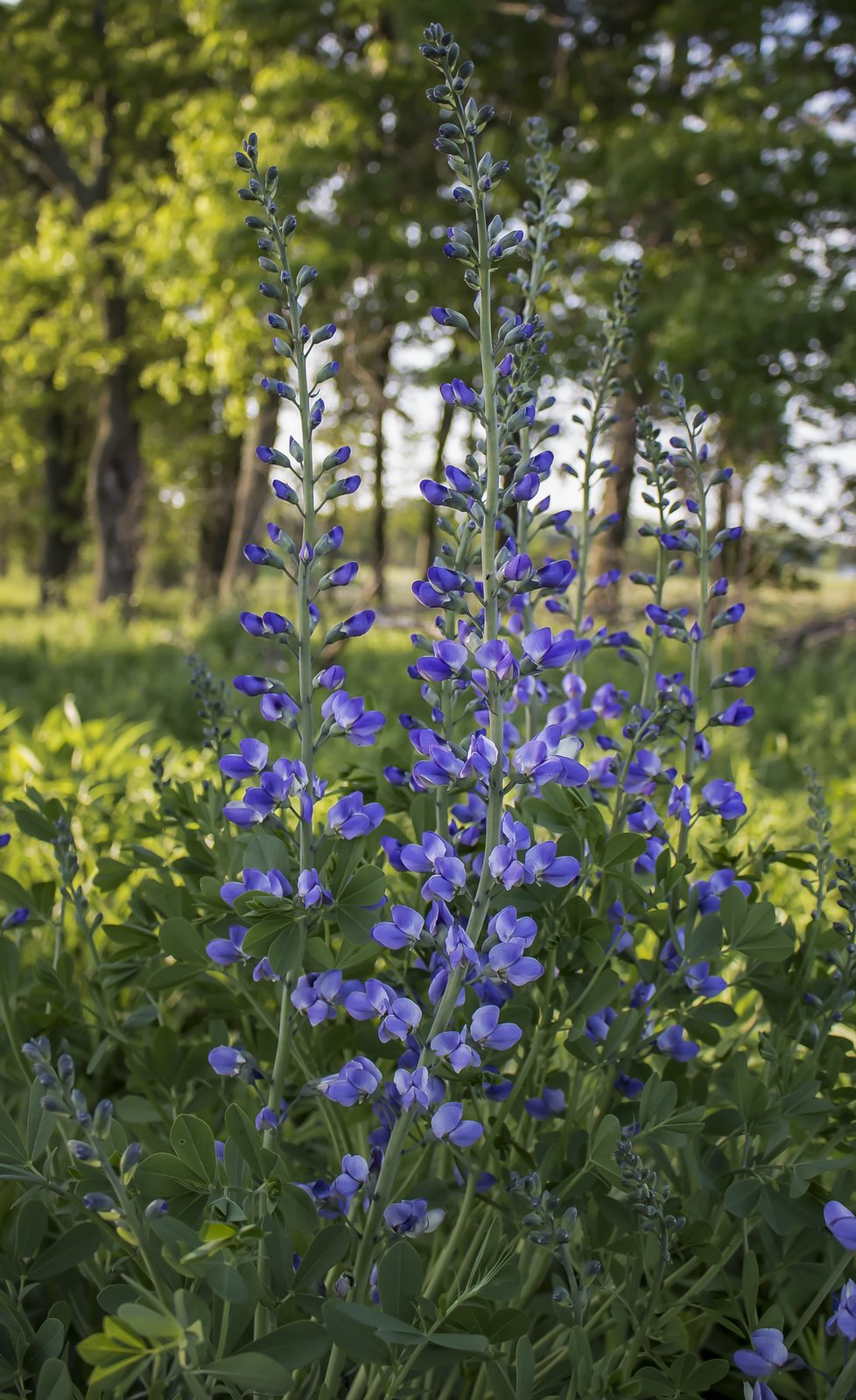
Purple Smoke false indigo is a long-lived, clump-forming perennial grown for smoky violet-purple flower spikes above dark stems and blue-green foliage. A hybrid of blue and white wild indigos, it develops a broad, shrub-like shape each summer but dies back in winter. Give it a permanent position: its deep roots make established plants difficult to move.
At a glance
- Sun
- Full sun is best; tolerates light shade but may flower less and flop.
- Water
- Water regularly during the first growing season, allowing the surface soil to dry between waterings. Once established, water mainly during prolonged drought.
- Soil
- Well-drained soil, including sandy, loamy or clay soil that does not remain waterlogged. Tolerates modest fertility and mildly acidic to mildly alkaline conditions.
- Height
- 3-4 ft (0.9-1.2 m)
- Spread
- 3-4 ft (0.9-1.2 m)
- Flowers
- Late spring to early summer; upright spikes of smoky violet-purple, pea-shaped flowers.
- Foliage
- Blue-green leaves divided into three leaflets, carried on branching stems that are particularly dark when young. Forms a rounded mound after flowering.
- Growth
- Slow to establish; usually takes about three years to develop a substantial clump.
- Care needed
- Low
The year at a glance
- Pollinators
- Deer resistant
- Drought tolerant
- Cold hardy
- Heat tolerant
- Disease resistant
- Low allergen
| J | F | M | A | M | J | J | A | S | O | N | D | |
|---|---|---|---|---|---|---|---|---|---|---|---|---|
| Flowers | ||||||||||||
| Plant |
Northern hemisphere months. In Australia, shift them by six.
- Difficulty
- Easy
- Toughness
- Very tough
Will it suit your garden?
Pick your zone, country, light and whether you have pets.
Full sun is 6 or more hours of direct sun a day, part shade 3 to 6 hours, shade under 3.
How it grows
Planting day
1 ft (0.3 m)
After 1 year
1.5 ft (0.46 m)
After 2 years
2 ft (0.61 m)
After 3 years
2.5 ft (0.77 m)
After 5 years
3 ft (1.1 m)
full size
About 5 years to full size.
From a typical nursery size, at an average rate for this kind of plant. A rule of thumb, not a forecast.
Good to know
- Cats and dogs
- Toxic
- Growth rate
- Slow
Care
Jobs through the year
- WaterApr–May, Sep, every 21 days
- Water established plants only during prolonged dry spells; young plants need regular deep watering.
- WaterJun–Aug, every 21 days
- Deep-water established clumps only during prolonged drought; avoid frequent light sprinkling.
- MulchApr
- Apply a light organic mulch, keeping it clear of the crown.
- PruneFeb–Mar
- Cut dead stems just above ground level before new shoots emerge.
- ProtectMay
- Provide discreet support only if stems lean in an exposed or partly shaded position.
- Choose a permanent planting site with room for its full width.
- Water deeply during establishment rather than giving frequent light sprinklings.
- Avoid rich feeding and high-nitrogen fertilisers, which encourage weak, floppy growth.
- Apply a light organic mulch, keeping it away from the crown.
- Avoid routine division; mature plants have deep, tough roots and resent disturbance.
Pruning. Cut dead stems to just above ground level in late winter or early spring before new shoots emerge. Leave stems and any seed pods standing through winter if you want their structure; removing spent flowers is optional.
Through the year
- Late winter
- Cut down last year's dead stems before new growth starts.
- Spring
- Plant container-grown plants in a sunny, well-drained permanent position.
- Spring
- Apply a light mulch and check that it does not cover the crown.
- Late spring
- Enjoy the flower spikes; add discreet support only if stems lean in a shaded or exposed site.
- Summer
- Water young plants deeply during dry spells; established clumps usually need little extra water.
- Autumn
- Leave healthy stems and any pods for winter structure, or remove them after they die back if preferred.
In the garden
- Place in the middle or back of a sunny perennial border, where its summer foliage provides a substantial backdrop.
- Combine with ornamental grasses and coneflowers for a prairie-style planting.
- Pair with pale yellow flowers, such as early daylilies, to contrast with its smoky purple blooms.
- Repeat several widely spaced clumps through a large border for a steady rhythm of rounded foliage.
Garden styles it suits: Cottage garden, New perennial (prairie), Midwest prairie, Pollinator garden, Low-maintenance and Blues and silvers.
Plant it with: Purple coneflower, Switchgrass, Catmint, Siberian iris, Daylily and Perennial salvia.
Wildlife: Pea-shaped flowers attract bumblebees and other strong bees. Baptisia foliage can support some North American butterfly larvae, although use of this particular hybrid varies locally.
Problems to watch for
- Floppy stems: provide more sun and stop high-nitrogen feeding; use a discreet support if necessary.
- Crown or root rot in wet ground: improve drainage or replant in a better-drained position before the plant becomes established.
- Leaf spots or powdery mildew: allow good airflow, water at soil level and remove affected fallen foliage.
- Poor flowering: young plants need time to establish; check for excessive shade or overly rich soil before adding fertiliser.
Safety
All parts should be treated as toxic to people, cats, dogs and horses if eaten, especially seeds and pods. Baptisia contains alkaloids that can cause vomiting, diarrhoea and potentially serious poisoning; keep it away from grazing animals and seek medical or veterinary advice after ingestion.
Easily confused with
Blue false indigo (Baptisia australis)
Usually has clearer blue to blue-violet flowers rather than the smoky purple flowers and conspicuously dark young stems of 'Purple Smoke'.
White wild indigo (Baptisia alba)
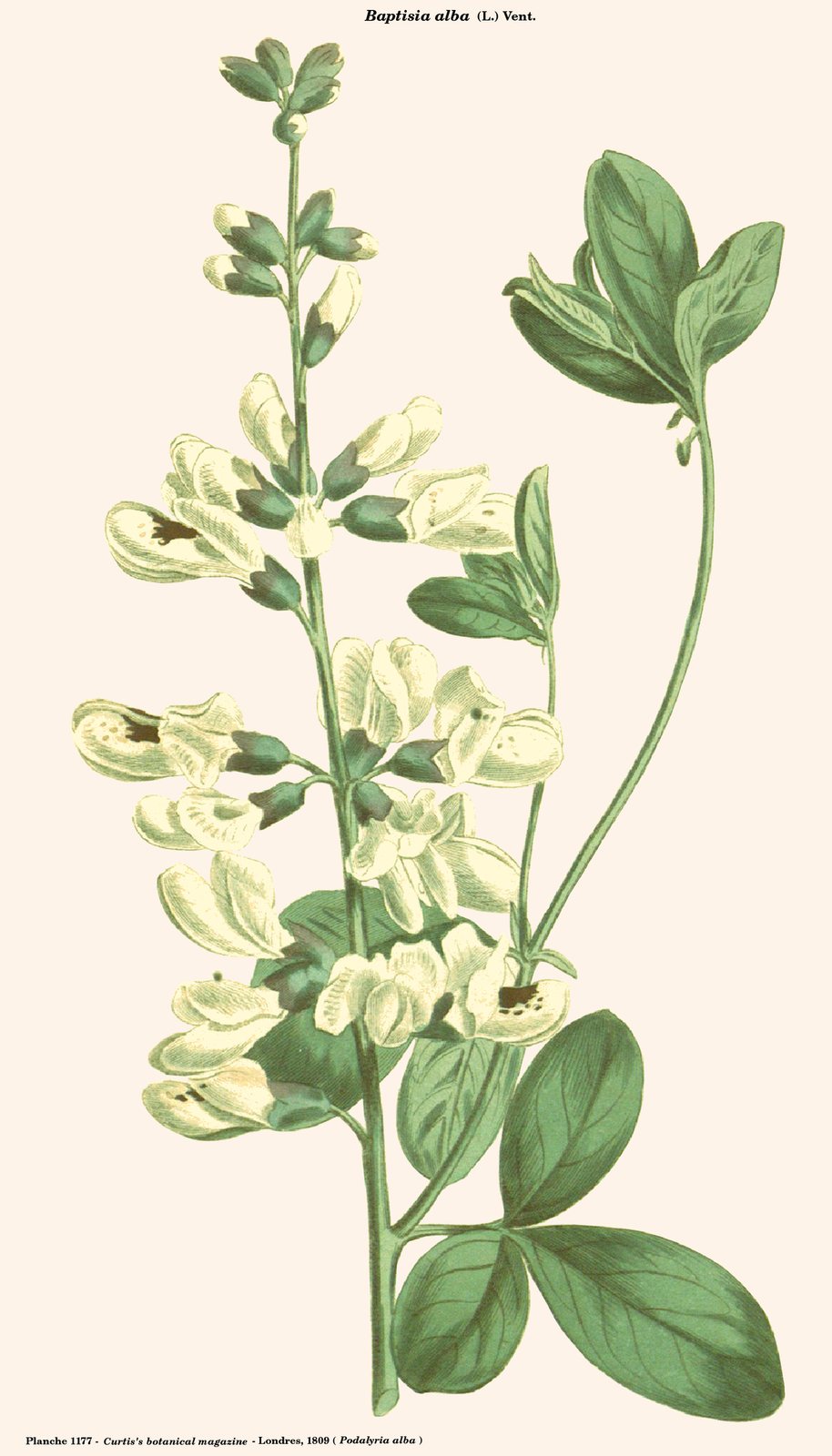
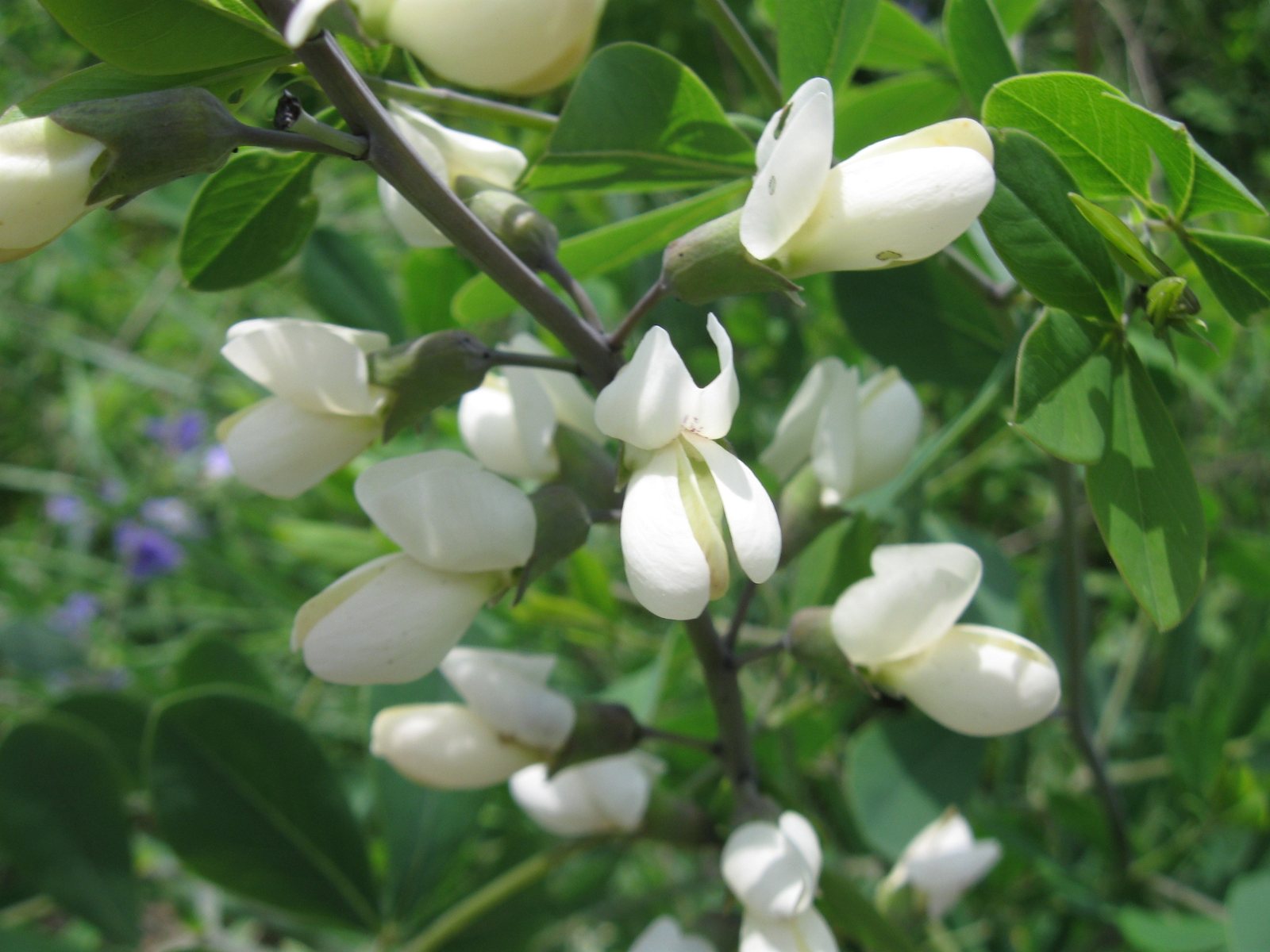
Can also have dark stems, but its flowers are white rather than violet-purple.
Garden lupin (Lupinus hybrids)
Has leaves with many narrow leaflets radiating from a central point; Baptisia leaves have only three leaflets.
The name
Baptisia comes from the Greek bapto, meaning to dip or dye, referring to the historical use of some species as substitutes for indigo dye, while 'Purple Smoke' describes the cultivar's muted purple flowers.
Propagation. Propagate by basal shoot cuttings in spring, though rooting can be difficult. Division is possible but disruptive and best avoided on mature plants. Seedlings, if produced, will not reliably retain the cultivar's characteristics.
Checked against open data
- Accepted botanical name
- Baptisia
Sources: GBIF (CC BY 4.0). The care and design notes are LandscapeGPT's own.
See it in your own yard.
Upload a photo of your yard and see it redesigned with plants that suit your climate, each checked against your zone.