Purpleleaf wintercreeper
Euonymus fortunei 'Coloratus'. Family Celastraceae. Groundcover.
Also called Purple wintercreeper, Purpleleaf wintercreeper euonymus.
Purpleleaf wintercreeper is a woody, evergreen groundcover grown for glossy green leaves that turn burgundy-purple in cold weather. Its stems root as they spread and can climb trees or walls; it is invasive in parts of North America, where a non-invasive alternative is a better choice.
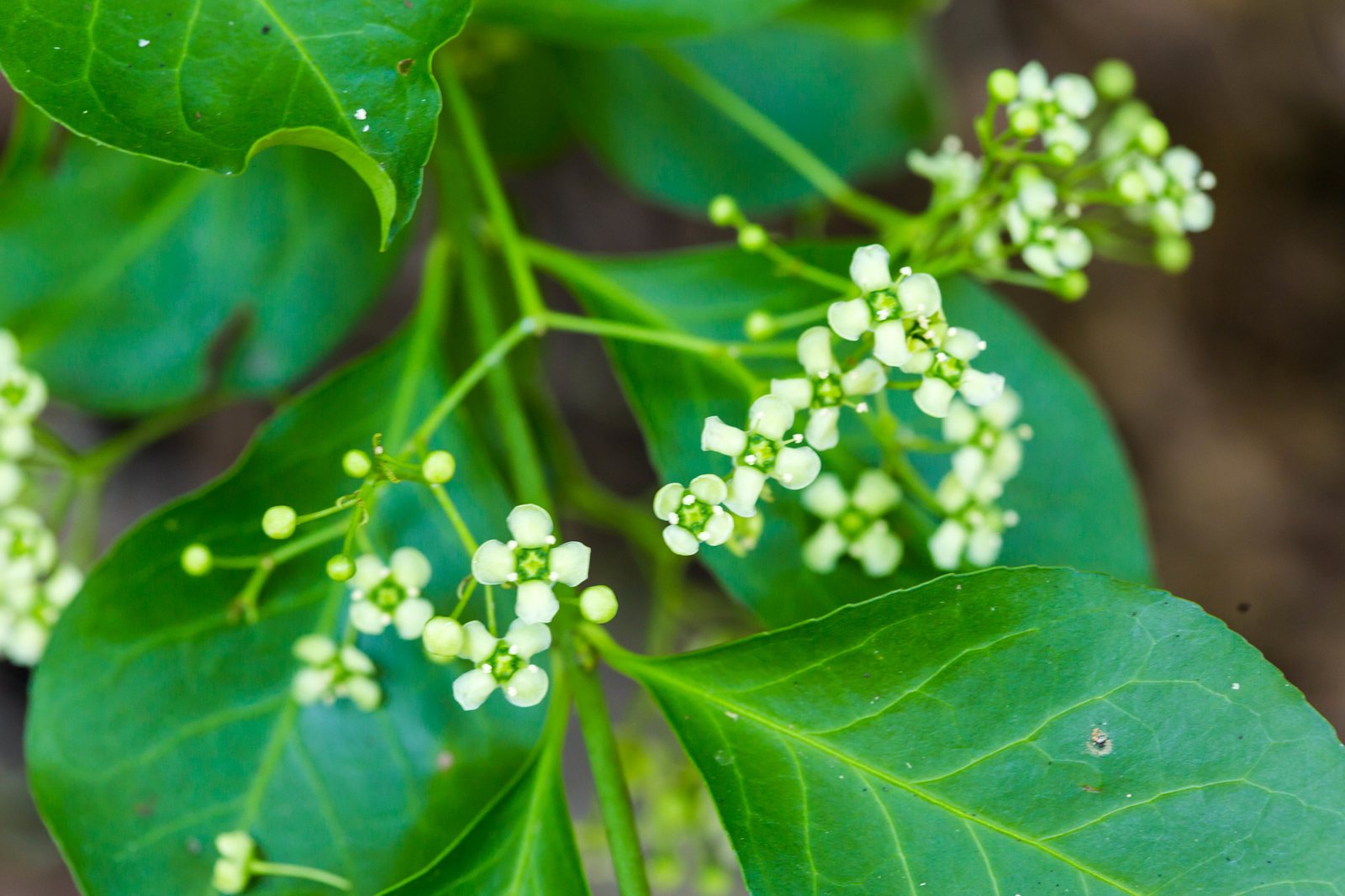
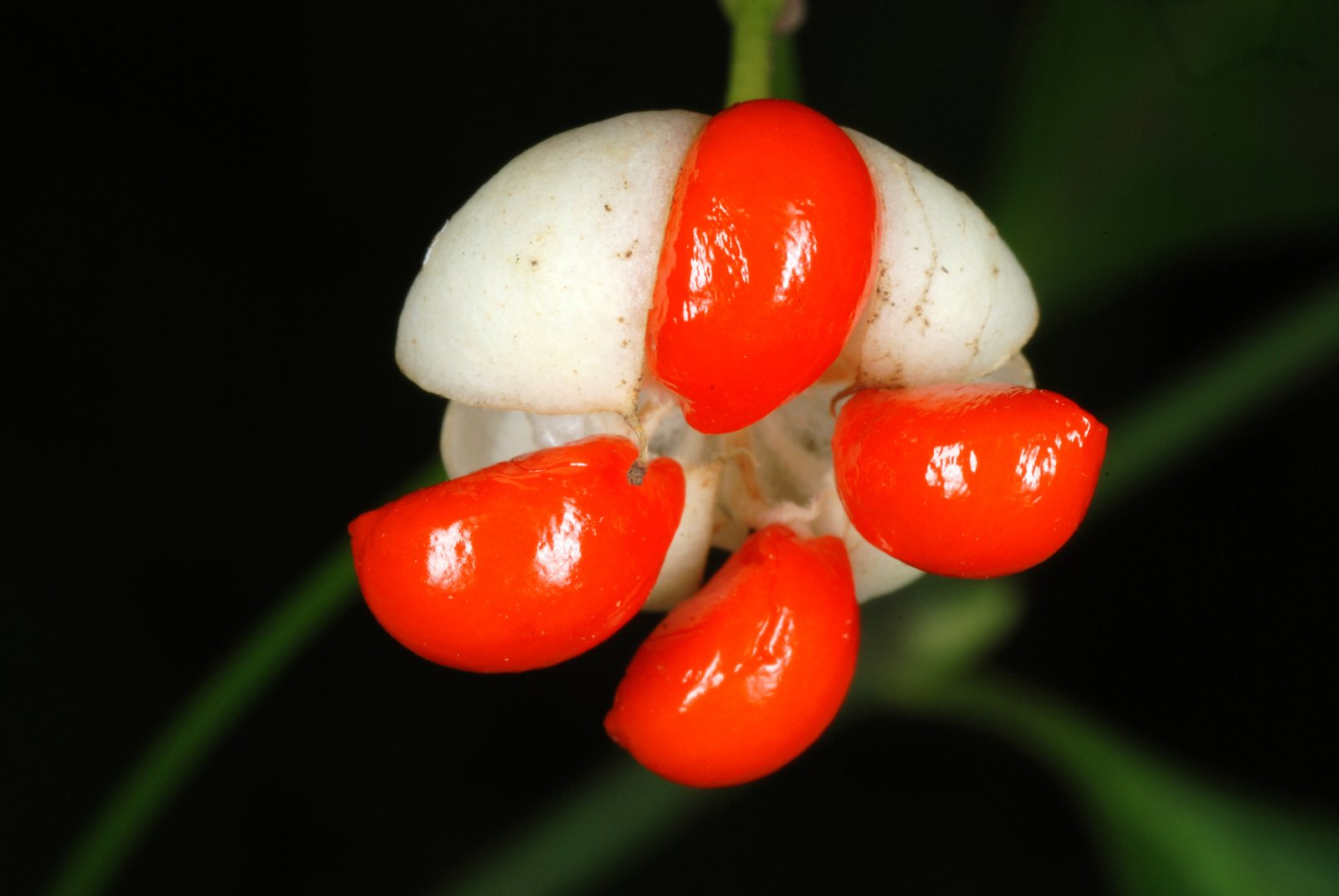
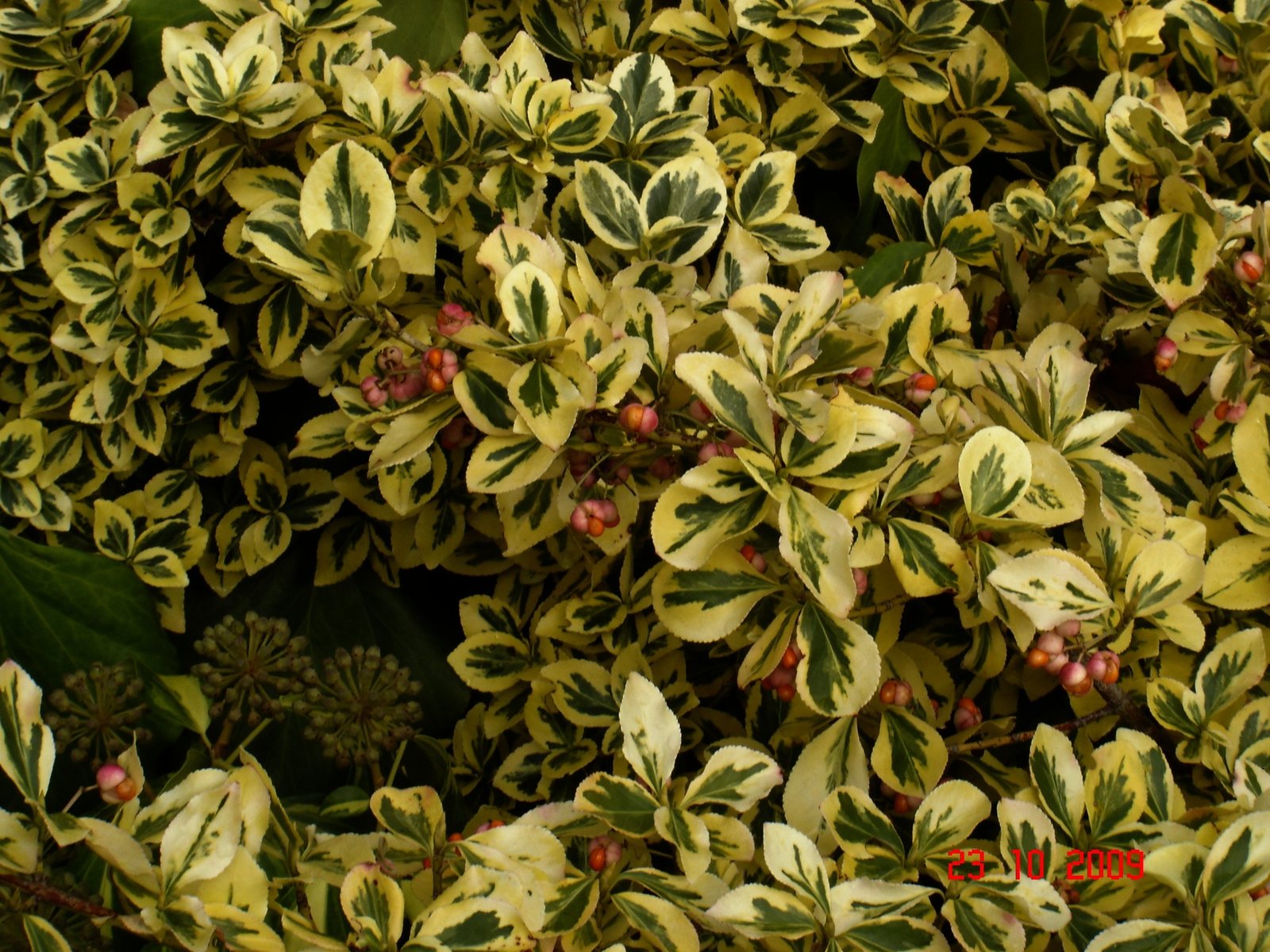
At a glance
- Sun
- Full sun to full shade; winter colour is usually strongest with some direct sun.
- Water
- Moderate; water regularly while establishing, then during prolonged dry spells.
- Soil
- Adaptable to clay, loam or sandy soil, provided it drains well; tolerates a broad range of soil pH.
- Height
- 0.5-1 ft (0.15-0.3 m) as groundcover; climbing stems can reach 20 ft (6 m) or more.
- Spread
- 5-10 ft (1.5-3 m) or more; rooting stems can eventually cover a much larger area.
- Foliage
- Evergreen. Small, opposite, oval leaves with finely toothed edges; dark glossy green in warmer months, becoming burgundy-purple in autumn and winter. Leaves may remain greener in deep shade or mild winters.
- Growth
- Fast once established.
- Care needed
- High
The year at a glance
- Drought tolerant
- Heat tolerant
- Low allergen
| J | F | M | A | M | J | J | A | S | O | N | D | |
|---|---|---|---|---|---|---|---|---|---|---|---|---|
| Plant |
Northern hemisphere months. In Australia, shift them by six.
- Difficulty
- Moderate
- Toughness
- Very tough
Will it suit your garden?
Pick your zone, country, light and whether you have pets.
Full sun is 6 or more hours of direct sun a day, part shade 3 to 6 hours, shade under 3.
How it grows
Planting day
0.2 ft (0.06 m)
After 1 year
0.5 ft (0.16 m)
After 2 years
0.7 ft (0.22 m)
full size
About 2 years to full size.
From a typical nursery size, at an average rate for this kind of plant. A rule of thumb, not a forecast.
Good to know
- Cats and dogs
- Toxic
- Invasive in
- the US and Canada
- In the garden
- Spreads vigorously: plan to contain it.
- Growth rate
- Fast
Care
Jobs through the year
- WaterMar–May, Sep–Oct, every 21 days
- Water established plants during prolonged dry spells; new plants need water whenever upper soil dries.
- WaterJun–Aug, every 14 days
- Water deeply only when rain is insufficient and the root zone is dry.
- MulchMar–Apr
- Apply a thin mulch around new plants, keeping stems uncovered.
- PruneMar–Apr
- After the worst frost, remove winter damage and trim the mat back to its allotted area.
- PruneApr–Oct, every 21 days
- Remove escaping runners with their roots and all climbing stems; dispose of cuttings so they cannot root.
- ProtectMay–Jul, every 14 days
- Inspect for euonymus scale; remove heavily infested growth and treat if necessary.
- PruneSep–Nov
- Remove any fruiting or mature climbing stems before birds spread seed; replace plants if containment fails.
- ProtectJan–Feb, Nov–Dec
- Check boundaries and nearby trees for escapes; do not plant where invasive or restricted.
- Check local invasive-plant guidance before planting; do not plant where it is invasive or restricted.
- Water deeply during the first growing season whenever the upper soil starts to dry.
- Apply a thin mulch around new plants, keeping it clear of their stems.
- Avoid routine feeding; excessive fertility encourages more vigorous spread.
- Inspect the edges several times during the growing season and remove rooted runners.
- Keep stems off trees, fences and buildings, and dispose of trimmings so they cannot root.
Pruning. Trim in spring after the worst frost to remove winter-damaged growth and keep the mat low. Remove escaping or climbing stems whenever seen, including their rooted sections; do not let climbing shoots mature and produce seed.
Through the year
- Spring
- Check for winter damage and trim back to healthy leafy growth.
- Spring
- Where planting is appropriate, plant into moist, well-drained soil and water thoroughly.
- Early summer
- Inspect stems and leaf undersides for euonymus scale; remove badly infested shoots.
- Summer
- Water new plants during dry weather and pull up runners extending beyond the planting area.
- Autumn
- Remove climbing growth and any fruiting stems before birds can spread the seed.
- Winter
- Check that stems have not reached nearby trees or crossed into adjoining beds.
In the garden
- Where non-invasive, use as a clipped evergreen carpet within a bed bordered by paving, checking regularly for escaping stems.
- Pair with pale paving or light-coloured stone to highlight its dark winter foliage.
- Combine with upright ornamental grasses for contrasting leaf shape and winter structure.
- Grow in a large container for trailing foliage, keeping stems clear of surrounding soil.
Garden styles it suits: Traditional, Formal, Urban city garden, Winter interest and Green on green.
Plant it with: Japanese forest grass, Christmas fern, Lenten rose, Japanese sedge and Snowdrops.
Wildlife: Mature climbing growth can flower and produce fruit eaten by birds, which disperse the seeds. Despite this food source, escaped plants can smother woodland ground flora and climb trees, reducing habitat quality.
Problems to watch for
- Euonymus scale: look for white or brown scale covers on stems and leaves, with yellowing above them. Prune out heavily infested growth and use a labelled horticultural oil at the appropriate stage.
- Root rot in waterlogged soil: improve drainage and avoid frequent watering; remove plants with extensively decayed roots.
- Winter scorch: exposed leaves can brown in cold, drying winds. Water during dry autumn weather and trim damaged growth in spring.
- Uncontrolled spread: runners root at their nodes and climbing stems may eventually fruit. Remove rooted escapes promptly and replace the planting if containment becomes impractical.
Safety
Toxic if eaten by people, cats, dogs or horses. All parts should be treated as poisonous, particularly the fruit and seeds; ingestion can cause vomiting, diarrhoea and abdominal pain, with potentially serious effects after larger amounts. Seek medical or veterinary advice after ingestion.
Where it spreads. Invasive across much of the eastern and midwestern United States, including Kentucky, Tennessee, Virginia, Indiana and Missouri; it also escapes cultivation and is considered locally invasive in southern Ontario, Canada. Both rooting stems and bird-dispersed seed spread it. Check local restrictions before buying or planting.
Easily confused with
English ivy (Hedera helix)
Juvenile ivy usually has lobed leaves arranged alternately; wintercreeper has unlobed, finely toothed leaves in opposite pairs.
Lesser periwinkle (Vinca minor)
Periwinkle has smooth-edged leaves and conspicuous blue-purple flowers; wintercreeper has finely toothed leaves and clings to vertical surfaces with aerial roots.
Japanese spindle (Euonymus japonicus)
Japanese spindle forms an upright shrub with generally larger, thicker leaves; wintercreeper produces trailing, rooting stems and can climb.
The name
The species name fortunei honours plant collector Robert Fortune, while 'Coloratus' refers to its coloured foliage and wintercreeper describes its evergreen, creeping habit.
Propagation. Roots readily where stems touch soil and can be propagated from rooted sections or semi-ripe cuttings in summer. Do not propagate or share it where it is invasive or restricted.
Checked against open data
- Accepted botanical name
- Euonymus fortunei
- In the US and Canada
- Introduced in Canada and the lower 48 states.
- Native range
- Assam, China North-Central, China South-Central, China Southeast, Hainan, Japan, Jawa, Korea, Laos, Lesser Sunda Is., Manchuria and Myanmar.
- Measured
- Soil pH 5 to 7.5. Average height 305 cm.
Sources: GBIF (CC BY 4.0), USDA PLANTS and Trefle (CC BY 4.0). The care and design notes are LandscapeGPT's own.
See it in your own yard.
Upload a photo of your yard and see it redesigned with plants that suit your climate, each checked against your zone.