Quaking aspen
Populus tremuloides. Family Salicaceae. Tree.
Also called Trembling aspen, American aspen.
A fast-growing, deciduous North American tree with pale bark, fluttering leaves and clear yellow autumn colour. It suits large gardens in cool climates, but its extensive roots and persistent suckers make it a poor choice beside buildings, paving or small lawns. It performs poorly in prolonged heat, especially where nights stay warm.
At a glance
- Sun
- Full sun; tolerates light shade but develops a thinner crown.
- Water
- Moderate to high; keep the root zone evenly moist during establishment and water during prolonged dry spells.
- Soil
- Best in moist, well-drained loam; tolerates sandy, gravelly and clay soils if drainage is adequate. Avoid permanently waterlogged ground.
- Height
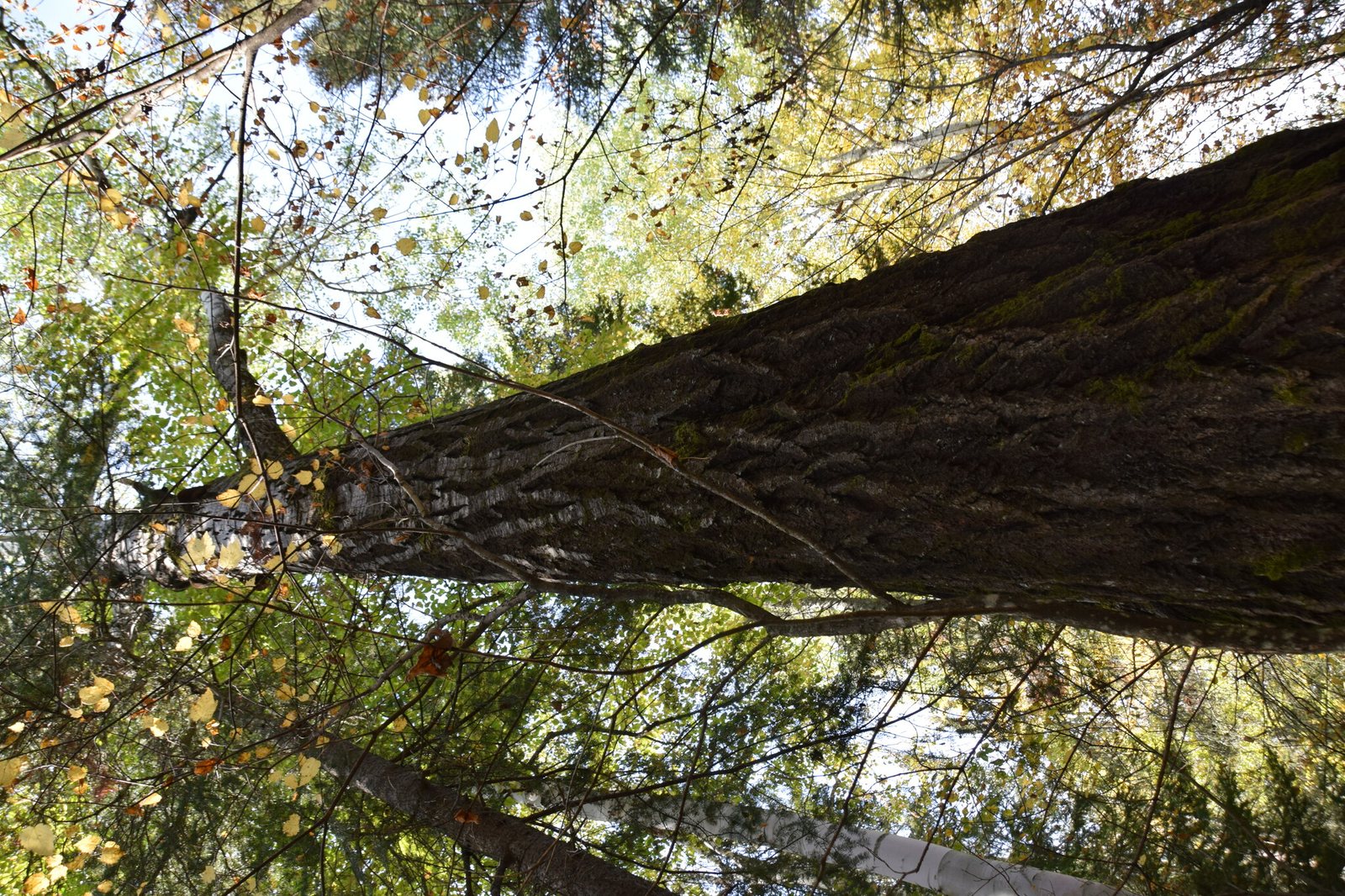
- 40-60 ft (12-18 m), occasionally taller
- Spread
- 20-30 ft (6-9 m) per crown; suckering colonies can spread much farther
- Flowers
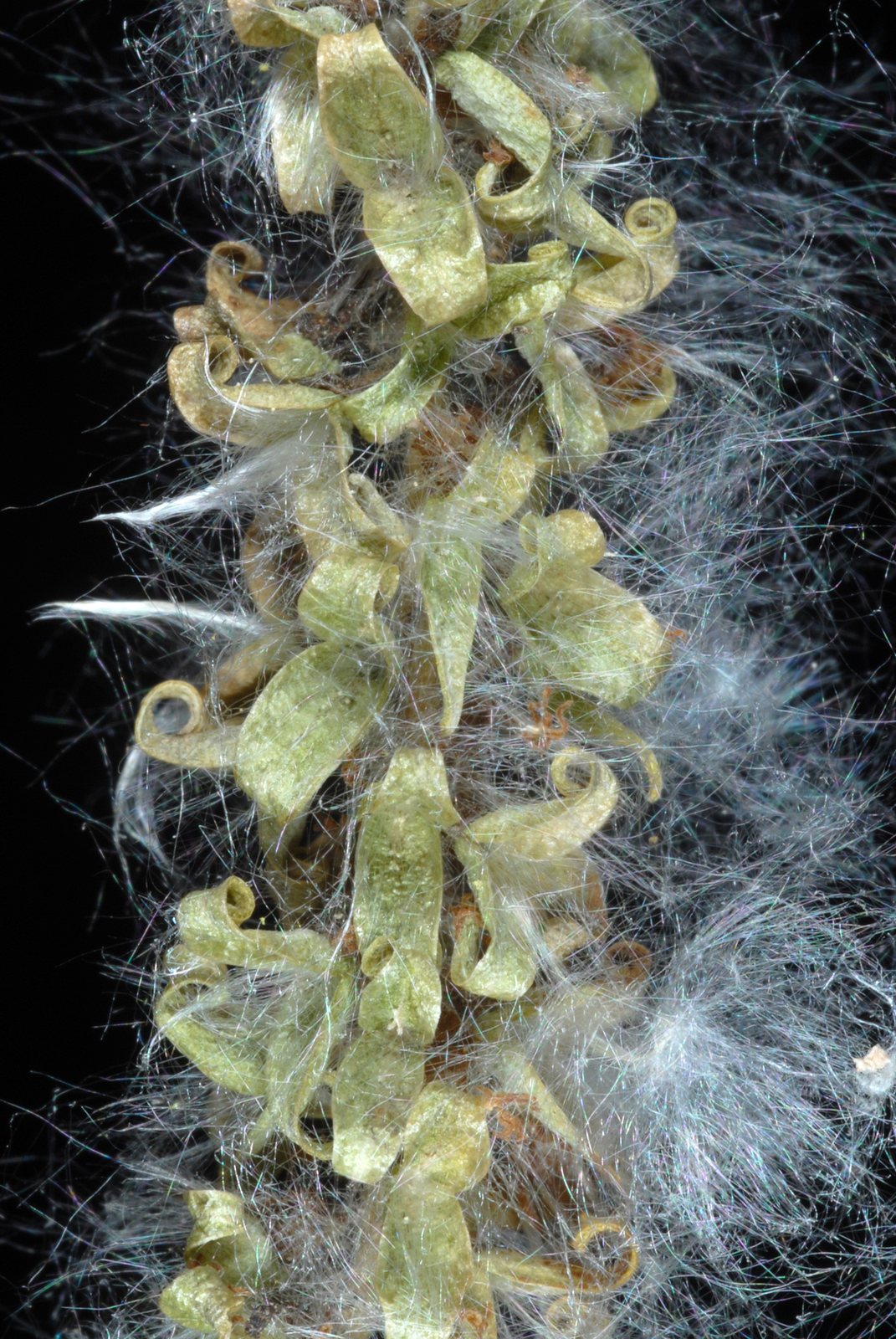
- Early spring, before the leaves; hanging grey catkins, with reddish male flowers and greenish female flowers on separate trees.
- Foliage
- Rounded green leaves with fine teeth and flattened stalks that let them tremble in a light breeze; usually golden yellow in autumn.
- Growth
- Fast, often 2-3 ft (0.6-0.9 m) a year when young in favourable conditions.
- Care needed
- High
The year at a glance
- Cold hardy
- Wildlife
| J | F | M | A | M | J | J | A | S | O | N | D | |
|---|---|---|---|---|---|---|---|---|---|---|---|---|
| Flowers | ||||||||||||
| Fruit | ||||||||||||
| Plant |
Northern hemisphere months. In Australia, shift them by six.
- Difficulty
- Hard
- Toughness
- Needs looking after
Will it suit your garden?
Pick your zone, country, light and whether you have pets.
Full sun is 6 or more hours of direct sun a day, part shade 3 to 6 hours, shade under 3.
How it grows
Planting day
7 ft (2 m)
After 1 year
10 ft (3 m)
After 2 years
13 ft (4 m)
After 3 years
16 ft (5 m)
After 5 years
23 ft (7 m)
About 13 years to full size.
From a typical nursery size, at an average rate for this kind of plant. A rule of thumb, not a forecast.
Good to know
- Cats and dogs
- Safe
- Native to
- the US and Canada
- In the garden
- Spreads vigorously: plan to contain it.
- Growth rate
- Fast
Care
Jobs through the year
- WaterApr–May, Sep–Oct, every 14 days
- Deep-water established trees during dry weather; water more often for the first two growing seasons.
- WaterJun–Aug, every 7 days
- During dry spells, soak the established root zone without saturating it; young trees need closer monitoring.
- MulchApr–May
- Maintain 5–8 cm of organic mulch over roots, keeping it clear of the trunk.
- PruneFeb
- In dry weather, remove small dead or crossing branches; never top the tree.
- PruneMay–Sep, every 21 days
- Remove unwanted suckers promptly without digging through surrounding roots.
- ProtectOct–Nov
- Clear heavily diseased leaves and fit a ventilated browsing guard around young trunks.
- Plant well away from paving, drains and buildings, with room for a spreading root system and suckers.
- Water deeply during the first two growing seasons and during later droughts; do not leave the soil saturated.
- Spread 2-3 in (5-8 cm) of organic mulch over the root zone, keeping it clear of the trunk.
- Avoid routine feeding; use fertiliser only where soil testing identifies a deficiency.
- Remove unwanted suckers regularly and avoid digging through or injuring roots, which can stimulate more shoots.
Pruning. Prune lightly in late winter during dry weather, removing dead, damaged or crossing branches and establishing a sound framework while young. Never top the tree; have large or hazardous limbs assessed by a qualified arborist.
Through the year
- Late winter
- Inspect branch structure and make any necessary small pruning cuts in dry weather.
- Spring
- Plant while dormant or just before growth starts, provided the ground is workable and not waterlogged.
- Late spring
- Refresh mulch and check young trees for aphids and leaf damage.
- Summer
- Water deeply during dry spells and remove unwanted suckers.
- Autumn
- Collect heavily diseased fallen leaves and check the trunk for wounds or cankers.
- Late autumn
- Protect young trunks from deer or other browsing animals where needed, using a ventilated guard.
In the garden
- Create a loose grove in a large garden where suckering can be accommodated.
- Use at a sunny woodland edge for moving foliage and yellow autumn colour.
- Set against dark conifers to highlight the pale trunks in winter.
- Combine with meadow grasses and native wildflowers in a spacious North American habitat planting.
Garden styles it suits: Woodland, Wildlife garden, Rewilded, Mountain lodge, Autumn colour and Winter interest.
Plant it with: White spruce, Serviceberry, Red-osier dogwood, Wild columbine, Pennsylvania sedge and Tufted hair grass.
Wildlife: In its native North American range, it supports many moth and butterfly larvae, including those of the Canadian tiger swallowtail. Deer, moose and beavers browse it, while older trees can provide nesting cavities for birds.
Problems to watch for
- Persistent root suckers: remove unwanted shoots repeatedly; root barriers are not a dependable cure, so allow a natural colony or choose a different tree for confined sites.
- Canker diseases: keep the tree watered during drought, avoid bark injuries and prune affected small branches back to healthy wood; seek arborist advice for trunk cankers.
- Leaf spots and rust: collect affected fallen leaves, avoid wetting the foliage and reduce drought stress; minor late-season spotting usually needs no treatment.
- Aphids: wash reachable colonies off with water and encourage natural predators; honeydew is usually more troublesome than the feeding damage.
Safety
Not generally known to be toxic to cats, dogs, horses or people. Bark and leaves contain salicylate compounds, so do not encourage pets or children to eat them or use homemade bark remedies; seek medical or veterinary advice after substantial ingestion or if symptoms occur.
Where it spreads. Spreads aggressively by root suckers in gardens across its native North American range and can also form expanding colonies where planted in the UK and other cool-climate regions. This vigorous garden spread is distinct from being a legally listed invasive species.
Easily confused with
European aspen (Populus tremula)
Its mature leaves usually have fewer, larger, more rounded teeth; quaking aspen has finer, more numerous teeth. Identification can be difficult from bark alone.
Bigtooth aspen (Populus grandidentata)
Has larger leaves with conspicuous coarse teeth, and newly emerging leaves are densely covered in pale hairs.
Paper birch (Betula papyrifera)
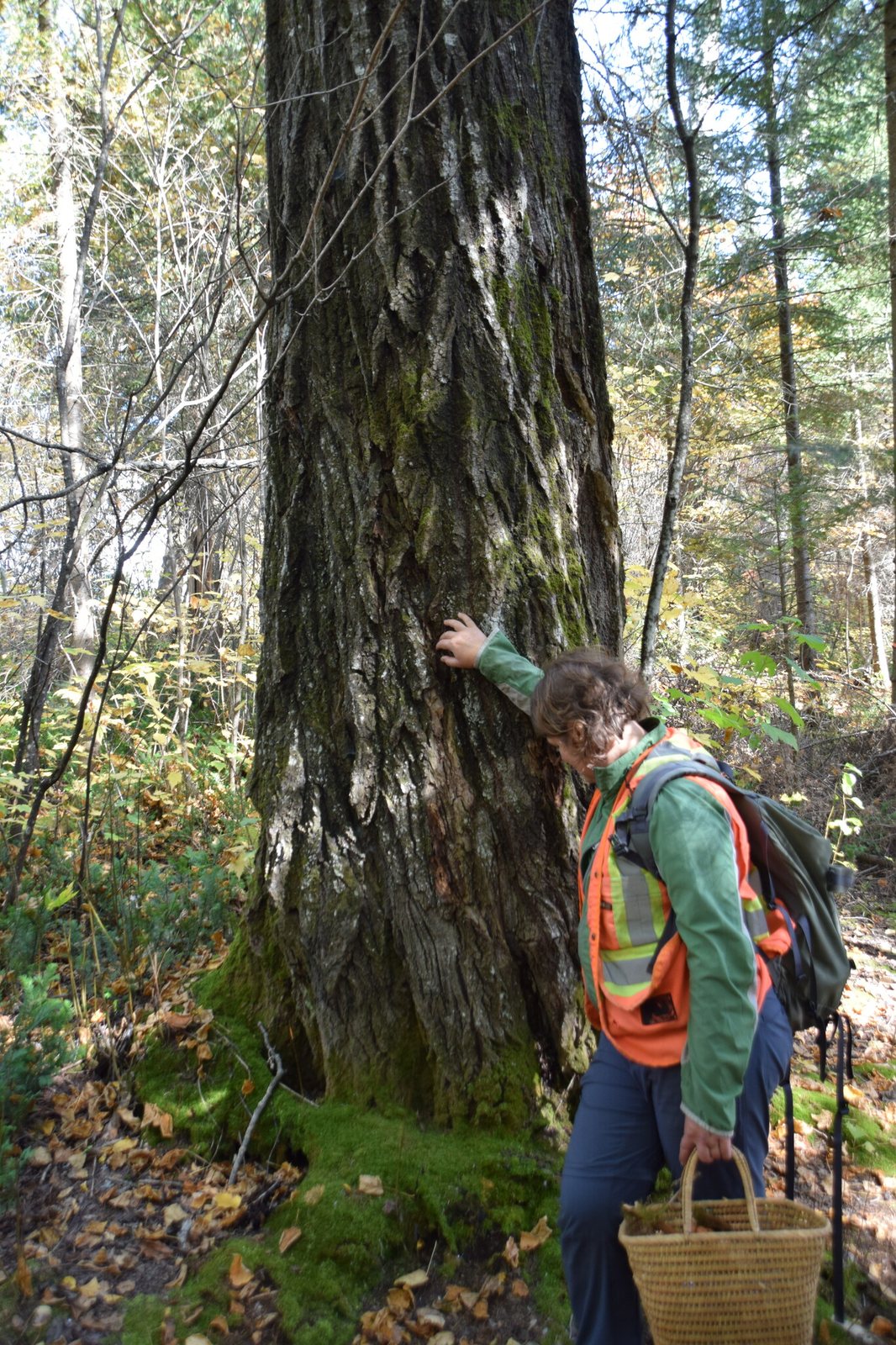
Has white bark that peels in papery sheets and pointed, doubly toothed leaves; quaking aspen bark does not normally peel in sheets.
The name
The species name tremuloides means resembling the trembling aspen, while quaking refers to the leaves fluttering on their flattened stalks.
Propagation. Separate rooted suckers while dormant, taking care not to damage the parent tree unnecessarily. Fresh seed can be surface-sown promptly on a consistently moist seedbed, but it loses viability quickly.
Checked against open data
- Accepted botanical name
- Populus tremuloides
- In the US and Canada
- Native in Alaska, Canada, the lower 48 states and St. Pierre and Miquelon.
- Native range
- Alaska, Alberta, Arizona, British Columbia, California, Colorado, Connecticut, Delaware, Idaho, Illinois, Indiana and Iowa.
- Measured
- Soil pH 4.3 to 9. Average height 1180 cm.
Sources: GBIF (CC BY 4.0), USDA PLANTS and Trefle (CC BY 4.0). The care and design notes are LandscapeGPT's own.
See it in your own yard.
Upload a photo of your yard and see it redesigned with plants that suit your climate, each checked against your zone.