Quince
Cydonia oblonga. Family Rosaceae. Tree.
Also called Common quince, Fruiting quince.
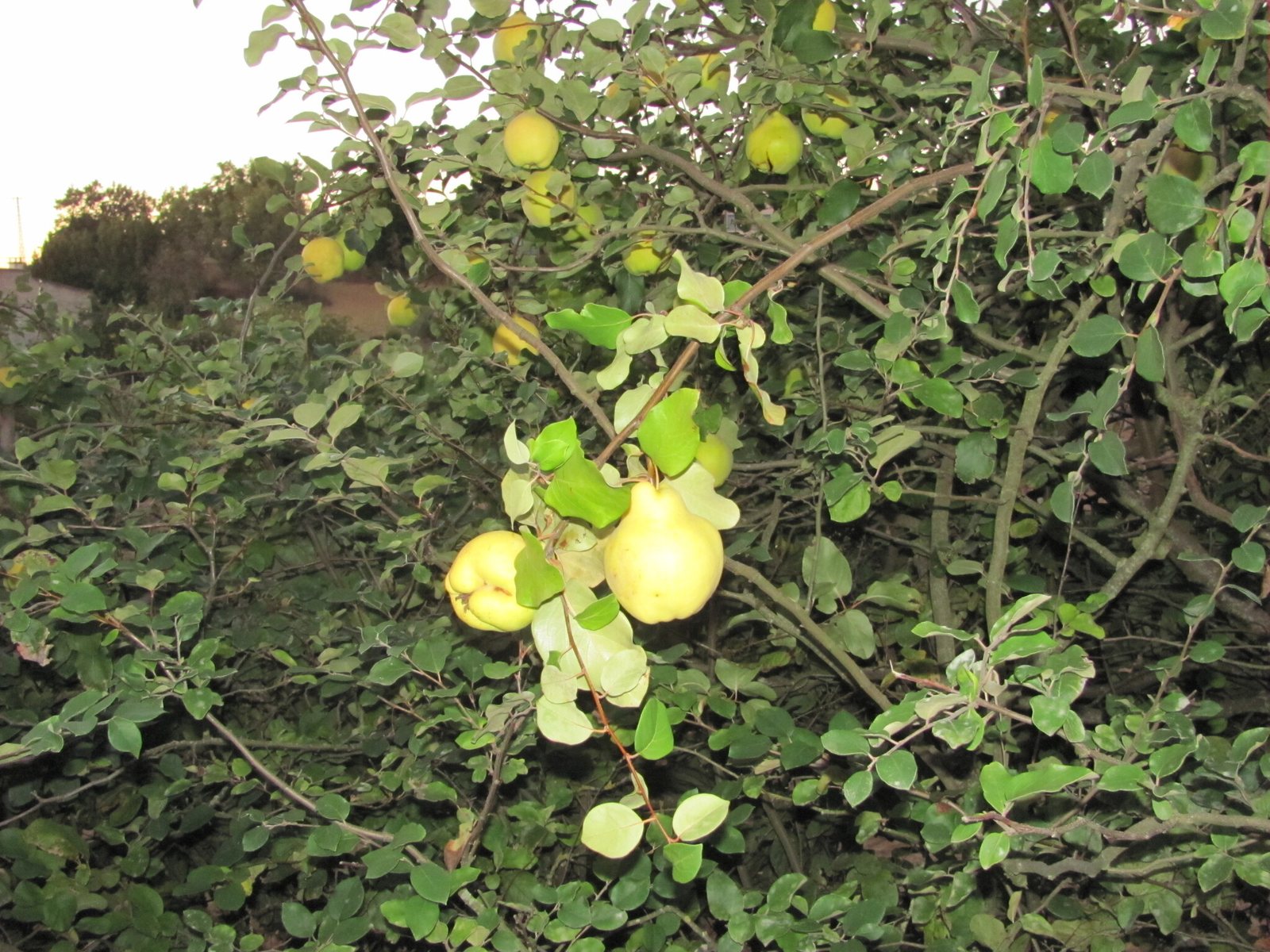
Quince is a small deciduous fruit tree grown for fragrant, golden-yellow fruit, pale spring flowers and a spreading, sometimes crooked crown. Most varieties produce hard, tart fruit that is cooked into jelly, preserves or paste; a warm, sheltered position helps fruit ripen in cooler climates.
At a glance
- Sun
- Full sun; tolerates partial shade, but flowers and fruits less well.
- Water
- Moderate; keep young trees evenly moist and water established trees deeply during prolonged dry spells, especially while fruit is swelling.
- Soil
- Deep, fertile, moisture-retentive but well-drained soil, preferably slightly acidic to neutral; tolerates clay if drainage is adequate.
- Height
- 12-20 ft (3.7-6 m)
- Spread
- 10-15 ft (3-4.6 m)
- Flowers
- Mid- to late spring; solitary white to pale pink flowers open after the leaves emerge.
- Foliage
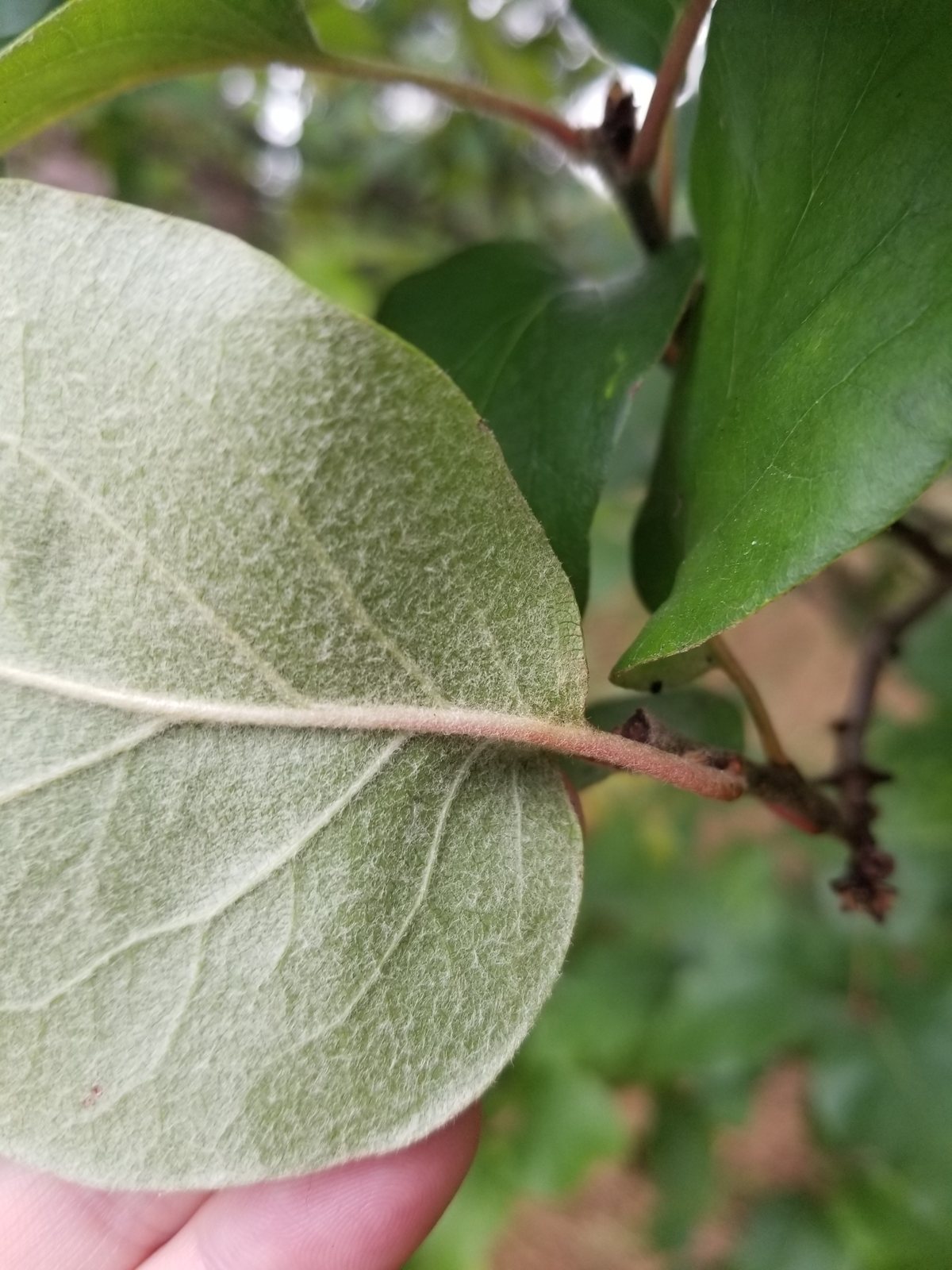
- Broad oval green leaves with softly hairy undersides, turning yellow in autumn.
- Growth
- Slow to moderate
- Care needed
- Medium
The year at a glance
- Pollinators
- Heat tolerant
- Wildlife
- Low allergen
- Fragrant
- Edible
| J | F | M | A | M | J | J | A | S | O | N | D | |
|---|---|---|---|---|---|---|---|---|---|---|---|---|
| Flowers | ||||||||||||
| Fruit | ||||||||||||
| Plant |
Northern hemisphere months. In Australia, shift them by six.
- Difficulty
- Moderate
- Toughness
- Fairly tough
Will it suit your garden?
Pick your zone, country, light and whether you have pets.
Full sun is 6 or more hours of direct sun a day, part shade 3 to 6 hours, shade under 3.
How it grows
Planting day
7 ft (2 m)
After 1 year
7 ft (2.1 m)
After 2 years
7 ft (2.2 m)
After 3 years
8 ft (2.3 m)
After 5 years
8 ft (2.5 m)
About 26 years to full size.
From a typical nursery size, at an average rate for this kind of plant. A rule of thumb, not a forecast.
Good to know
- Cats and dogs
- Toxic
- Growth rate
- Slow
Care
Jobs through the year
- WaterApr–May, Sep–Oct, every 14 days
- Water established trees deeply during prolonged dry spells; water young trees more often.
- WaterJun–Aug, every 7 days
- Water deeply when rainfall is insufficient, particularly while fruit swells.
- FeedMar
- Apply a modest fruit-tree feed only if growth is weak.
- MulchMar
- Spread compost or well-rotted organic matter over roots, keeping the trunk clear.
- PruneFeb–Mar
- Prune lightly while dormant to remove dead or crossing wood and maintain an open crown.
- PruneApr–Aug
- Remove root suckers promptly, especially below the graft.
- ProtectMay–Aug
- Watch for fire blight and leaf spots; remove infected material and disinfect pruning tools.
- HarvestSep–Nov
- Pick golden-yellow, fragrant fruit before hard frost; most varieties need cooking.
- ProtectOct–Nov
- Clear diseased fallen leaves and fruit to reduce infection next year.
- ProtectFeb–Mar
- Check tree ties and remove temporary staking once roots hold firmly.
- Plant in a sunny, sheltered position away from frost pockets; most varieties are self-fertile.
- Water deeply through dry weather during the first two growing seasons and while developing fruit is under drought stress.
- Apply a modest balanced fruit-tree feed in early spring if growth is weak; avoid excess nitrogen.
- Mulch annually with compost or well-rotted organic matter, keeping it clear of the trunk.
- Stake newly planted trees only where needed for stability, and remove the stake once roots hold the tree firmly.
- Remove root suckers promptly, especially below the graft union on grafted trees.
Pruning. Prune in late winter while dormant to remove dead, crossing or crowded branches and maintain an open crown. Keep pruning light once established, as heavy shortening removes fruiting growth and encourages vigorous shoots.
Harvest
Pick fruit in autumn when it changes from green to golden yellow and develops a strong fragrance, usually before the first hard frost; lift and twist gently, keeping sound fruit unbruised for storage. Most varieties remain hard and need cooking even when ripe. A grafted nursery tree usually gives its first worthwhile crop about 3-5 years after planting, sometimes longer in cool sites.
Through the year
- Late autumn to early spring
- Plant while dormant when the ground is neither frozen nor waterlogged.
- Late winter
- Prune lightly and remove damaged branches and root suckers.
- Early spring
- Refresh mulch and feed if needed; keep fertiliser and mulch away from the trunk.
- Late spring
- Check blossom and new shoots for fire blight and watch leaves for developing spots.
- Summer
- Water during prolonged dry spells and remove fallen, diseased leaves and fruit.
- Autumn
- Harvest yellow, fragrant fruit before hard frost and store sound fruit in a cool, frost-free place.
In the garden
- Use as a small specimen tree in a sunny lawn, allowing room for its spreading crown.
- Plant in a kitchen garden or orchard for cooking fruit and spring blossom.
- Train as a fan against a sunny wall in cooler districts to improve fruit ripening.
- Combine with low herbs and spring bulbs around the outer edge of its mulched root area.
Garden styles it suits: Backyard orchard, Potager (kitchen garden), Cottage garden, Edible landscape, Homestead and Sensory garden.
Plant it with: Chives, Thyme, Catmint, Crocuses and Calendula.
Wildlife: Spring flowers provide pollen and nectar for bees and other insects. Birds and small mammals may eat damaged or fallen fruit, and the branches provide cover.
Problems to watch for
- Fire blight: blossom and shoots blacken and may curl like a shepherd's crook. Cut affected branches well back into healthy wood in dry weather, disinfect tools between cuts and avoid heavy nitrogen feeding; seek local advice for severe infections.
- Quince leaf blight: reddish-brown leaf spots can lead to early leaf fall and marked fruit. Collect fallen leaves, remove infected material and thin crowded growth to improve airflow.
- Codling moth: larvae tunnel into fruit where this pest occurs. Remove infested and fallen fruit promptly and use locally recommended monitoring and control methods.
- Poor cropping: frost-damaged flowers, shade, drought or insufficient summer warmth can reduce yields. Choose a sunny, sheltered site, maintain moisture and select a variety suited to the local climate.
Safety
The cooked flesh is edible and is not known to be toxic to people, cats, dogs or horses. Seeds contain cyanogenic compounds and should not be deliberately chewed or eaten in quantity; crushed seeds can be hazardous, so remove the cores during preparation and do not let animals consume large amounts of whole fruit. Hard raw fruit and cores can also cause choking or digestive upset.
Easily confused with
Japanese quince (Chaenomeles japonica)
A low, often thorny shrub with orange-red flowers on largely bare stems and much smaller fruit; true quince is usually a small, thornless tree with pale flowers appearing among the leaves.
Chinese quince (Pseudocydonia sinensis)
Has conspicuously peeling, mottled bark and finely toothed leaves; true quince has smooth-edged leaves with downy undersides.
European pear (Pyrus communis)
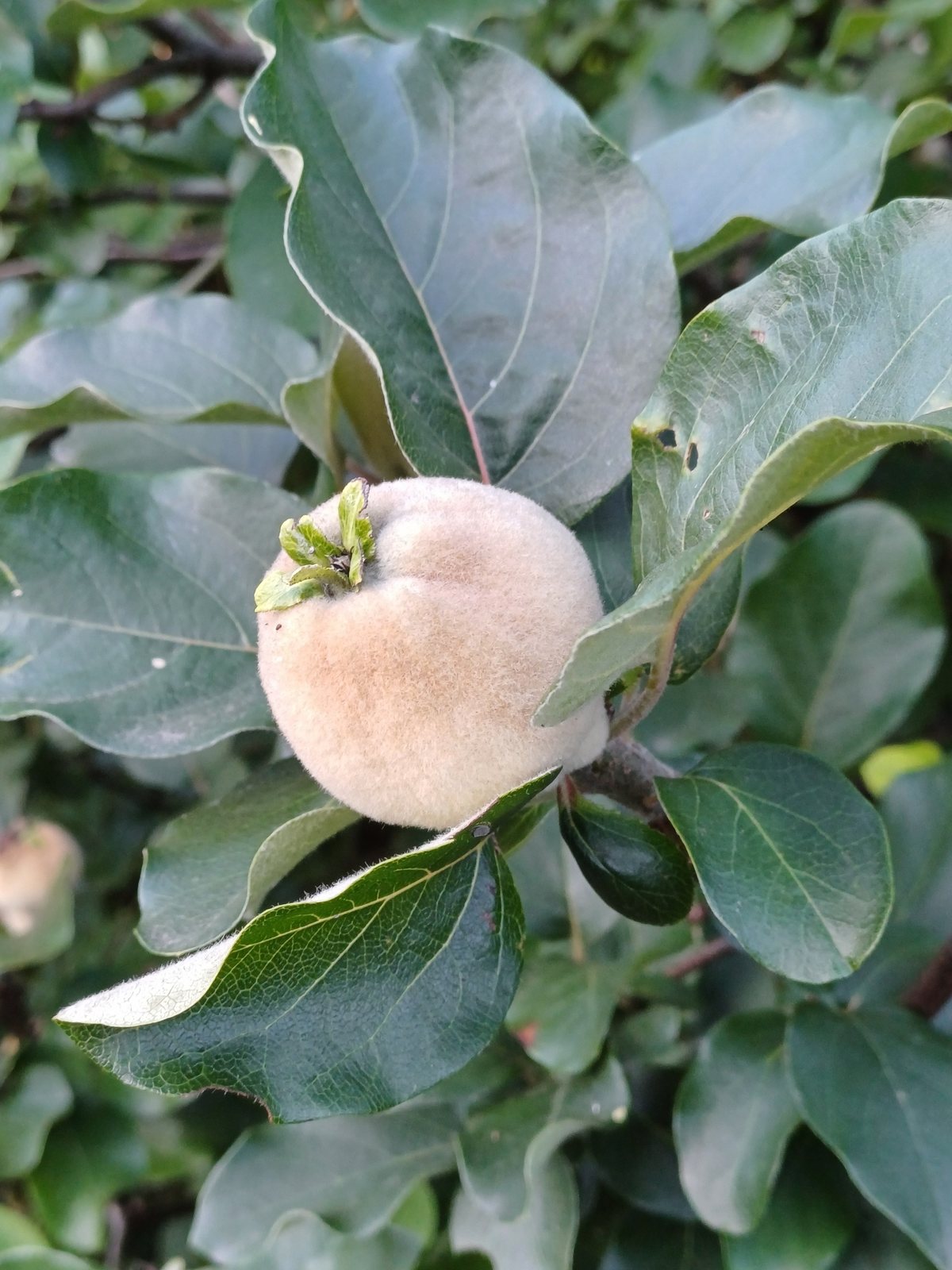
Usually bears clusters of white flowers and has less hairy, often finely toothed leaves; quince flowers are solitary and young fruit is noticeably woolly.
The name
Cydonia refers to Kydonia, an ancient city on Crete associated with quince, and oblonga means oblong, referring to the fruit's shape.
Propagation. Usually propagated by grafting or budding named varieties onto suitable quince rootstocks. Hardwood cuttings can root, though success varies; seed-grown trees vary in fruit quality and take longer to crop.
Checked against open data
- Accepted botanical name
- Cydonia oblonga
- In the US and Canada
- Introduced in Canada and the lower 48 states.
- Native range
- Iran, Iraq, North Caucasus, Tadzhikistan, Transcaucasus and Uzbekistan.
- Measured
- Average height 488 cm.
Sources: GBIF (CC BY 4.0), USDA PLANTS and Trefle (CC BY 4.0). The care and design notes are LandscapeGPT's own.
See it in your own yard.
Upload a photo of your yard and see it redesigned with plants that suit your climate, each checked against your zone.