Rainbow chard 'Bright Lights'
Beta vulgaris 'Bright Lights'. Family Amaranthaceae. Annual.
Also called Swiss chard 'Bright Lights', Silverbeet 'Bright Lights', Leaf beet 'Bright Lights'.
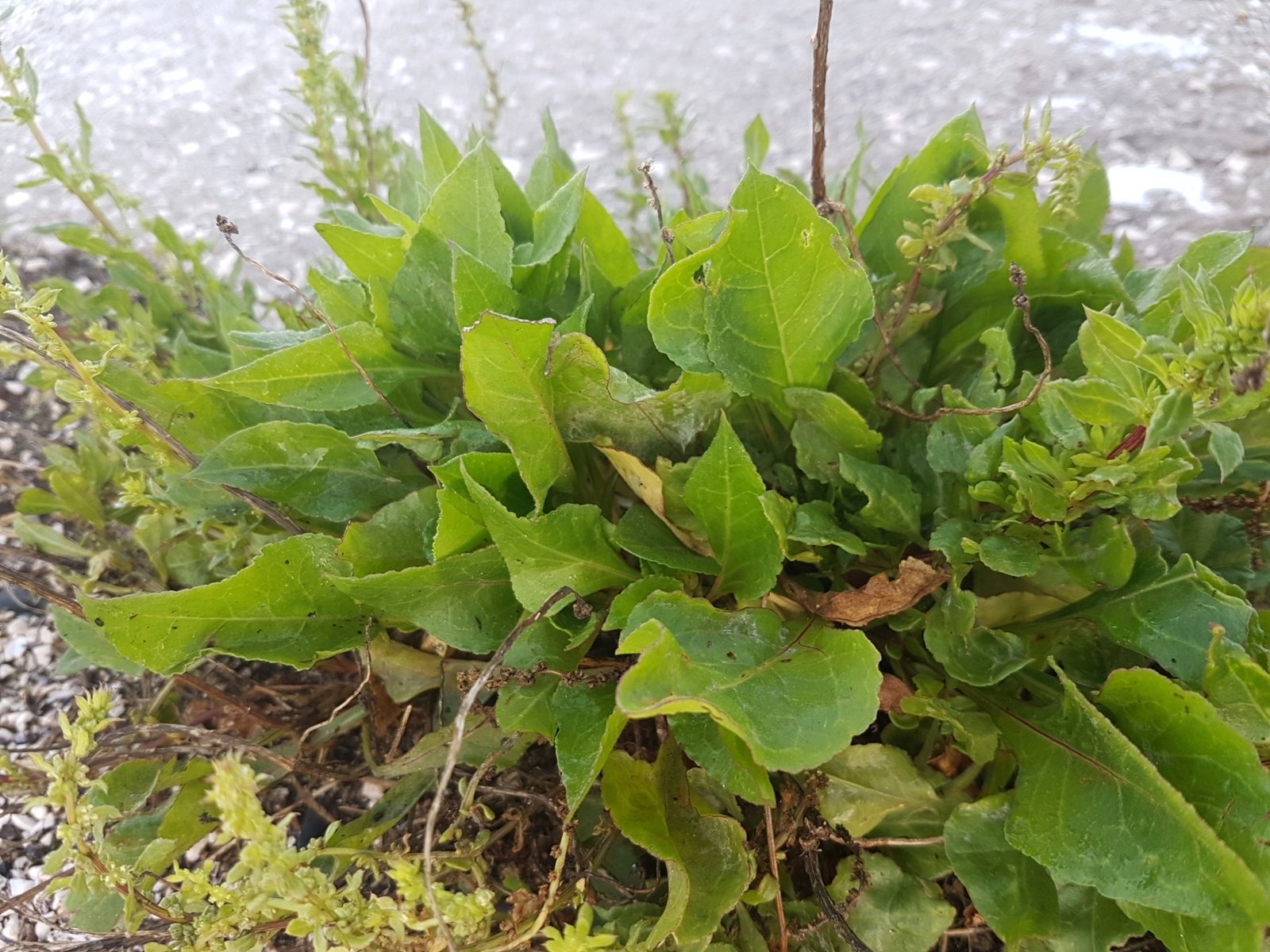
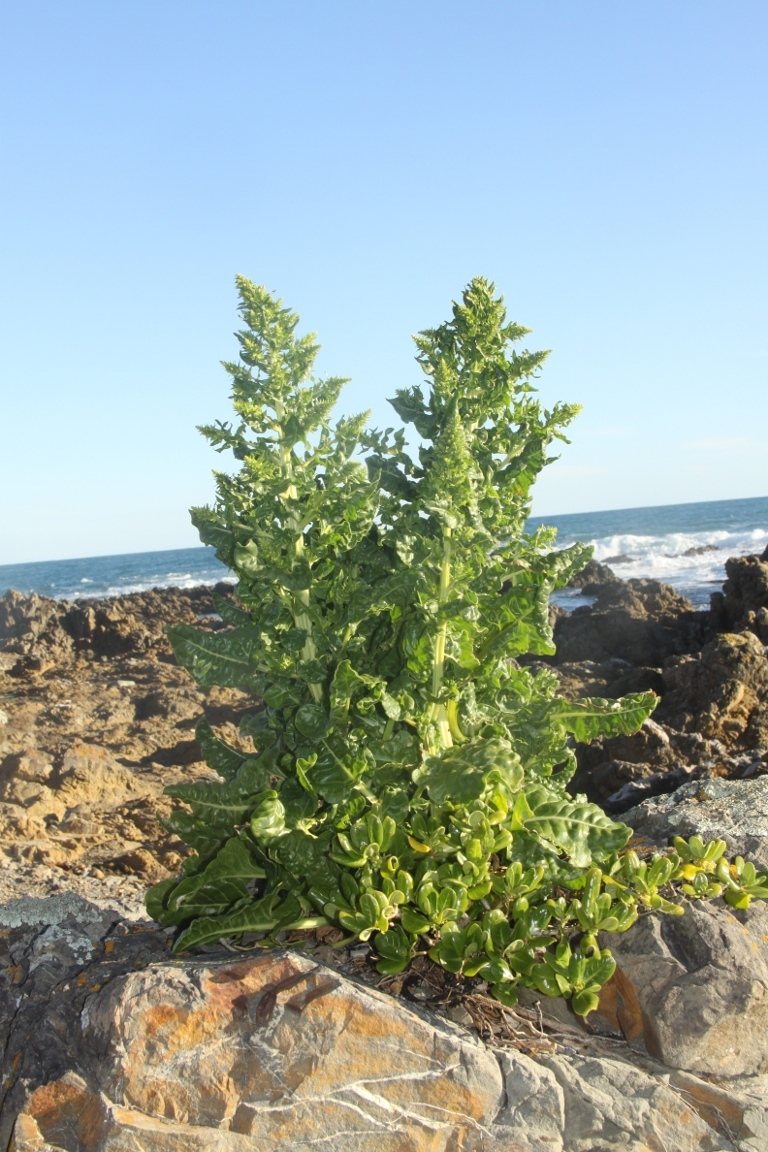
'Bright Lights' is a leafy vegetable with green or bronze leaves and stems in a mixture of yellow, orange, pink, red and white. Botanically a biennial, it is grown as an annual for repeated harvests and colourful foliage in vegetable beds, borders and containers. It tolerates light frost, but winter survival varies with temperature, drainage and shelter.
At a glance
- Sun
- Full sun to partial shade; afternoon shade helps in hot summers.
- Water
- Keep the root zone evenly moist, watering deeply when the surface begins to dry. Containers need more frequent checks than plants in the ground.
- Soil
- Fertile, moisture-retentive but well-drained soil, ideally with a pH of 6.0-7.5.
- Height
- 1.5-2 ft (0.45-0.6 m)
- Spread
- 1-1.5 ft (0.3-0.45 m)
- Foliage
- Large, slightly crinkled green to bronze leaves with broad, brightly coloured stalks and veins; colours vary between seedlings.
- Growth
- Fast
- Care needed
- Low
The year at a glance
- Edible
| J | F | M | A | M | J | J | A | S | O | N | D | |
|---|---|---|---|---|---|---|---|---|---|---|---|---|
| Fruit | ||||||||||||
| Plant |
Northern hemisphere months. In Australia, shift them by six.
- Difficulty
- Easy
- Toughness
- Fairly tough
Will it suit your garden?
Pick your zone, country, light and whether you have pets.
Full sun is 6 or more hours of direct sun a day, part shade 3 to 6 hours, shade under 3.
How it grows
Planting day
0.5 ft (0.15 m)
After 1 year
1.7 ft (0.53 m)
full size
Full size in one season.
From a typical nursery size, at an average rate for this kind of plant. A rule of thumb, not a forecast.
Good to know
- Cats and dogs
- Toxic
- Native to
- the UK
- Growth rate
- Fast
Care
Jobs through the year
- WaterApr–May, Sep–Nov, every 7 days
- Water established crops when surface soil starts drying; seedlings need more frequent moisture checks.
- WaterJun–Aug, every 3 days
- Water deeply as needed to keep roots evenly moist, adjusting for rain.
- FeedJun–Sep
- After preparing soil with compost, feed lightly only if repeated picking slows growth.
- MulchMay–Jun, Aug
- Mulch once plants are established, keeping the crown uncovered.
- HarvestMay–Nov, every 7 days
- Cut tender outer stalks near the base, leaving the crown and several young leaves intact.
- PruneMay–Oct
- Remove damaged or yellowing leaves and emerging flower stalks; replace persistently bolting plants.
- ProtectOct–Nov
- Cover productive plants with fleece to extend picking through light frosts.
- Thin seedlings to 12-18 in (30-45 cm) apart for full-sized plants.
- Water at soil level and avoid letting the root zone dry out between waterings.
- Work compost into the soil before planting; feed lightly with a balanced vegetable fertiliser if growth slows after repeated picking.
- Mulch around established plants to conserve moisture, keeping mulch clear of the crown.
- Use fleece or row cover to extend harvesting through light frosts.
Pruning. Remove yellowing or damaged outer leaves at their bases without cutting into the central growing point. Cut out emerging flower stalks promptly, although replacing a bolting plant usually gives better-quality leaves.
Harvest
Pick baby leaves when about 4-6 in (10-15 cm) long, or harvest full-sized outer leaves once the plant has a well-established central rosette, usually around 7-9 weeks after sowing. Cut individual stalks close to the base, leaving the crown and several young leaves to keep growing; pick while leaves are tender and before flowering.
Through the year
- Early spring
- Prepare the bed with compost and sow under cover if outdoor soil is still cold or waterlogged.
- Spring
- Direct-sow once soil is workable and warming; harden off indoor-raised plants before planting out.
- Late spring
- Thin seedlings, mulch the soil and begin picking outer leaves once plants are established.
- Summer
- Water consistently, harvest regularly and check leaves for miners and leaf spots.
- Late summer
- Sow another batch for autumn picking; in mild-winter climates, this can also provide winter leaves.
- Autumn
- Protect productive plants from light frosts, and remove plants that have bolted or developed persistent disease.
- Winter
- In mild areas, pick sparingly during slow growth; elsewhere, clear frost-killed plants and compost healthy remains.
In the garden
- Plant in repeated groups along vegetable-bed edges so the coloured stalks remain visible.
- Mix with lettuces and parsley in a potager for contrasting leaf shapes and an extended picking season.
- Use in large containers near the kitchen, with enough room for watering and regular harvesting.
- Place among calendulas or dwarf marigolds in an edible border for colour without relying on flowers.
Garden styles it suits: Potager (kitchen garden), Edible landscape, Cottage garden, Urban city garden, Small-space and Homestead.
Plant it with: Lettuce, Parsley, Onions, Calendula and Dwarf French marigolds.
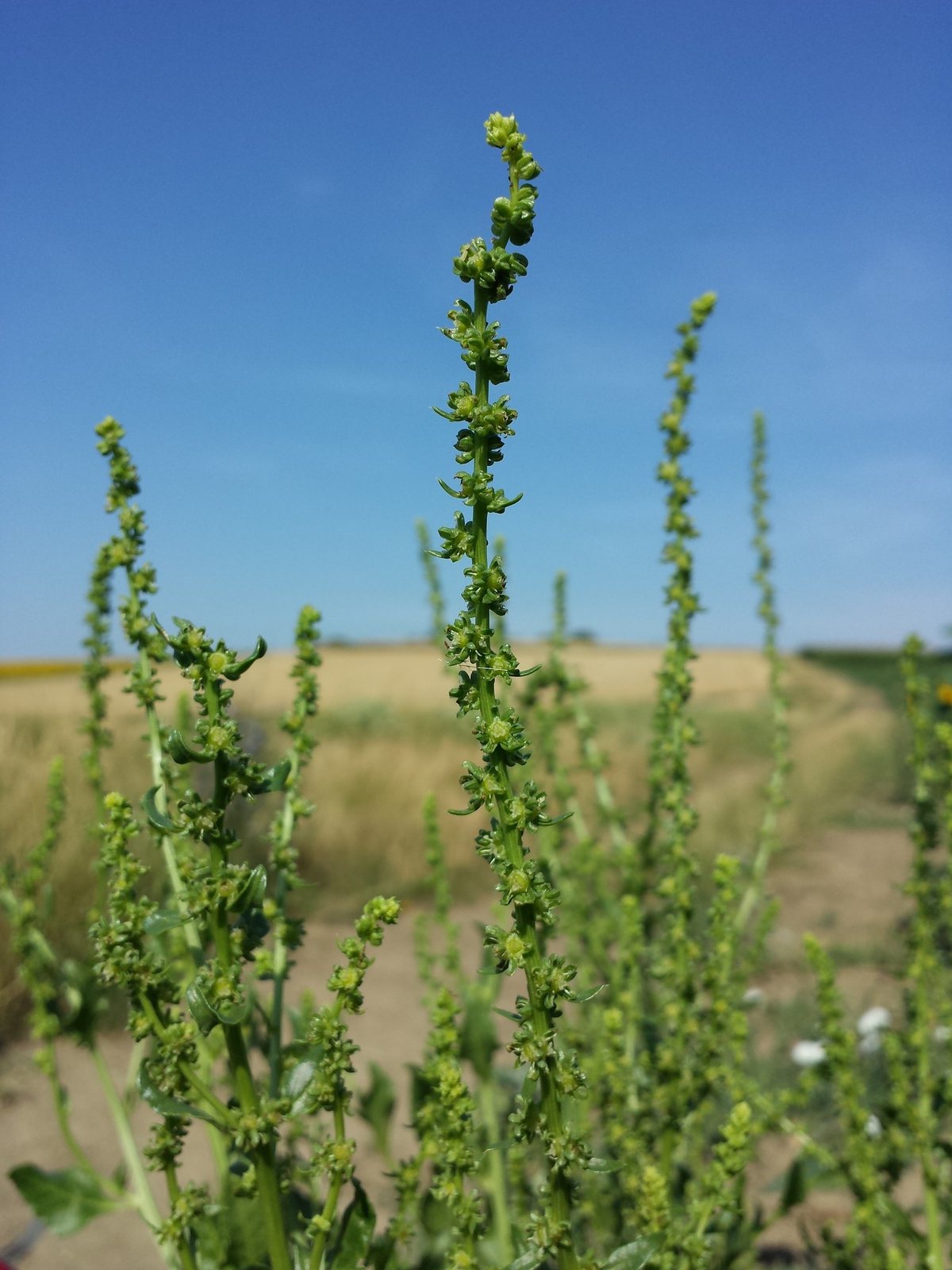
Wildlife: Harvested plants provide little nectar or pollen. If allowed to flower in their second year, their small, mainly wind-pollinated flowers offer limited ornamental or pollinator value; leaves may feed insect larvae, slugs and snails.
Problems to watch for
- Slugs and snails chew young leaves: check after dark, remove hiding places and use an approved iron-phosphate bait if needed.
- Leaf miners leave pale tunnels or blotches: remove affected leaves promptly and protect new sowings with insect mesh before adults lay eggs.
- Cercospora leaf spot causes small grey-centred spots with darker margins: remove badly affected leaves, improve spacing, water at soil level and rotate away from beet-family crops.
- Bolting produces a tall flower stalk and tougher leaves, often after cold exposure or stress: avoid planting young plants into prolonged cold, maintain moisture and replace plants that bolt.
Safety
Leaves and stalks are edible for people in normal food portions, but contain soluble oxalates; people advised to restrict dietary oxalate should follow their clinician's guidance. Large quantities can be harmful to cats, dogs and horses, potentially causing calcium imbalance and kidney injury, so do not offer chard as bulk feed or allow access to piles of discarded leaves.
Easily confused with
Beetroot (Beta vulgaris)
Beetroot belongs to the same species and can have similar leaves, but is selected to form a swollen storage root; chard is selected for broad leaves and fleshy stalks.
Spinach (Spinacia oleracea)
Spinach generally has smaller, smoother leaves and slender green stalks rather than chard's broad, fleshy, often brightly coloured stalks.
Rhubarb (Rheum × hybridum)
Rhubarb forms a much larger perennial clump with very broad leaves and thick stalks. Unlike chard leaves, rhubarb leaves are poisonous and must not be eaten.
The name
Beta is the Latin name for beet, vulgaris means common, and 'Bright Lights' refers to the mixture of brightly coloured leaf stalks.
Propagation. Grow from seed, sowing about 0.5-1 in (1-2.5 cm) deep. Each corky seed cluster can produce several seedlings, so thin as needed. Saved seed can cross with other chards and beets and may not reproduce the original colour mixture reliably.
Checked against open data
- Accepted botanical name
- Beta vulgaris
- In the US and Canada
- Introduced in the lower 48 states and Puerto Rico.
- Native range
- Albania, Algeria, Azores, Baleares, Belgium, Bulgaria, Canary Is., Corse, Cyprus, East Aegean Is., Egypt and France.
- Measured
- Soil pH 7.5 to 8. Average height 43 cm.
Sources: GBIF (CC BY 4.0), USDA PLANTS and Trefle (CC BY 4.0). The care and design notes are LandscapeGPT's own.
See it in your own yard.
Upload a photo of your yard and see it redesigned with plants that suit your climate, each checked against your zone.