Red Prince weigela
Weigela 'Red Prince'. Family Caprifoliaceae. Shrub.
Also called Weigela 'Red Prince'.
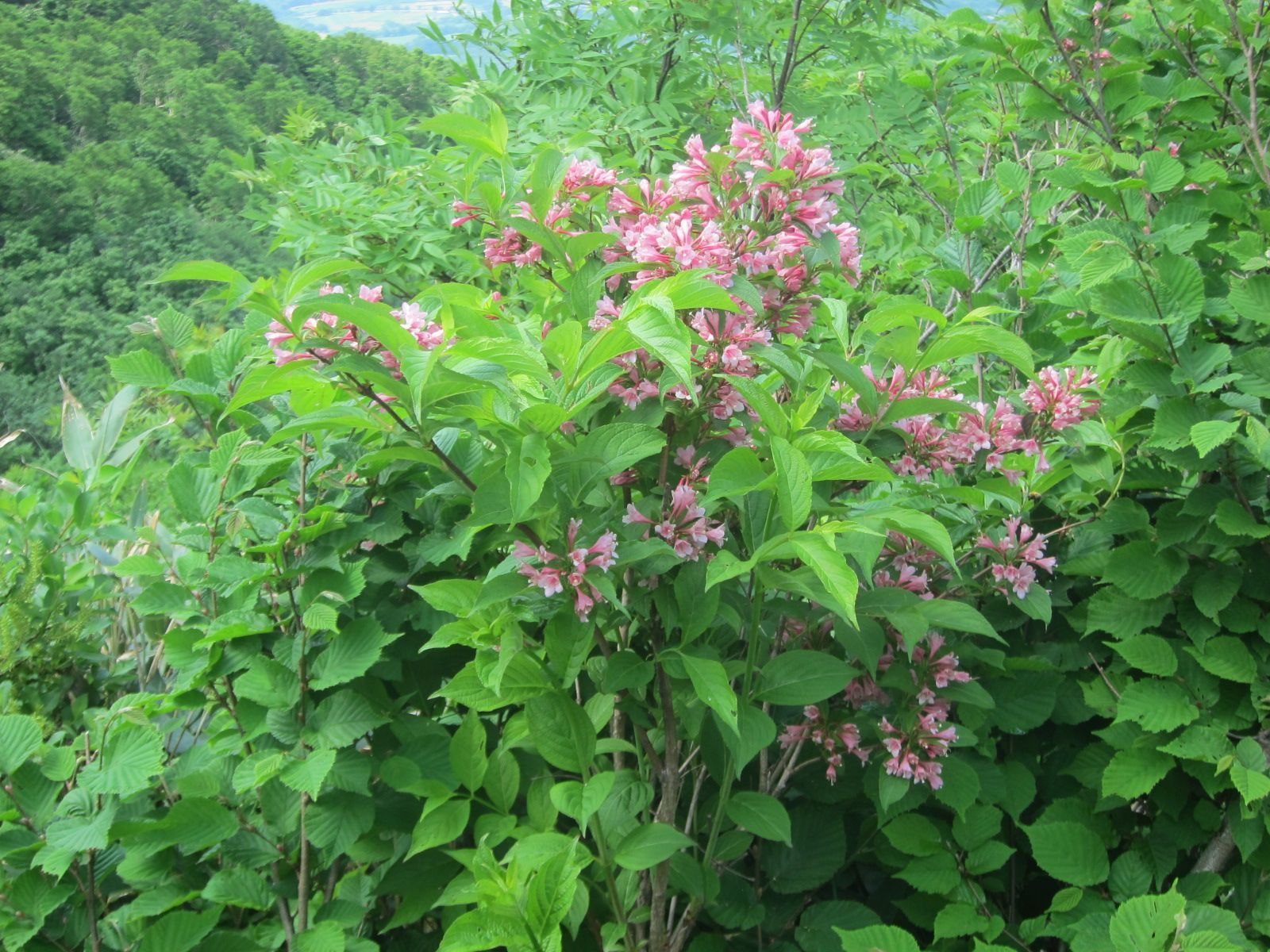
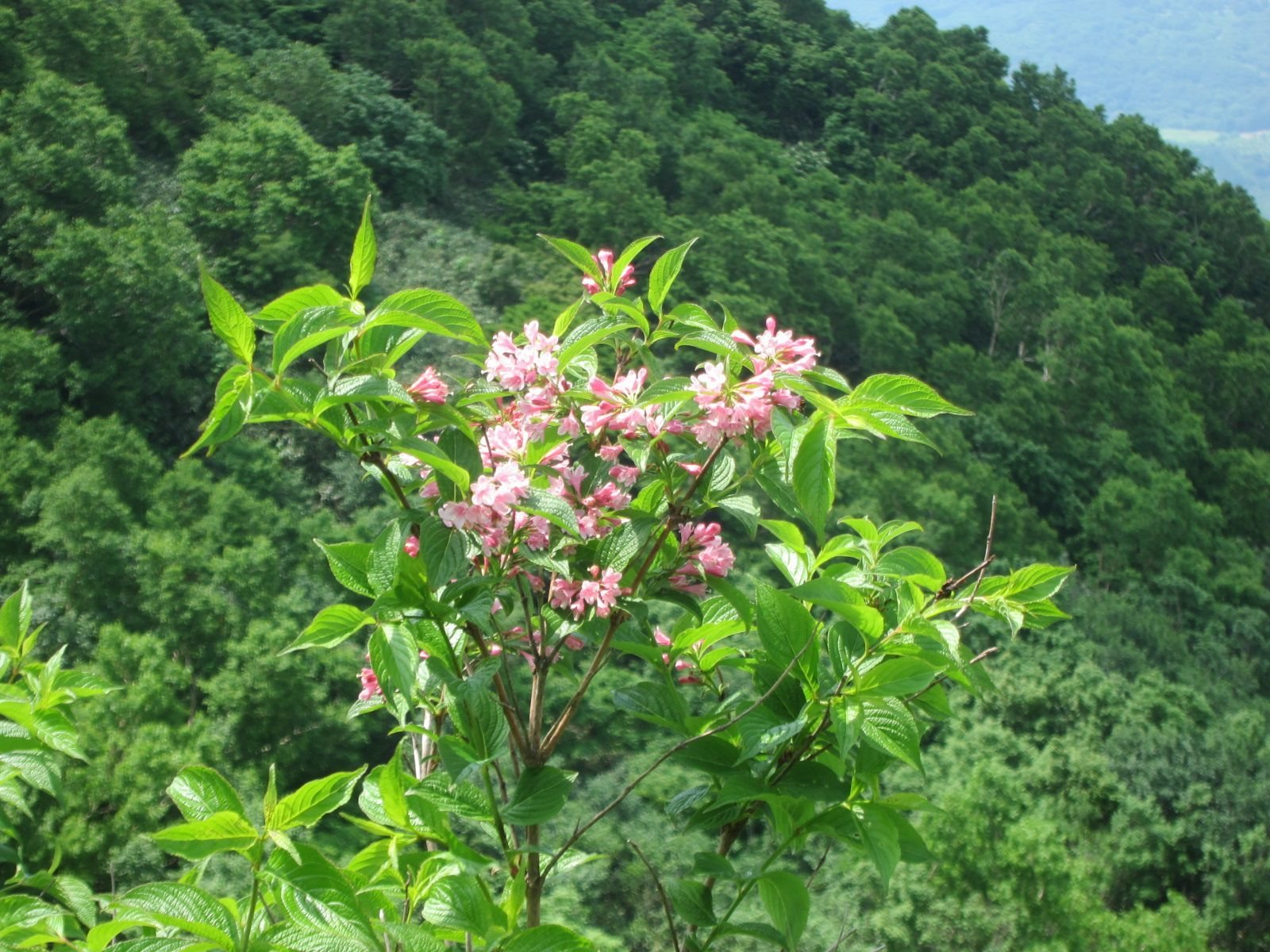
Red Prince is a deciduous shrub grown for its clear red, trumpet-shaped flowers in late spring and early summer. Its spreading, slightly arching branches suit mixed borders and informal hedges, and established plants sometimes produce a smaller second flush of flowers later in summer.
At a glance
- Sun
- Full sun for the most flowers; tolerates partial shade but flowers less freely.
- Water
- Moderate; keep the root zone evenly moist while establishing. Once established, water deeply during prolonged dry spells.
- Soil
- Moist but well-drained soil, including loam and reasonably drained clay; tolerates acidic, neutral and mildly alkaline conditions.
- Height
- 4-6 ft (1.2-1.8 m)
- Spread
- 4-6 ft (1.2-1.8 m)
- Flowers
- Clear red, trumpet-shaped flowers in late spring and early summer, sometimes followed by scattered flowers in late summer.
- Foliage
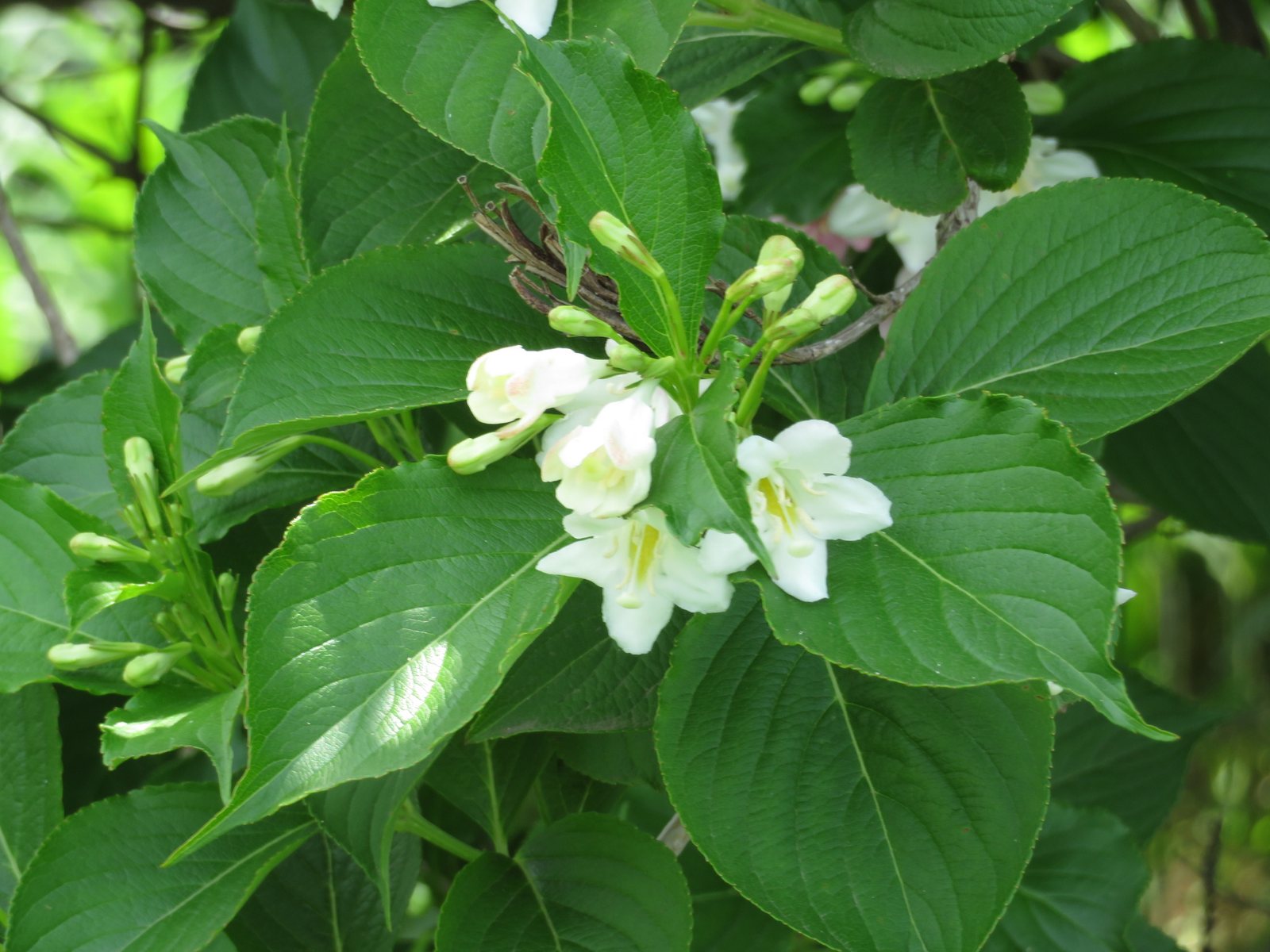
- Opposite, oval green leaves with pointed tips and toothed edges; autumn colour is usually unremarkable.
- Growth
- Moderate
- Care needed
- Low
The year at a glance
- Pollinators
- Cold hardy
- Wildlife
- Low allergen
| J | F | M | A | M | J | J | A | S | O | N | D | |
|---|---|---|---|---|---|---|---|---|---|---|---|---|
| Flowers | ||||||||||||
| Plant |
Northern hemisphere months. In Australia, shift them by six.
- Difficulty
- Easy
- Toughness
- Very tough
Will it suit your garden?
Pick your zone, country, light and whether you have pets.
Full sun is 6 or more hours of direct sun a day, part shade 3 to 6 hours, shade under 3.
How it grows
Planting day
1.6 ft (0.5 m)
After 1 year
2.3 ft (0.7 m)
After 2 years
3 ft (0.9 m)
After 3 years
4 ft (1.1 m)
After 5 years
5 ft (1.5 m)
full size
About 5 years to full size.
From a typical nursery size, at an average rate for this kind of plant. A rule of thumb, not a forecast.
Good to know
- Cats and dogs
- Safe
- Growth rate
- Moderate
Care
Jobs through the year
- WaterApr–May, Sep–Oct, every 14 days
- Water established shrubs deeply if dry; give extra attention during the first two growing seasons.
- WaterJun–Aug, every 7 days
- Water deeply during prolonged dry spells; skip when rainfall keeps the root zone moist.
- MulchMar–Apr
- Maintain 5–8 cm of organic mulch, keeping stem bases clear.
- FeedMar–Apr
- Apply a light compost dressing, particularly if previous growth was weak; avoid heavy nitrogen feeding.
- PruneMar–Apr
- Remove dead or winter-damaged wood once live buds are visible.
- PruneJun
- After the main bloom, shorten selected flowered shoots and remove up to one-third of old stems if crowded.
- Water deeply during dry weather for the first two growing seasons.
- Spread a 2-3 in (5-8 cm) layer of organic mulch over the root zone, keeping it clear of the stems.
- Apply a light dressing of compost in spring; avoid heavy nitrogen feeding, which encourages leaves at the expense of flowers.
- Allow room for its mature spread rather than repeatedly clipping it to fit a narrow space.
- Avoid sites that remain waterlogged in winter.
Pruning. Prune just after the main flowering display, shortening flowered shoots to strong side growth and removing up to one-third of the oldest stems at ground level if the shrub is crowded. Avoid routine autumn or early-spring pruning, which removes wood carrying the next main crop of flowers.
Through the year
- Early spring
- Renew mulch and add a light dressing of compost if growth was weak the previous year.
- Spring
- Plant container-grown shrubs once the ground is workable, and water thoroughly.
- Late spring
- Check tender shoots for aphids and wash off small colonies with a firm spray of water.
- Early summer
- After the main flowers fade, thin crowded stems and shorten branches only where needed.
- Summer
- Water deeply during extended dry spells, especially around recently planted shrubs.
- Autumn
- Plant in mild regions while the soil is still warm; avoid pruning healthy shoots.
In the garden
- Use toward the back of a mixed border, with lower perennials hiding the bare bases of older stems.
- Plant as an informal flowering hedge where its branches can spread without shearing.
- Combine with blue-flowered catmint or hardy geraniums to contrast with the red flowers.
- Use as a flowering specimen beside a lawn or path, leaving room for its mature width.
Garden styles it suits: Cottage garden, English country, Traditional, Wildlife garden, Low-maintenance and Native hedgerow.
Plant it with: Catmint, Hardy geranium, Peony, Lady's mantle, Ornamental onion and Switchgrass.
Wildlife: Flowers provide nectar for bees and attract hummingbirds where these occur in North America. The branching growth offers shelter for small birds.
Problems to watch for
- Few flowers: provide more sun, avoid high-nitrogen fertiliser and prune only after the main flowering period.
- Aphids on young shoots: wash them off with water and encourage ladybirds and other predators; use insecticidal soap if an infestation persists.
- Powdery mildew: improve airflow by thinning crowded stems, and prevent drought stress; minor outbreaks rarely need treatment.
- Root decline in wet soil: improve drainage or move the shrub to a better-drained position; do not keep watering already saturated ground.
Safety
Not known to be toxic to people, cats, dogs or horses; no part is generally recognised as poisonous. It is not an edible plant, and eating plant material may still cause stomach upset.
Easily confused with
Beauty bush (Kolkwitzia amabilis)
Beauty bush has pale pink, yellow-throated flowers in clusters and conspicuously peeling bark on older stems, rather than the clear red flowers of Red Prince.
Deutzia (Deutzia spp.)
Deutzias usually bear white or pink, open, star-shaped flowers with separate-looking petals; weigela flowers form a distinct trumpet.
The name
Weigela honours the German botanist Christian Ehrenfried Weigel, while 'Red Prince' refers to the cultivar's red flowers.
Propagation. Take softwood cuttings in late spring or early summer, or semi-ripe cuttings later in summer. Root them in a free-draining propagation mix under humid conditions; seed will not reliably produce plants identical to 'Red Prince'.
Checked against open data
- Accepted botanical name
- Weigela
Sources: GBIF (CC BY 4.0). The care and design notes are LandscapeGPT's own.
See it in your own yard.
Upload a photo of your yard and see it redesigned with plants that suit your climate, each checked against your zone.