Red Sentinel crabapple
Malus 'Red Sentinel'. Family Rosaceae. Tree.
Also called Red Sentinel crab apple, Malus 'Red Sentinel'.
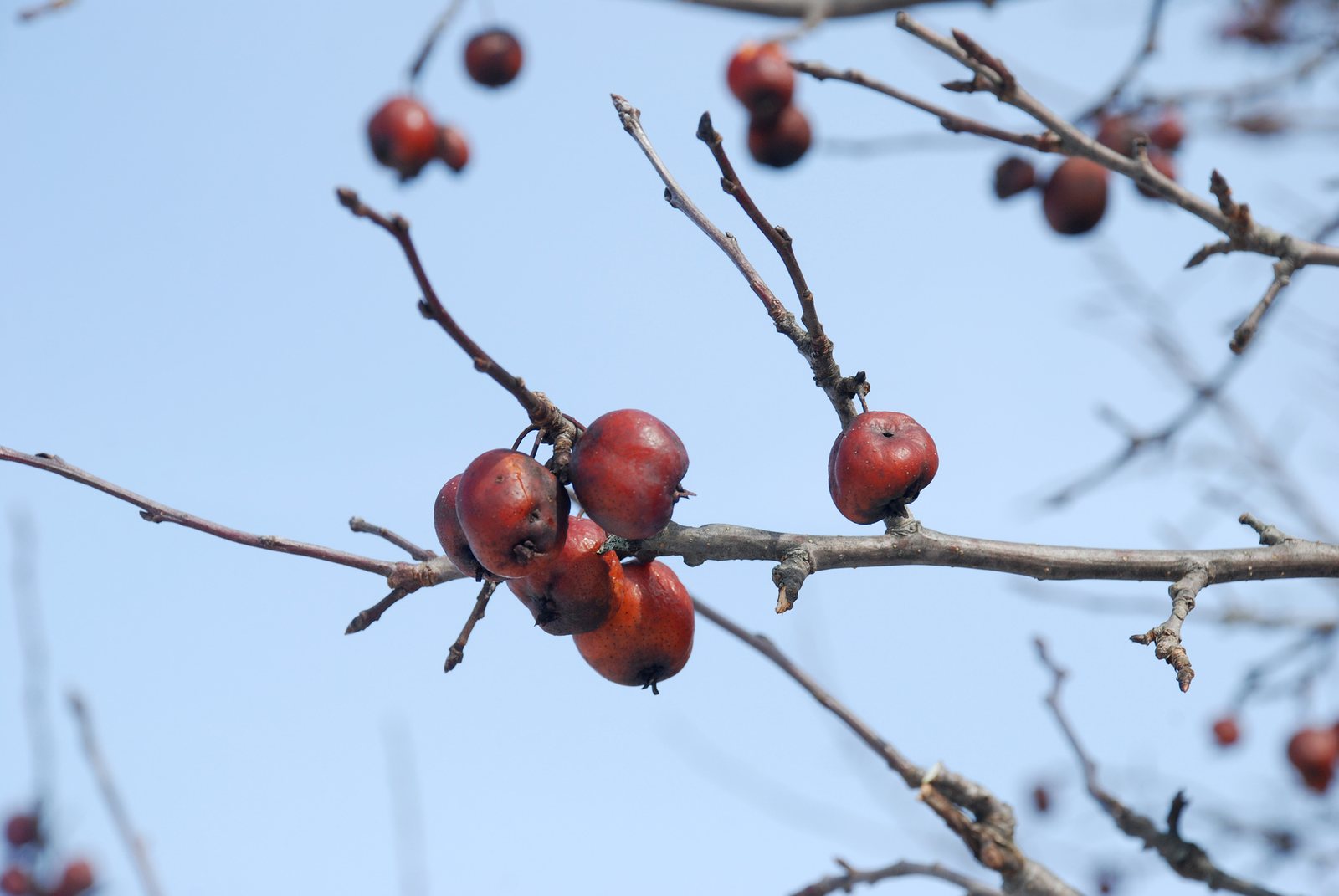
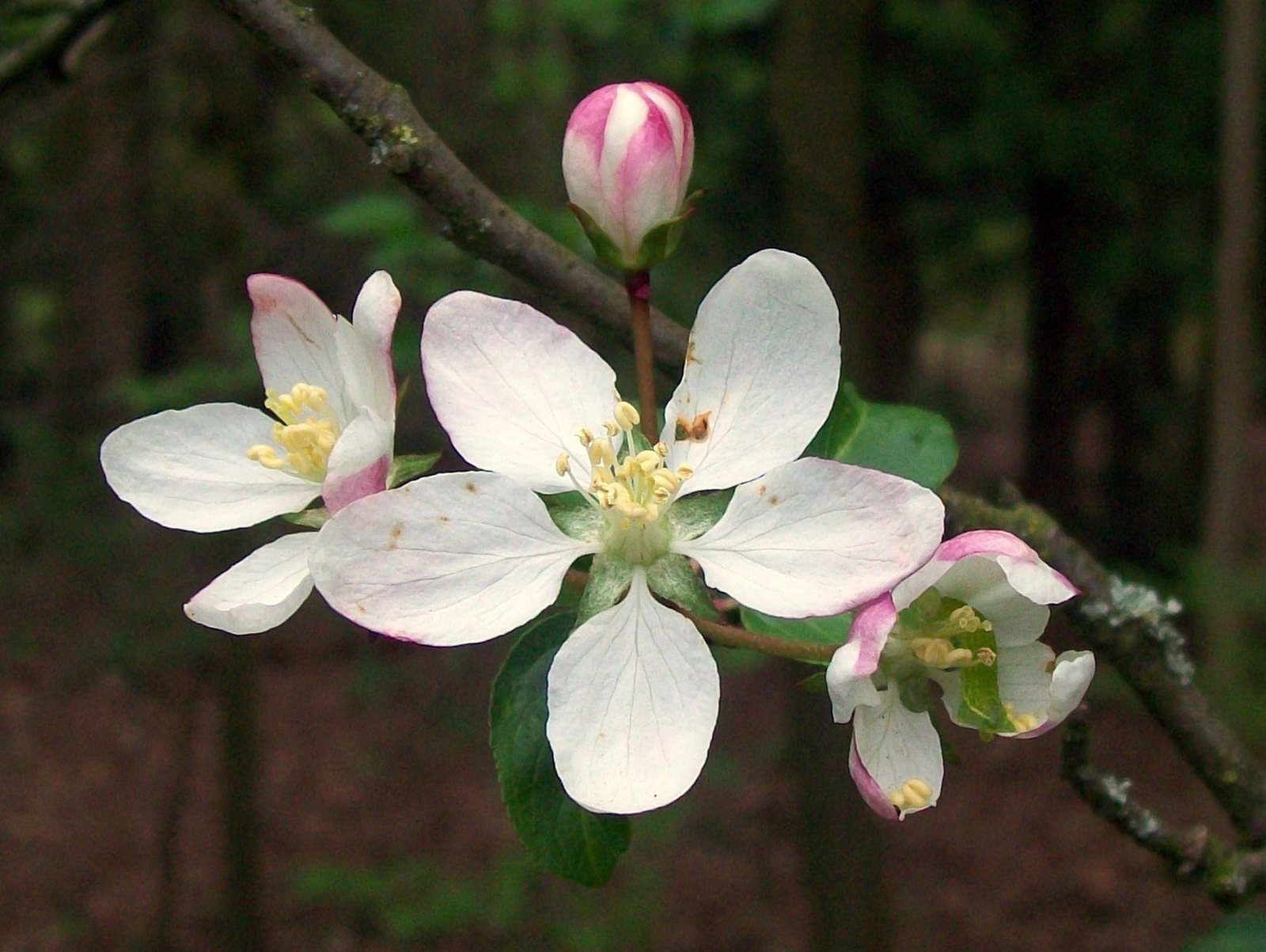
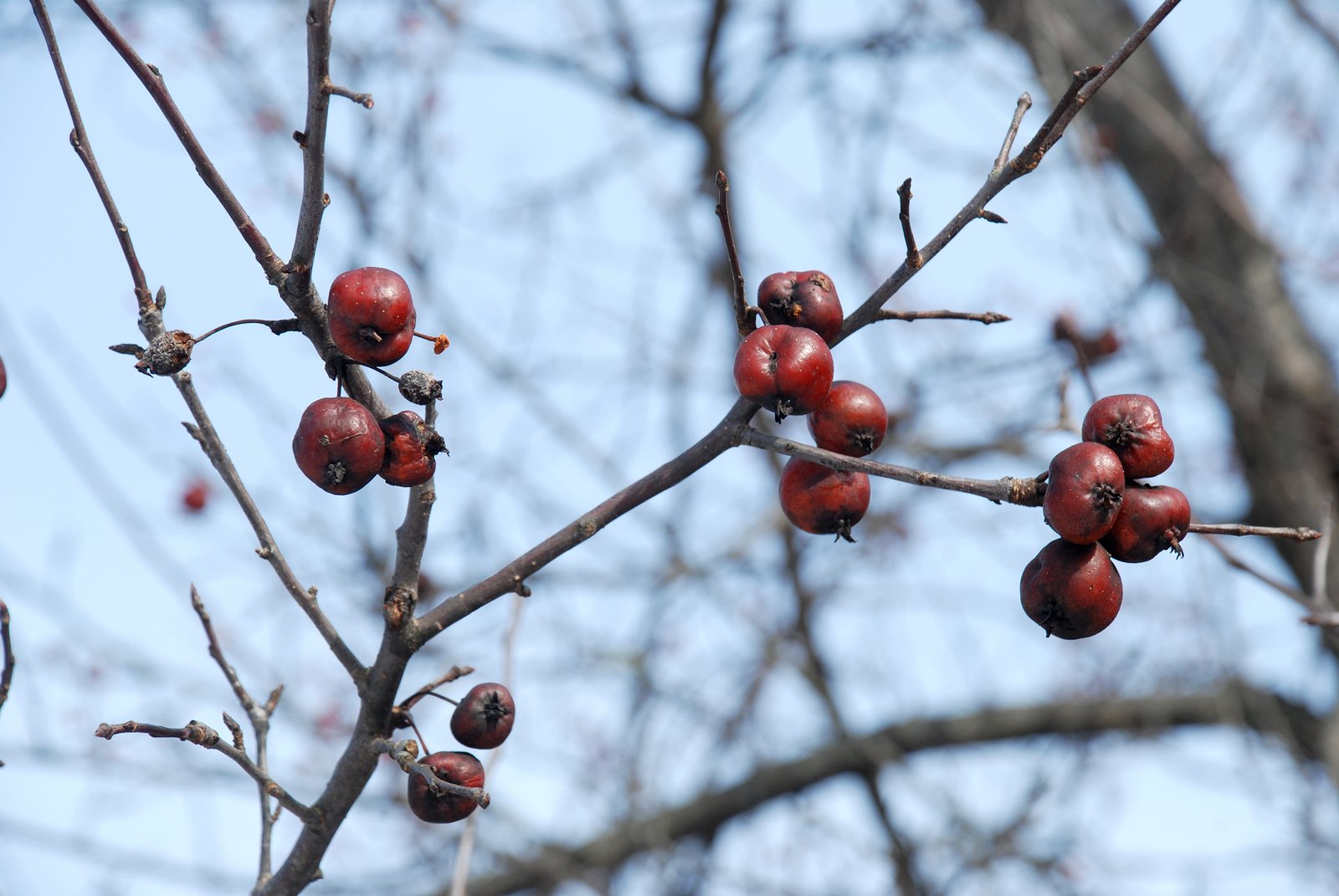
A small deciduous tree grown for white spring blossom and clusters of glossy red crabapples that often remain on the branches well into winter. Its upright young crown broadens with age, making it a useful specimen for a lawn or mixed border. It performs best in temperate climates with cold winters rather than hot, humid or frost-free regions.
At a glance
- Sun
- Full sun gives the best flowering and fruiting; tolerates light partial shade.
- Water
- Moderate; keep the root zone moist while establishing, then water during prolonged dry spells.
- Soil
- Fertile, well-drained loam, clay or sandy soil; tolerates mildly acidic to mildly alkaline conditions but not persistent waterlogging.
- Height
- 15-25 ft (4.5-7.5 m)
- Spread
- 15-25 ft (4.5-7.5 m)
- Flowers
- Mid- to late spring; pink buds open to white flowers.
- Foliage
- Oval green leaves, sometimes bronze-tinged when young, turning yellow in autumn.
- Growth
- Moderate; ultimate size and growth depend partly on the rootstock.
- Care needed
- Medium
The year at a glance
- Pollinators
- Cold hardy
- Wildlife
- Low allergen
| J | F | M | A | M | J | J | A | S | O | N | D | |
|---|---|---|---|---|---|---|---|---|---|---|---|---|
| Flowers | ||||||||||||
| Fruit | ||||||||||||
| Plant |
Northern hemisphere months. In Australia, shift them by six.
- Difficulty
- Moderate
- Toughness
- Fairly tough
Will it suit your garden?
Pick your zone, country, light and whether you have pets.
Full sun is 6 or more hours of direct sun a day, part shade 3 to 6 hours, shade under 3.
How it grows
Planting day
7 ft (2 m)
After 1 year
7 ft (2.2 m)
After 2 years
8 ft (2.4 m)
After 3 years
9 ft (2.6 m)
After 5 years
10 ft (3 m)
About 20 years to full size.
From a typical nursery size, at an average rate for this kind of plant. A rule of thumb, not a forecast.
Good to know
- Cats and dogs
- Toxic
- Growth rate
- Moderate
Care
Jobs through the year
- WaterApr–May, Sep–Oct, every 14 days
- Water established trees if the root zone is drying; check young trees more frequently for two years.
- WaterJun–Aug, every 7 days
- Deep-water established trees during prolonged dry spells; skip when rainfall keeps the soil moist.
- MulchMar–Apr
- Maintain 5-8 cm of organic mulch over the roots, keeping it clear of the trunk.
- PruneFeb
- Remove dead, damaged and crossing branches lightly, retaining a balanced crown.
- PruneMay–Sep
- Remove suckers and fire-blighted shoots promptly; cut infected wood in dry weather and disinfect tools.
- ProtectOct–Nov
- Collect diseased fallen leaves to reduce apple scab carryover; leave healthy fruit for birds.
- Water deeply during dry weather for the first two growing seasons, wetting the whole root zone.
- Apply 2-3 in (5-8 cm) of organic mulch each spring, keeping it clear of the trunk.
- Feed in spring only if growth is weak or the soil is poor; avoid heavy nitrogen feeding.
- Stake only if needed for stability, use a flexible tie, and remove the support once the roots hold the tree firmly.
- Remove shoots arising below the graft union as soon as they appear.
Pruning. Prune lightly in late winter while dormant, removing dead, damaged and crossing branches and retaining an open, balanced crown. Avoid hard pruning, which encourages vigorous shoots at the expense of flowers and fruit.
Through the year
- Late winter
- Inspect branch structure and prune lightly before buds open.
- Spring
- Refresh mulch and check that stakes and ties are not rubbing or constricting the trunk.
- Late spring
- Check new shoots for aphids and blossom or shoot dieback.
- Summer
- Water young trees deeply during dry spells and remove rootstock suckers.
- Autumn
- Collect fallen diseased leaves to reduce apple scab carryover.
- Late autumn
- Plant container-grown or dormant bare-root trees while the soil is workable and not waterlogged.
- Winter
- Leave sound fruit on the branches for seasonal colour and birds.
In the garden
- Use as a lawn specimen where its blossom, branching and winter fruit can be seen from the house.
- Place toward the back of a mixed border, with spring bulbs and low perennials beneath the crown.
- Plant beside a terrace or courtyard with enough space for the mature canopy and some fallen fruit.
- Use in a small informal orchard or wildlife garden for blossom and persistent fruit.
Garden styles it suits: English country, Cottage garden, Traditional, Wildlife garden, Winter interest and Backyard orchard.
Plant it with: Snowdrops, Daffodils, Hellebores, Hardy geraniums, Lady's mantle and Japanese anemones.
Wildlife: Spring flowers provide pollen and nectar for bees and other insects. Birds eat the small fruits, often later in winter after they soften; dense branching also offers shelter.
Problems to watch for
- Apple scab can cause dark leaf spots and early leaf fall, especially in wet seasons; collect fallen leaves, maintain airflow and avoid wetting the foliage.
- Fire blight causes blackened blossom and hooked, dying shoots; remove affected wood well below visible damage in dry weather, disinfect tools and seek local advice where outbreaks are severe.
- Aphids can curl young leaves; encourage natural predators and wash accessible colonies off with water.
- Poor flowering or sparse fruit can follow shade, hard pruning or late frost; provide a sunny position, prune lightly and avoid frost pockets when planting.
Safety
Seeds, leaves and stems contain cyanogenic compounds and can poison cats, dogs, horses and people if enough is chewed and swallowed. Serious poisoning is uncommon from incidental exposure, but prevent access to piles of prunings or large quantities of fallen fruit. The fruit flesh is not known to be toxic, though eating much of it can cause stomach upset.
Easily confused with
Golden Hornet crabapple (Malus 'Golden Hornet')
Has yellow rather than red mature fruits; both have white spring flowers.
John Downie crabapple (Malus 'John Downie')
Produces larger, oval to conical fruits that ripen orange and red, rather than the smaller, rounded red fruits of Red Sentinel.
The name
Malus is the Latin name for an apple tree.
Propagation. Usually propagated by budding or grafting onto an apple rootstock. Seedlings will not come true to the cultivar; buy a named grafted tree for predictable flowers, fruit and size.
Checked against open data
- Accepted botanical name
- Malus
Sources: GBIF (CC BY 4.0). The care and design notes are LandscapeGPT's own.
See it in your own yard.
Upload a photo of your yard and see it redesigned with plants that suit your climate, each checked against your zone.