Red Sunset red maple
Acer rubrum 'Franksred'. Family Sapindaceae. Tree.
Also called Acer rubrum 'Franksred', Red Sunset maple, Swamp maple.
Red Sunset is a large deciduous shade tree with an upright, oval crown and orange-red to deep red autumn foliage. It colours best in sunny positions with consistently moist, acidic soil and needs room for its crown and shallow roots. The species spans USDA zones 3–9, but this cultivar is most often recommended for zones 4–8.
At a glance
- Sun
- Full sun for the strongest autumn colour; tolerates partial shade.
- Water
- Moderate to high; keep young trees evenly moist and water established trees during prolonged dry weather.
- Soil
- Moist, acidic soil, preferably loam; tolerates clay and occasional flooding. Alkaline soil commonly causes yellow leaves, and dry, compacted ground limits growth.
- Height
- 40-50 ft (12-15 m)
- Spread
- 30-40 ft (9-12 m)
- Flowers
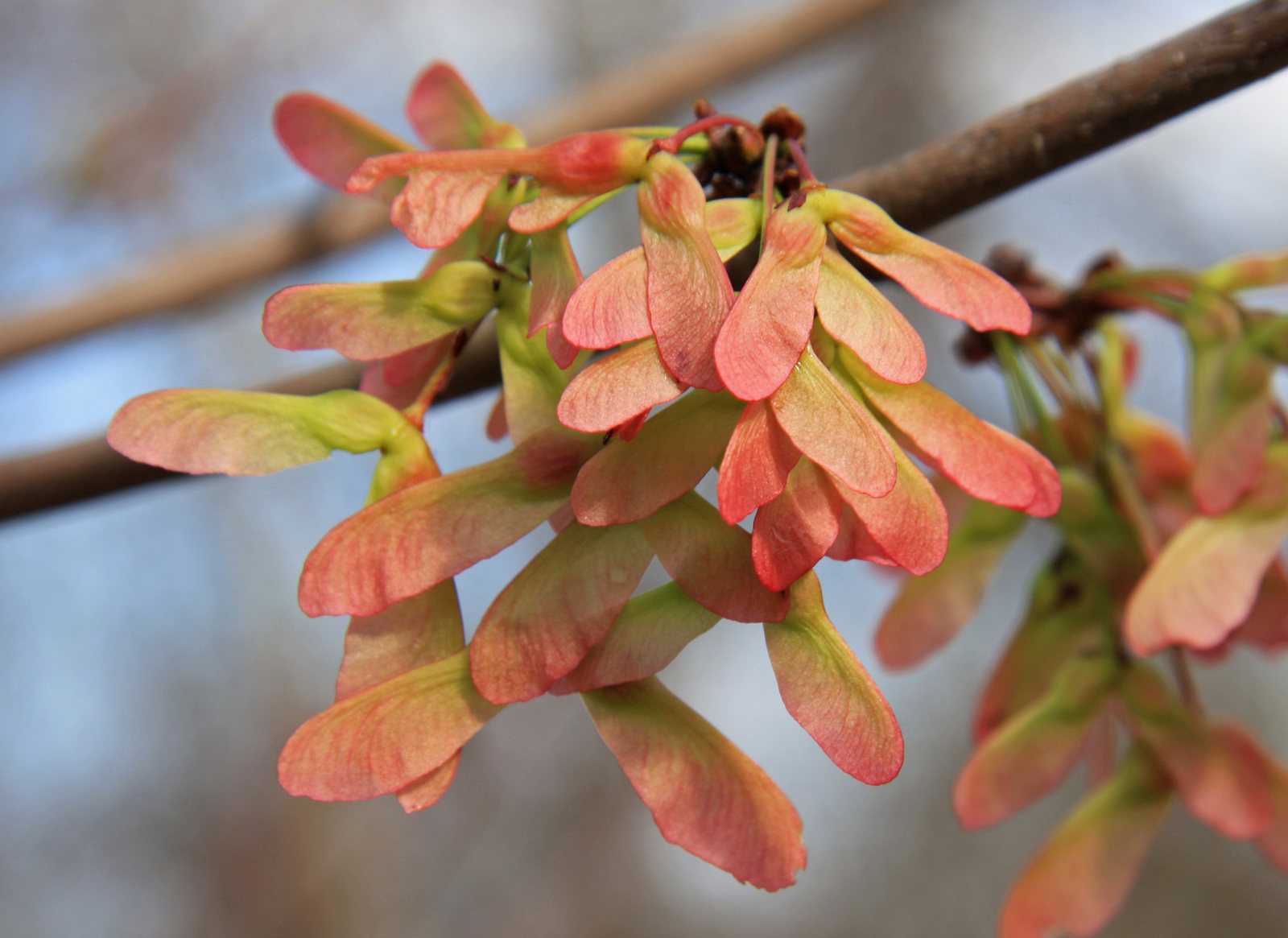
- Small red flowers on bare branches in late winter or early spring, before the leaves open.
- Foliage
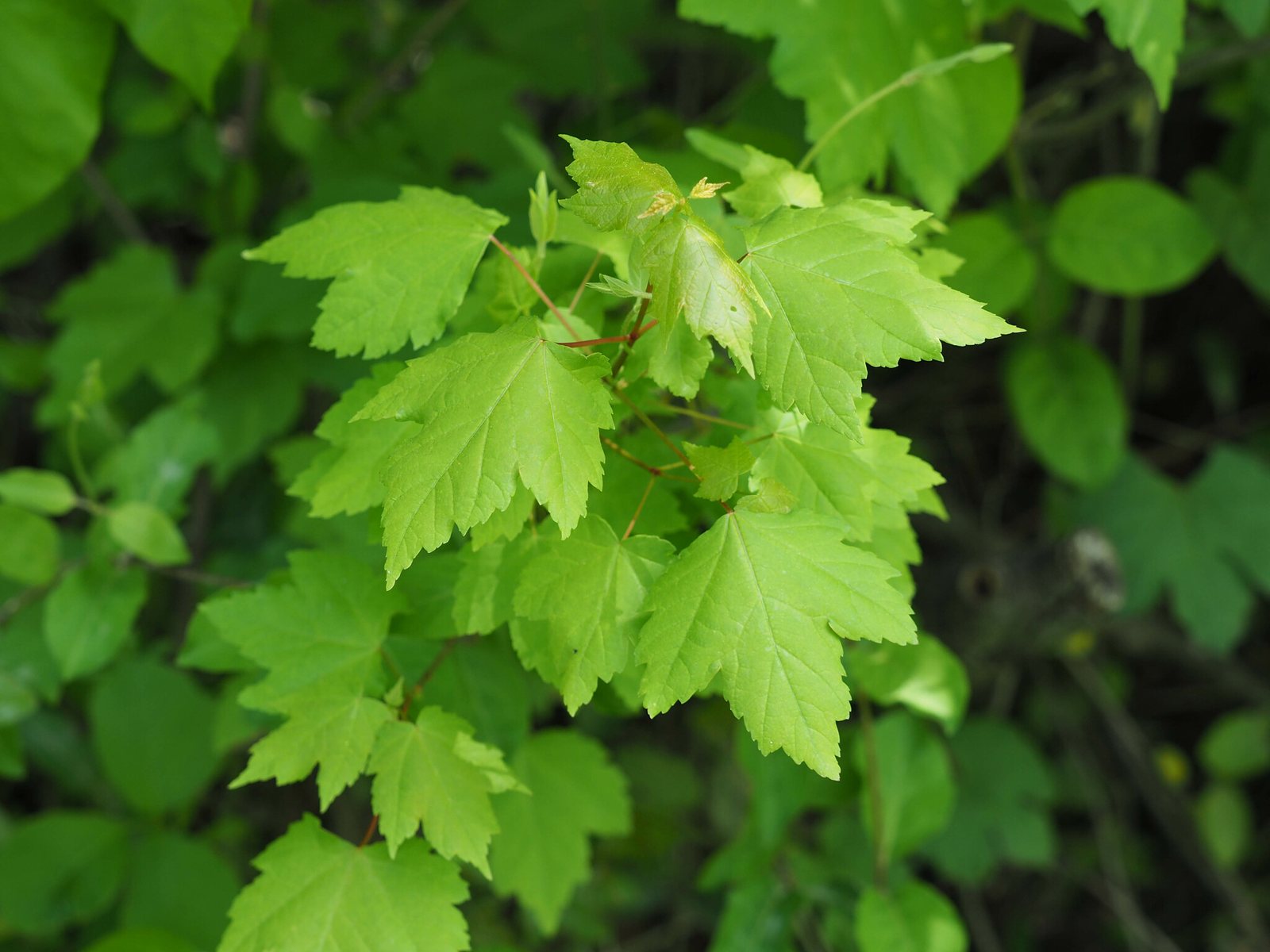
- Deciduous green leaves with three to five pointed lobes and pale undersides; usually orange-red to deep red in autumn, with colour affected by weather and soil.
- Growth
- Moderate to fast, often 1-2 ft (0.3-0.6 m) a year while young in suitable conditions.
- Care needed
- Medium
The year at a glance
- Pollinators
- Cold hardy
- Heat tolerant
- Wildlife
| J | F | M | A | M | J | J | A | S | O | N | D | |
|---|---|---|---|---|---|---|---|---|---|---|---|---|
| Flowers | ||||||||||||
| Fruit | ||||||||||||
| Plant |
Northern hemisphere months. In Australia, shift them by six.
- Difficulty
- Moderate
- Toughness
- Fairly tough
Will it suit your garden?
Pick your zone, country, light and whether you have pets.
Full sun is 6 or more hours of direct sun a day, part shade 3 to 6 hours, shade under 3.
How it grows
Planting day
7 ft (2 m)
After 1 year
9 ft (2.7 m)
After 2 years
11 ft (3.4 m)
After 3 years
14 ft (4.2 m)
After 5 years
18 ft (5.6 m)
About 16 years to full size.
From a typical nursery size, at an average rate for this kind of plant. A rule of thumb, not a forecast.
Good to know
- Cats and dogs
- Safe
- Native to
- the US and Canada
- Growth rate
- Fast
Care
Jobs through the year
- WaterApr–May, Sep–Oct, every 14 days
- Water established trees deeply when rain is insufficient and soil is drying; young trees need closer monitoring.
- WaterJun–Aug, every 7 days
- Water established trees deeply during dry spells; keep young trees evenly moist for their first three summers.
- MulchMar–Apr
- Spread organic mulch 5–8 cm deep across the root zone, leaving the trunk and root flare exposed.
- PruneJun–Aug
- Once leaves harden, lightly remove competing leaders and poorly attached branches while cuts are small.
- ProtectJan–Feb, Dec
- Inspect for damaged branches and weak forks; have large structural defects assessed by an arborist.
- Plant with the root flare visible at soil level; loosen or correct circling roots before backfilling.
- Water deeply through the root ball and surrounding soil during dry spells for the first two to three growing seasons.
- Spread mulch 2-3 in (5-8 cm) deep over the root zone, keeping it clear of the trunk.
- Allow generous clearance from paving, drains and buildings; shallow roots can lift hard surfaces.
- Feed only if a soil test or poor growth indicates a deficiency; avoid heavy lawn fertiliser applications over the roots.
- Stake only if the root ball is unstable, and remove supports after the first growing season.
Pruning. Train young trees to one main leader and remove competing leaders or poorly attached branches while they are small. Do routine pruning in summer after the leaves have hardened; remove dead or dangerous branches whenever necessary and never top the tree.
Through the year
- Spring
- Plant container-grown trees while the soil is workable, keeping the root flare above the finished soil level.
- Spring
- Renew mulch and check that ties are not rubbing or constricting the trunk.
- Early summer
- Check new leaves for yellowing between green veins; test soil pH before treating suspected iron deficiency.
- Summer
- Water deeply during dry spells and carry out light formative pruning if needed.
- Autumn
- Plant while the soil remains warm and moist; water newly planted trees if rainfall is insufficient.
- Winter
- Inspect the bare crown for damaged branches and weak forks, and arrange professional assessment of large defects.
In the garden
- Use as a specimen in a large lawn where its autumn crown can be seen from the house.
- Plant as a shade tree away from patios and paths to reduce future root conflicts.
- Place at a woodland edge with moisture-loving shrubs and groundcover.
- Use in a spacious rain garden or low-lying lawn that drains between periods of flooding.
Garden styles it suits: Autumn colour, Woodland, Traditional, Grand estate, New England and Wildlife garden.
Plant it with: Virginia sweetspire, Summersweet, Oakleaf hydrangea, Christmas fern, Foamflower and Pennsylvania sedge.
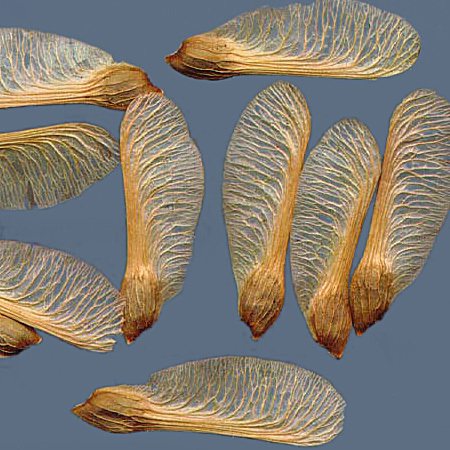
Wildlife: Early flowers provide pollen and nectar for insects, and red maple supports moth and butterfly larvae. Winged seeds are eaten by birds and small mammals, while mature branches provide shelter and nesting sites.
Problems to watch for
- Iron or manganese chlorosis: leaves turn yellow between green veins, especially in alkaline soil. Test the soil and seek a targeted treatment; persistently alkaline sites are better planted with a more tolerant tree.
- Drought stress and leaf scorch: brown leaf margins and early leaf drop follow dry conditions. Water deeply, mulch broadly and reduce competition from turf.
- Girdling roots: circling roots can constrict the trunk and cause gradual decline. Inspect the root flare and have an arborist assess established girdling roots.
- Verticillium wilt: sudden wilting or branch dieback may affect part of the crown. Obtain a diagnosis, remove dead wood and maintain even moisture; there is no curative treatment.
Safety
Red maple leaves, especially wilted or dried leaves, are highly toxic to horses and can cause life-threatening destruction of red blood cells. Keep trees, fallen leaves and prunings away from horse paddocks and hay. It is not known to be toxic to cats, dogs or people, but it is not an edible garden plant.
Easily confused with
Autumn Blaze Freeman maple (Acer × freemanii 'Jeffersred')
Usually has more deeply cut, five-lobed leaves with stronger silver maple influence. Autumn colour alone is not a reliable distinction; check the nursery label.
Sugar maple (Acer saccharum)
Leaves usually have five lobes with rounded, U-shaped spaces between them and relatively few coarse teeth; red maple has sharper, V-shaped spaces and more finely toothed edges.
Silver maple (Acer saccharinum)
Leaves are cut much more deeply into narrow lobes and have conspicuously silvery undersides; autumn colour is usually yellow rather than strong red.
The name
The Latin rubrum means red, referring to the tree's red flowers, buds and other seasonal features, while Red Sunset describes the cultivar's autumn colour.
Propagation. Propagate true to cultivar by grafting, budding or professionally managed softwood cuttings. Seedlings will not reliably retain Red Sunset's growth habit or autumn colour.
Checked against open data
- Accepted botanical name
- Acer rubrum
- In the US and Canada
- Native in Canada and the lower 48 states.
- Native range
- Alabama, Arkansas, Delaware, Florida, Georgia, Illinois, Indiana, Kentucky, Maryland, Minnesota, New Jersey and New Mexico.
- Measured
- Soil pH 4.7 to 7.3. Average height 1500 cm.
Sources: GBIF (CC BY 4.0), USDA PLANTS and Trefle (CC BY 4.0). The care and design notes are LandscapeGPT's own.
See it in your own yard.
Upload a photo of your yard and see it redesigned with plants that suit your climate, each checked against your zone.