Roseum Elegans rhododendron
Rhododendron 'Roseum Elegans'. Family Ericaceae. Shrub.
Also called Rhododendron 'Roseum Elegans'.
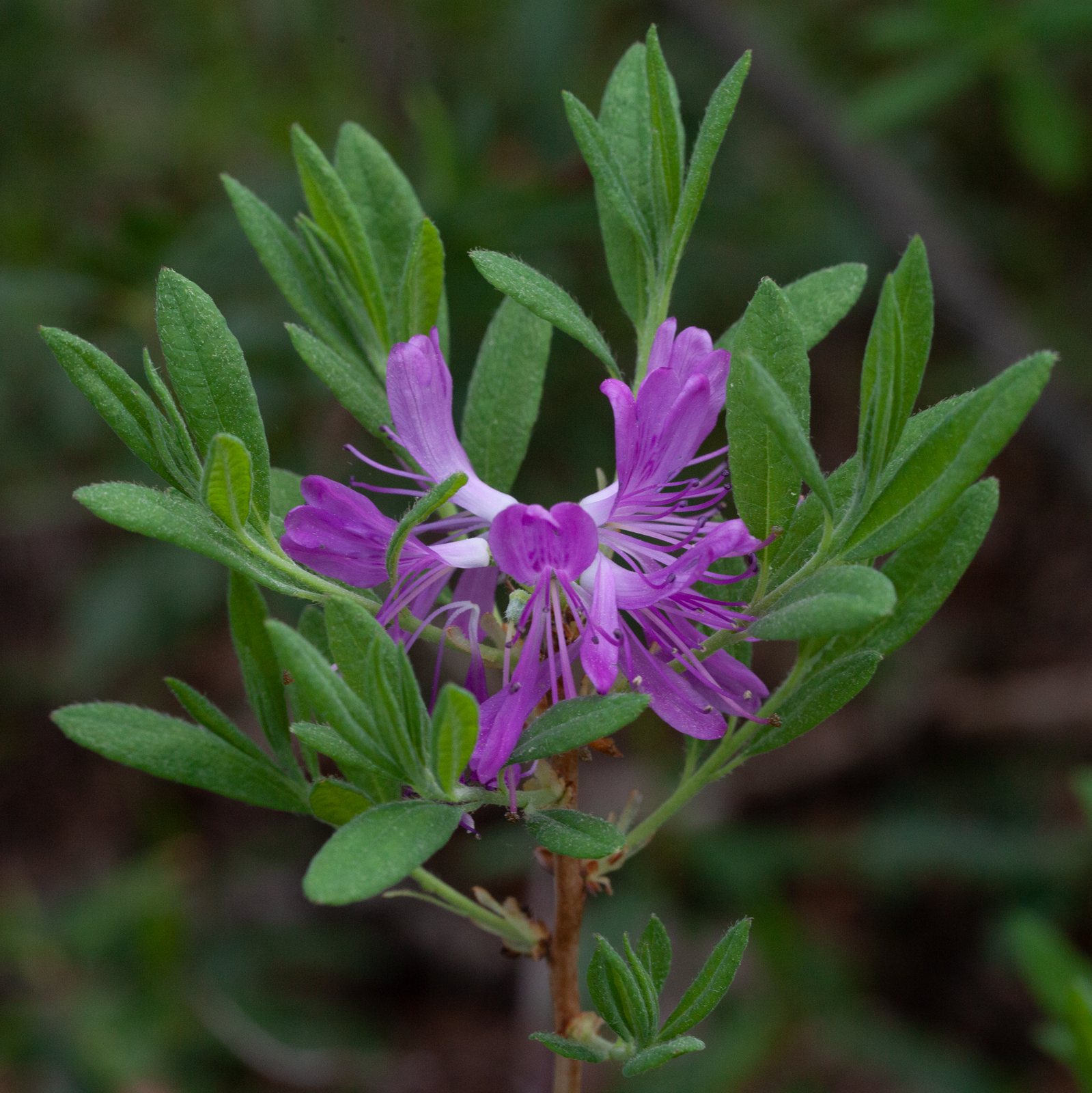
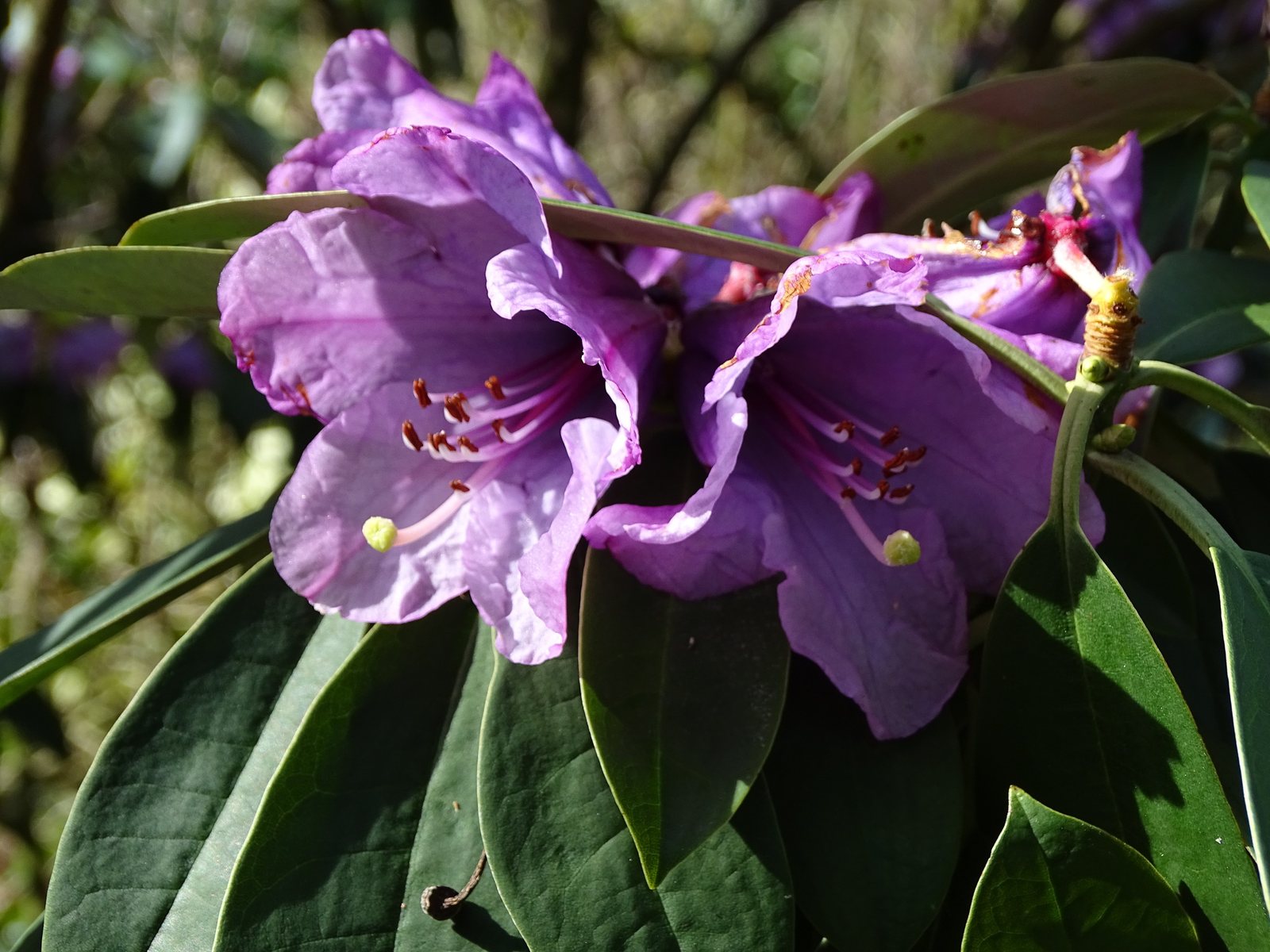
This large evergreen rhododendron bears rounded clusters of rose-pink to lavender-pink flowers in late spring. Gardeners grow it for its substantial year-round foliage and reliable flowering in cool climates with acidic soil; it needs room to develop its broad, rounded shape.
At a glance
- Sun
- Partial shade or filtered sunlight, ideally with morning sun and afternoon shade. More sun is suitable in cool, moist climates; protect from drying winds and strong afternoon sun.
- Water
- Keep the shallow root zone evenly moist but never waterlogged. Water deeply during dry spells, including dry autumn weather before the ground freezes.
- Soil
- Acidic, humus-rich, well-drained soil, ideally pH 4.5-6.0. Unsuitable for chalky soil or sites that remain wet in winter.
- Height
- 6-10 ft (1.8-3 m), sometimes taller with age
- Spread
- 6-10 ft (1.8-3 m)
- Flowers
- Late spring to early summer; rounded trusses of rose-pink to lavender-pink flowers with darker spotting on the upper petals.
- Foliage
- Evergreen. Large, leathery, dark green leaves held year-round. Leaves may droop and roll inward during freezing weather without indicating permanent damage.
- Growth
- Moderate; develops into a substantial shrub over 10-20 years.
- Care needed
- Medium
The year at a glance
- Pollinators
- Cold hardy
- Wildlife
- Low allergen
| J | F | M | A | M | J | J | A | S | O | N | D | |
|---|---|---|---|---|---|---|---|---|---|---|---|---|
| Flowers | ||||||||||||
| Plant |
Northern hemisphere months. In Australia, shift them by six.
- Difficulty
- Moderate
- Toughness
- Fairly tough
Will it suit your garden?
Pick your zone, country, light and whether you have pets.
Full sun is 6 or more hours of direct sun a day, part shade 3 to 6 hours, shade under 3.
How it grows
Planting day
1.6 ft (0.5 m)
After 1 year
2.9 ft (0.88 m)
After 2 years
4 ft (1.3 m)
After 3 years
5 ft (1.6 m)
After 5 years
8 ft (2.4 m)
full size
About 5 years to full size.
From a typical nursery size, at an average rate for this kind of plant. A rule of thumb, not a forecast.
Good to know
- Cats and dogs
- Toxic
- Growth rate
- Moderate
Care
Jobs through the year
- WaterMar–May, Sep–Nov, every 14 days
- Check established shrubs and water deeply when soil starts drying; water young shrubs more often.
- WaterJun–Aug, every 7 days
- During dry weather, soak the shallow root zone without waterlogging it; use rainwater where tap water is hard.
- FeedMar–Apr
- Use a modest dose of acid-loving shrub fertiliser only if growth warrants it.
- MulchMar, Oct
- Maintain 5–8 cm of leaf mould or fine pine bark, keeping stems clear.
- PruneJun
- Immediately after flowering, shorten wayward shoots to leafy side branches; avoid shearing.
- DeadheadMay–Jun
- Optionally remove spent trusses carefully, preserving the new shoots beneath.
- ProtectJan–Feb, Nov–Dec
- Use a windbreak for exposed shrubs; temporary leaf curling in freezing weather is normal.
- Plant with the top of the root ball level with, or slightly above, the surrounding soil; never bury the stem base.
- Water beneath the canopy during dry spells, wetting the root zone rather than just the surface.
- Apply 2-3 in (5-8 cm) of leaf mould or fine pine bark, keeping mulch away from the stems.
- If growth is weak, apply a modest amount of fertiliser for acid-loving shrubs in spring; avoid late-season feeding.
- Keep cultivation and digging away from its shallow roots.
Pruning. Prune immediately after flowering, shortening wayward shoots to a leafy side branch; remove dead or damaged wood whenever necessary. Avoid routine shearing, which spoils the shape and can remove the following year's flower buds.
Through the year
- Early spring
- Check for winter damage and soil moisture; feed lightly if growth or soil conditions warrant it.
- Spring
- Plant while conditions are cool and moist, setting the root ball shallowly and watering thoroughly.
- Late spring
- Enjoy flowering and inspect leaf undersides for lace bugs or stippling.
- Early summer
- Prune after flowering if needed; carefully remove spent flower clusters without damaging the new shoots beneath.
- Summer
- Water during dry spells and maintain mulch over the root zone.
- Autumn
- Replenish mulch and water well during dry weather before winter.
- Winter
- Protect exposed plants from drying winds; do not mistake temporary cold-induced leaf curling for drought.
In the garden
- Use as a flowering backdrop in a large woodland border with ferns and shade perennials.
- Plant in loose groups beneath high-canopied trees, away from dense, thirsty surface roots.
- Use as an informal evergreen screen where acidic soil and adequate moisture support healthy growth.
- Combine with azaleas and pieris for a layered spring-flowering border, allowing space for its mature width.
Garden styles it suits: Woodland, English country, Traditional, Grand estate, Romantic rose garden and Pacific Northwest woodland.
Plant it with: Japanese pieris, Deciduous azaleas, Japanese maples, Hostas, Japanese painted ferns and Siberian bugloss.
Wildlife: Flowers attract bumblebees and other visiting insects. Dense evergreen growth provides shelter for small birds.
Problems to watch for
- Yellow leaves with green veins: often caused by alkaline soil or impaired roots. Test soil pH and drainage; correct the growing conditions rather than repeatedly adding fertiliser.
- Rhododendron lace bugs: pale stippling develops on leaves, with dark specks underneath. Reduce heat and drought stress; treat leaf undersides with an approved insecticidal soap if necessary, following the label.
- Vine weevils: adults notch leaf edges and larvae eat roots, particularly in containers. Inspect plants and use suitable biological nematodes when soil temperatures meet the product requirements.
- Phytophthora root rot: wilting and dieback occur despite wet soil. Improve drainage, avoid overwatering, and remove badly affected plants; do not replace them with another rhododendron in the same untreated wet site.
Safety
All parts, including leaves, flowers and nectar, contain grayanotoxins and are poisonous to people, cats, dogs and horses if eaten. Poisoning can cause vomiting, weakness, abnormal heart rhythms and potentially death; seek urgent medical or veterinary advice after suspected ingestion.
Easily confused with
English Roseum rhododendron (Rhododendron 'English Roseum')
Another large evergreen with very similar pink-lilac flower trusses. Flower colour overlaps substantially, so a reliable nursery label is more useful than colour alone.
PJM rhododendron (Rhododendron 'P.J.M.')
Usually flowers earlier, has much smaller leaves that often turn bronze-purple in winter, and forms a smaller shrub.
Cunningham's White rhododendron (Rhododendron 'Cunningham's White')
Pink buds open to predominantly white flowers rather than the pink-lavender flowers of 'Roseum Elegans'.
The name
Rhododendron comes from Greek words meaning 'rose tree', while 'Roseum Elegans' is a Latin cultivar name meaning roughly 'elegant rose-coloured'.
Propagation. Root semi-ripe cuttings in late summer with suitable rooting hormone and controlled humidity, or layer a low branch until it forms roots. Cuttings can be slow and difficult; seed will not reproduce the cultivar reliably.
Checked against open data
- Accepted botanical name
- Rhododendron
Sources: GBIF (CC BY 4.0). The care and design notes are LandscapeGPT's own.
See it in your own yard.
Upload a photo of your yard and see it redesigned with plants that suit your climate, each checked against your zone.