Rotundiloba sweetgum
Liquidambar styraciflua 'Rotundiloba'. Family Altingiaceae. Tree.
Also called Round-lobed sweetgum, Fruitless sweetgum.
A large deciduous shade tree with rounded leaf lobes and autumn colour ranging from yellow and orange to red and purple. Gardeners grow this cultivar for its distinctive foliage and because it normally produces none of the spiky seed balls associated with ordinary sweetgum. Give it a generous lawn or open planting area, away from paving and buildings.
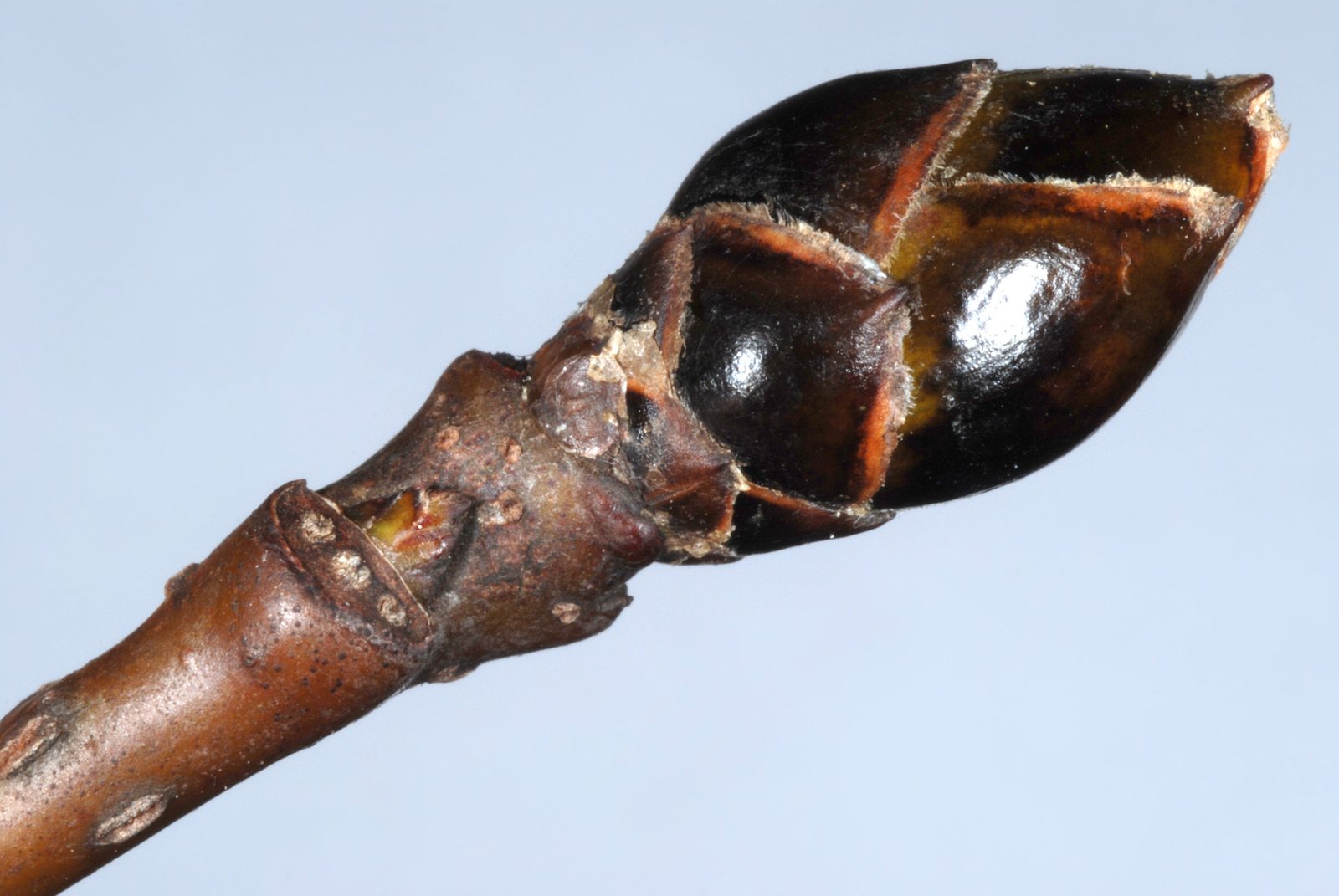
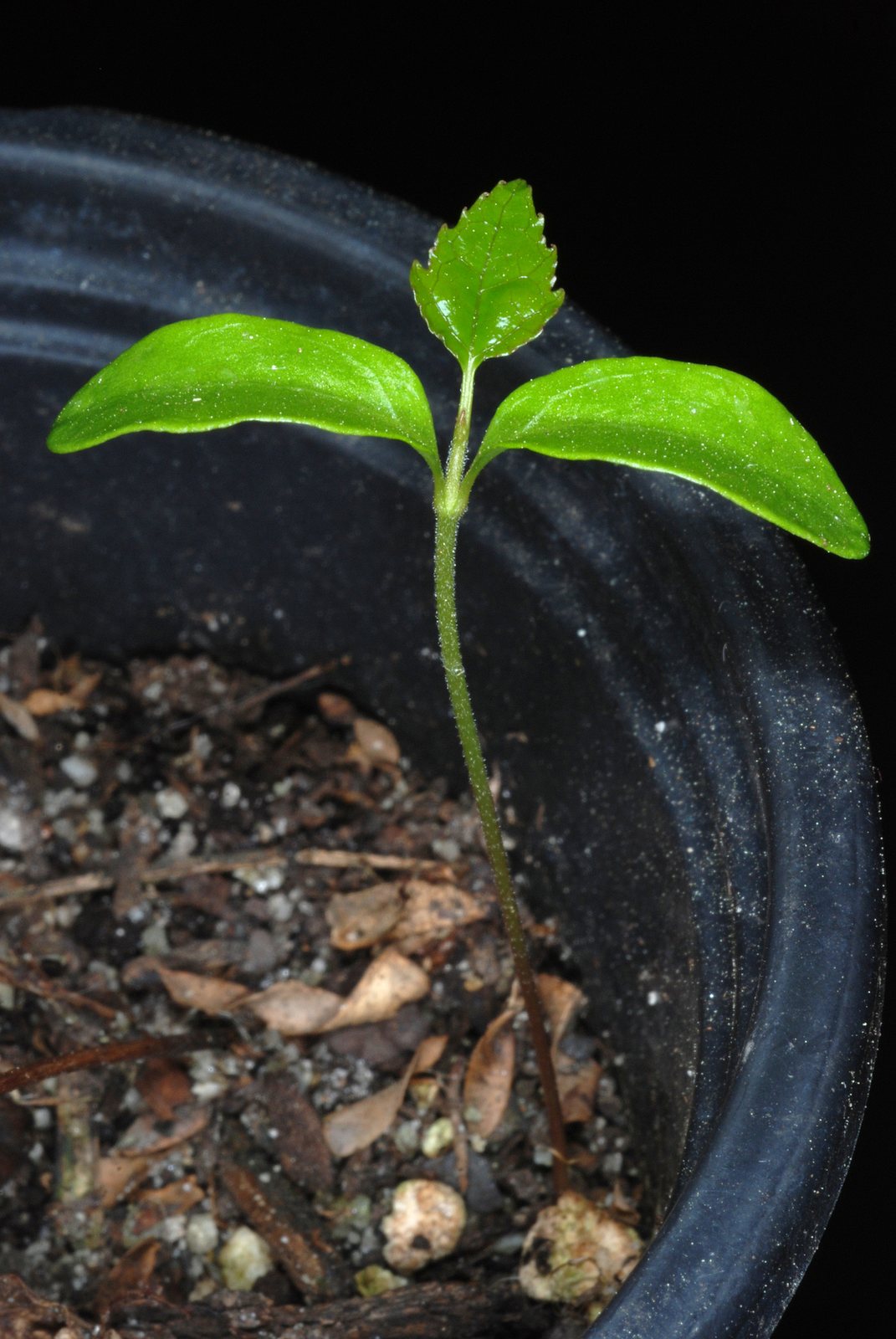
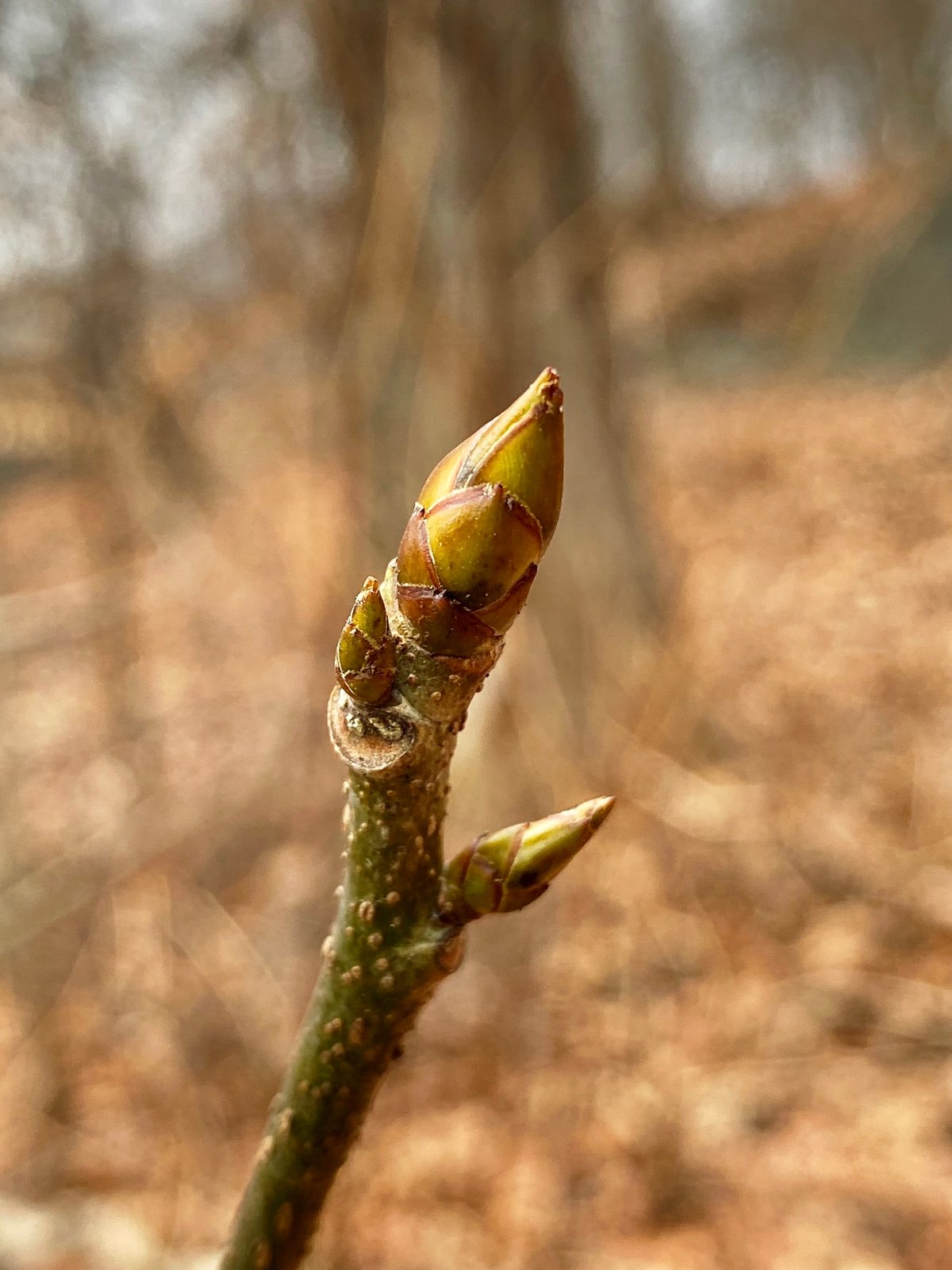
At a glance
- Sun
- Full sun for the strongest autumn colour; tolerates light partial shade.
- Water
- Moderate; prefers consistent moisture, especially while establishing. Established trees tolerate short dry periods but struggle with prolonged drought.
- Soil
- Deep, moist, well-drained, acidic to neutral soil. Tolerates clay if it is not compacted; alkaline soil can cause yellow leaves.
- Height
- 50-70 ft (15-21 m)
- Spread
- 20-30 ft (6-9 m)
- Foliage
- Glossy green, star-shaped leaves with five to seven rounded rather than sharply pointed lobes. Autumn colour varies with climate, soil and the season.
- Growth
- Moderate to fast once established.
- Care needed
- Medium
The year at a glance
- Heat tolerant
- Wildlife
| J | F | M | A | M | J | J | A | S | O | N | D | |
|---|---|---|---|---|---|---|---|---|---|---|---|---|
| Plant |
Northern hemisphere months. In Australia, shift them by six.
- Difficulty
- Moderate
- Toughness
- Fairly tough
Will it suit your garden?
Pick your zone, country, light and whether you have pets.
Full sun is 6 or more hours of direct sun a day, part shade 3 to 6 hours, shade under 3.
How it grows
Planting day
7 ft (2.2 m)
After 1 year
10 ft (3.2 m)
After 2 years
14 ft (4.1 m)
After 3 years
17 ft (5.1 m)
After 5 years
23 ft (7.1 m)
About 16 years to full size.
From a typical nursery size, at an average rate for this kind of plant. A rule of thumb, not a forecast.
Good to know
- Cats and dogs
- Safe
- Native to
- the US
- Growth rate
- Fast
Care
Jobs through the year
- WaterApr–May, Sep–Oct, every 14 days
- Deep-water established trees when soil is drying; check young trees more frequently.
- WaterJun–Aug, every 7 days
- Soak established trees during dry weather; maintain consistent moisture around young roots.
- MulchMar–Apr
- Maintain 5–8 cm of organic mulch; keep grass and mowers away from surface roots.
- PruneFeb
- Retain one leader, remove damaged or crossing branches, and cut off below-graft shoots.
- Water deeply during dry spells for the first two or three growing seasons, moistening the root ball and surrounding soil.
- Spread 2-3 in (5-8 cm) of organic mulch over the root area, keeping it clear of the trunk.
- Keep grass away from the trunk and avoid mowing over exposed surface roots.
- Feed only if growth is weak or a soil test identifies a deficiency; routine heavy feeding is unnecessary.
- Stake only if the root ball moves in the wind, and remove supports after the first growing season.
Pruning. Prune in late winter while dormant, removing dead, damaged or crossing branches and retaining one main leader. Make structural corrections while the tree is young; avoid topping or routine heavy crown reduction.
Through the year
- Autumn
- Plant while the soil is moist and workable in mild climates; allow ample space for the mature crown and roots.
- Late winter
- Check young trees for competing leaders and prune out damaged or poorly placed branches.
- Spring
- Plant in colder regions once the ground is workable, and renew mulch without covering the trunk flare.
- Late spring
- Inspect new leaves for yellowing between green veins, particularly on alkaline soil.
- Summer
- Water young trees deeply during dry weather and check that stakes or ties are not rubbing the bark.
- Late autumn
- Collect fallen leaves for leaf mould and remove any shoots growing from below the graft.
In the garden
- Use as a single specimen in a large lawn, where its rounded leaf lobes can be seen at close range.
- Place behind a broad shrub border to provide summer shade and a tall layer of autumn colour.
- Plant in a spacious woodland-edge scheme with acid-soil shrubs and shade-tolerant groundcover.
- Use as a shade tree where seed-ball litter would be unwelcome, while keeping its surface roots well away from paths and patios.
Garden styles it suits: Autumn colour, Woodland, Grand estate, Traditional, Architectural minimal and Family-friendly.
Plant it with: Witch hazel, Oakleaf hydrangea, Azalea, Flowering dogwood, Japanese forest grass and Christmas fern.
Wildlife: The crown provides shelter and nesting places for birds, and the foliage supports some leaf-feeding insects. Unlike ordinary sweetgum, this normally fruitless cultivar does not provide a dependable seed crop for birds.
Problems to watch for
- Iron chlorosis: leaves turn yellow between green veins on alkaline soil. Test soil pH; use an appropriate iron treatment for temporary relief, but avoid planting where soil is strongly alkaline.
- Drought stress and leaf scorch: leaf margins brown and foliage may fall early. Water deeply during prolonged dry weather and maintain an organic mulch.
- Surface roots lifting paving: allow a broad, unpaved root area from the outset. Do not cut major roots to repair a path; relocate the paving where possible.
- Scale insects: look for attached bumps on twigs, sticky honeydew or sooty mould. Preserve natural predators and use a labelled horticultural oil when needed, following local timing guidance.
Safety
Not known to be toxic to cats, dogs, horses or people. No part is generally recognised as poisonous, but the leaves, bark and resin are not intended as food.
Easily confused with
American sweetgum (Liquidambar styraciflua)
Ordinary sweetgum has sharply pointed leaf lobes and usually bears hard, spiky seed balls; 'Rotundiloba' has rounded lobes and is normally fruitless.
Field maple (Acer campestre)
Its leaves also have rounded lobes, but maple leaves grow in opposite pairs and its fruits are winged keys. Sweetgum leaves alternate along the twig.
The name
Liquidambar refers to the tree's liquid amber-like resin, sweetgum describes its fragrant gum, and 'Rotundiloba' means rounded-lobed.
Propagation. Usually propagated commercially by grafting or budding onto sweetgum rootstock. Seed will not reproduce this cultivar, and it normally produces no viable seed. Remove rootstock shoots, which can develop ordinary pointed leaves and eventually bear spiky fruit.
Checked against open data
- Accepted botanical name
- Liquidambar styraciflua
- In the US and Canada
- Native in the lower 48 states.
- Native range
- Alabama, Arkansas, Belize, Connecticut, El Salvador, Florida, Georgia, Guatemala, Honduras, Illinois, Indiana and Kentucky.
- Measured
- Soil pH 4.5 to 7. Average height 1840 cm.
Sources: GBIF (CC BY 4.0), USDA PLANTS and Trefle (CC BY 4.0). The care and design notes are LandscapeGPT's own.
See it in your own yard.
Upload a photo of your yard and see it redesigned with plants that suit your climate, each checked against your zone.