Rozanne cranesbill
Geranium 'Gerwat'. Family Geraniaceae. Perennial.
Also called Geranium Rozanne, Geranium 'Gerwat', Rozanne hardy geranium.
Rozanne is a hardy, clump-forming perennial with violet-blue flowers, white centres and a long flowering season. Its loose, spreading stems weave through neighbouring plants and soften border edges; allow it room so it does not smother smaller plants.
At a glance
- Sun
- Full sun to partial shade; afternoon shade helps in hot summers.
- Water
- Keep evenly moist while establishing. Once established, water deeply during prolonged dry spells; flowering slows if the soil becomes too dry.
- Soil
- Well-drained soil enriched with compost; tolerates clay, loam and sandy soils, and a broad pH range, provided drainage is adequate.
- Height
- 1.5-2 ft (0.45-0.6 m)
- Spread
- 2-3 ft (0.6-0.9 m)
- Flowers
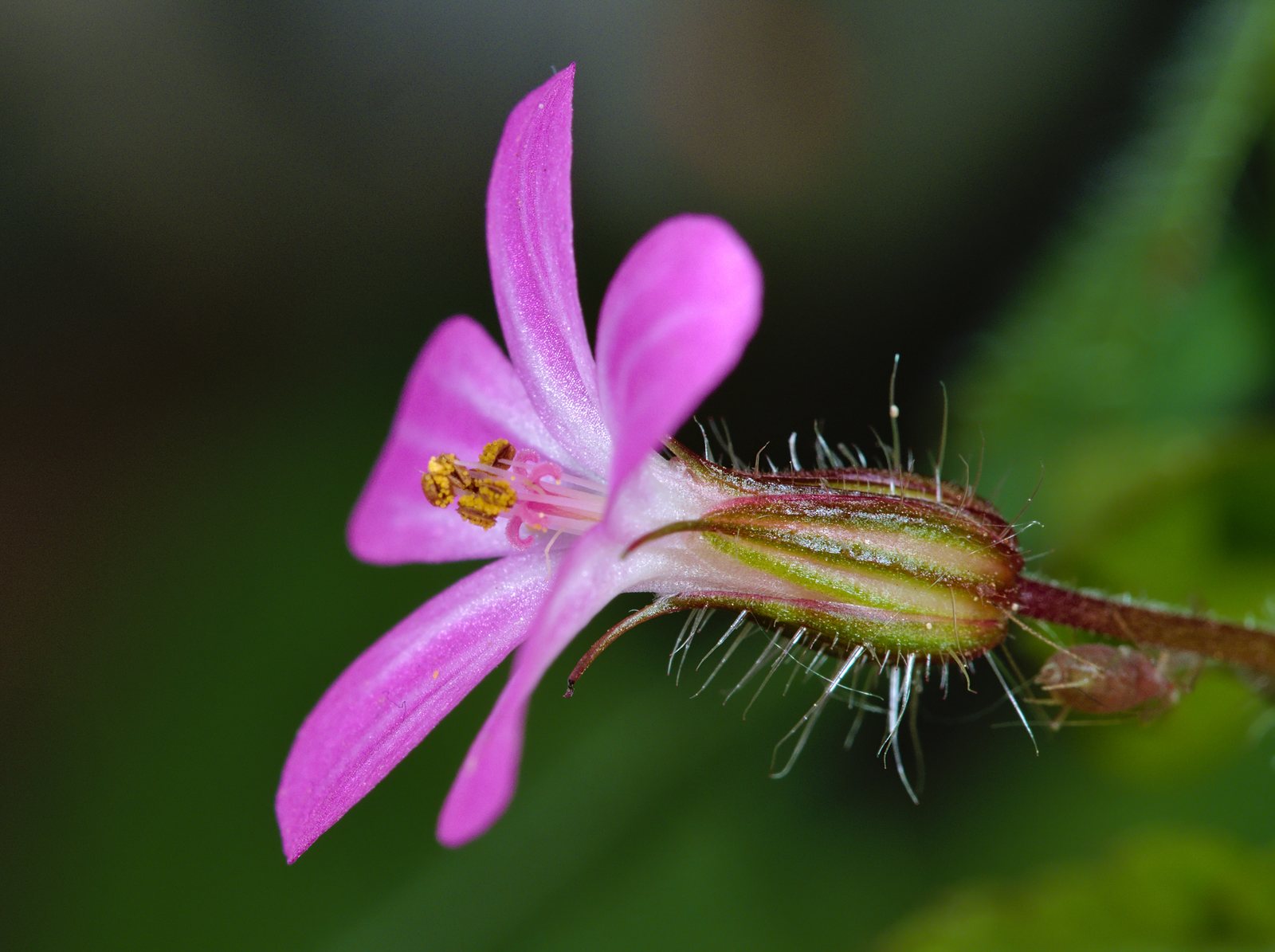
- Violet-blue flowers with white centres and purple veins from early summer into autumn, often until frost.
- Foliage
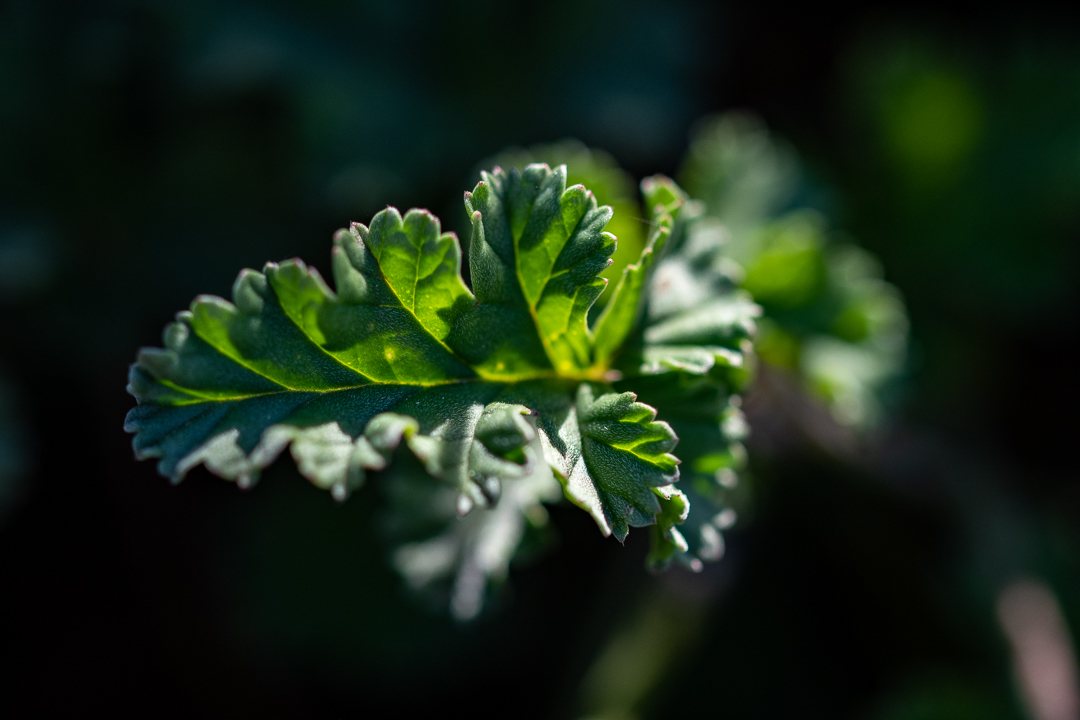
- Green, softly hairy, deeply lobed leaves, sometimes mottled with lighter green; foliage may turn reddish in autumn before dying back.
- Growth
- Moderate to fast during the growing season.
- Care needed
- Low
The year at a glance
- Pollinators
- Deer resistant
- Low allergen
| J | F | M | A | M | J | J | A | S | O | N | D | |
|---|---|---|---|---|---|---|---|---|---|---|---|---|
| Flowers | ||||||||||||
| Plant |
Northern hemisphere months. In Australia, shift them by six.
- Difficulty
- Easy
- Toughness
- Very tough
Will it suit your garden?
Pick your zone, country, light and whether you have pets.
Full sun is 6 or more hours of direct sun a day, part shade 3 to 6 hours, shade under 3.
How it grows
Planting day
1 ft (0.3 m)
After 1 year
1.3 ft (0.39 m)
After 2 years
1.6 ft (0.49 m)
After 3 years
1.7 ft (0.53 m)
full size
About 2 years to full size.
From a typical nursery size, at an average rate for this kind of plant. A rule of thumb, not a forecast.
Good to know
- Cats and dogs
- Safe
- Growth rate
- Fast
Care
Jobs through the year
- WaterApr–May, Sep–Oct, every 14 days
- Water established clumps if soil is dry; keep new plantings evenly moist.
- WaterJun–Aug, every 7 days
- Water established plants deeply during dry spells to sustain flowering; skip if rain keeps soil moist.
- MulchMar–Apr
- Top-dress with a thin layer of compost and refresh mulch without covering the crown.
- PruneFeb–Mar
- Remove dead stems and leaves before new shoots develop.
- PruneJul–Aug
- If growth becomes tired or sprawling, shorten stems and water to encourage fresh growth.
- DivideMar–Apr
- Divide established clumps only if crowded or needing relocation.
- Water newly planted clumps whenever the upper soil begins to dry, keeping the root zone moist but not saturated.
- Apply a thin layer of compost in spring; avoid heavy nitrogen feeding, which encourages sprawling leafy growth.
- Mulch around the plant to conserve moisture, keeping mulch clear of the crown.
- Allow space for trailing stems and redirect them away from small neighbouring plants; staking is usually unnecessary.
- Divide established clumps in spring only if they become crowded or need moving; regular division is not essential.
Pruning. Remove dead foliage in late winter or early spring before new growth develops. If growth becomes untidy in summer, shorten sprawling stems or shear the clump back and water it to encourage fresh growth; routine deadheading is unnecessary.
Through the year
- Late winter
- Clear away dead stems and leaves, taking care not to damage emerging shoots.
- Early spring
- Plant or move clumps when the soil is workable; divide established plants if needed.
- Spring
- Apply compost and refresh mulch, leaving the crown uncovered.
- Early summer
- Guide spreading stems between neighbours and away from paths or low-growing plants.
- Midsummer
- Water during dry spells; trim tired or sprawling growth if flowering and appearance decline.
- Autumn
- Leave healthy foliage until it dies back and check that winter rain can drain freely.
In the garden
- Plant along border edges where flowering stems can spill over paving without blocking the route.
- Weave between shrub roses to cover bare lower stems and extend colour beyond the main rose flush.
- Repeat through mixed perennial borders with salvias and ornamental grasses for a continuous blue thread.
- Use beneath open, sunlit shrubs as seasonal groundcover, leaving space around smaller plants.
Garden styles it suits: English country, Cottage garden, New perennial (prairie), Pollinator garden, Low-maintenance and Blues and silvers.
Plant it with: Shrub roses, Hardy salvias, Lady's mantle, Coneflowers, Feather reed grass and Japanese anemones.
Wildlife: The open flowers provide nectar and pollen for bees and other visiting insects. This sterile hybrid does not provide a useful seed crop for birds.
Problems to watch for
- Slugs and snails may damage young shoots: check emerging growth, remove pests by hand and use iron-phosphate bait according to the label if needed.
- Powdery mildew can develop during dry, stressed conditions: water the root zone, improve air circulation and remove badly affected foliage.
- Crown or root rot in waterlogged soil: improve drainage or move the plant to a raised position; avoid keeping the crown wet.
- Sparse flowers and floppy growth in deep shade: move to a brighter position and avoid excessive feeding.
Safety
Not known to be toxic to cats, dogs, horses or people; no part is established as poisonous. It is an ornamental rather than a food plant. Do not confuse hardy Geranium with Pelargonium, also commonly called geranium, which can be toxic to pets.
Easily confused with
Johnson's Blue cranesbill (Geranium 'Johnson's Blue')
Usually has a much shorter main flowering period in late spring and early summer, with blue flowers lacking Rozanne's large, contrasting white centre.
Bloody cranesbill (Geranium sanguineum)
Generally forms a lower, tighter mound with more finely divided leaves and pink, magenta or white flowers rather than Rozanne's violet-blue blooms.
The name
Geranium comes from the Greek geranos, meaning crane, referring to the beak-shaped fruits characteristic of the genus.
Propagation. This sterile hybrid does not come from seed. Propagate by careful spring division or suitable basal cuttings; check current plant breeders' rights or patent restrictions in your country before propagating.
Checked against open data
- Accepted botanical name
- Geranium
Sources: GBIF (CC BY 4.0). The care and design notes are LandscapeGPT's own.
See it in your own yard.
Upload a photo of your yard and see it redesigned with plants that suit your climate, each checked against your zone.