Ruby loropetalum
Loropetalum chinense 'Ruby'. Family Hamamelidaceae. Shrub.
Also called Ruby Chinese fringe flower, Ruby fringe flower.
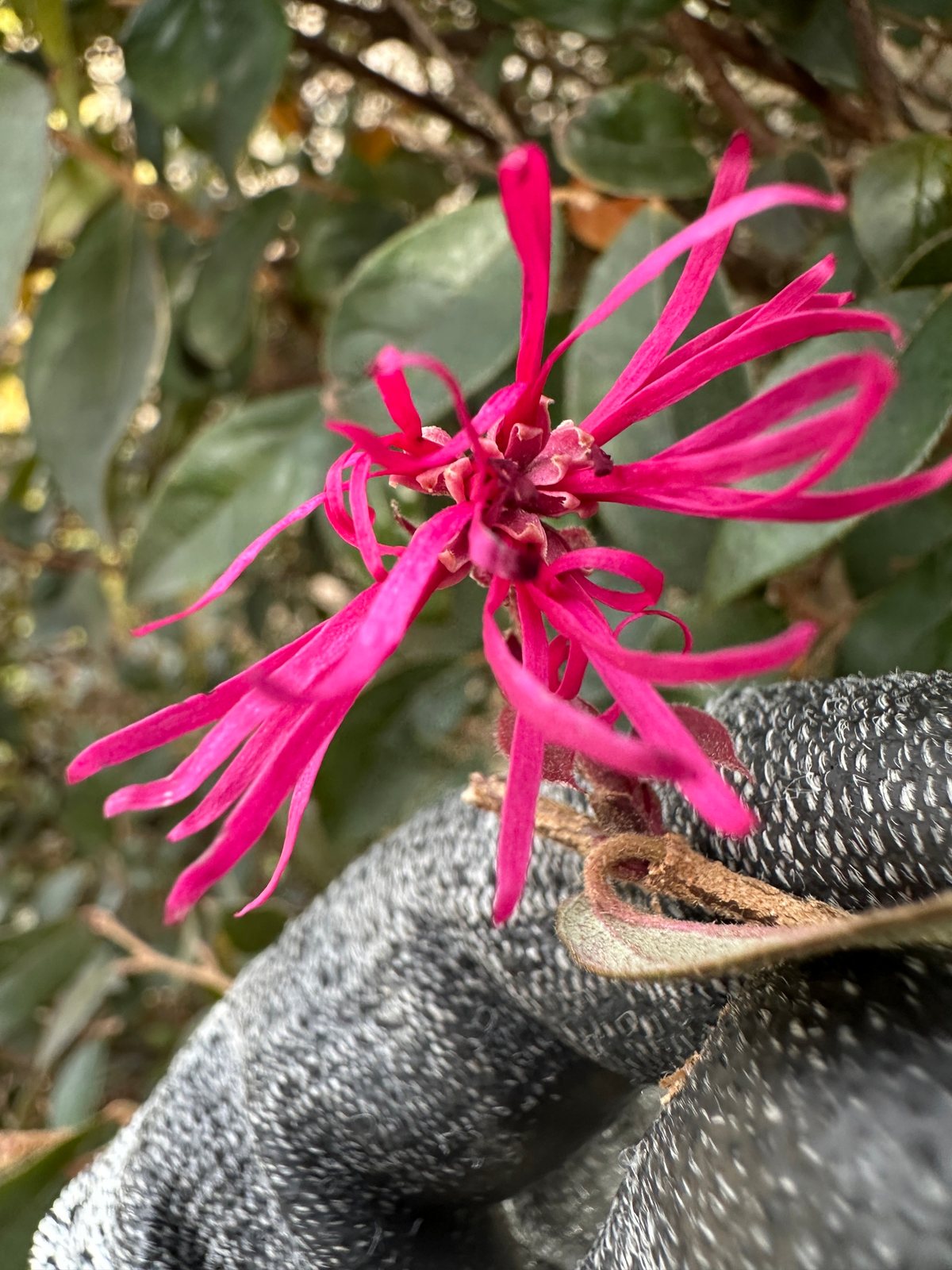
Ruby loropetalum is a rounded evergreen shrub grown for its pink, ribbon-like flowers and reddish-purple young leaves. It suits borders, foundation planting and informal hedges in mild climates, but needs shelter from cold winds near the colder end of its range.
At a glance
- Sun
- Full sun to partial shade; morning sun with afternoon shade is helpful in hot climates. Too much shade reduces flowering and purple leaf colour.
- Water
- Keep evenly moist while establishing. Once rooted, water deeply during prolonged dry spells; avoid constantly wet soil.
- Soil
- Acidic, humus-rich, well-drained soil, ideally around pH 5.0-6.5. Alkaline soil can cause yellow leaves and poor growth.
- Height
- 4-6 ft (1.2-1.8 m)
- Spread
- 4-6 ft (1.2-1.8 m)
- Flowers
- Clusters of bright pink, narrow-petalled flowers in spring, sometimes with lighter repeat flowering later in the year.
- Foliage
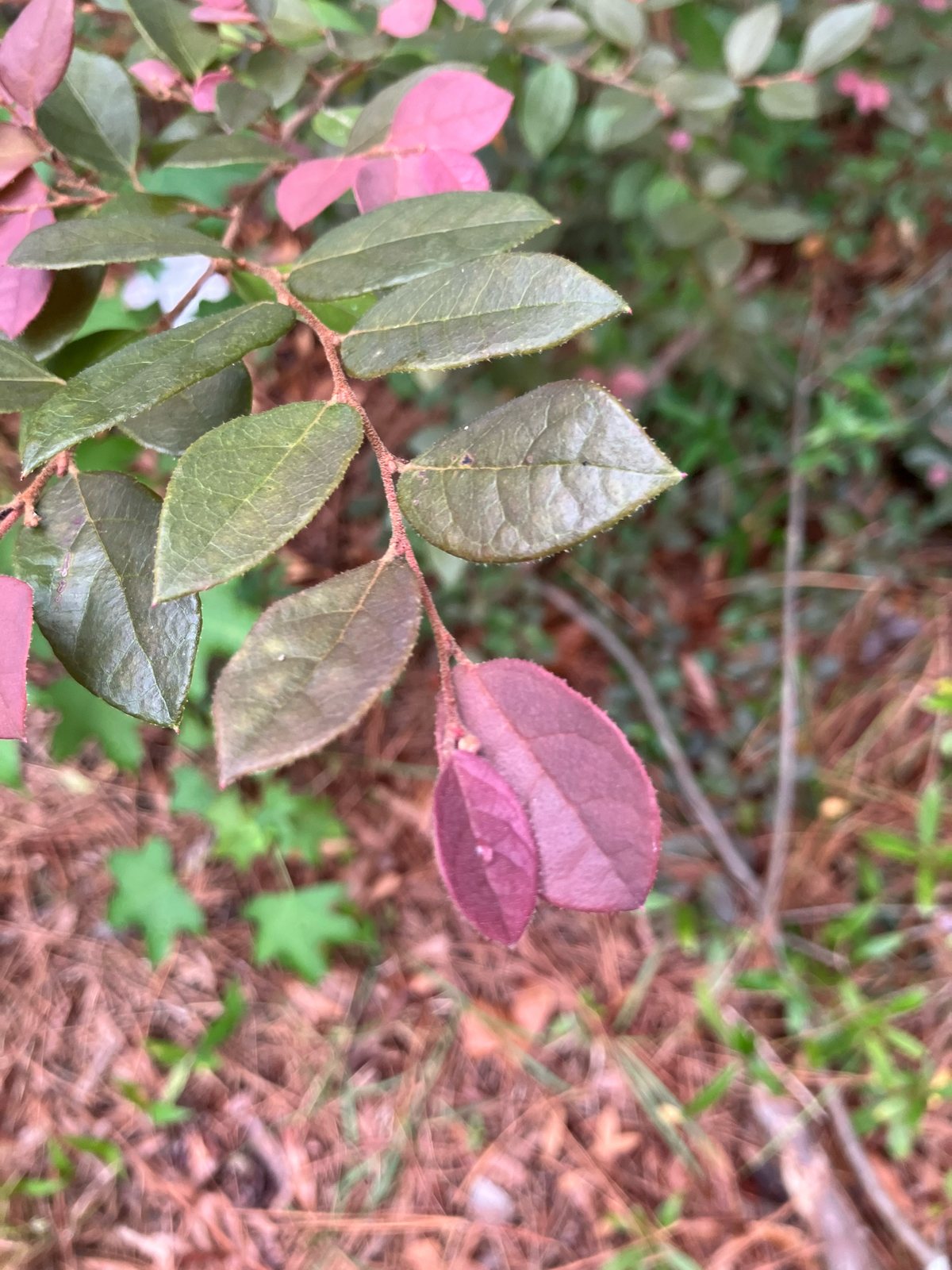
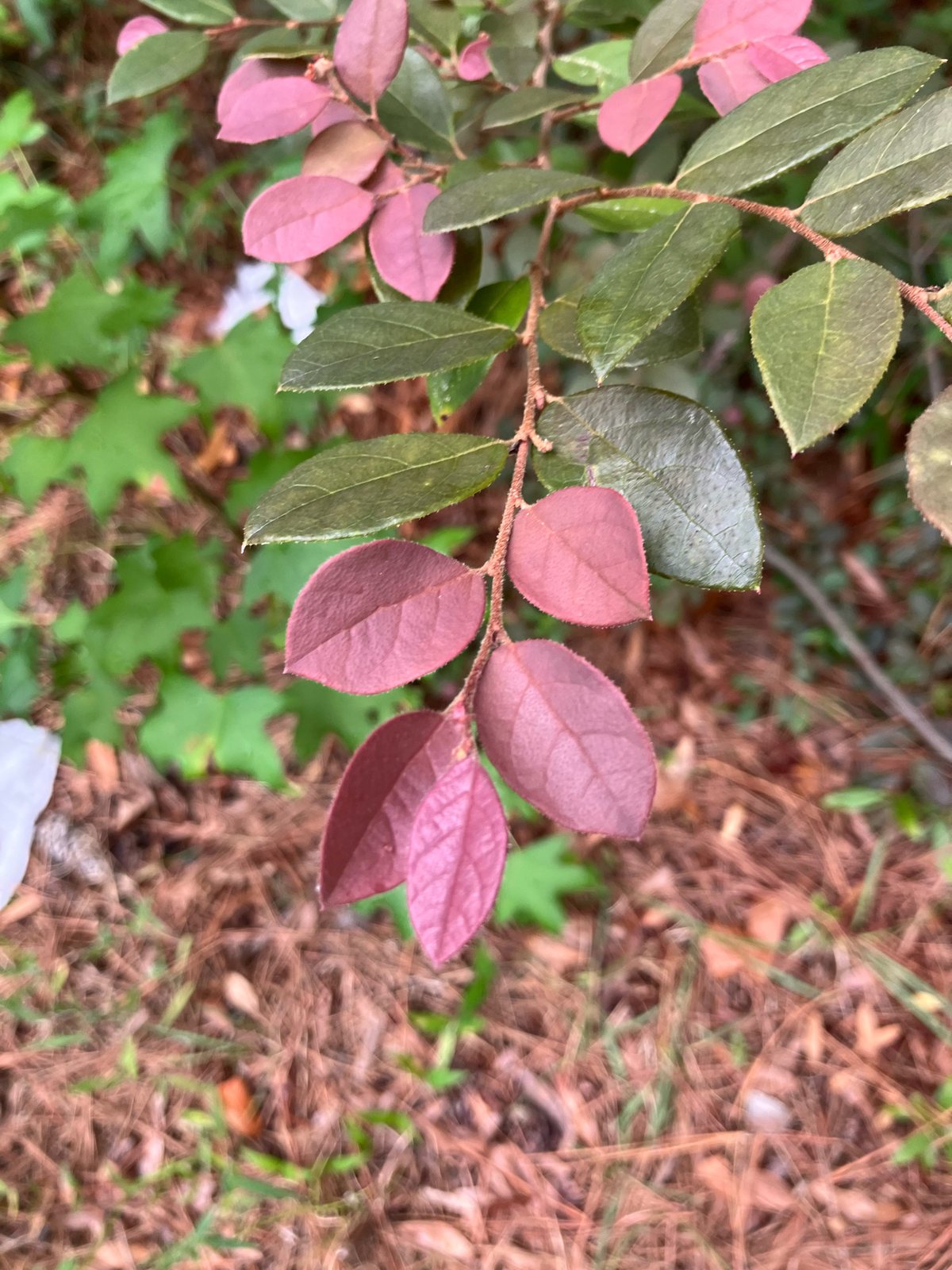
- Evergreen. Small, oval leaves emerge ruby-red to reddish purple, then mature towards dark burgundy or olive-green. Colour varies with light, temperature and leaf age.
- Growth
- Moderate, becoming faster in warm conditions with adequate moisture.
- Care needed
- Low
The year at a glance
- Pollinators
- Deer resistant
- Heat tolerant
- Wildlife
- Low allergen
| J | F | M | A | M | J | J | A | S | O | N | D | |
|---|---|---|---|---|---|---|---|---|---|---|---|---|
| Flowers | ||||||||||||
| Plant |
Northern hemisphere months. In Australia, shift them by six.
- Difficulty
- Moderate
- Toughness
- Fairly tough
Will it suit your garden?
Pick your zone, country, light and whether you have pets.
Full sun is 6 or more hours of direct sun a day, part shade 3 to 6 hours, shade under 3.
How it grows
Planting day
1.6 ft (0.5 m)
After 1 year
2.5 ft (0.75 m)
After 2 years
3 ft (1 m)
After 3 years
4 ft (1.3 m)
After 5 years
5 ft (1.5 m)
full size
About 4 years to full size.
From a typical nursery size, at an average rate for this kind of plant. A rule of thumb, not a forecast.
Good to know
- Cats and dogs
- Safe
- Growth rate
- Fast
Care
Jobs through the year
- WaterApr–May, Sep–Oct, every 14 days
- Water established plants deeply if soil is drying; young plants need more frequent watering.
- WaterJun–Aug, every 7 days
- Water established plants deeply during dry weather; avoid watering already moist soil.
- FeedApr
- Apply a modest slow-release feed for acid-loving shrubs only if growth is weak.
- MulchMar–Apr
- Maintain 5–8 cm of organic mulch, keeping the stem bases uncovered.
- PruneMay–Jun
- Lightly shape after the main spring flowering and remove winter-killed shoots; avoid hard shearing.
- ProtectJan–Mar, Nov–Dec
- Shelter from cold winds and hard freezes; use bright frost-free container storage in zone 6.
- Plant with the top of the root ball level with, or slightly above, the surrounding soil.
- Water deeply through the first growing season, allowing the surface soil to begin drying between waterings.
- Spread 2-3 in (5-8 cm) of organic mulch over the root zone, keeping it clear of the stems.
- Apply a modest amount of slow-release fertiliser for acid-loving shrubs in spring if growth is weak.
- Choose a sheltered position in colder areas and protect young plants during severe freezes.
Pruning. Prune just after the main spring flowering, shortening stray shoots and removing dead or damaged wood. Avoid repeated hard shearing, which spoils the natural shape and can remove developing flower buds.
Through the year
- Spring
- Plant once the soil is workable and severe frost has passed; water thoroughly.
- Spring
- Refresh mulch and feed lightly if needed.
- Late spring
- After flowering, lightly shape the shrub and remove winter-damaged shoots.
- Summer
- Water during extended dry weather and check pale or declining plants for drainage or soil-pH problems.
- Autumn
- Avoid hard pruning and nitrogen-rich feeding that encourage frost-tender growth.
- Winter
- Protect young plants from severe freezes and drying winds; check that the root zone is not waterlogged.
In the garden
- Plant as an informal hedge, allowing enough space for its rounded mature outline.
- Use beside pale-flowered azaleas or white camellias for contrast with the dark young foliage.
- Place in a foundation border where its evergreen framework remains visible through winter.
- Combine with ferns and Japanese forest grass along a lightly shaded woodland edge.
Garden styles it suits: Southern, Traditional, Woodland, Modern courtyard, Japanese and Low-maintenance.
Plant it with: Azaleas, Camellias, Japanese pieris, Japanese forest grass, Autumn fern and Lilyturf.
Wildlife: Flowers provide some food for visiting insects, and dense evergreen growth offers shelter for small birds.
Problems to watch for
- Yellow leaves with green veins often indicate nutrient lock-up in alkaline soil: test the soil, correct unsuitable conditions and use chelated iron only as a targeted treatment.
- Root rot and dieback occur in poorly drained soil: improve drainage, reduce watering and replace badly affected plants rather than replanting into the same wet conditions.
- Spider mites can cause stippled, dull foliage in hot, dry weather: rinse leaf undersides and use an appropriate insecticidal soap if an infestation persists.
- Cold winds and hard freezes can scorch leaves or kill shoots: provide shelter and wait until spring growth begins before cutting back to healthy wood.
Safety
Not known to be toxic to people, cats, dogs or horses, and no particular part is recognised as poisonous. Species-specific information for horses is limited; it is an ornamental plant, not food or forage.
Easily confused with
Other purple-leaved loropetalums (Loropetalum chinense var. rubrum cultivars)
Many have nearly identical flowers and young foliage. 'Ruby' usually forms a rounded shrub with leaves that become greener as they age, but a reliable nursery label is the best way to confirm the cultivar.
Chinese fringe tree (Chionanthus retusus)
This is a deciduous small tree with green leaves and white fringed flowers, rather than an evergreen shrub with pink flowers.
Purple-leaved Japanese barberry (Berberis thunbergii purple-leaved cultivars)
Barberry has sharp stem spines, small yellow flowers and deciduous leaves; loropetalum has unarmed stems and pink ribbon-like petals.
The name
Loropetalum comes from Greek words meaning strap and petal, referring to the narrow flower petals; chinense means Chinese, and 'Ruby' refers to the reddish colouring.
Propagation. Take semi-ripe cuttings in summer and root them in a moist, free-draining medium with humidity and gentle warmth. Seed will not reliably reproduce the characteristics of 'Ruby'.
Checked against open data
- Accepted botanical name
- Loropetalum chinense
- Native range
- Assam, China South-Central, China Southeast, Japan, Taiwan and Thailand.
- Measured
- Average height 820 cm.
Sources: GBIF (CC BY 4.0) and Trefle (CC BY 4.0). The care and design notes are LandscapeGPT's own.
See it in your own yard.
Upload a photo of your yard and see it redesigned with plants that suit your climate, each checked against your zone.