Russian arborvitae
Microbiota decussata. Family Cupressaceae. Shrub.
Also called Siberian carpet cypress, Russian cypress, Siberian arborvitae.
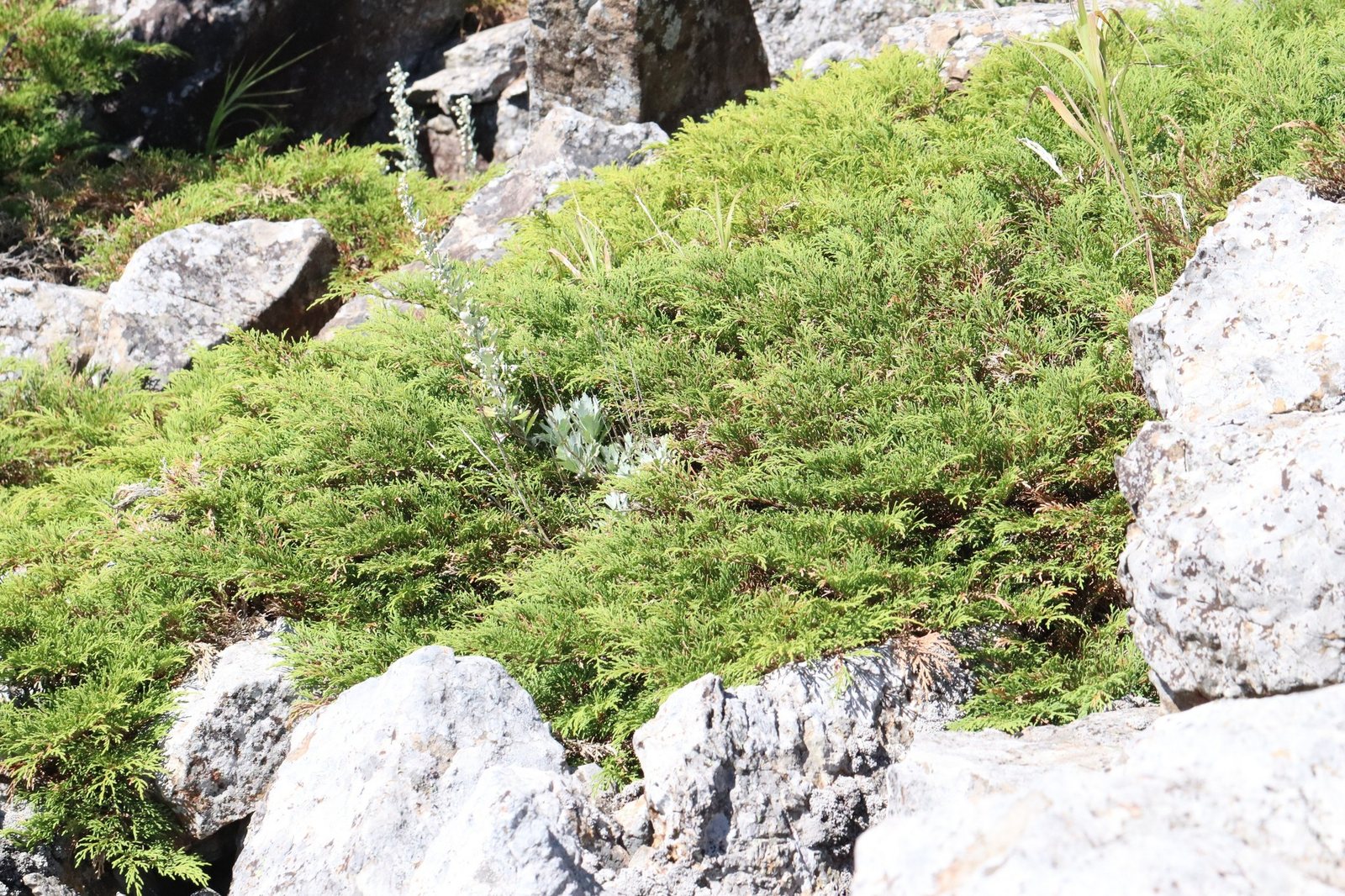
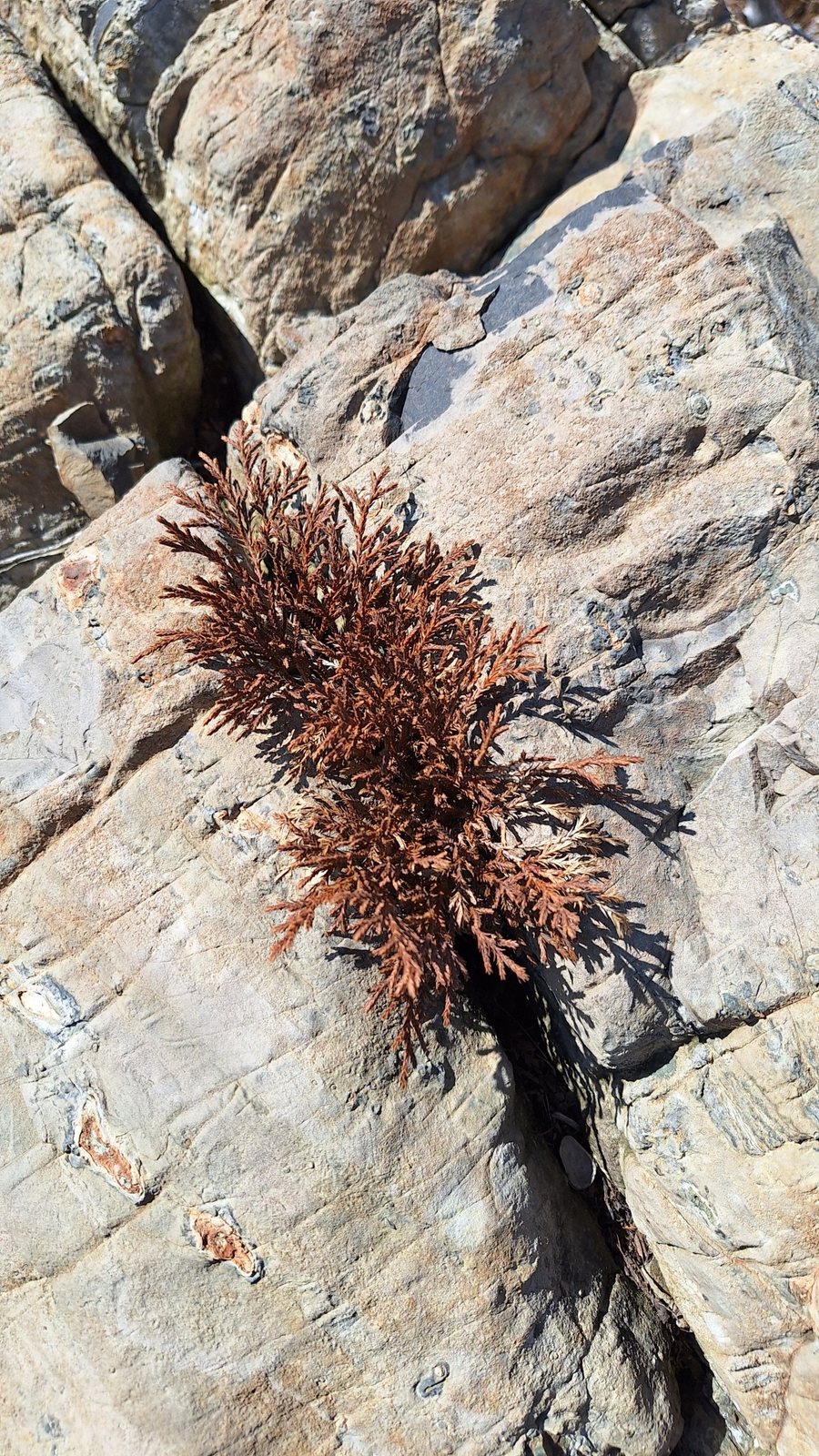
Russian arborvitae is a low, spreading evergreen conifer from the Russian Far East, grown for its soft, overlapping sprays of foliage. It makes a broad groundcover in cool gardens and turns bronze or purplish brown in winter before greening again in spring. It tolerates partial shade well but struggles in hot, humid climates and poorly drained soil.
At a glance
- Sun
- Full sun to partial shade; afternoon shade is helpful toward the warmer end of its range.
- Water
- Keep evenly moist while establishing; once established, water deeply during extended dry spells. Avoid constantly wet soil.
- Soil
- Well-drained, humus-rich soil, preferably slightly acidic to neutral; drainage matters more than soil texture.
- Height
- 1-2 ft (0.3-0.6 m)
- Spread
- 6-12 ft (1.8-3.7 m)
- Foliage
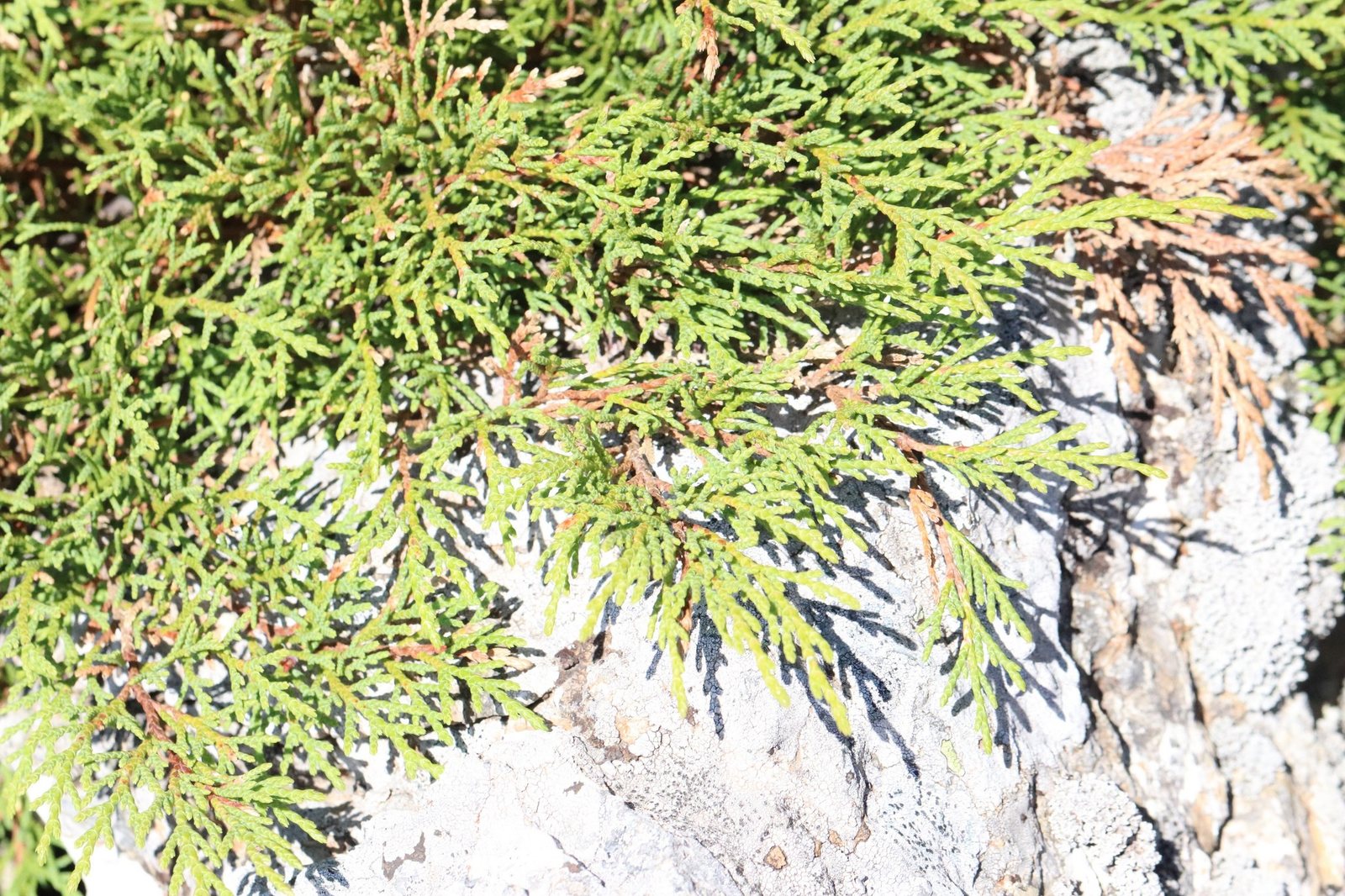
- Evergreen. Soft, scale-like green leaves in flattened, feathery sprays; foliage commonly turns bronze to purplish brown in cold weather.
- Growth
- Slow to moderate; allow several years for plants to form a broad carpet.
- Care needed
- Low
The year at a glance
- Cold hardy
- Wildlife
| J | F | M | A | M | J | J | A | S | O | N | D | |
|---|---|---|---|---|---|---|---|---|---|---|---|---|
| Plant |
Northern hemisphere months. In Australia, shift them by six.
- Difficulty
- Easy
- Toughness
- Fairly tough
Will it suit your garden?
Pick your zone, country, light and whether you have pets.
Full sun is 6 or more hours of direct sun a day, part shade 3 to 6 hours, shade under 3.
How it grows
Planting day
1.5 ft (0.45 m)
full size
About 7 years to full size.
From a typical nursery size, at an average rate for this kind of plant. A rule of thumb, not a forecast.
Good to know
- Cats and dogs
- Safe
- Growth rate
- Slow
Care
Jobs through the year
- WaterApr–May, Sep–Nov, every 14 days
- Water established plants if soil is dry; keep roots evenly moist for the first two years.
- WaterJun–Aug, every 10 days
- Water deeply during extended dry spells; allow drainage and water young plants more often.
- PruneApr–May
- Remove dead shoots and shorten stray tips to leafy side shoots; never cut into bare wood.
- MulchMay
- Maintain 5–8 cm of organic mulch, clear of the main stems.
- ProtectJan–Feb, Nov–Dec
- Avoid walking on branches or piling cleared snow over them; winter bronzing is normal.
- Plant with the top of the root ball level with the surrounding soil, allowing room for its full spread.
- Check soil moisture during the first two growing seasons and water deeply when the root zone begins to dry.
- Apply 2-3 in (5-8 cm) of organic mulch, keeping it clear of the main stems.
- Avoid planting where water collects; improve drainage or use a raised planting area on heavy soil.
- Feed only if growth is weak and a soil test indicates a need; avoid heavy nitrogen feeding.
Pruning. In spring, remove dead or damaged shoots once new growth makes their condition clear. If necessary, shorten stray tips back to a leafy side shoot; avoid shearing or cutting into bare old wood, which may not regrow.
Through the year
- Spring
- Check for winter damage as green growth returns, and remove only shoots that are genuinely dead.
- Spring
- Plant in well-drained soil and water thoroughly; spring planting is especially useful in very cold districts.
- Late spring
- Refresh mulch and remove weeds before spreading branches make access difficult.
- Summer
- Water during prolonged dry weather and check for browning associated with heat or dry roots.
- Autumn
- Water before the ground freezes if autumn has been dry, and clear heavy accumulations of fallen leaves from the foliage.
- Winter
- Expect bronze foliage; avoid walking on or piling cleared snow over the branches.
In the garden
- Use as a continuous evergreen groundcover beneath widely spaced deciduous trees where the soil is not excessively dry.
- Let branches spill over low retaining walls or soften the edges of steps and terraces.
- Plant on well-drained banks for low cover that needs little pruning.
- Combine with upright conifers, ferns and broad-leaved perennials for contrasting shapes and textures.
- Use its winter bronze colour beside pale stone or green-foliaged evergreens.
Garden styles it suits: Woodland, Japanese, Low-maintenance, Winter interest, Mountain lodge and Pacific Northwest woodland.
Plant it with: Hostas, Epimediums, Japanese painted ferns, Siberian bugloss, Hellebores and Dwarf spruces.
Wildlife: Dense branches provide low shelter for small animals and invertebrates. It is wind-pollinated and is not a useful nectar plant.
Problems to watch for
- Root rot in wet soil: improve drainage and reduce watering; replace badly affected plants rather than replanting into the same waterlogged conditions.
- Heat and drought browning: water deeply during dry spells, mulch the root zone and provide afternoon shade in warmer gardens.
- Winter drying or scorch: water during dry autumn weather and shelter exposed plants from strong, drying winds. Normal, even winter bronzing is not a disease.
Safety
Not known to be toxic to cats, dogs, horses or people, but species-specific information is limited. No particular part is established as poisonous; foliage and cones are not food, and ingestion may cause digestive upset.
Easily confused with
Creeping juniper (Juniperus horizontalis)
Both form low evergreen mats and may bronze in winter. Creeping juniper generally has finer, less distinctly flattened shoots, often with prickly juvenile leaves, and female plants may carry blue, berry-like cones;
Hinoki cypress (Chamaecyparis obtusa)
Dwarf forms can have a similar layered outline, but Hinoki cypress has thicker, rounded, shell-like foliage fans with conspicuous whitish markings beneath. Russian arborvitae has flatter, more open, feathery sprays.
The name
Microbiota refers to its resemblance to a small Biota, an older name used for Oriental arborvitae, while decussata describes the opposite leaf pairs set at right angles to one another.
Propagation. Take semi-ripe cuttings in late summer and root them in a free-draining medium under humid conditions; rooting can be slow. Low branches can also be layered. Seed propagation is slow and seed is not commonly available.
Checked against open data
- Accepted botanical name
- Microbiota decussata
- Native range
- Primorye.
Sources: GBIF (CC BY 4.0) and Trefle (CC BY 4.0). The care and design notes are LandscapeGPT's own.
See it in your own yard.
Upload a photo of your yard and see it redesigned with plants that suit your climate, each checked against your zone.