Salad burnet
Sanguisorba minor. Family Rosaceae. Perennial.
Also called Small burnet, Garden burnet.
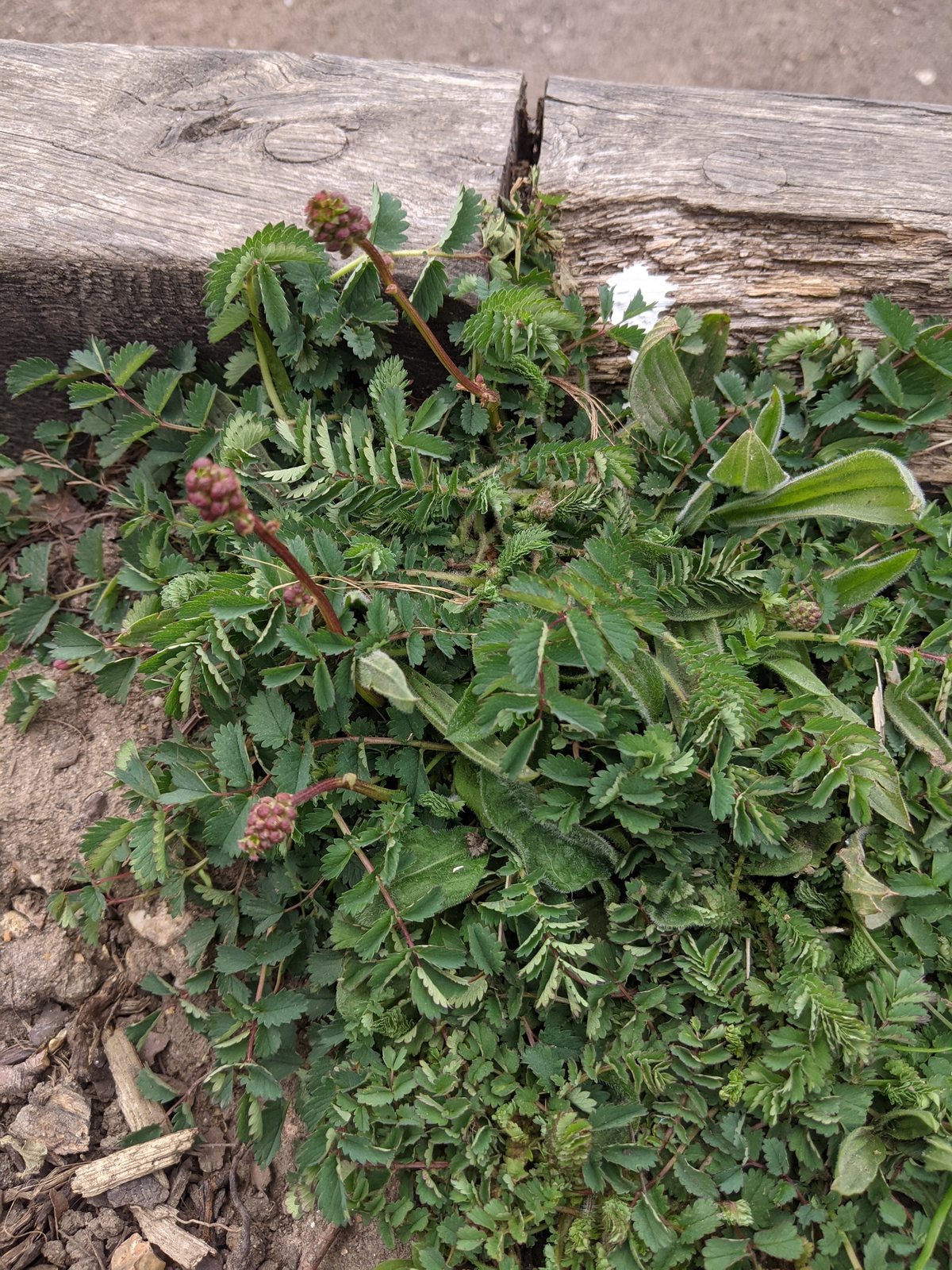
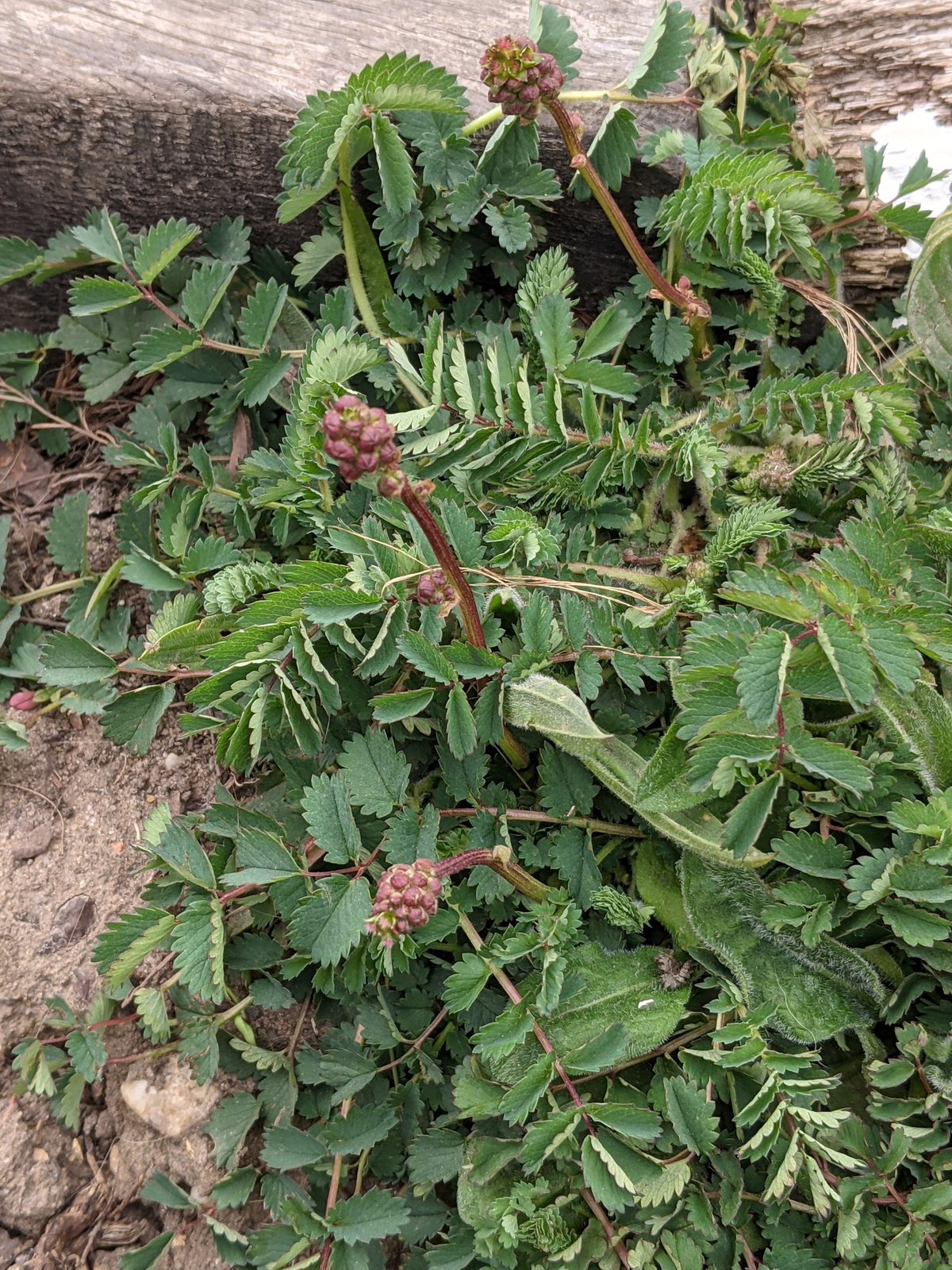
Salad burnet is a clump-forming culinary herb with finely divided leaves that taste mildly of cucumber. Grow it for fresh salad leaves, neat edging and its tolerance of dry, chalky soil; foliage often stays green through mild winters.
At a glance
- Sun
- Full sun; tolerates light shade, especially where summers are hot.
- Water
- Water regularly while establishing. Established plants tolerate drought, but occasional deep watering keeps leaves tender.
- Soil
- Well-drained soil, including sandy, stony and chalky ground; prefers neutral to alkaline conditions. Avoid waterlogged soil.
- Height
- 1-2 ft (0.3-0.6 m), including flower stems
- Spread
- 1-2 ft (0.3-0.6 m)
- Flowers
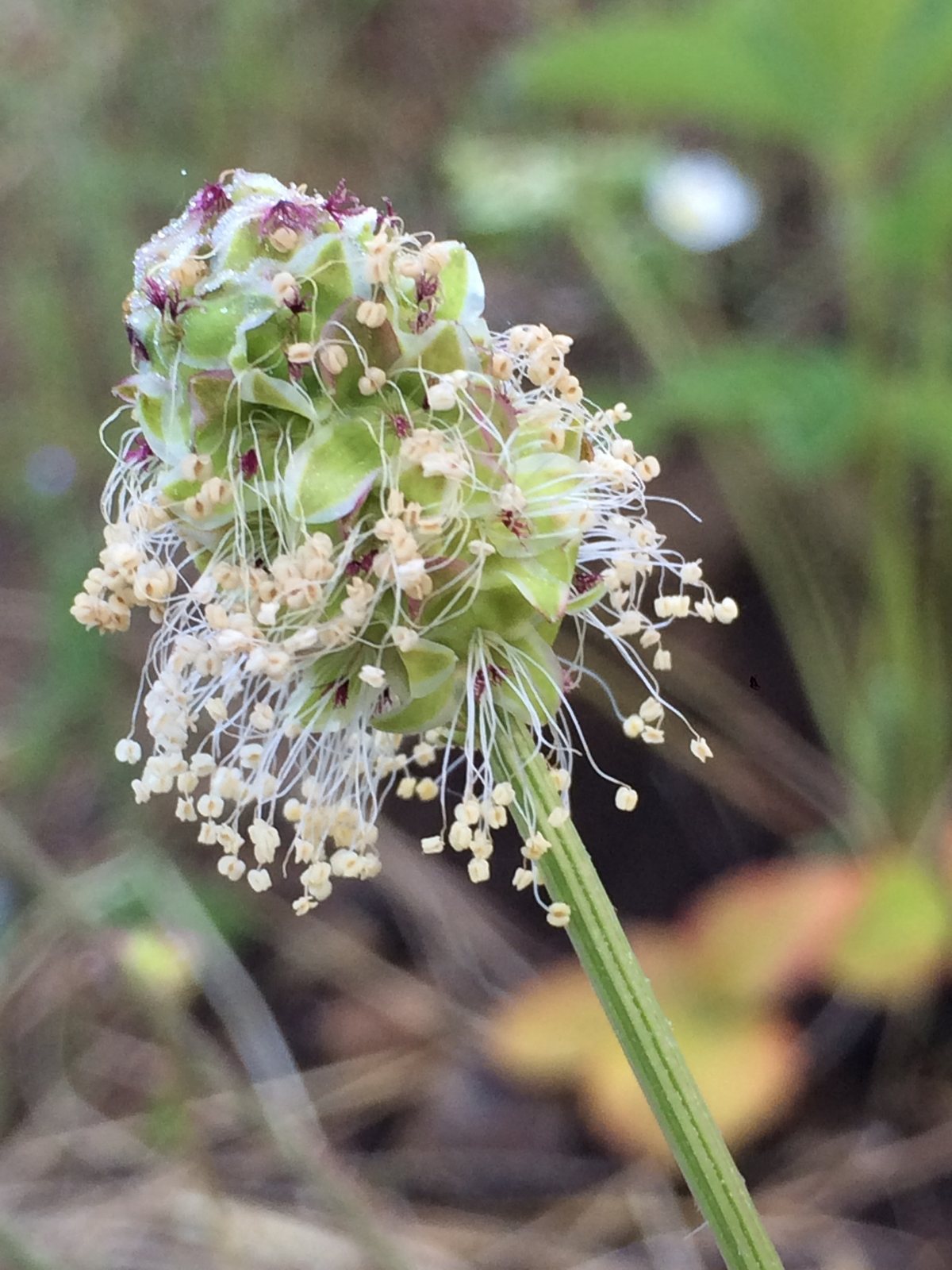
- Late spring to summer; small, rounded greenish flower heads with reddish-purple details on slender stems.
- Foliage
- Low rosettes of pinnate leaves with small, rounded, toothed leaflets; young leaves have a mild cucumber flavour.
- Growth
- Moderate
- Care needed
- Low
The year at a glance
- Drought tolerant
- Cold hardy
- Edible
| J | F | M | A | M | J | J | A | S | O | N | D | |
|---|---|---|---|---|---|---|---|---|---|---|---|---|
| Flowers | ||||||||||||
| Plant |
Northern hemisphere months. In Australia, shift them by six.
- Difficulty
- Easy
- Toughness
- Very tough
Will it suit your garden?
Pick your zone, country, light and whether you have pets.
Full sun is 6 or more hours of direct sun a day, part shade 3 to 6 hours, shade under 3.
How it grows
Planting day
1 ft (0.3 m)
After 1 year
1.1 ft (0.35 m)
After 2 years
1.3 ft (0.4 m)
After 3 years
1.5 ft (0.45 m)
full size
About 3 years to full size.
From a typical nursery size, at an average rate for this kind of plant. A rule of thumb, not a forecast.
Good to know
- Cats and dogs
- Safe
- In the garden
- Spreads vigorously: plan to contain it.
- Growth rate
- Moderate
Care
Jobs through the year
- WaterApr–May, Sep–Oct, every 14 days
- Water established plants if soil is dry; young plants need more frequent watering.
- WaterJun–Aug, every 7 days
- Water deeply in dry weather to maintain tender leaves; skip when rain suffices.
- PruneMar
- Remove winter-damaged leaves without damaging the central crown.
- MulchMar–Apr
- Apply a light compost dressing around, but not over, the crown.
- DivideMar–Apr
- Divide crowded or weakening clumps only when needed.
- HarvestApr–Oct, every 7 days
- Snip tender outer leaf stems for fresh use, leaving the centre to regrow.
- PruneMay–Jul, every 14 days
- Remove emerging flower stems if leaf production is the priority.
- PruneJul–Aug
- Trim coarse, tired foliage and water to encourage tender regrowth.
- ProtectOct–Nov
- Clear wet debris from the crown while retaining healthy leaves.
- Water new plants during dry spells until their roots are established.
- Give established plants a deep drink during prolonged drought if you want regular leaf harvests.
- Avoid heavy feeding; a light spring dressing of compost is usually enough.
- Keep mulch away from the crown and improve drainage where winter soil stays wet.
- Divide crowded clumps in spring if growth becomes weak or the centre opens up.
Pruning. Remove flower stems as they appear if leaf production is your priority, or cut them before seed ripens to limit self-seeding. Trim tired foliage after flowering and water to encourage fresh growth; remove winter-damaged leaves in early spring.
Harvest
Pick young, tender leaves once plants are growing strongly, preferably before flowering, when their flavour is freshest. Snip outer leaf stems near the base, leaving the centre to regrow, and use the leaves fresh because drying preserves little flavour.
Through the year
- Early spring
- Remove damaged foliage and divide established clumps if needed.
- Spring
- Sow seed or plant young plants in well-drained soil; water while they establish.
- Late spring
- Begin picking young leaves and remove emerging flower stems if growing mainly for food.
- Summer
- Water during prolonged dry weather and trim coarse foliage to encourage tender regrowth.
- Late summer
- Remove spent flower heads before seeds scatter, unless you want seedlings.
- Autumn
- Weed around the rosettes and clear wet debris from the crowns; retain healthy green leaves.
In the garden
- Edge herb beds or vegetable plots with low, rounded clumps that are easy to harvest.
- Combine with thyme, sage and lavender in a sunny, well-drained herb garden.
- Use beside paths in gravel gardens for fine-textured foliage and airy summer flowers.
- Plant in a mixed edible border with chives and other compact culinary herbs.
Garden styles it suits: Potager (kitchen garden), Herb parterre, Cottage garden, Dry gravel garden, Edible landscape and Sensory garden.
Plant it with: Thyme, Sage, Lavender, Chives, Oregano and Yarrow.
Wildlife: The mainly wind-pollinated flowers are not a major nectar source. Low clumps provide some shelter for small garden invertebrates.
Problems to watch for
- Crown or root rot in wet soil: improve drainage, keep the crown clear of mulch and move plants out of winter-wet ground.
- Slugs and snails on young growth: inspect after dark, remove them by hand and reduce nearby damp hiding places.
- Coarse, bitter leaves during heat or drought: cut back tired growth and water deeply to encourage fresh leaves.
- Unwanted seedlings: remove flower heads before seed ripens and pull seedlings while small.
Safety
Not known to be toxic to people, cats, dogs or horses. The leaves are edible, and the plant is also used as forage; no part is generally recognised as poisonous.
Where it spreads. Can self-seed freely on dry, open ground. It is naturalized in parts of the western United States and southern Australia; check local weed guidance before allowing it to seed near native grassland.
Easily confused with
Great burnet (Sanguisorba officinalis)
Usually much taller, with larger leaflets and dark crimson, oval flower heads; it prefers moister soil.
Fodder burnet (Sanguisorba minor subsp. muricata)
A closely related subspecies often sold for pasture. Its foliage is very similar; mature fruits have more conspicuous ridges and projections, so leaves alone are not a reliable distinction.
The name
Sanguisorba comes from Latin words meaning blood and absorb, referring to its historical use to stop bleeding, while minor means smaller.
Propagation. Sow seed in spring or early autumn in pots or directly into prepared soil. Divide established clumps in spring, replanting rooted sections promptly and watering them in.
Checked against open data
- Accepted botanical name
- Poterium sanguisorba sanguisorba Sanguisorba minor is an older name for Poterium sanguisorba sanguisorba.
Sources: GBIF (CC BY 4.0). The care and design notes are LandscapeGPT's own.
See it in your own yard.
Upload a photo of your yard and see it redesigned with plants that suit your climate, each checked against your zone.