Sarah Bernhardt peony
Paeonia lactiflora 'Sarah Bernhardt'. Family Paeoniaceae. Perennial.
Also called Chinese peony 'Sarah Bernhardt', Herbaceous peony 'Sarah Bernhardt'.
A long-lived, clump-forming perennial grown for large, fragrant, fully double flowers in soft pink, sometimes with small crimson flecks. It dies back each winter and needs winter cold to flower reliably, making it unsuitable for frost-free gardens and much of warmer Australia.
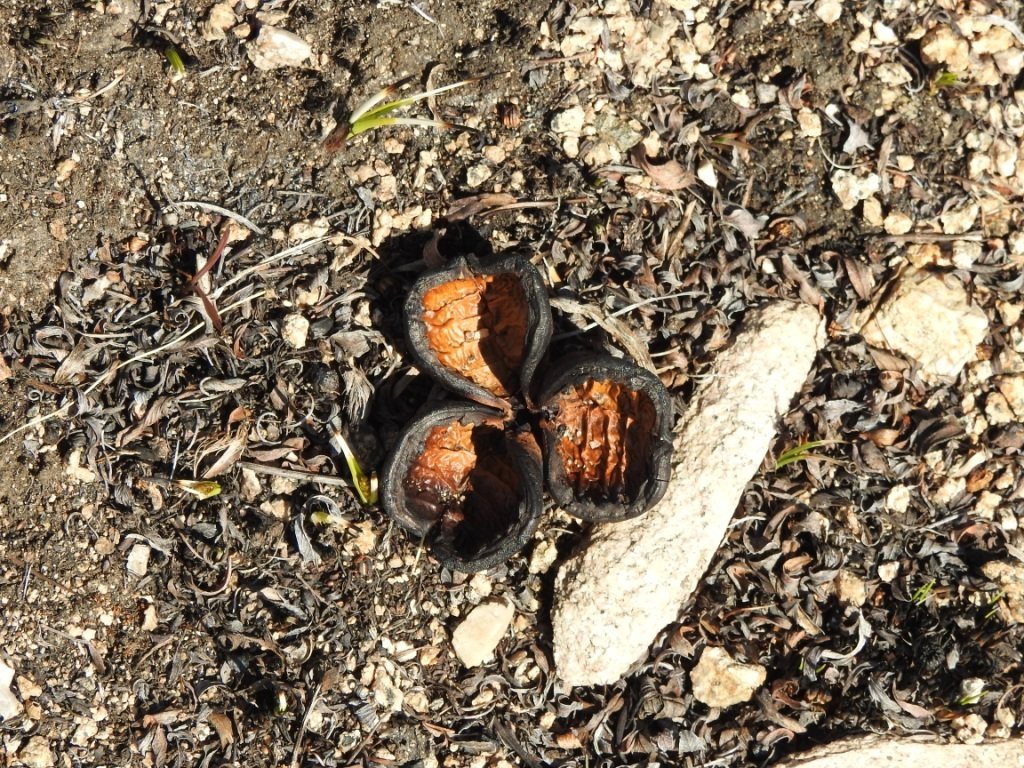
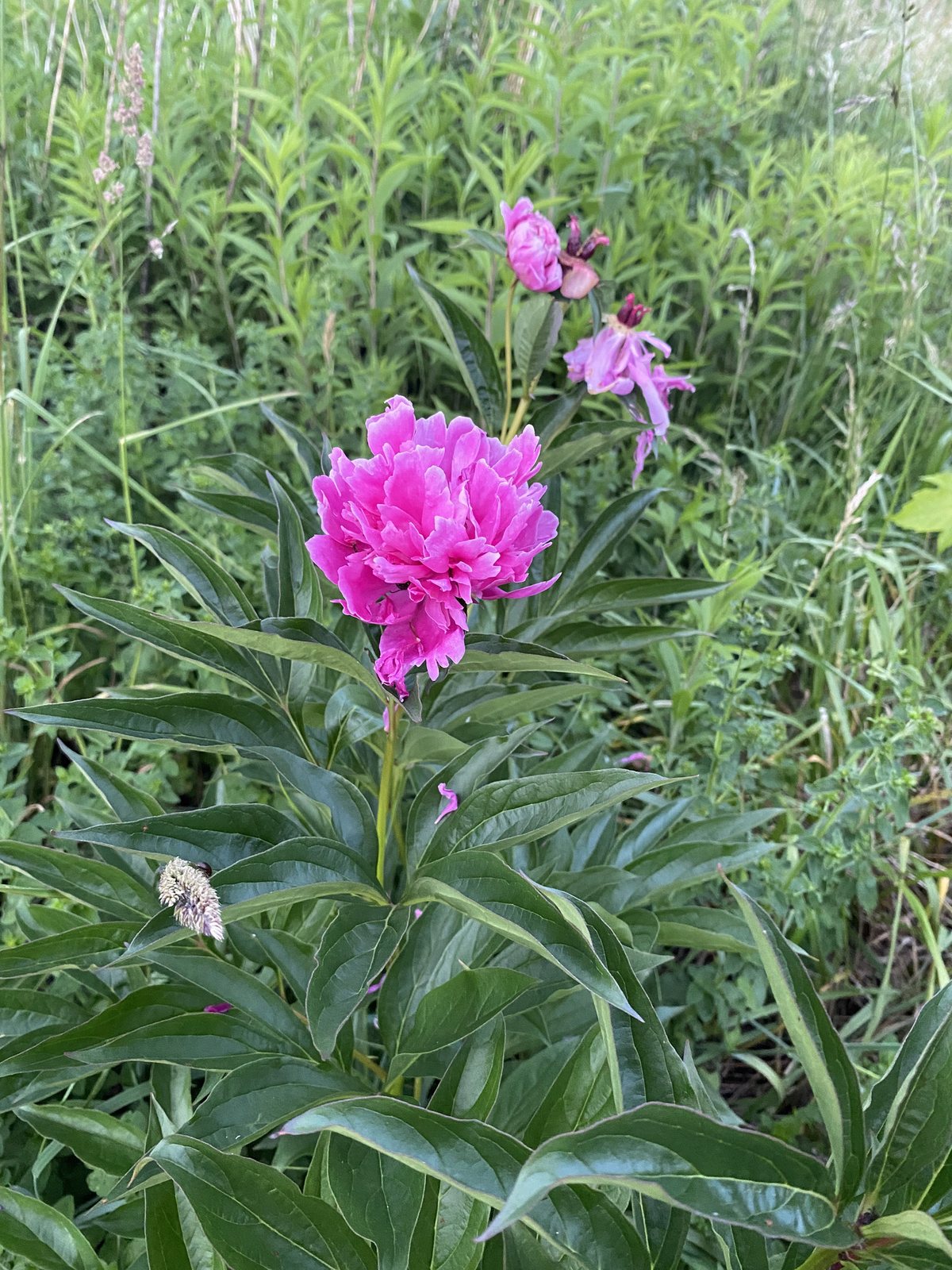
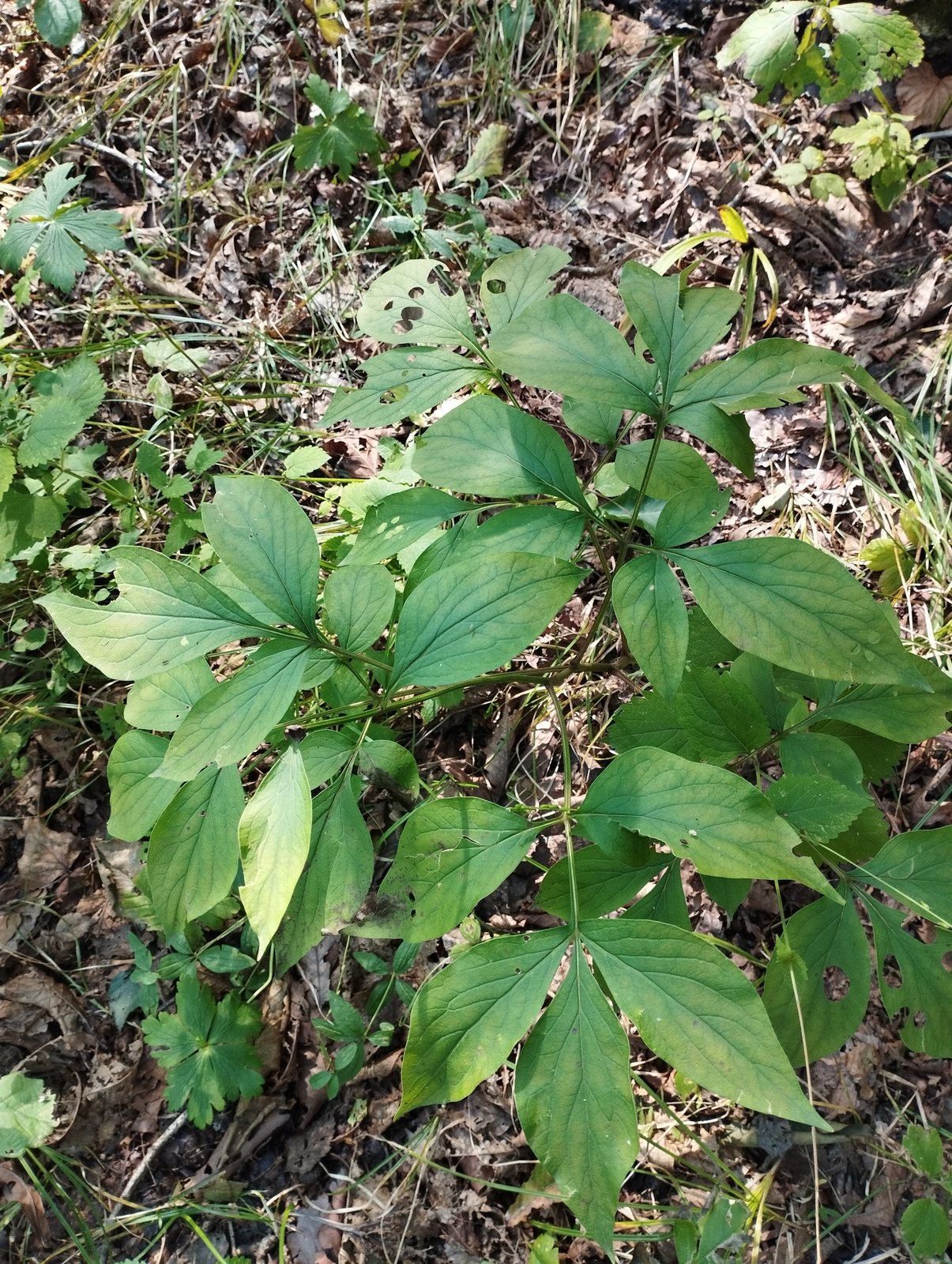
At a glance
- Sun
- Full sun is best; light afternoon shade is useful in hotter districts. Heavy shade reduces flowering.
- Water
- Keep the soil evenly moist but not waterlogged during spring growth and flowering. Water established plants deeply during prolonged dry spells.
- Soil
- Deep, fertile, well-drained soil, preferably loam; tolerates clay if drainage is good. Slightly acidic to slightly alkaline soil is suitable.
- Height
- 2.5-3 ft (0.75-0.9 m)
- Spread
- 2-3 ft (0.6-0.9 m)
- Flowers
- Late spring to early summer, late in the herbaceous peony season; large, fragrant, fully double, soft-pink flowers.
- Foliage
- Divided, deep-green leaves on upright seasonal stems; young shoots often emerge reddish. Foliage dies back in autumn.
- Growth
- Moderate once established; newly planted divisions may take two or three years to flower well.
- Care needed
- Medium
The year at a glance
- Deer resistant
- Cold hardy
- Low allergen
- Fragrant
| J | F | M | A | M | J | J | A | S | O | N | D | |
|---|---|---|---|---|---|---|---|---|---|---|---|---|
| Flowers | ||||||||||||
| Plant |
Northern hemisphere months. In Australia, shift them by six.
- Difficulty
- Moderate
- Toughness
- Very tough
Will it suit your garden?
Pick your zone, country, light and whether you have pets.
Full sun is 6 or more hours of direct sun a day, part shade 3 to 6 hours, shade under 3.
How it grows
Planting day
1 ft (0.3 m)
After 1 year
1.6 ft (0.47 m)
After 2 years
2.1 ft (0.65 m)
After 3 years
2.7 ft (0.83 m)
full size
About 3 years to full size.
From a typical nursery size, at an average rate for this kind of plant. A rule of thumb, not a forecast.
Good to know
- Cats and dogs
- Toxic
- Growth rate
- Moderate
Care
Jobs through the year
- WaterMar–Apr, Sep, every 14 days
- Water established plants deeply if dry; new divisions need closer moisture checks.
- WaterMay–Jun, every 7 days
- Water at soil level if rain is insufficient, keeping soil evenly moist during bud development.
- WaterJul–Aug, every 14 days
- Water established clumps deeply during prolonged dry spells while foliage remains green.
- FeedMar–Apr
- Apply a modest balanced feed around the clump, avoiding excessive nitrogen.
- MulchMar–Apr
- Spread compost around the clump but leave the crown and shallow buds uncovered.
- ProtectMar–Apr
- Install a peony ring or stakes before stems lengthen.
- DeadheadMay–Jul
- Remove faded flowers just below the heads, retaining healthy leafy stems.
- DivideSep–Oct
- Divide only if necessary; replant with buds no more than 2.5–5 cm below soil level.
- PruneOct–Nov
- Cut dead stems to ground level and remove debris to reduce disease carry-over.
- Plant dormant bare-root divisions in autumn, with the buds no more than 1-2 in (2.5-5 cm) below the finished soil surface.
- Fit a peony ring or discreet stakes in early spring; the heavy flowers often flop after rain.
- Water at soil level during dry weather, especially while plants establish and buds develop.
- Apply a modest amount of balanced fertiliser in spring; avoid excessive nitrogen, which encourages leafy growth at the expense of flowers.
- Mulch around the clump with compost, keeping the crown uncovered so the buds are not gradually buried.
- Leave established clumps undisturbed unless division or relocation is necessary.
Pruning. Remove faded flowers just below the flower head, leaving the leafy stems intact. In autumn, once the foliage has died back, cut stems to ground level and remove the debris, especially if disease was present.
Through the year
- Early spring
- Clear old debris, check that the crown is not buried, and install supports before stems lengthen.
- Spring
- Feed lightly and water during dry spells as shoots and flower buds develop.
- Late spring to early summer
- Tie stems loosely to supports as needed; cut flowers when buds feel soft and show colour.
- Summer
- Deadhead spent blooms and retain healthy leaves to replenish the roots.
- Autumn
- Plant bare-root peonies or divide established clumps if necessary, keeping the buds shallow.
- Late autumn
- Cut down dead stems and remove fallen foliage to reduce disease carry-over.
In the garden
- Plant in the middle of a sunny mixed border, with lower plants concealing the supports.
- Combine with purple catmint or hardy geraniums for a soft pink-and-blue early-summer display.
- Repeat clumps along a formal path or border for a short but substantial flowering display and summer foliage.
- Include in a cutting garden, where the fragrant flowers provide large focal blooms for arrangements.
Garden styles it suits: English country, Cottage garden, Romantic rose garden, Traditional, Formal and Pastel border.
Plant it with: Catmint, Hardy geraniums, Lady's mantle, Bearded irises, Salvias and Alliums.
Wildlife: Ants commonly visit the sugary secretions on flower buds; they do not harm the plant and are not needed for the flowers to open. The densely double flowers offer less accessible pollen than single-flowered peonies.
Problems to watch for
- Peony wilt or botrytis blight: shoots collapse and buds turn brown, especially in damp weather. Cut out affected growth promptly, remove autumn debris, improve airflow and avoid overhead watering.
- Few or no flowers: check for deeply buried buds, excessive shade, recent disturbance or insufficient winter cold. Replant shallowly in autumn if necessary; allow young divisions time to establish.
- Flopping stems: heavy double blooms bend after rain. Install supports before growth becomes tall rather than trying to lift fallen stems later.
- Leaf blotch: reddish-purple spots develop on leaves and stems. Remove infected debris in autumn, give plants room for airflow and water at soil level.
Safety
Toxic if eaten by cats, dogs and horses; people can also develop stomach upset after ingestion. All parts should be kept out of reach, especially the roots, which contain higher concentrations of irritant compounds. Typical effects include vomiting, diarrhoea and abdominal discomfort; seek veterinary or medical advice after ingestion.
Easily confused with
Bowl of Beauty peony (Paeonia lactiflora 'Bowl of Beauty')
Has a clear ring of pink outer petals surrounding a conspicuous cream centre, rather than Sarah Bernhardt's densely packed pink petals.
Tree peony (Paeonia suffruticosa)
Retains woody branches through winter and usually flowers earlier; Sarah Bernhardt dies completely back to ground level each autumn.
The name
The cultivar is named after the French actress Sarah Bernhardt, while lactiflora means 'milk-flowered', referring to the species rather than this cultivar's pink flowers.
Propagation. Divide dormant clumps in autumn, giving each division three to five healthy buds and substantial roots. Replant promptly at a shallow depth; flowering may be reduced for a few seasons. Seed does not reliably reproduce this cultivar.
Checked against open data
- Accepted botanical name
- Paeonia lactiflora
- In the US and Canada
- Introduced in Canada and the lower 48 states.
- Native range
- Amur, China North-Central, China South-Central, China Southeast, Chita, Inner Mongolia, Khabarovsk, Manchuria, Mongolia and Primorye.
- Measured
- Soil pH 7 to 7.5.
Sources: GBIF (CC BY 4.0), USDA PLANTS and Trefle (CC BY 4.0). The care and design notes are LandscapeGPT's own.
See it in your own yard.
Upload a photo of your yard and see it redesigned with plants that suit your climate, each checked against your zone.