Satsuma mandarin
Citrus unshiu. Family Rutaceae. Tree.
Also called Satsuma, Unshu mandarin, Satsuma orange.
Satsuma is a small evergreen citrus tree grown for sweet, easy-peeling mandarins with few or no seeds. It is among the more cold-tolerant edible citrus, but fruit and young growth are vulnerable to frost; in colder areas, grow it in a container that can be moved into bright, frost-free shelter.
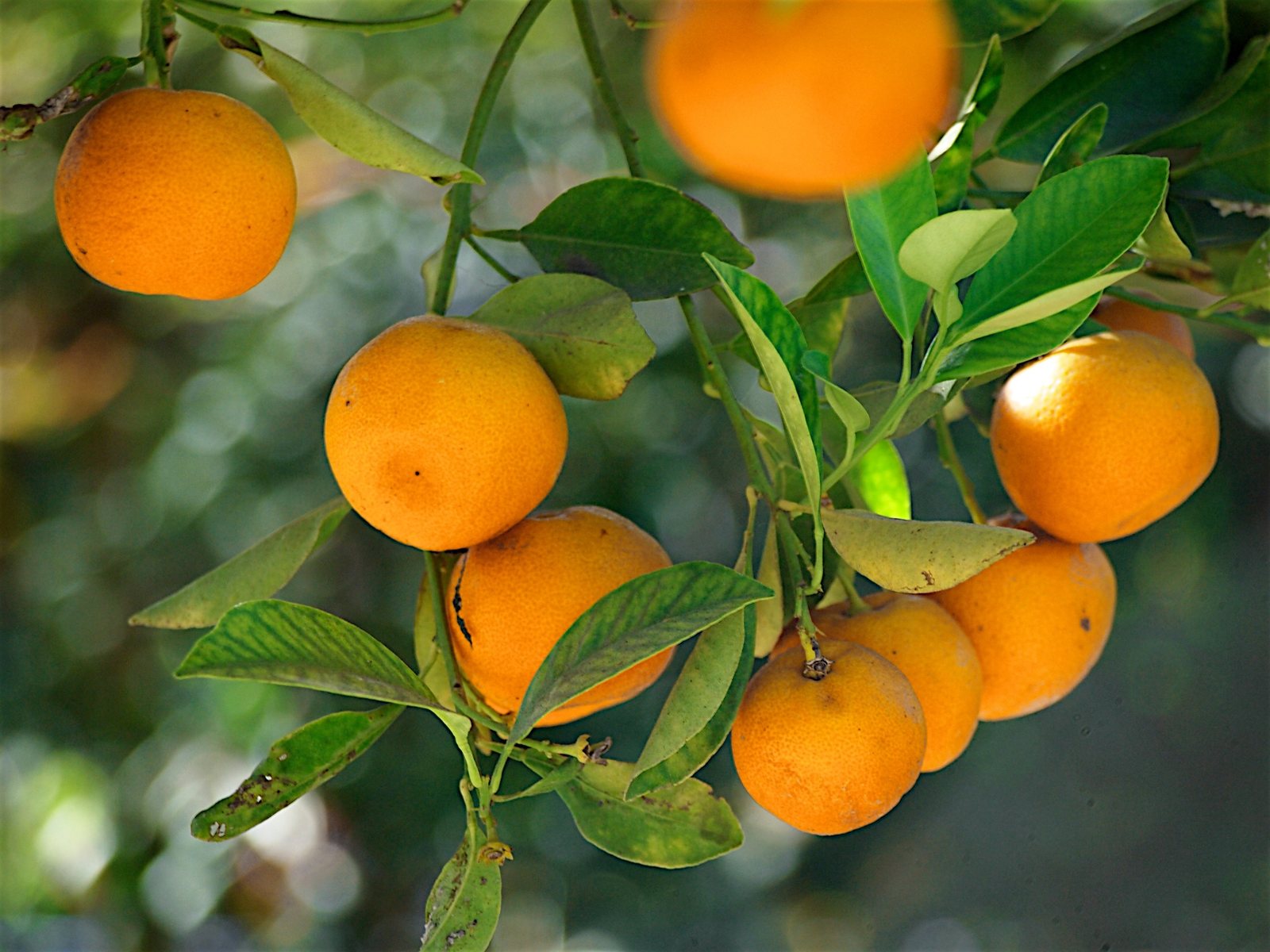
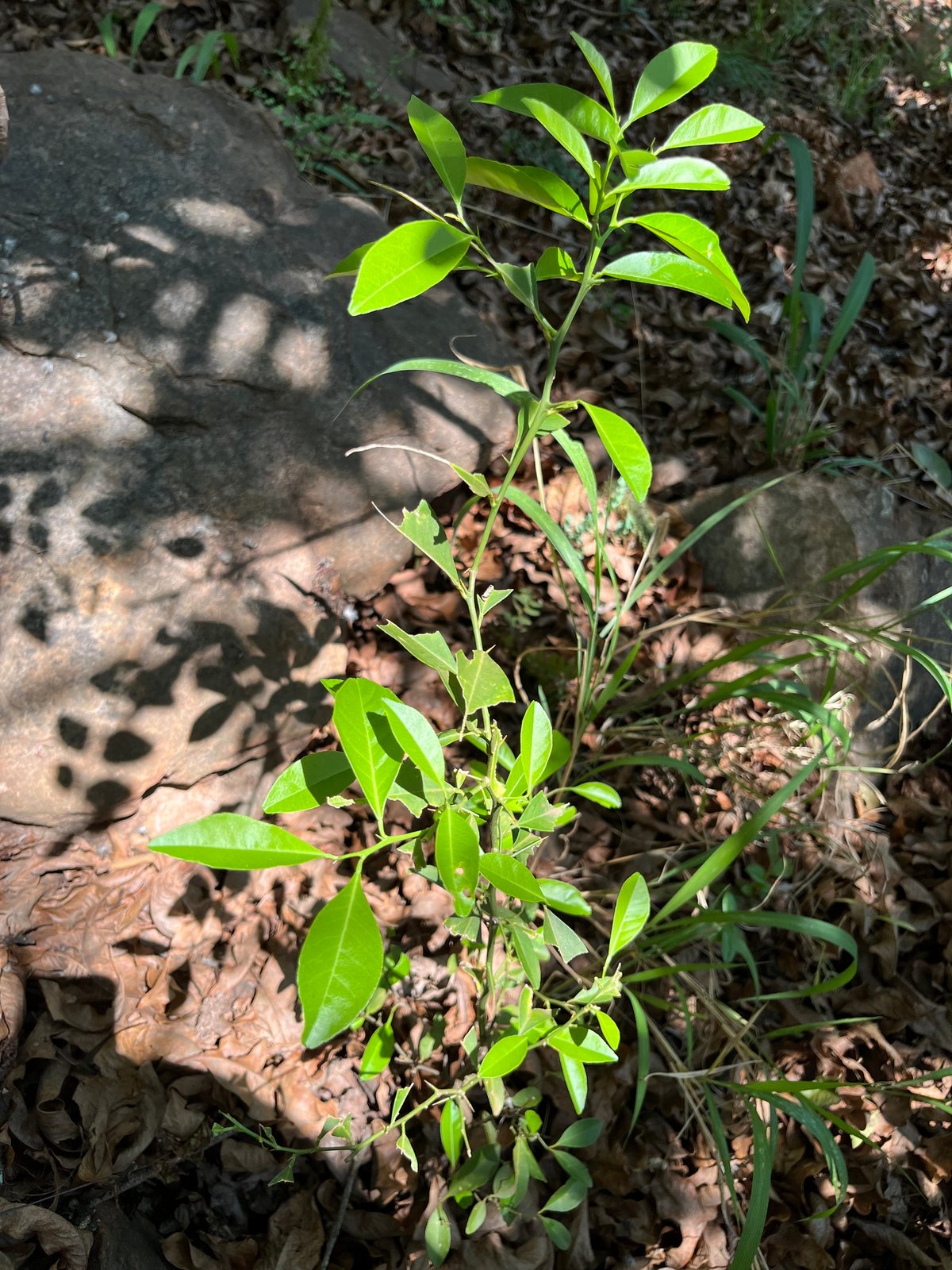
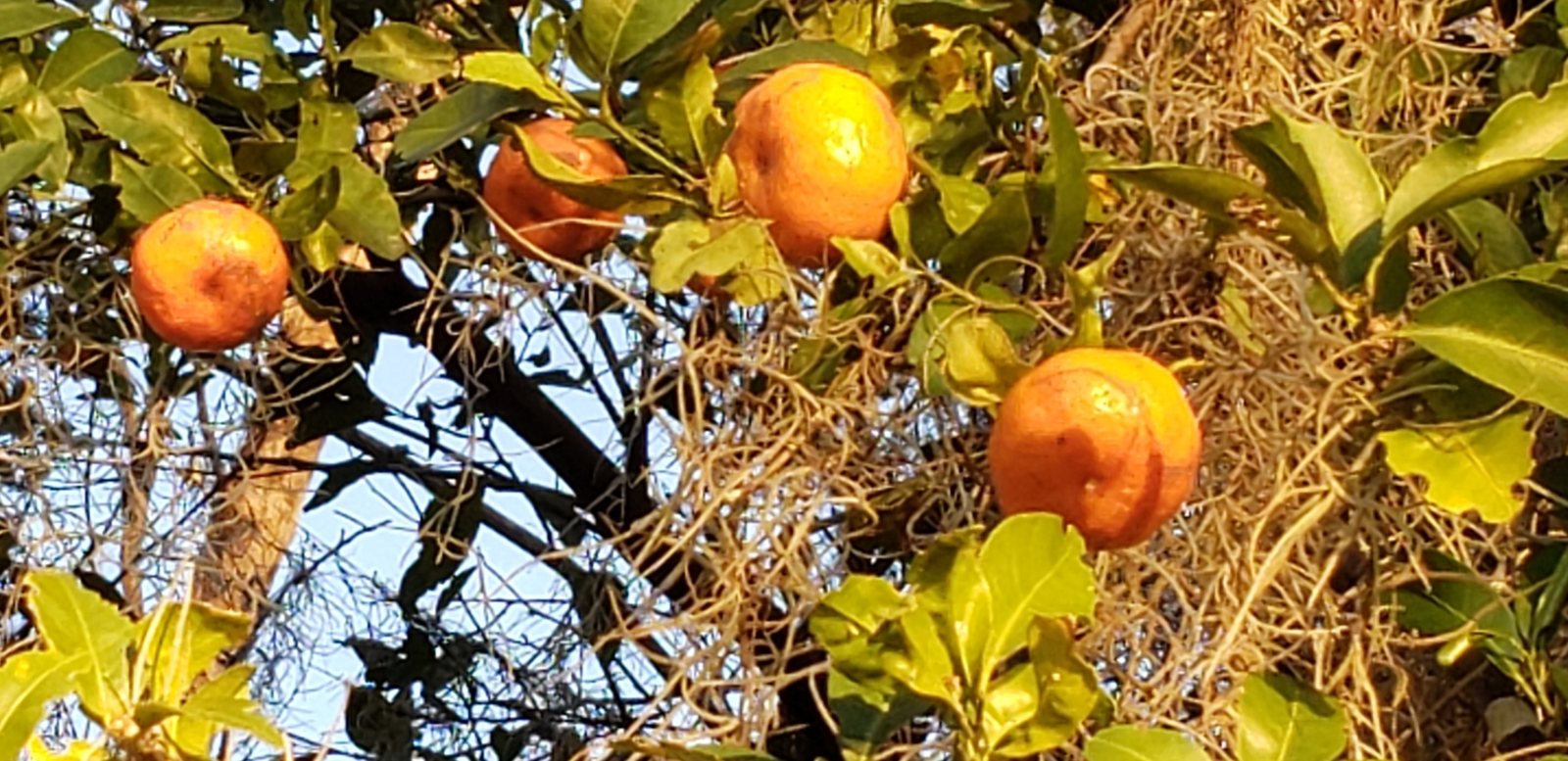
At a glance
- Sun
- Full sun, ideally at least 6-8 hours daily, in a warm position sheltered from cold winds.
- Water
- Water deeply when the upper soil begins to dry; keep moisture reasonably even during flowering and fruit development, without waterlogging.
- Soil
- Well-drained, slightly acidic soil; avoid heavy, wet ground and strongly alkaline soil. Use a free-draining citrus potting mix in containers.
- Height
- 10-20 ft (3-6 m); smaller on dwarfing rootstocks or in containers
- Spread
- 10-15 ft (3-4.5 m)
- Flowers
- Fragrant white flowers in spring.
- Foliage
- Evergreen. Glossy, dark green, oval to lance-shaped leaves with a citrus scent when crushed.
- Growth
- Moderate
- Care needed
- Medium
The year at a glance
- Pollinators
- Heat tolerant
- Wildlife
- Low allergen
- Fragrant
- Edible
| J | F | M | A | M | J | J | A | S | O | N | D | |
|---|---|---|---|---|---|---|---|---|---|---|---|---|
| Flowers | ||||||||||||
| Fruit | ||||||||||||
| Plant |
Northern hemisphere months. In Australia, shift them by six.
- Difficulty
- Hard
- Toughness
- Needs looking after
Will it suit your garden?
Pick your zone, country, light and whether you have pets.
Full sun is 6 or more hours of direct sun a day, part shade 3 to 6 hours, shade under 3.
How it grows
Planting day
7 ft (2 m)
After 1 year
7 ft (2.1 m)
After 2 years
7 ft (2.3 m)
After 3 years
8 ft (2.4 m)
After 5 years
9 ft (2.6 m)
About 20 years to full size.
From a typical nursery size, at an average rate for this kind of plant. A rule of thumb, not a forecast.
Good to know
- Cats and dogs
- Toxic
- Growth rate
- Moderate
Care
Jobs through the year
- WaterMar–May, Sep–Oct, every 7 days
- For established in-ground trees, water when upper soil dries; pots and young trees need more.
- WaterJun–Aug, every 7 days
- Water in-ground trees deeply as soil dries; check containers daily in warm weather.
- WaterJan–Feb, Nov–Dec, every 21 days
- Check overwintering pots and water lightly if drying; never leave roots saturated.
- FeedApr–Jul, every 28 days
- Use citrus feed with trace elements; adjust frequency to the product label.
- MulchMay
- Mulch outdoor root zones, keeping the trunk and graft union clear.
- PruneApr–May
- After frost risk, remove dead or crossing branches lightly; avoid hard pruning.
- PruneApr–Sep, every 30 days
- Remove any shoots arising below the graft union.
- ProtectJan–Apr, Oct–Dec
- Not reliably hardy in zones 6–7; overwinter in a bright, cool, frost-free space.
- HarvestOct–Dec, every 7 days
- Taste-test for sweetness, then clip ripe fruit; it will not sweeten after picking.
- Water newly planted trees regularly; let excess water drain freely from containers.
- Feed with a citrus fertilizer containing trace elements during spring and summer, following the label; avoid late feeding that encourages tender growth before winter.
- Mulch the root area, keeping mulch several inches away from the trunk and graft union.
- Remove shoots growing from below the graft union as soon as they appear.
- Protect young trees during frost; move containers into a bright, cool, frost-free space before sustained freezing weather.
Pruning. Prune lightly in spring after the main frost risk has passed, removing dead, damaged and crossing branches. Avoid hard pruning or routine shearing, which removes fruiting wood and encourages vigorous shoots.
Harvest
Pick mandarins in autumn to early winter, depending on cultivar and climate, when a sample tastes sweet and juicy; ripe fruit may retain some green skin in warm weather. Clip fruit from the tree rather than pulling it, and do not expect it to become sweeter after picking. A grafted nursery tree usually produces its first worthwhile crop about 2-4 years after planting.
Through the year
- Spring
- Check for frost damage, prune lightly and remove rootstock suckers.
- Spring
- Start citrus feeding as active growth begins; plant outdoors once frost risk has passed.
- Summer
- Check soil moisture frequently, especially in pots, and inspect new growth for pests.
- Late summer
- Avoid heavy nitrogen feeding before cool weather and maintain steady watering as fruit enlarges.
- Autumn
- Taste-test fruit and harvest as it sweetens; prepare frost protection before cold nights.
- Winter
- Keep sheltered container trees bright and cool, watering less often but not allowing the root ball to dry out completely.
In the garden
- Use as a small specimen tree near a sunny patio, where fragrant flowers and ripening fruit can be enjoyed.
- Grow in a large container in a sheltered courtyard, with access to winter shelter in cold regions.
- Include in an edible garden with low herbs outside the mulched root area.
- Plant several trees as a loose evergreen orchard in warm, well-drained gardens.
Garden styles it suits: Mediterranean, Modern courtyard, Potager (kitchen garden), Backyard orchard, Edible landscape and Small-space.
Plant it with: Thyme, Oregano, Chives, Sweet alyssum and Nasturtium.
Wildlife: Flowers attract bees and other pollinating insects, although satsumas can set seedless fruit without cross-pollination. Citrus foliage can support swallowtail butterfly caterpillars in some regions.
Problems to watch for
- Scale insects and associated sooty mould: inspect stems and leaf undersides, control ants, and treat scale with a locally approved horticultural oil according to the label.
- Citrus leafminer: winding trails distort young leaves; avoid unnecessary pruning that stimulates soft growth, and usually tolerate minor damage on established trees.
- Root and collar rot: improve drainage, keep the graft union above soil level and avoid wet mulch against the trunk.
- Yellow leaves from nutrient deficiency or alkaline soil: check drainage and soil pH, use a citrus fertilizer with trace elements, and apply suitable chelated iron if iron deficiency is confirmed.
Safety
The ripe flesh is edible for people. Peel, leaves and stems contain citrus oils and other compounds considered toxic to cats, dogs and horses; chewing them may cause digestive upset, and contact can irritate skin. Small amounts of plain fruit flesh are generally not considered toxic to cats or dogs, but avoid offering peel or concentrated citrus oils.
Easily confused with
Clementine (Citrus × clementina)
Fruit is often rounder with a tighter peel, while satsumas are commonly flattened with a looser skin. Appearance overlaps, so a reliable nursery label is the best guide.
Sweet orange (Citrus × sinensis)
Usually has larger, rounder fruit with a more firmly attached rind; satsumas separate into segments and peel much more easily.
The name
Satsuma takes its name from the former Japanese province associated with its introduction abroad, while unshiu refers to Wenzhou in China.
Propagation. Usually propagated by budding or grafting onto a suitable citrus rootstock. Seed-grown trees take much longer to crop and are not a dependable way to reproduce a named cultivar; use certified disease-free nursery material and follow local citrus movement restrictions.
Checked against open data
- Accepted botanical name
- Citrus unshiu
Sources: GBIF (CC BY 4.0). The care and design notes are LandscapeGPT's own.
See it in your own yard.
Upload a photo of your yard and see it redesigned with plants that suit your climate, each checked against your zone.