Schisandra (magnolia vine)
Schisandra chinensis. Family Schisandraceae. Climber.
Also called Chinese magnolia vine, Five-flavour berry, Wu wei zi.
A deciduous, woody, twining vine grown for fragrant spring flowers and hanging clusters of red, edible berries. It suits cool-temperate gardens with moist soil and sheltered roots, but fruit production depends on the plant's flowering characteristics and suitable pollination.
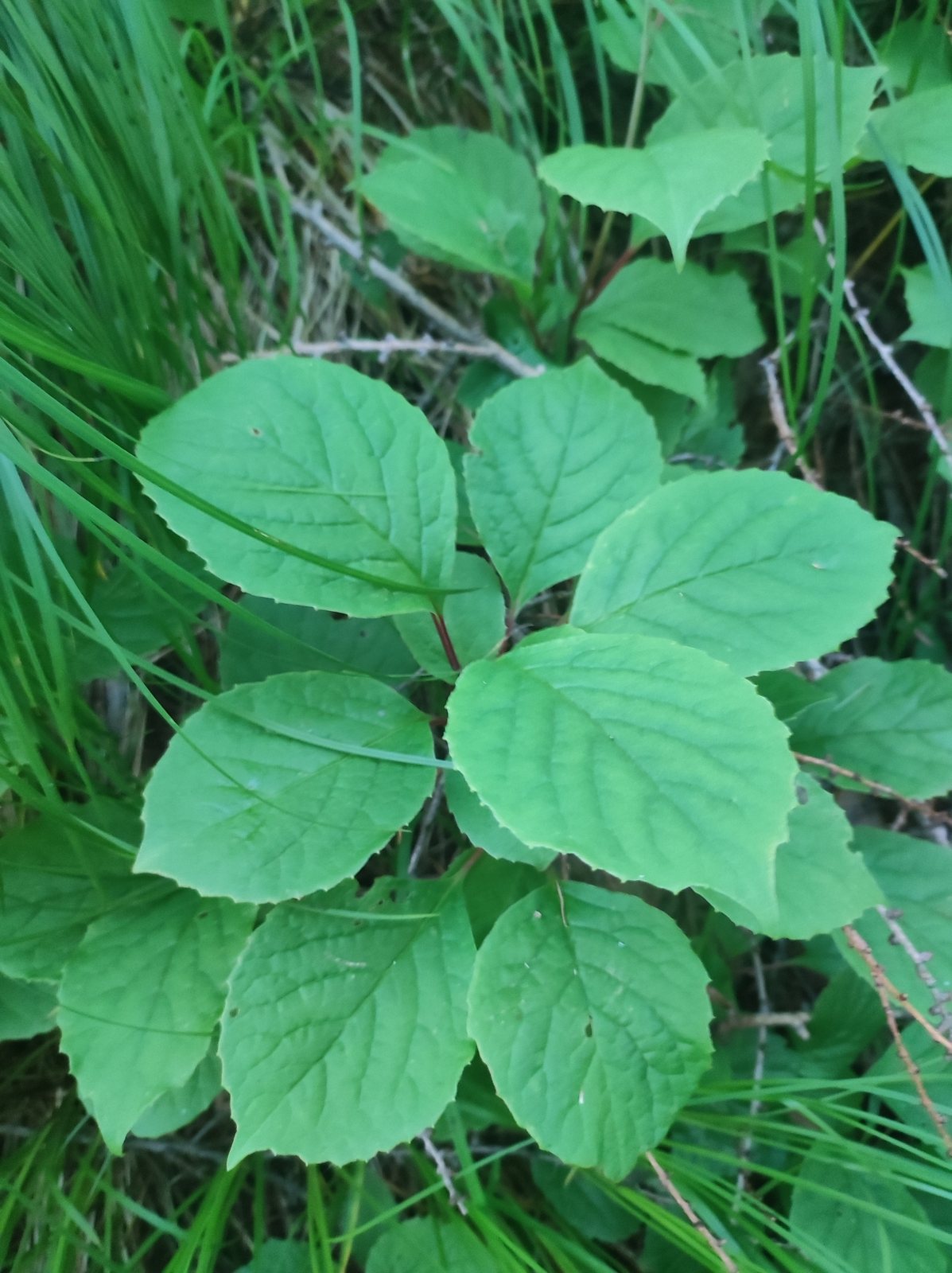
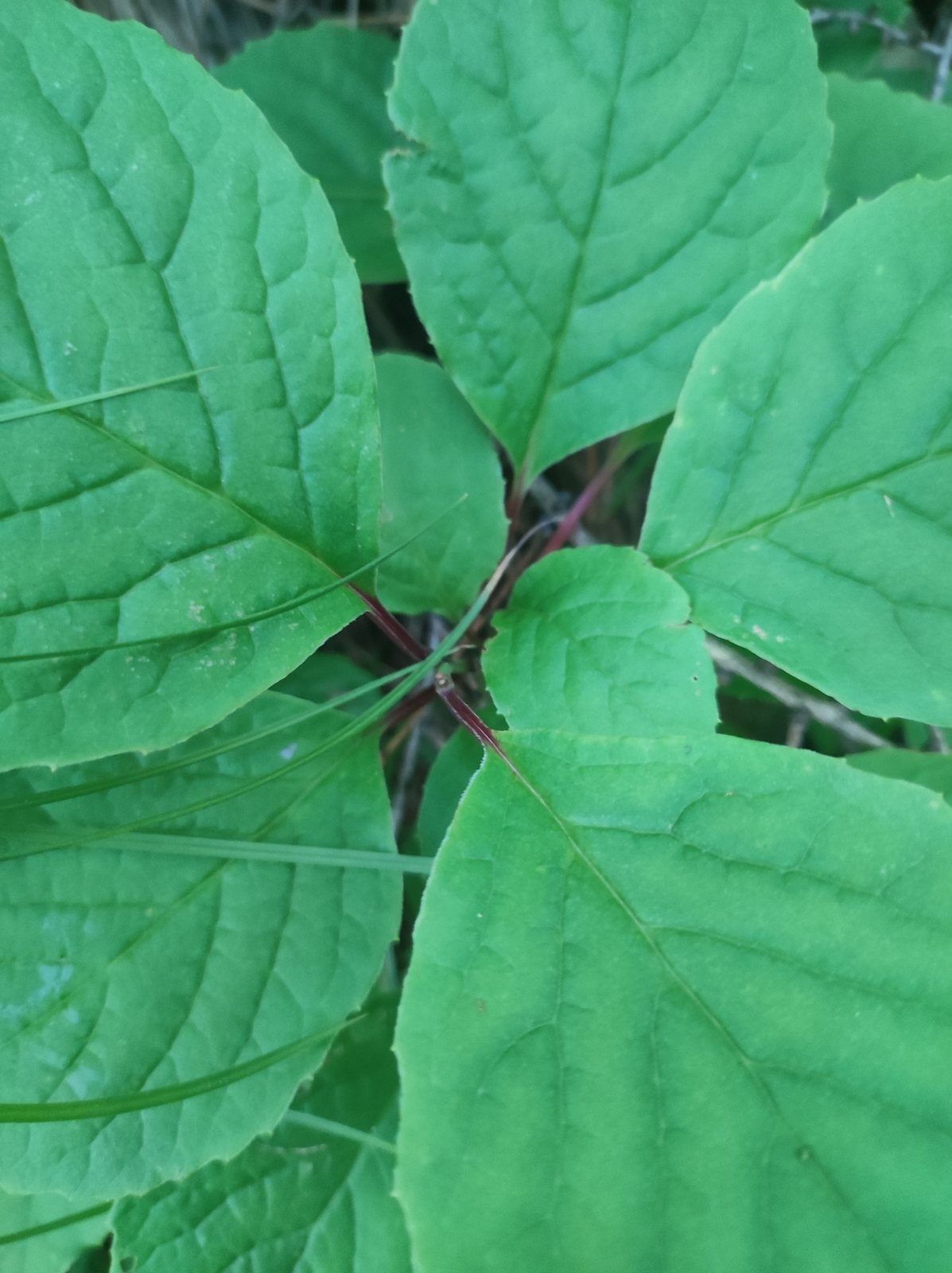
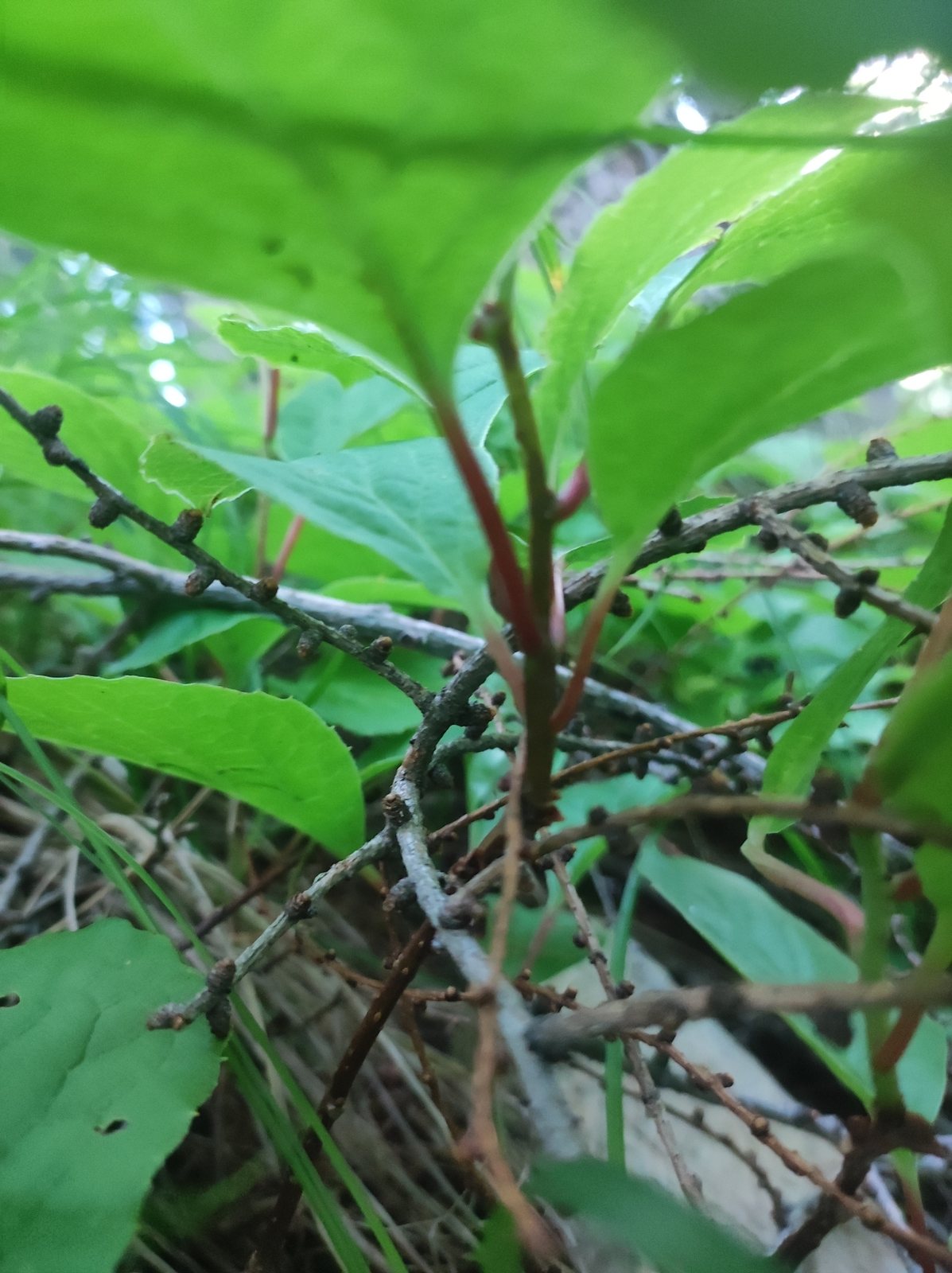
At a glance
- Sun
- Partial shade, or full sun in cool climates if the roots remain moist; shelter from hot afternoon sun and drying winds.
- Water
- Keep evenly moist, especially during establishment, flowering and fruit development; avoid waterlogged soil.
- Soil
- Humus-rich, moisture-retentive but well-drained soil, preferably slightly acidic to neutral.
- Height
- 20-30 ft (6-9 m)
- Spread
- 5-10 ft (1.5-3 m), depending on training
- Flowers
- Late spring to early summer; small, fragrant, creamy-white flowers, sometimes flushed pink.
- Foliage
- Oval, pointed, mid-green leaves on slender twining stems; leaves usually turn yellow in autumn.
- Growth
- Moderate at first, becoming vigorous once established.
- Care needed
- Medium
The year at a glance
- Pollinators
- Cold hardy
- Wildlife
- Low allergen
- Fragrant
- Edible
| J | F | M | A | M | J | J | A | S | O | N | D | |
|---|---|---|---|---|---|---|---|---|---|---|---|---|
| Flowers | ||||||||||||
| Fruit | ||||||||||||
| Plant |
Northern hemisphere months. In Australia, shift them by six.
- Difficulty
- Moderate
- Toughness
- Fairly tough
Will it suit your garden?
Pick your zone, country, light and whether you have pets.
Full sun is 6 or more hours of direct sun a day, part shade 3 to 6 hours, shade under 3.
How it grows
Planting day
2 ft (0.6 m)
After 1 year
3 ft (0.98 m)
After 2 years
4 ft (1.4 m)
After 3 years
6 ft (1.7 m)
After 5 years
6 ft (1.8 m)
full size
About 3 years to full size.
From a typical nursery size, at an average rate for this kind of plant. A rule of thumb, not a forecast.
Good to know
- Cats and dogs
- Safe
- Growth rate
- Fast
Care
Jobs through the year
- WaterApr–May, Sep–Oct, every 7 days
- Water established vines when the upper soil dries; young vines need closer attention.
- WaterJun–Aug, every 5 days
- In dry weather, soak established roots to maintain even moisture without waterlogging.
- MulchMar–Apr
- Apply 5–8 cm of leaf mould or compost, keeping stems clear.
- FeedApr
- Feed lightly only if growth is weak; avoid excess nitrogen.
- PruneFeb
- Thin dead or crowded dormant stems and shorten wayward shoots without hard annual cutting.
- ProtectApr–May
- Cover tender growth and flowers with fleece when late frost threatens.
- HarvestAug–Oct, every 7 days
- Pick whole clusters once berries are fully red and slightly soft.
- Provide a sturdy trellis, wires or pergola at planting, and tie young shoots loosely to the support.
- Water deeply during dry spells; do not let newly planted vines dry out.
- Apply 2-3 in (5-8 cm) of leaf mould or compost over the root area each spring, keeping it clear of the stems.
- Feed lightly in spring if growth is weak; avoid heavy nitrogen feeding.
- For berries, buy a plant confirmed as self-fertile or obtain compatible male and female plants; unsexed seedlings may not fruit alone.
- Choose a sheltered site away from frost pockets, as emerging shoots and flowers can suffer late-frost damage.
Pruning. Prune in late winter while dormant, removing dead, damaged and crowded stems and retaining a well-spaced framework. Shorten wayward shoots to fit the support, but avoid hard annual cutting that removes much of the flowering growth.
Harvest
Pick whole berry clusters in late summer or autumn when the berries are fully red and slightly soft; their flavour is sharply tart with bitter and aromatic notes. Expect the first worthwhile crop about 3-5 years after planting an established young vine, sometimes longer for seedlings or poorly pollinated plants.
Through the year
- Late winter
- Prune the dormant framework and check trellis fixings and ties.
- Spring
- Plant when the ground is workable, water thoroughly and mulch the root area.
- Late spring
- Check flowering and protect young growth from forecast late frosts where practical.
- Early summer
- Guide new shoots onto the support and keep the soil evenly moist.
- Late summer to autumn
- Harvest fully red berry clusters as they ripen.
- Late autumn
- Remove fallen diseased foliage and renew mulch if the root area is exposed.
In the garden
- Train over a sturdy pergola beside a seating area where the flowers and hanging fruit can be seen.
- Grow on wires against a sheltered, lightly shaded fence to add seasonal screening.
- Use as the climbing layer in an edible woodland garden, with low shade-tolerant plants beneath.
- Train on a freestanding trellis in a fruit garden, allowing access to both sides for picking.
Garden styles it suits: Woodland, Edible landscape, Food forest, Cottage garden, Chinese scholar garden and Sensory garden.
Plant it with: Hostas, Epimediums, Japanese painted ferns, Solomon's seal and Woodland strawberries.
Wildlife: Flowers provide resources for visiting insects, and birds may take ripe berries. The leafy framework also offers seasonal cover.
Problems to watch for
- Few or no berries: check whether the vine needs a separate pollination partner; young age, deep shade and frost-damaged flowers can also prevent cropping.
- Scorched leaves or wilting: water deeply, mulch the roots and provide protection from hot afternoon sun and drying wind.
- Root rot in wet soil: improve drainage or move the vine to a better-drained position; do not leave roots standing in water.
- Leaf spots or powdery mildew: improve airflow, avoid wetting foliage unnecessarily and remove affected fallen leaves.
Safety
Not known to be toxic to people, cats, dogs or horses, but reliable animal-safety information is limited, particularly for leaves, stems and seeds. The ripe fruit is eaten by people, usually processed; concentrated medicinal products should not be treated as ordinary food.
Easily confused with
Red-flowered magnolia vine (Schisandra rubriflora)
Has conspicuous deep-red flowers rather than the creamy-white to pale-pink flowers of Schisandra chinensis.
Hardy kiwi (Actinidia arguta)
Another vigorous deciduous twiner, but it bears individual green, grape-sized fruits rather than elongated clusters of small red berries.
The name
Schisandra comes from Greek words referring to split anthers, chinensis means 'from China', and 'five-flavour berry' refers to the fruit's combination of contrasting tastes.
Propagation. Take semi-ripe cuttings in summer or layer a low stem into moist soil. Seed needs stratification and can germinate slowly; seedlings vary in sex and fruiting performance, so use vegetative propagation to preserve a known plant.
Checked against open data
- Accepted botanical name
- Schisandra chinensis
- Native range
- Amur, China North-Central, Inner Mongolia, Japan, Khabarovsk, Korea, Manchuria, Primorye and Sakhalin.
- Measured
- Average height 500 cm.
Sources: GBIF (CC BY 4.0) and Trefle (CC BY 4.0). The care and design notes are LandscapeGPT's own.
See it in your own yard.
Upload a photo of your yard and see it redesigned with plants that suit your climate, each checked against your zone.