Sensation lilac
Syringa vulgaris 'Sensation'. Family Oleaceae. Shrub.
Also called Common lilac 'Sensation', French lilac 'Sensation'.
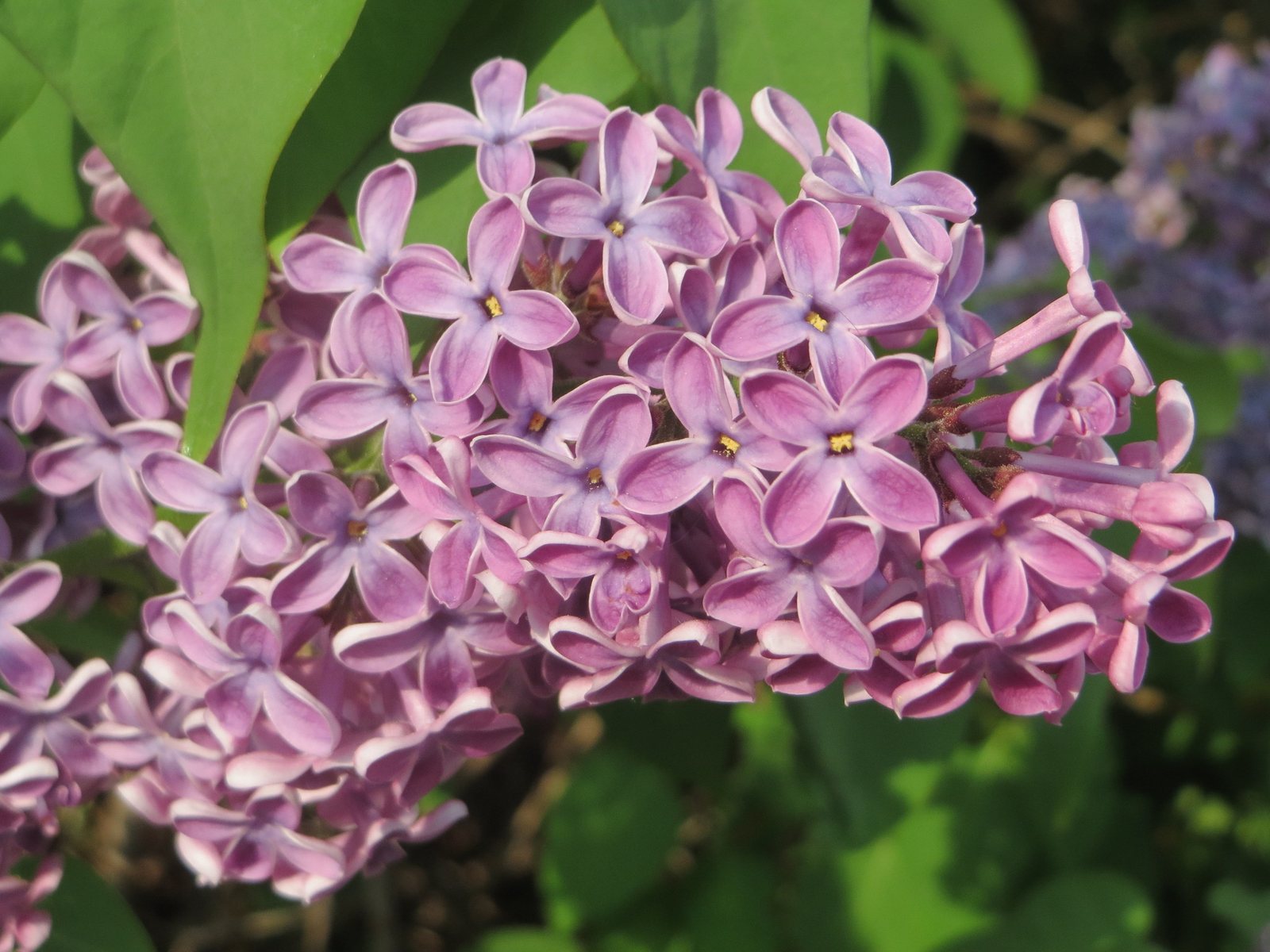
Sensation lilac is a deciduous shrub grown for its fragrant spring flower clusters, with purple petals edged in white. It suits cold-winter gardens and needs sun, good drainage and enough space for its broad, suckering growth; flowering is unreliable in warm-winter climates.
At a glance
- Sun
- Full sun, with at least 6 hours of direct sunlight daily; light shade reduces flowering.
- Water
- Water regularly during the first two growing seasons. Once established, water deeply during prolonged dry spells rather than keeping the soil constantly wet.
- Soil
- Fertile, well-drained soil, preferably neutral to slightly alkaline. Tolerates clay if drainage is good; avoid waterlogged ground.
- Height
- 8-12 ft (2.4-3.7 m)
- Spread
- 6-10 ft (1.8-3 m)
- Flowers
- Late spring to early summer; fragrant clusters of single purple flowers with distinct white petal margins.
- Foliage
- Opposite, broadly heart-shaped green leaves; autumn colour is usually unremarkable.
- Growth
- Moderate
- Care needed
- Medium
The year at a glance
- Pollinators
- Cold hardy
- Wildlife
- Low allergen
- Fragrant
| J | F | M | A | M | J | J | A | S | O | N | D | |
|---|---|---|---|---|---|---|---|---|---|---|---|---|
| Flowers | ||||||||||||
| Plant |
Northern hemisphere months. In Australia, shift them by six.
- Difficulty
- Moderate
- Toughness
- Very tough
Will it suit your garden?
Pick your zone, country, light and whether you have pets.
Full sun is 6 or more hours of direct sun a day, part shade 3 to 6 hours, shade under 3.
How it grows
Planting day
1.6 ft (0.5 m)
After 1 year
3 ft (1 m)
After 2 years
5 ft (1.5 m)
After 3 years
7 ft (2 m)
After 5 years
10 ft (3.1 m)
full size
About 5 years to full size.
From a typical nursery size, at an average rate for this kind of plant. A rule of thumb, not a forecast.
Good to know
- Cats and dogs
- Safe
- Growth rate
- Moderate
Care
Jobs through the year
- WaterApr–May, Sep–Oct, every 21 days
- Water established shrubs deeply only if soil is dry; water regularly for the first two growing seasons.
- WaterJun–Aug, every 14 days
- Water established shrubs deeply during prolonged drought; young shrubs need more frequent watering.
- MulchMar–Apr
- Apply 5–8 cm of organic mulch, keeping it clear of stems.
- FeedMar–Apr
- Feed lightly only if growth is weak; avoid high-nitrogen fertilizer.
- PruneMay–Jun
- Immediately after flowering, remove spent clusters, crossing wood and up to one-third of the oldest stems.
- PruneJun–Aug
- Remove unwanted suckers at their origin without trimming shoots carrying next year's buds.
- Plant with the root flare at soil level and allow room for the mature spread.
- Water deeply through dry spells while the roots establish.
- Apply a 2-3 in (5-8 cm) layer of organic mulch in spring, keeping it clear of the stems.
- Feed lightly in spring only if growth is weak; excess nitrogen encourages leaves rather than flowers.
- Remove unwanted suckers at their point of origin to keep the shrub within bounds.
Pruning. Prune immediately after flowering, removing spent flower clusters and any dead or crossing stems; later pruning removes next spring's flower buds. Rejuvenate an old shrub by cutting out up to one-third of the oldest stems at ground level each year over three years.
Through the year
- Autumn
- Plant while the soil is workable, or wait until spring in very cold areas.
- Early spring
- Renew mulch and check that soil around the roots drains freely.
- Late spring
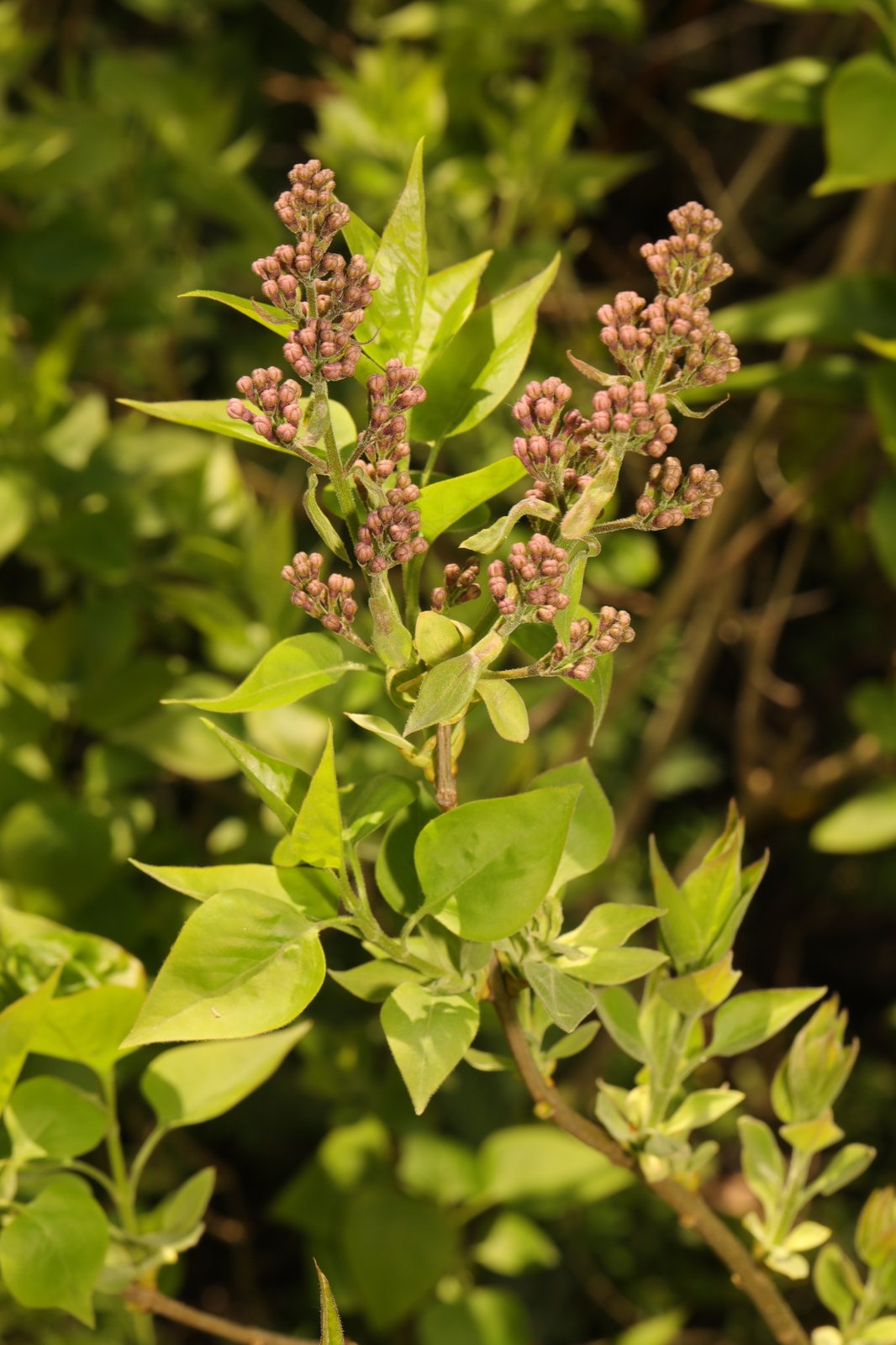
- Enjoy the flowers and check young shoots for wilting or blackening caused by bacterial blight.
- Early summer
- Prune as flowering finishes, removing old stems where renewal is needed.
- Summer
- Water during prolonged drought and remove unwanted suckers.
- Late summer
- Avoid trimming new shoots, which carry the following spring's flower buds.
In the garden
- Use as a spring focal point in a mixed shrub border, with summer-flowering plants to take over after bloom.
- Plant near a path or seating area where the fragrance can be enjoyed, allowing space for its mature width.
- Combine with peonies, bearded irises and catmint in a cottage border.
- Grow as an informal flowering screen, accepting its bare branches in winter.
Garden styles it suits: English country, Cottage garden, Traditional, Romantic rose garden, Sensory garden and Farmhouse.
Plant it with: Peonies, Bearded irises, Catmint, Hardy geraniums, Daffodils and Daylilies.
Wildlife: Flowers attract bees and butterflies, although nectar use varies with local insects and conditions. Dense branches provide shelter for small birds.
Problems to watch for
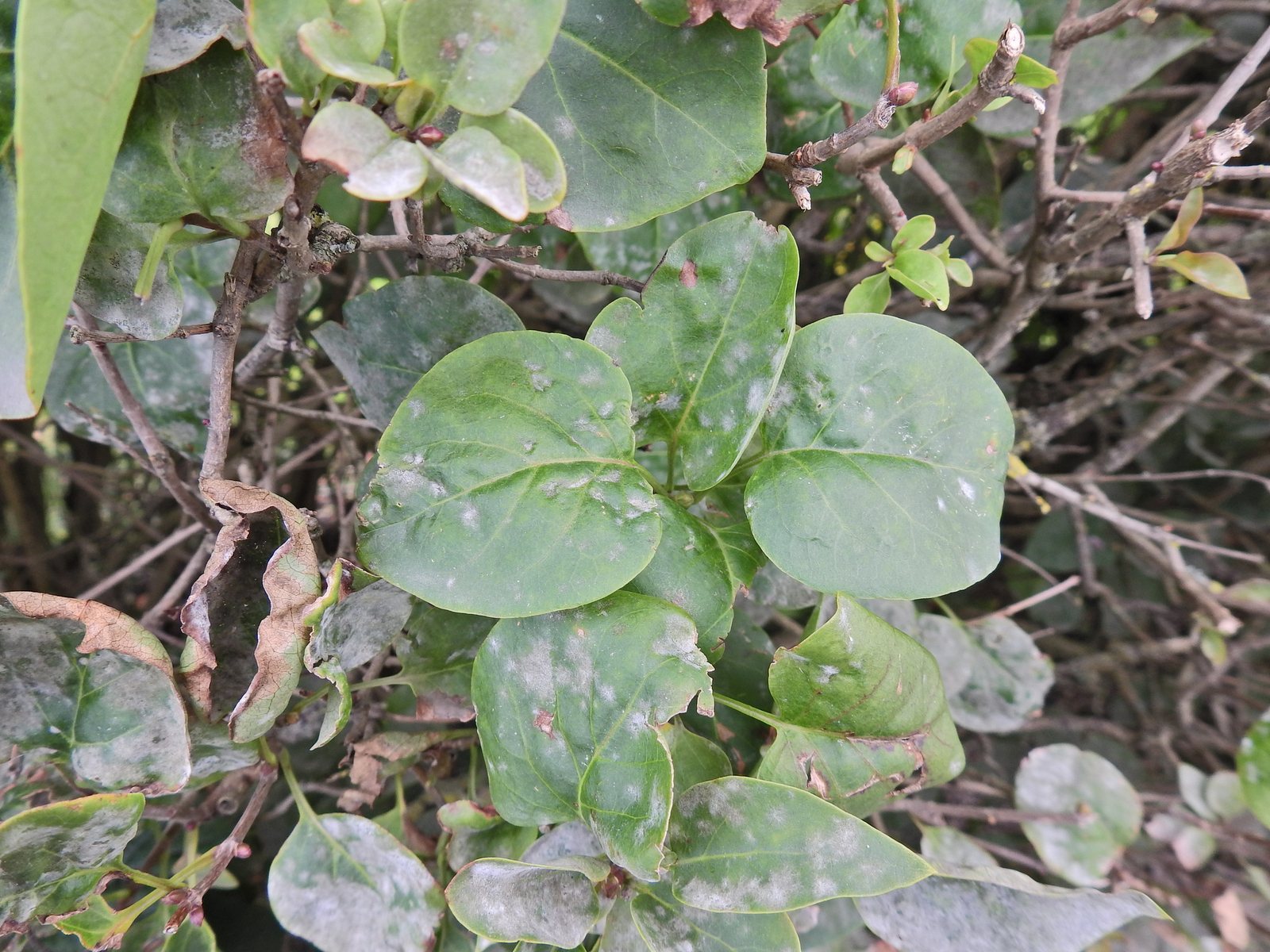
- Powdery mildew: a white coating often develops on leaves in late summer. Give the shrub sun and air circulation, avoid drought stress and clear fallen leaves; mild infections rarely need treatment.
- Bacterial blight: young shoots and flower buds blacken or wilt. Cut affected shoots back into healthy wood in dry weather, disinfect tools between cuts and avoid overhead watering.
- Lilac borers: holes, sawdust-like debris and dying stems can indicate larvae inside the wood. Remove badly affected stems and keep the shrub watered during drought; seek local advice if damage recurs.
- Poor flowering: shade, late pruning, excess nitrogen or insufficient winter cold can prevent bloom. Provide full sun, prune only just after flowering and avoid heavy feeding; warm winters cannot be corrected through routine care.
Safety
Common lilac is not known to be toxic to people, cats, dogs or horses. No part is generally regarded as poisonous, though eating large amounts of plant material can cause digestive upset.
Easily confused with
Common lilac (Syringa vulgaris)
Ordinary purple-flowered forms lack the clear white margin around each petal that distinguishes 'Sensation'.
Korean lilac (Syringa meyeri)
Usually smaller and more compact, with smaller leaves and clusters of small lilac-pink flowers without white petal margins.
Butterfly bush (Buddleja davidii)
Flowers mainly in summer and has long, narrow leaves with pale undersides, rather than lilac's broad, heart-shaped leaves.
The name
Syringa comes from the Greek word for a pipe or tube, referring to the pithy stems, and vulgaris means common.
Propagation. Propagate by softwood cuttings in early summer or by layering. Rooted suckers can be separated during dormancy from plants growing on their own roots; suckers from below a graft will not reproduce 'Sensation'. Seedlings do not come true to the cultivar.
Checked against open data
- Accepted botanical name
- Syringa vulgaris
- In the US and Canada
- Introduced in Canada and the lower 48 states.
- Native range
- Bulgaria, Greece, Romania and Yugoslavia.
- Measured
- Soil pH 5.8 to 7.8. Average height 500 cm.
Sources: GBIF (CC BY 4.0), USDA PLANTS and Trefle (CC BY 4.0). The care and design notes are LandscapeGPT's own.
See it in your own yard.
Upload a photo of your yard and see it redesigned with plants that suit your climate, each checked against your zone.